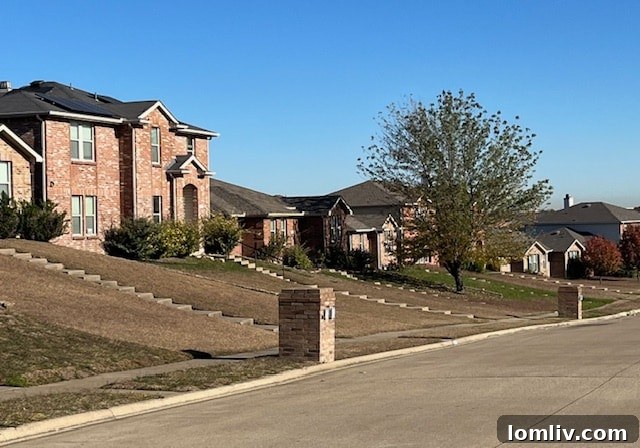
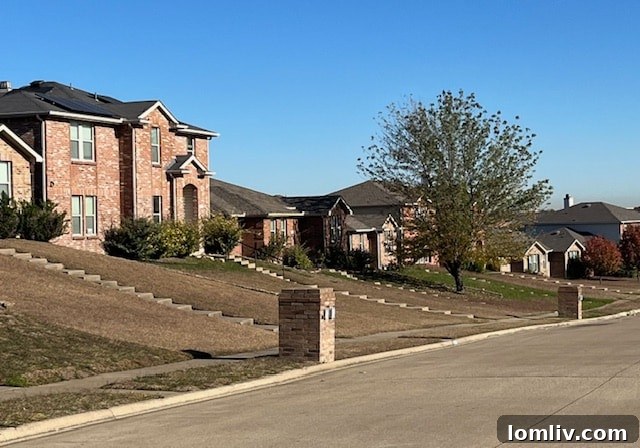
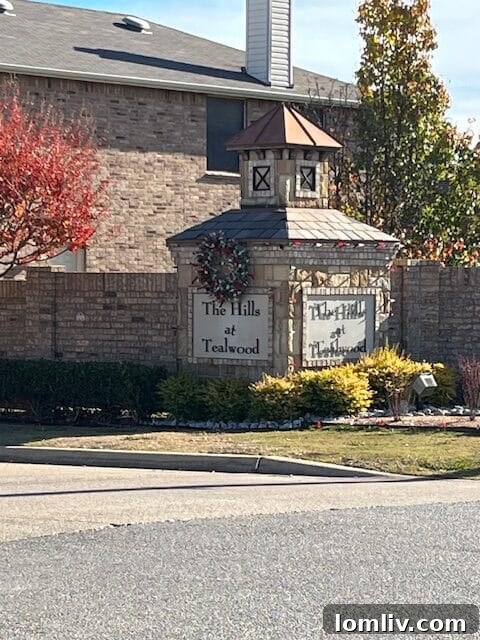
The story of Finda Koroma, a 68-year-old home health nurse, serves as a stark and disturbing reminder of the immense power wielded by Homeowners Associations (HOAs). After nearly two decades of homeownership in Mesquite, Texas, Koroma faced eviction last month following a decision by The Hills at Tealwood Homeowners Association to foreclose on her property over a debt amounting to $3,500. This harrowing incident has brought to light a critical question for many homeowners and aspiring buyers: In a state like Texas, widely known for its strong property rights, do HOAs truly possess the authority to seize homes over relatively minor debts?

The unequivocal answer, as many homeowners discover too late, is yes. HOAs in Texas indeed have the legal power to foreclose, often with alarming swiftness. The Hills at Tealwood HOA board reportedly voted on the foreclosure in mid-November, and within mere weeks, Koroma was evicted from the home she had cherished and maintained for almost two decades. This process, while devastating for the homeowner, is a legal reality that unfolds “all day every day,” according to Mark Melton, the astute founder of the Dallas Eviction Advocacy Center. Melton, who routinely assists over 400 tenants monthly with illegal evictions, grimly notes the frequency with which HOAs take such drastic measures, even against vulnerable individuals like “little old lady widows.” While he acknowledges the profound injustice, Melton clarifies that his organization deals with illegal evictions, and as legally sanctioned, Koroma’s scenario, however tragic, falls outside his direct purview. “Lots of thoughts, but not any solutions,” he lamented to daltxrealestate.com, underscoring the legal tightrope homeowners often walk when facing the immense power of an HOA.
Finda Koroma’s Home: A Story of Loss and Unchecked HOA Authority
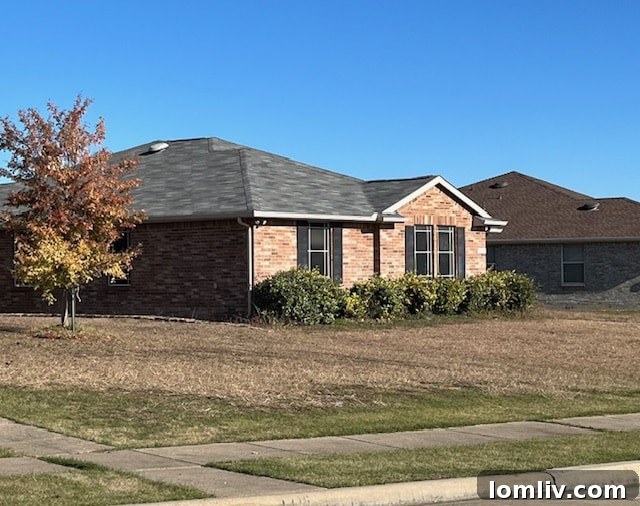
Finda Koroma’s personal account, shared with Christopher Connelly of KERA, vividly illustrates the devastating human cost of losing a home over a seemingly small sum. Her story resonates deeply, exposing not just an individual tragedy but also the broader narrative of unchecked HOA authority that can impact homeowners across Texas. Koroma had poured her life into her four-bedroom home, meticulously renovating it with the intention of selling it to finance her much-anticipated retirement. The foreclosure not only stripped her of her property but also shattered her future plans, leaving her in a precarious position after years of hard work and investment.
The aftermath of the foreclosure unfolded swiftly and brutally. Days after her story aired, Dallas businessman Charles Opore revealed on social media that Koroma’s home had been auctioned by The Hills at Tealwood HOA for a mere $82,000. Opore further detailed the financial breakdown: the original $3,500 debt was deducted, along with nearly $4,500 for legal and other expenses. This left Koroma with a paltry sum of under $74,000 – a shocking 22% of the estimated $340,000 market value on real estate platforms like Zillow and Redfin, and less than half of what she originally paid for the home in 2005. This represents a profound instance of equity theft, where a homeowner loses substantial wealth built over years due to a relatively minor outstanding balance. While daltxrealestate.com attempted to verify these specific auction details with Opore and reach out to Koroma, and an attorney for The Hills at Tealwood HOA, Jason Reed, did not respond to multiple interview requests, the documented pattern of such sales paints a grim picture for homeowners facing similar circumstances.
Understanding HOA Foreclosures: Legal, Ethical, and Financial Implications in Texas
Mark Melton starkly labels the HOA auction process as “robbery,” a term that aptly captures the sentiment of many who witness these events. “People come in at these auctions and buy the property well below fair market value,” he explained. “If you’ve got a house that’s worth $300,000, someone can buy it for 100 grand. If they would instead let you sell it and pay them, she would have gotten [what it’s worth]. It really is theft. It’s not illegal at all. It’s just absolutely horrible. HOA people are the worst.” This sentiment highlights a critical flaw in the current system: it prioritizes the HOA’s immediate recovery of a small debt over the homeowner’s long-term financial stability and equitable return on their investment.
The legal framework for HOA foreclosures in Texas is rooted in the Covenants, Conditions, and Restrictions (CC&Rs) that homeowners agree to when purchasing property within an HOA-governed community. These documents grant HOAs significant power, often including the ability to place a lien on a property for unpaid dues, fines, or assessments, and subsequently to foreclose on that lien. Unlike traditional mortgage foreclosures, which typically involve large sums of money, HOA foreclosures can be triggered by surprisingly small debts, often escalating rapidly due to accumulating late fees, interest, and exorbitant legal costs. This creates a disproportionate outcome where a minor financial oversight can lead to the loss of a major asset, devastating a homeowner’s built-up equity.
Melton argues that HOAs possess less destructive options that should be legally mandated. The most logical and equitable alternative, he suggests, is simply to file a lien against the property. “That’s an option, and that should be the law,” he asserts. A lien would secure the HOA’s debt, preventing the homeowner from selling or refinancing without satisfying the obligation. While this might “piss off your lender and causes you some problems,” as Melton puts it, it certainly wouldn’t strip a homeowner of hundreds of thousands of dollars in equity, allowing investors to snap up properties at bargain-basement prices. The current system, which enables HOAs to “steal hundreds of thousands of dollars from that person that goes into the pockets of an investor that got a sweetheart deal,” is, in Melton’s view, “just wrong.” This ethical quandary lies at the heart of the debate over HOA power and the protection of homeowner equity in Texas.
The Genesis of HOA Power in Texas: A Controversial Legislative Legacy
The extensive authority held by Homeowners Associations in Texas is not an accident but a product of specific legislative actions. Mark Melton points to former Texas Sen. John Carona (R-Dallas), who served from 1991 to 1996, as a key architect of these laws. “He passed all kinds of laws that gave HOAs enormous power,” Melton stated, highlighting a critical period where the legislative landscape shifted dramatically in favor of HOAs, granting them capabilities that few other entities possess.
Adding a layer of controversy to this legislative history, Carona is notably the president and CEO of Associa, a holding company that oversees one of the largest networks of HOA management companies across the United States. This direct connection between a legislator who championed laws empowering HOAs and his significant financial interest in the HOA management industry has naturally drawn criticism and raised questions about potential conflicts of interest. Reports have long suggested that Carona faced scrutiny for authoring, supporting, and modifying legislation that directly benefited his business ventures. This historical context is crucial for understanding how HOAs acquired such broad powers, allowing them to engage in practices that critics, like Melton, describe as predatory and, in cases like Koroma’s, devastating to homeowners.
Beyond Foreclosure: The Societal Impact and Regulatory Control of HOAs
While foreclosure represents the most severe manifestation of HOA power, these organizations also exert considerable influence over daily life within their communities, sometimes leading to accusations of discriminatory practices. In July, Texas lawmakers made a significant move to curb one form of this control by blocking HOAs from discriminating against low-income renters. This legislation specifically targeted an HOA in the North Texas town of Providence, which had attempted to prohibit homeowners from renting to Section 8 voucher-holders, a policy that disproportionately affected Black residents in the neighborhood. “It was clear that was their game, to kick all the Black people out of the neighborhood,” Melton observed, highlighting the often-subtle but potent ways HOAs can manipulate community demographics. He noted that while this was a positive step, it remains one of the few legislative victories in recent memory that genuinely protects homeowners and renters from HOA overreach.
The control exerted by HOAs extends to a myriad of aesthetic and structural details, often codified in their bylaws and enforced by architectural committees. Melton recounted another disturbing incident from several years ago in Grand Prairie, where an HOA allegedly told a homeowner they could not paint their house a pastel color because they didn’t want them “Mexicanizing the neighborhood.” This anecdote, while extreme, illustrates the potential for HOA rules to be used as tools for maintaining a particular, often racially or socio-economically homogenous, aesthetic. “If you look at the bylaws, there are all kinds of rules about construction, what kind of blinds you can put on your windows, how tall your fences you can be, whether you can put a shed in your backyard,” Melton elaborated. “You have to get approval from their architecture committee to make sure it is in line with the aesthetics of the neighborhood. It is a way to control who lives there and to make sure it continues to look like a white, suburban neighborhood.” This rigid control over property appearance and usage, while ostensibly aimed at maintaining property values and community standards, can often devolve into a mechanism for exclusion and discrimination, posing significant challenges to individual freedoms and community diversity.
Protecting Your Home: Navigating the Complex World of Texas HOAs
The tragic case of Finda Koroma and the insights from Mark Melton underscore the critical need for homeowners and prospective buyers to be acutely aware of the power and potential pitfalls of Homeowners Associations in Texas. While HOAs can offer benefits such as maintaining common areas and enforcing community standards, their unchecked authority, particularly regarding foreclosure for minor debts, poses a significant threat to individual property rights and financial security.
For current homeowners in HOA-governed communities, proactive engagement and knowledge are paramount. It is crucial to:
- Thoroughly Understand Your CC&Rs: Before buying, and regularly afterward, read and comprehend the Covenants, Conditions, and Restrictions. These are legally binding documents that outline your rights, responsibilities, and the HOA’s powers, including their ability to levy fines and foreclose. Ignorance of these rules is rarely a defense.
- Stay Current on Dues and Fines: Even small, overlooked debts can quickly escalate with late fees, interest, and exorbitant legal costs. Pay all HOA assessments and fines promptly. If you dispute a charge, do so in writing, provide clear evidence, and follow proper procedures for dispute resolution outlined in your CC&Rs or state law.
- Attend HOA Meetings: Be an active participant. Understand what decisions are being made, especially those related to budgets, special assessments, rule changes, and enforcement policies. Your presence and voice matter in shaping community governance.
- Document Everything: Keep detailed records of all communication with the HOA, including payment receipts, emails, letters, and meeting minutes. This comprehensive documentation can be vital in case of a dispute, providing a clear timeline and evidence.
- Seek Legal Counsel Early: If you find yourself in a dispute with your HOA, especially one involving a lien or threat of foreclosure, consult an attorney specializing in HOA law immediately. Do not wait for the situation to escalate, as early intervention can often prevent the most severe outcomes. Organizations like the Dallas Eviction Advocacy Center, while focused on renters, exemplify the kind of legal support that can be crucial.
There is also a growing call for legislative reform to bring greater balance and fairness to HOA laws in Texas and beyond. Proponents of reform argue for measures such as requiring HOAs to offer mediation or reasonable payment plans before initiating foreclosure, capping excessive legal fees, and mandating that properties be sold for fair market value, with any excess funds rightfully returned to the homeowner. The goal is to prevent the “equity theft” that often accompanies these foreclosures, ensuring that a homeowner’s entire life savings are not wiped out over a few thousand dollars.
Conclusion: Rebalancing Power and Protecting Texas Homeowners
The unsettling ordeal of Finda Koroma serves as a powerful testament to the urgent need for a re-evaluation of HOA powers in Texas. In a state that prides itself on robust property rights, the ability of an HOA to foreclose on a home over a relatively small debt, often resulting in devastating financial loss for the homeowner and windfall gains for investors, represents a profound imbalance. While HOAs play a vital role in maintaining community standards and property values, their current legal authority in Texas appears to tip the scales too far, often at the expense of individual homeowners’ equity and their fundamental right to housing and financial security.
The narrative is clear: without significant legislative intervention and increased homeowner vigilance, the tragic cycle of equity theft through HOA foreclosures will continue. It is imperative that lawmakers, advocacy groups, and homeowners unite to champion reforms that protect the most vulnerable, ensure proportionality in dispute resolution, and safeguard the significant investment that a home represents for countless Texans. The right to property should not be so easily undermined by bureaucratic overreach, especially when a lifetime of savings is at stake, urging a collective effort to build a more equitable and just system for all homeowners.