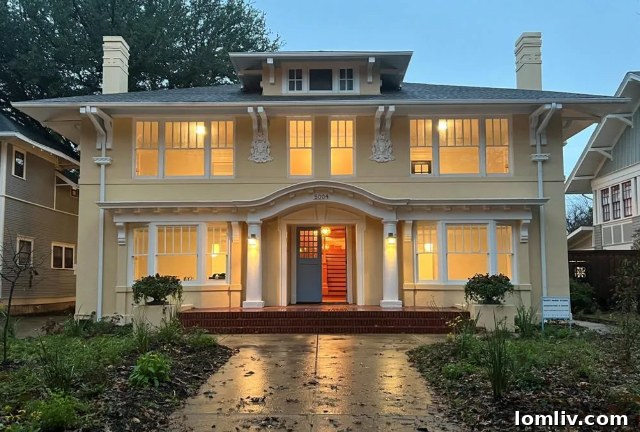
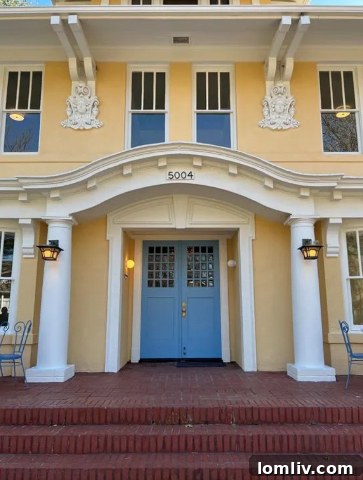
Nestled within the prestigious Munger Place historic neighborhood, this exquisite Spanish Mission Revival condo represents a truly unparalleled find in the dynamic Dallas real estate market. Originally constructed in 1910, this property was envisioned as a premier investment by the entrepreneurial T.A. Manning, a titan who founded Texas’ largest insurance entity, the Southwestern Fire and Casualty Co. Its very existence within Munger Place, a pioneering deed-restricted community, speaks volumes about its initial grandeur and enduring appeal. The building’s design, featuring soaring ceiling heights, robust construction with the highest quality materials, and a remarkable 18 Craftsman-style windows in each of its four units, ensured it stood out as a beacon of luxury from its inception. This commitment to quality and architectural integrity made it a rare gem in the early 20th century, a distinction it proudly maintains today.
The historical backdrop of Munger Place is as fascinating as the property itself. Developed in 1905 by the visionary cotton gin entrepreneurs, Robert S. Munger and his brother Collette, Munger Place holds the unique distinction of being the first deed-restricted neighborhood in the entire state of Texas. This pioneering approach was designed to protect property values and maintain a high standard of living, emphasizing single-family homes and specific architectural guidelines. Therefore, T.A. Manning’s success in constructing a multi-family building just a few years after these stringent restrictions were implemented highlights the exceptional nature of this project. It is widely believed that the Munger brothers were swayed by the property’s design as a luxury apartment complex, one that promised to uphold the architectural elegance and quality synonymous with their budding neighborhood. This early blend of foresight, design excellence, and strategic investment set the stage for a building that would not only survive but thrive through generations, becoming a cherished part of Dallas’s architectural heritage.

The real estate market has seen unprecedented shifts, particularly with the explosive growth witnessed in 2020. While the frenetic pace may have somewhat subsided, the market remains undeniably robust, especially for properties nestled in highly desirable, historic locales. Securing a property under $1 million in a storied neighborhood like Munger Place is increasingly becoming an exceptionally challenging endeavor. It demands not only keen insight but also a stroke of fortune to identify and acquire such a distinctive asset. These properties are not merely residences; they are fragments of history, offering a unique lifestyle steeped in character and tradition, making them highly sought after by discerning buyers who value both heritage and location.
When the rare chance to acquire this magnificent Spanish Mission Revival building arose, the fortunate buyer was Clint Murchison, a name deeply interwoven with Dallas’s historical fabric. This acquisition is particularly poignant, as the Murchison family’s roots in Dallas run nearly as deep as those of the pioneering Mungers themselves. It symbolizes a beautiful continuum, an almost ceremonial passing of the torch from one family devoted to cultivating beauty and architectural excellence to another driven by a profound commitment to its preservation. Clint Murchison’s vision extends beyond mere ownership; it embodies a dedication to safeguarding and revitalizing an irreplaceable piece of Dallas history, ensuring its architectural integrity and charm continue to enrich the Munger Place community for generations to come. This project stands as a testament to the power of thoughtful stewardship in an era where historic preservation is more vital than ever.
The Collective Effort: Preserving Dallas’ Historic Architectural Gems
The enduring African proverb, “It takes a village,” resonates profoundly when applied to the intricate art of historic real estate preservation. Much like raising a child, successfully reinvigorating a property within a historic neighborhood demands a collaborative symphony of expertise, passion, and dedicated effort. Without this “village” of skilled professionals, the delicate balance of honoring a building’s past while seamlessly integrating it into modern living becomes an almost insurmountable challenge. In Dallas, a city rich with architectural heritage, we are exceptionally fortunate to boast a wealth of resources and specialists who possess an unparalleled understanding of historic buildings. These experts know precisely how to shepherd these venerable structures into the 21st century with grace and respect, ensuring their legacy is preserved and celebrated.
The recent restoration of this Munger Place Spanish Mission Revival condo exemplifies such an extraordinary collaborative effort. Orchestrated by an exceptional team of professionals, this project was masterfully brought together by Clint Murchison’s listing agent, Pete Livingston, from Allie Beth Allman & Associates. Livingston is widely recognized as the preeminent Realtor for historic properties in Dallas, a reputation underscored by his receipt of a Preservation Dallas achievement award. This accolade was bestowed for his remarkable speculative restoration of a 1918 home at 3900 Mockingbird, a testament to his profound knowledge and unwavering commitment to preserving the city’s architectural treasures. His unparalleled depth of understanding regarding historic structures, combined with his extensive network of skilled artisans and restoration experts, was instrumental in guiding this complex project from vision to reality, ensuring that every detail reflected a deep reverence for the building’s original charm and historical significance.
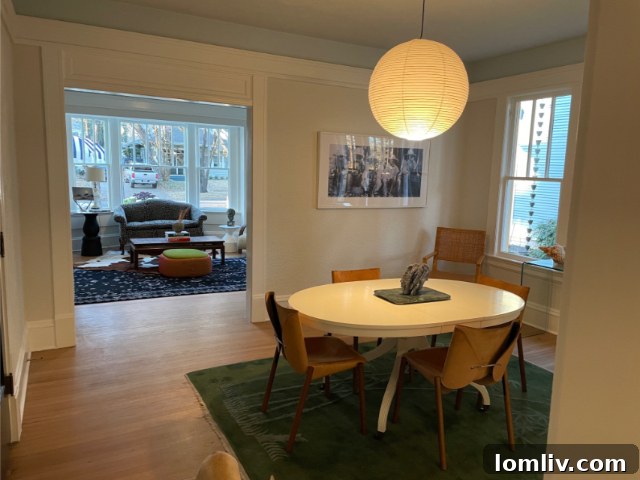
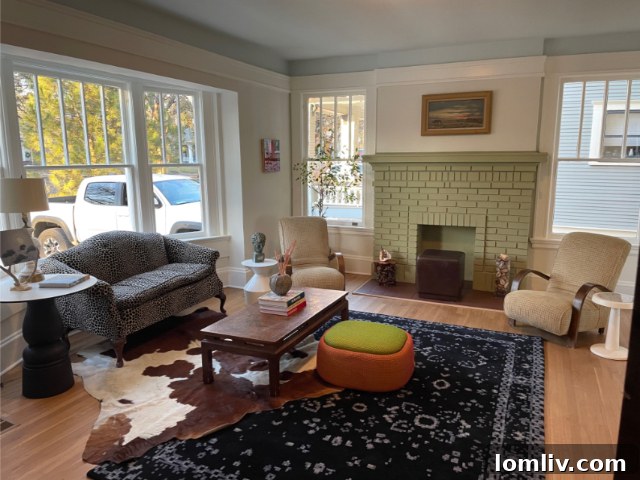
I’ve always been passionate about architecture and beauty in the built world. I’d walked down this block many times and had been thinking about the burgeoning housing market pricing people out. I had friends that could no longer afford single-family homes, so when this property became available, I decided to invest and offer people an option to get in on some equity. My key motivation, above all else, was to truly respect the building. I wanted to bring it back to life, not just superficially, but by meticulously maintaining its integrity and inherent beauty. It’s a sad reality that so many renovations, despite good intentions, often end up stripping away the very soul of the building.
Finding contractors who deeply understand how to work on these older, more delicate homes is incredibly challenging. It’s akin to restoring a vintage car; there’s a myriad of things that can go disastrously wrong if the people involved don’t possess specialized knowledge and a genuine respect for historical construction methods. I also had the immense pleasure of collaborating with my dear friend, Scott Parks. Together, our goal was to respect the rich history embedded in these walls, but simultaneously apply a contemporary artistry, finding that perfect, harmonious balance between the past and the present. We truly had a lot of fun experimenting with different colors and textures. The vibrant entry color, for instance, was entirely Scott’s brilliant vision. We go way back, and our aesthetic sensibilities are remarkably aligned, which made the creative process incredibly smooth and rewarding. I am immensely proud of the underlying quality and the undeniable beauty that we’ve managed to coax out of this property. The floorplan flows so effortlessly, and each unit is simply grand. Our deepest hope is that other people will appreciate the thoughtful dedication and painstaking effort we’ve poured into this project, creating not just homes, but living pieces of Dallas history.
Clint Murchison, Owner
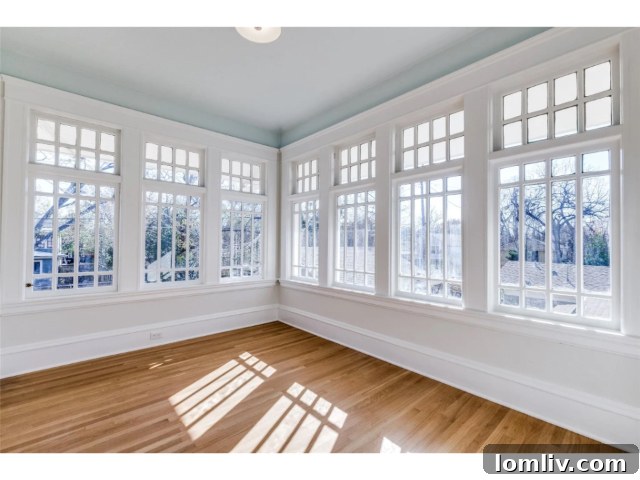
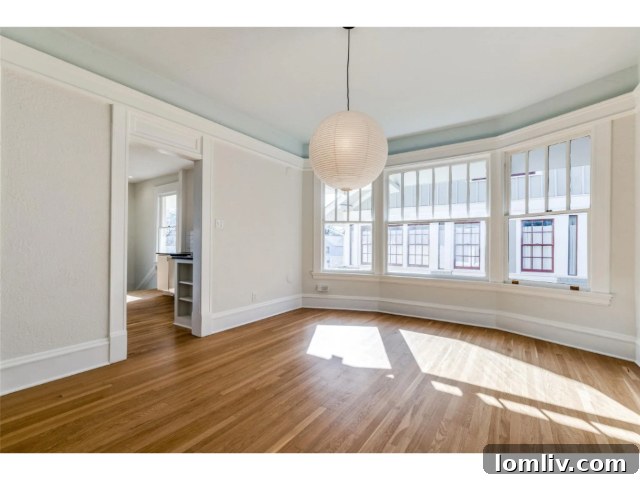
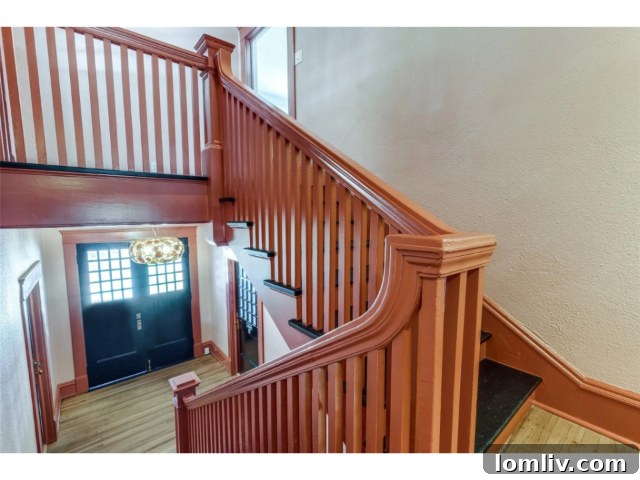
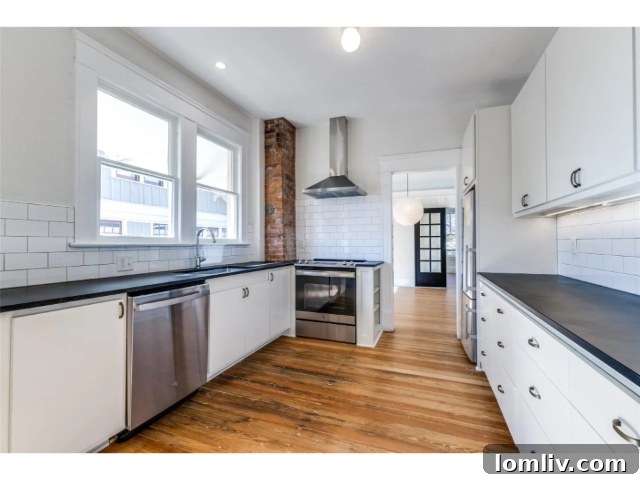
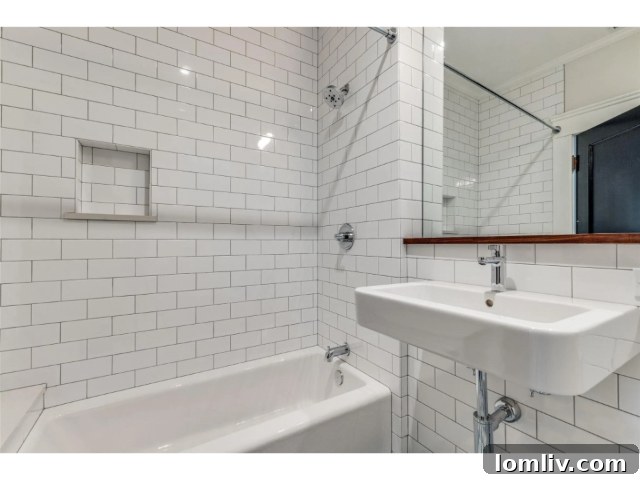
I developed an immediate fondness for the building the moment Clint introduced me to it. It possesses an undeniable charm and character that immediately spoke to me. We quickly formed a strong sense of what we wanted to achieve with the renovation. The unit layouts, despite previous neglect, were inherently beautiful and generously proportioned, so a significant part of our task involved envisioning beyond the unfortunate choices made by previous occupants. It truly takes time and a discerning eye to strip away the layers and get down to the very essence of a building, understanding what elements need to be meticulously brought back to life. We focused on adding a little more modern functionality to the kitchens, ensuring they met contemporary standards while respecting the historic aesthetic. The original floors are absolutely stunning and are an intrinsic part of the home’s storied history, so we made the deliberate decision not to alter them, choosing instead to restore their natural beauty. Personally, the back staircases emerged as one of my favorite elements of the entire project. I poured a tremendous amount of love and creative energy into that area, aiming to make it an exciting and welcoming passage. We also thoughtfully added stained glass to the side entry, a crucial touch given that residents typically park in the rear of the building, making this entry a key point of arrival.
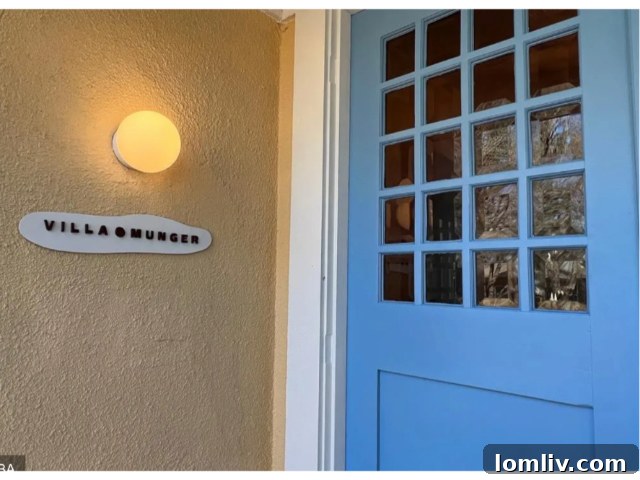
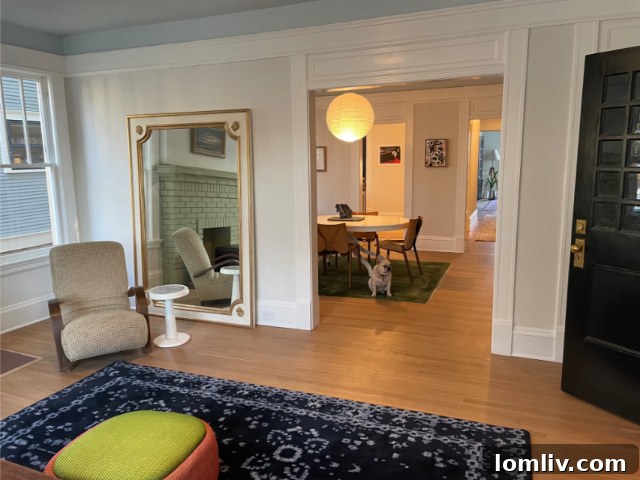
I often feel that some individuals involved in historic property renovations become overly cautious, almost afraid to embrace color. They tend to perceive these magnificent properties through a sepia-toned lens, imagining them only in muted historical hues. My vision, however, was to see this building, this historic neighborhood gem, in its full, vivid, and celebratory color. I aimed to create a delightful sense of contrast as one progresses through a unit, an unfolding narrative of color. The main entry door, for example, is a wonderfully vibrant blue, which then transitions into a rich, earthy pink terracotta that flows through the very heart of the building. In some ways, it evokes a primary color scheme, but these are distinctly interesting, sophisticated shades of primary colors, chosen to feel both timeless and contemporary. The overall effect is incredibly exciting, making you feel as though you’ve stepped into something truly different and profoundly special. We wanted the community that would naturally develop among the four units to be unique, infused with an exuberant and celebratory spirit. Clint had a clear objective to create something truly interesting and impactful, and I genuinely believe we accomplished that goal. Moreover, we were able to achieve this striking design on a sensible budget, which is a testament to careful planning and creative solutions. To have the opportunity to live on this historic street at this appealing price point is, without a doubt, a significant win for any homeowner.
Scott Parks, Scott Parks Studio
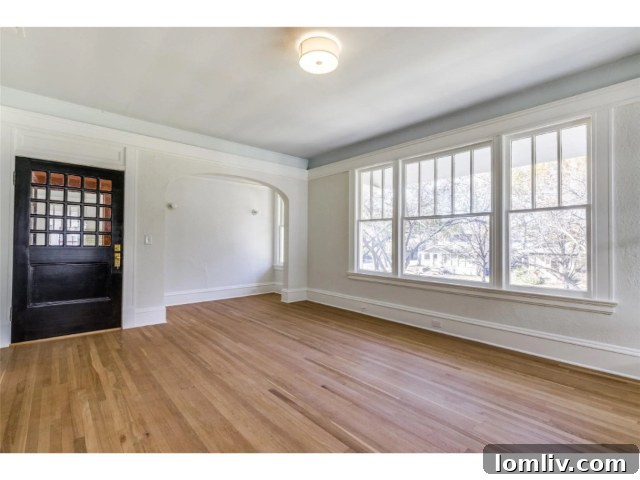
My journey into historic preservation began organically when I moved into this historic neighborhood back in 2012. My wife and I purchased a house on Victor Street that was in quite rough shape, which quickly became an intensive, hands-on masterclass in how to meticulously restore historic homes. This foundational experience sparked a deep passion, and now I specialize exclusively in renovating properties within historic districts, understanding the unique challenges and rewards they present. I was intimately familiar with this particular property even before Clint acquired it, as I had seriously considered purchasing it myself at one point. I knew, unequivocally, that the “bones” were exceptionally good. The masonry, characteristic of buildings from that era, offers incredible longevity and structural integrity, though it certainly presents a unique challenge during a remodel due to its robust nature. The structural components were, fortunately, in excellent condition, but the building’s underlying systems were, to put it mildly, lacking. Over the years, landlords had done the bare minimum to keep the plumbing and electrical up to code, resulting in antiquated systems that were inefficient and unsafe. Consequently, every single system, from the plumbing and electrical to the HVAC, had to be completely replaced and brought up to modern standards.
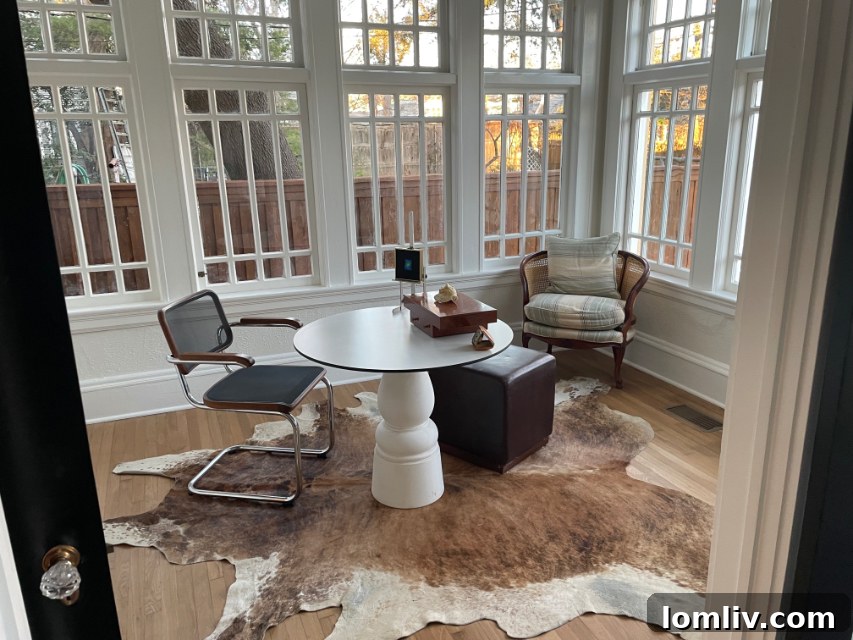
One of the most satisfying aspects of the renovation was the opportunity to restore the grandeur of the original design. We meticulously redid all the ducting and, with great care, took the ceilings back up to their original, impressive height, immediately restoring a sense of spaciousness and elegance. Fortunately, much of the original molding was still in remarkably good shape, requiring us only to strip, sand, and meticulously restore certain sections, rather than undertaking a complete replacement. This entire restoration project was a significant undertaking, consuming the better part of a year, filled with painstaking detail and dedicated craftsmanship. The outcome, however, is truly rewarding: these are now magnificent, grand units that perfectly blend historic charm with contemporary comfort and safety, ready to welcome a new generation of residents into the heart of this cherished Dallas historic neighborhood.
Travis Ripley, Ripley Renovations
Our collaboration with Clint Murchison began quite serendipitously. We had been working on a significant landscaping project in the nearby Belmont Addition, and Clint, who lived in the vicinity, struck up a conversation with me one day. It quickly became clear that he is remarkably eco-conscious, a quality we deeply appreciate at Native Gardeners. We consistently advocate for the integration of native landscaping to help restore local ecosystems, especially in neighborhoods that have become ecologically depleted over time. When he presented his Munger Place project to us, he expressed a desire for a fresh, innovative approach to the landscape design, one that pushed beyond conventional boundaries while still respecting the site’s historical context.
Working within historic districts presents unique challenges, as the strict rules apply not only to the buildings themselves but also to the landscaping. Securing a Certificate of Appropriateness is a mandatory step for any exterior modification, including plant choices. Of course, times change, and it’s essential for these rules to evolve and be updated to reflect contemporary, environmentally responsible landscaping practices. For instance, we proposed incorporating Mexican Plum ornamental trees. While these beautiful, native trees were not initially on the approved list, we are actively working to amend the regulations because they are indigenous to the region and perfectly complement the home’s historic aesthetic without overpowering its architecture. Similarly, we strategically planted Redbud trees in the back, ensuring that the ground-level units now have an attractive, natural vista rather than just facing a parking lot. Every plant choice, every design decision, was made with meticulous thought, aiming to create the right environment that would subtly enhance, rather than dominate, the exquisite architecture of this treasured property within a truly historic Dallas neighborhood.
Derek Carroll, Native Gardeners
The “village” involved in the meticulous restoration of this particular Munger Place Spanish Mission Revival condo was, in reality, far larger and more diverse than detailed here. However, the overarching message remains clear: when embarking on the intricate journey of preserving or renovating a historic home or building, the paramount importance lies in assembling the right team of dedicated and knowledgeable professionals. Equally crucial is the development of a comprehensive, forward-thinking plan, not merely for the immediate renovation, but for the enduring future stewardship of the property. Such foresight ensures that these architectural treasures continue to enrich communities for generations to come, embodying a seamless blend of past grandeur and modern functionality.
This meticulously restored Spanish Mission Revival building now offers four distinct one-bedroom, one-bath condos, each a masterpiece of historic preservation and modern comfort. Pete Livingston, the esteemed listing agent, has these exceptional units at 5004 Worth Street listed for $465,000 each. This presents an extraordinary and truly unprecedented opportunity for discerning buyers to acquire a piece of Dallas’s rich history, offering a chance to reside in a magnificently renovated condo within the highly coveted and vibrant Munger Place historic neighborhood. Such a convergence of historical significance, architectural beauty, and a prime location, all within this accessible price point, is a rarity in today’s market, making these units an irresistible proposition for those seeking a unique and enriching living experience.
Exclusive Open House: From noon to 5 p.m. Thursday, January 12th – Discover the elegance and charm firsthand.