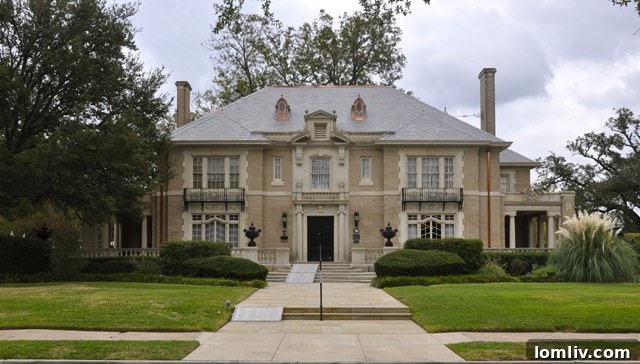
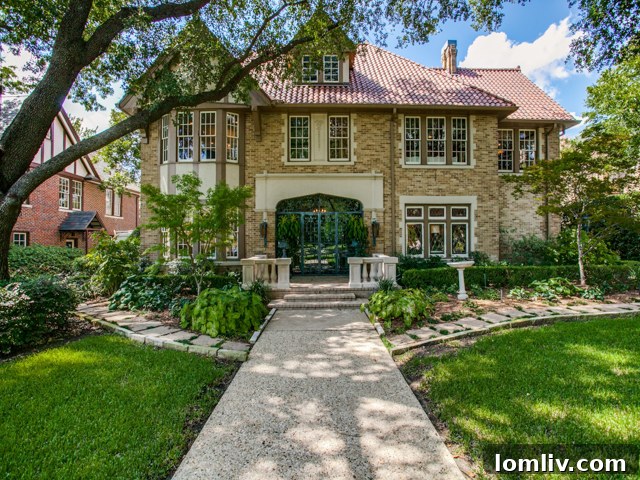
In the tapestry of life, certainties are few and far between. The old adage reminds us that only death and taxes are truly inescapable. Yet, while taxes are an undeniable part of our civic duty, their application is rarely perceived as perfectly equitable. This stark reality becomes particularly pronounced when we examine the delicate balance between property valuations and the unique challenges faced by owners of historic properties, especially within designated historic districts. These cherished homes, testaments to a bygone era, often come with stringent preservation requirements and substantial upkeep costs, creating a financial paradox for those dedicated to their longevity. Fortunately, a beacon of hope has emerged in the Texas House, with the introduction of a new bill specifically designed to address these inequities and empower historic property owners to continue their vital work of preservation.
This legislative effort recognizes the immense cultural and economic value that historic districts bring to our communities. These areas are not just collections of old buildings; they are living museums, attracting tourists, inspiring filmmakers, and fostering a strong sense of community identity. However, the current property tax appraisal system often fails to account for the unique restrictions and responsibilities that come with owning a piece of history. This oversight places an undue burden on homeowners, threatening the very existence of these invaluable cultural assets. The proposed bill seeks to rectify this imbalance, ensuring that the act of preserving our heritage is not met with punitive financial consequences, but rather with a fair and understanding assessment.
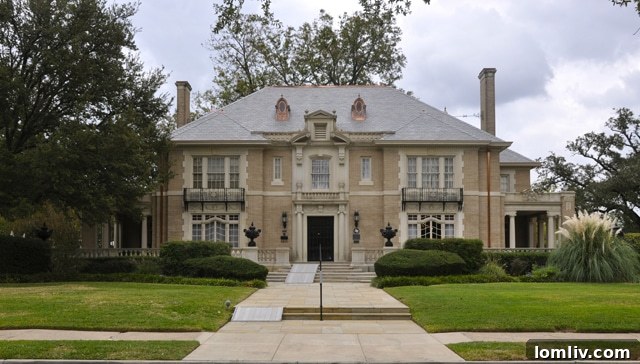
Understanding Property Appraisals: A Complex Equation
The system of property appraisal often feels like a classic Catch-22, particularly for those in historic districts. The Dallas Central Appraisal District (DCAD), like its counterparts across Texas, is tasked with the critical responsibility of evaluating land and home values to facilitate property tax collection. This mandate extends on behalf of the 61 local governing bodies within Dallas County, making DCAD a significant political subdivision of the State of Texas. Their stated mission is clear:
Dallas Central Appraisal District (DCAD) is responsible for appraising property for the purpose of ad valorem property tax assessment on behalf of the 61 local governing bodies in Dallas County. The appraisal district is a political subdivision of the State of Texas. Our duties include establishing and maintaining accurate property values for all real and business personal property. The Texas Property Tax Code is the primary source of law and guidance for the Texas property tax system.
The crux of the matter lies in that pivotal word: “accurate.” While the intention is undoubtedly to achieve fairness, the interpretation of “accuracy” within the framework of property valuation is often left open to broad and, at times, inconsistent interpretations. For historic homes, this interpretation frequently deviates from common sense and logical considerations, leading to assessments that feel anything but fair. The current system struggles to reconcile market-driven valuations with the inherent limitations and protective covenants placed upon historically significant properties. This disconnect forms the very foundation of the challenges faced by preservation-minded homeowners, who find themselves caught between their dedication to heritage and an appraisal system that doesn’t fully acknowledge their unique circumstances.
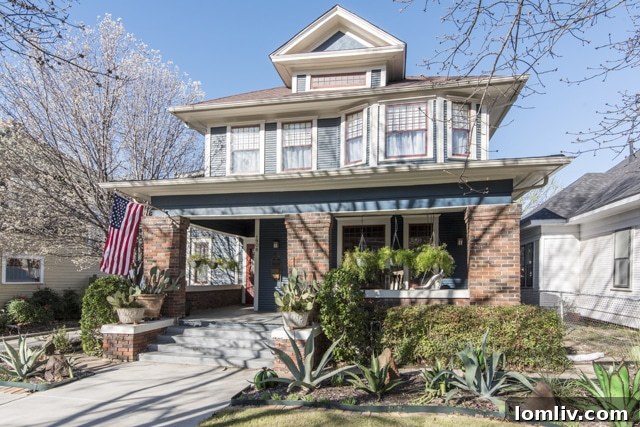
Beyond their aesthetic appeal, historic districts are undeniable economic engines. They possess an inherent charm and character that attracts both cultural and commercial interest. For instance, Dallas has become a sought-after location for major motion pictures and television shows, precisely because of its magnificent historic buildings and homes. Blockbusters like Oliver Stone’s “JFK” or popular series such as “Queen of the South” don’t just use these locations as backdrops; they infuse significant capital into the local economy, from production costs to local employment and hospitality services. This cultural recognition translates directly into tangible economic benefits for the city, underscoring the value of maintaining these unique architectural treasures.
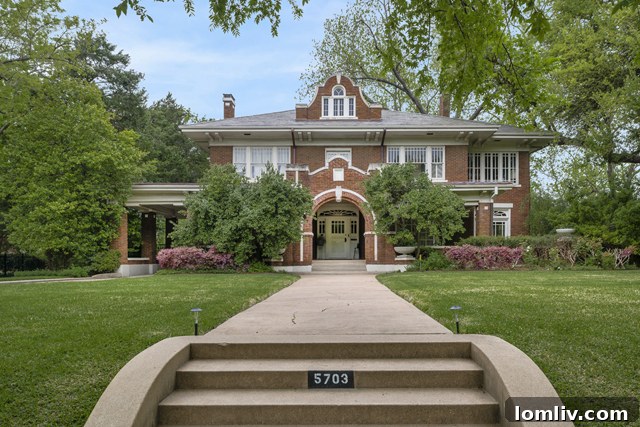
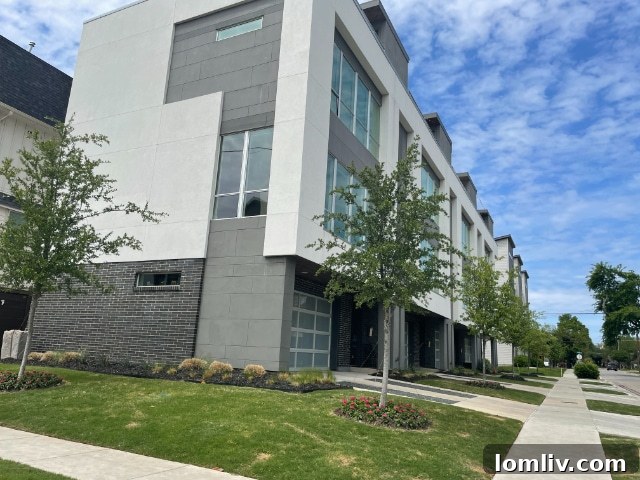
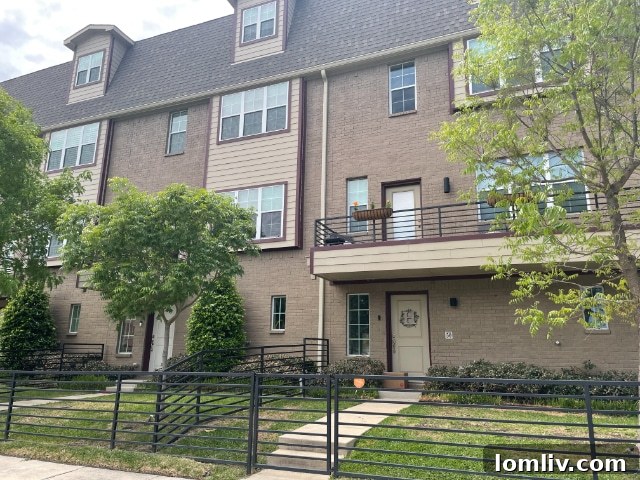
The economic impact extends to real estate development as well. Developers are keenly aware of the appeal of historic districts, often choosing to build modern multi-family residences in close proximity. The “cachet” of living near a neighborhood rich with beautiful, turn-of-the-century homes is a powerful draw for potential buyers and renters, offering an unmatched sense of history and community. Drive along Bryan Parkway towards Live Oak, and you’ll witness multi-family complexes sprawling towards downtown, strategically positioned to leverage this proximity. Residents in these new developments enjoy the beauty and charm of a historic district – perhaps using Swiss Avenue for their morning jog or dog walk – without bearing the financial responsibilities, the rigorous upkeep, or the strict rules that come with owning a historic home itself. This symbiotic, yet often unbalanced, relationship highlights how new development benefits from historic preservation without adequately contributing to its sustainability through a fairer tax system.
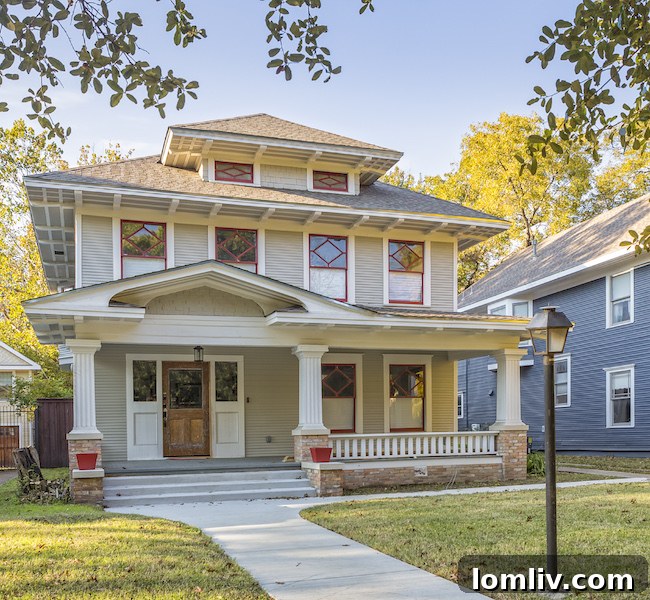
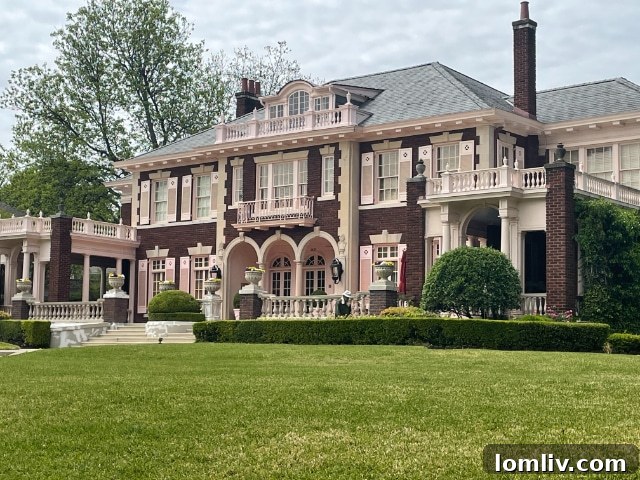
It truly takes a unique blend of passion and tenacity to commit to owning a historic home. As someone who resides in a conservation district within a 1920s-era house, I can attest to the profound dedication required. This commitment extends beyond mere ownership; it demands a deep appreciation for history, a willingness to embrace continuous maintenance, and a solemn promise to adhere to often stringent and sometimes frustrating rules dictating what can and cannot be done to one’s property. These regulations, though essential for preserving architectural integrity, can be financially demanding and require a significant investment of time and resources. Despite these formidable challenges, Dallas is fortunate to boast a community of dedicated homeowners who not only meet these demands but thrive, fostering vibrant historic districts that are the envy of many cities. These individuals pour their hearts, souls, and considerable financial resources into maintaining these architectural gems, ensuring they remain in such pristine condition that thousands line up annually for neighborhood home tours.
Given this extraordinary commitment, the question then arises: why does DCAD, the very entity responsible for fair assessment, appear to penalize these dedicated individuals? Why are those who contribute so much to the city’s heritage and economic appeal subjected to an appraisal system that often inflates their property values without accounting for the inherent restrictions and costs? This paradox is a source of constant frustration for historic homeowners. To gain further insight, I reached out to neighbors deeply entrenched in this issue. Jim Anderson, a resident of the Peaks Suburban Addition and a former urban planner and preservation officer for the City of Dallas for 26 years, painted a stark picture of the current situation.
“We are being hit very hard,” Anderson reported, detailing the severe financial strain. “Our land values have tripled and sometimes quadrupled within a relatively short period. We consistently inform DCAD that our area is zoned single-family and that two-thirds of our neighborhood falls within a designated historic district. However, their assessments seem to disregard these crucial distinctions. They observe the proliferation of townhome developments surrounding our neighborhood and erroneously assume that similar high-density development is eventually possible here. This assumption is fundamentally incorrect. We are explicitly zoned as a historic district, meaning we cannot tear down our homes to build multi-family units. Even in the unfortunate event of a fire, we would only be permitted to rebuild a single-family home. This fundamental mismatch between perceived development potential and actual zoning restrictions lies at the heart of the unfair valuations.”
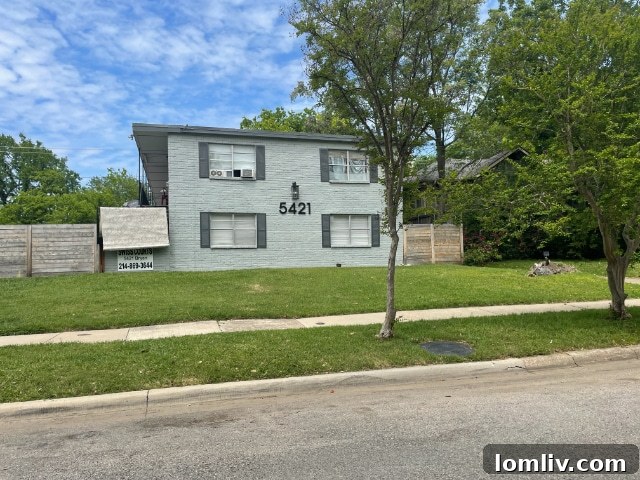
Another glaring inconsistency arises concerning adjoining properties. Counterintuitively, the presence of a homeless encampment directly across the street from a historic neighborhood often has no discernible impact on the assessed value of properties within that district. This stark contrast highlights the selective application of factors influencing appraisals. “We are told that adjoining property characteristics and what stands on them are not taken into account,” Anderson stated. “However, you can be absolutely certain that if a large, expensive, newly constructed house goes up nearby, our assessed values will invariably increase. This creates an unfair double standard. For example, we own a vacant lot that is clearly zoned single-family, and our intention is to build a single-family house there. Yet, DCAD is currently assessing that lot with the same land value as a fourplex. This type of valuation is not only nonsensical but actively undermines the zoning and preservation efforts of the community.” This situation, while seemingly illogical and far from fair, remains legal under current state statutes. For now, historic homeowners must contend with an appraisal system that appears to disregard critical local zoning and the real-world implications of their preservation efforts.
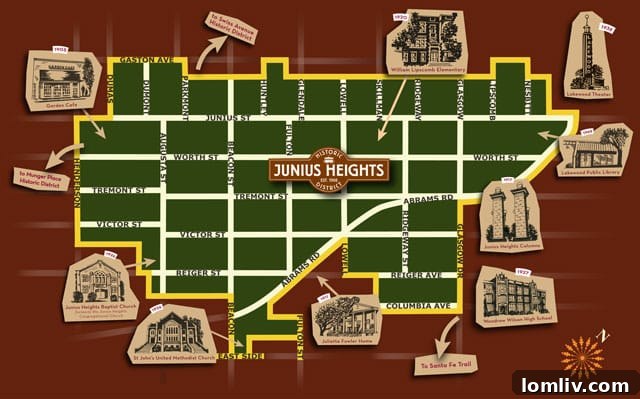
The Plight of Historic Neighborhoods: A Hostage Situation
It’s becoming increasingly clear that historic neighborhoods across Texas are effectively being held hostage by an outdated and unresponsive appraisal system. This feels akin to the state inadvertently “biting the hand that feeds” the very development and cultural vibrancy it seeks to encourage in its cities. What is the ultimate goal of such a system? Is the unspoken intention to transform historic districts into exclusive enclaves, accessible only to the uber-wealthy? This outcome, ironically, would likely lead to their demise as true historic communities. The reality is that the ultra-rich often shy away from the unique burdens of historic homeownership – the strict rules, the constant upkeep, and the financial commitment to preservation over profit. As previously noted, it takes a truly special individual to embrace these responsibilities, and Dallas is profoundly fortunate to have such dedicated citizens who rise to the challenge. Punishing these individuals through disproportionate taxation jeopardizes the very fabric of these irreplaceable areas.
Brian Schultz, the esteemed president of the Swiss Avenue Historic District, further emphasized the unique urban context of these preservation efforts. He reminded me that, in most major cities, historic districts are typically situated within urban cores. This urban placement often means they are surrounded by evolving landscapes, including modern commercial and multi-family residential developments. The clash between these dynamic surroundings and the static, protected nature of historic homes creates an inherent tension in the appraisal process. The value of the land in an urban setting often reflects its “highest and best use” for new, dense development, a potential that is expressly forbidden for properties within historic districts. This fundamental difference is consistently overlooked by current appraisal methodologies, leading to inflated land values that do not reflect the actual, restricted use of the property. The current system thereby fails to distinguish between potential speculative value and the real, preservation-oriented value of a historic parcel.
Revitalized, But Penalized: The Irony of Success
The irony for owners of historic homes is palpable: their diligent efforts have been remarkably effective in revitalizing these neighborhoods, transforming them into highly desirable and picturesque areas. These beautifully preserved districts, in turn, serve as an attractive backdrop for developers to purchase and build adjacent properties, benefiting immensely from the established charm and character without sharing the same burdens of preservation. Yet, despite being catalysts for community enhancement and economic growth, these homeowners often find themselves penalized by the very system designed to assess property value. The core of this issue, as Brian Schultz articulately explains, is that “The appraisal districts are not instructed to take into consideration overlays.” He clarifies further: “If you have a historic designation on a home there are tax considerations and obligations, but if you are not a historic monument, like the Aldredge house, the tax is punitive, but the county is following the law.”
And therein lies the fundamental dilemma: a glaring disconnect between city-level preservation overlays and state-mandated appraisal laws. The city’s efforts to protect and celebrate its historical assets through specific zoning and overlay districts currently have absolutely no bearing on the valuation process conducted under state law. This understanding is crucial, as it redirects the blame from entities like DCAD. Their hands are effectively tied; they are merely enforcing the law as it stands, rather than acting with malice. The problem is systemic, embedded within the broader legislative framework that governs property taxation in Texas. This makes the call for state-level legislative reform not just a plea for fairness, but a practical necessity to align appraisal practices with the actual restrictions and public benefits of historic preservation. Without such an alignment, the dedicated work of historic homeowners, and the cultural richness they provide, will continue to be undervalued and overtaxed.
Joanna Hampton, another dedicated homeowner in the Swiss Avenue Historic District, further elaborated on DCAD’s operational limitations. “DCAD does not have the tools to solve the issue,” she confirmed. “In our case, because we are simply a historic city overlay, there is no existing mechanism within state law for them to consider the specific valuation issues tied to our preservation restrictions. DCAD understands the inherent problem; they simply lack the legal authority to adjust appraisals based on these unique circumstances. As they evaluate and see the general market values rising in surrounding areas, they are legally compelled to assess the land in historic districts at comparable rates, irrespective of the zoning limitations. And that is precisely the challenge.” This problematic trend shows no signs of abating, continuing to place immense pressure on homeowners.
The consequences for long-term residents are particularly severe. “Homeowners may have been here 20 or 30 years but don’t qualify yet for a tax freeze, which typically comes later in life,” Hampton added. “They now find themselves faced with an impossible choice: either dedicate their limited resources to meticulously maintaining their historic home to meet preservation standards or allocate those funds solely to paying ever-increasing property taxes. It’s becoming impossible to do both effectively. This untenable situation makes it abundantly clear that we have to have an amendment to state law to provide a viable solution.” This mounting pressure highlights the urgency of legislative action to protect not just historic structures, but also the long-standing communities that nurture them, preventing the displacement of dedicated stewards of history who are being priced out of their own homes. The financial squeeze threatens the very future of these irreplaceable neighborhoods.
It is with great optimism and relief that I can report significant progress on this front: House Bill 3971 is actively in the works and gaining crucial momentum. This legislative initiative represents a beacon of hope for historic homeowners across Texas, promising a systemic solution to the appraisal inequities that have long plagued these communities. The bill’s advancement is a testament to the dedicated advocacy efforts of countless individuals and organizations committed to preserving Texas’s rich heritage.
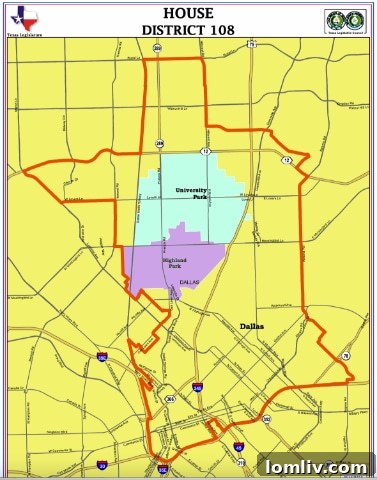
David Preziosi, the Executive Director of Preservation Dallas, provided crucial details about the bill’s journey: “The bill was meticulously authored and filed by Representative Morgan Meyer, who represents District 108. This is a significantly large area that encompasses several vital historic districts within East Dallas, making Representative Meyer uniquely attuned to the concerns of historic homeowners. Importantly, Representative Meyer chairs the House Ways & Means committee, a strategic position that proved instrumental. The bill was heard favorably this past Monday at the committee hearing, a significant hurdle overcome in the legislative process.” This positive reception underscores the growing recognition among lawmakers of the pressing need for appraisal reform that supports historic preservation.
Representative Meyer himself eloquently articulated the rationale behind House Bill 3971:
“I filed House Bill 3971 to address an issue raised by constituents that I represent who live in the Swiss Avenue Historic District in Dallas. Historic districts oftentimes have various restrictions and covenants that don’t allow property owners to make improvements to their land and structures. Appraisal Districts do not always take into consideration these restrictions and the result is inaccurate appraisals for these types of properties. H.B. 3971 will ensure that appraisals more accurately reflect the value of these historic properties by instructing appraisal districts must take into consideration the effect of restrictions place by the historic districts on the property owner’s ability to alter, improve, or repair the property. It’s important to pass this bill to ensure that owners of these historic properties are assessed fairly and able to preserve our rich Texas history and attract further investment to preserve and restore many of our historic districts.”
State Rep. Morgan Meyer (R-108)
The journey to this point has been neither easy nor swift; it has been a testament to collaborative effort and sustained advocacy. It truly took a dedicated village – a coalition of wonderfully eclectic individuals who willingly shoulder the immense responsibility of owning and caring for a historic home. When such a passionate community mobilizes, it generates undeniable traction and influence. Despite the current absence of a companion bill in the Texas Senate, the broad support and compelling arguments for HB 3971 strongly suggest that a forward-thinking Senator will recognize the profound importance of this legislation. The bill’s passage is not merely about tax relief; it is about securing the future of Texas’s invaluable historical assets, ensuring that future generations can continue to appreciate and learn from these architectural masterpieces. It is about fostering a sustainable environment where preservation is celebrated, not penalized, and where the economic benefits of vibrant historic districts are fully realized, encouraging ongoing investment and meticulous restoration efforts for many years to come.