Fort Worth’s “Stealth Dorms”: Navigating Neighborhood Preservation, Student Housing, and Zoning Reforms Near TCU
In the vibrant heart of Fort Worth, a spirited debate is unfolding, pitting neighborhood preservation against the dynamics of urban development and student housing demands. The area surrounding Texas Christian University (TCU) has become a focal point for this conflict, where a growing trend of “stealth dorms”—large, zero-lot-line homes specifically designed and rented to multiple unrelated college students—is transforming the character of historic residential areas. This contentious issue has sparked residents to propose a significant zoning overlay, aiming to limit the number of unrelated adult residents in single-family homes, a move that is met with fierce opposition from property investors who argue it undermines established property rights and investment. The story, originally highlighted by the Fort Worth Star-Telegram, shines a light on a complex urban planning challenge faced by many college towns across the nation.
The Rise of “Stealth Dorms” and Their Impact on TCU Neighborhoods
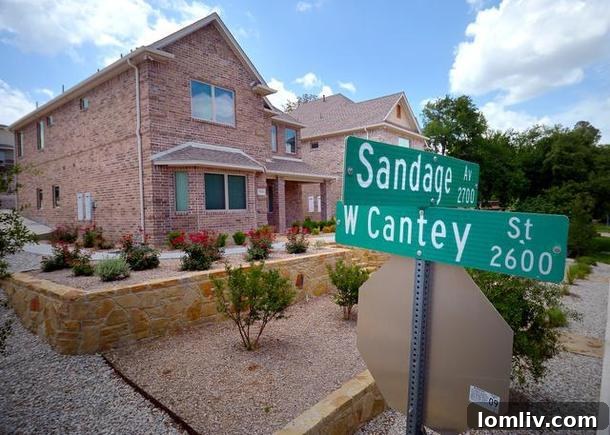
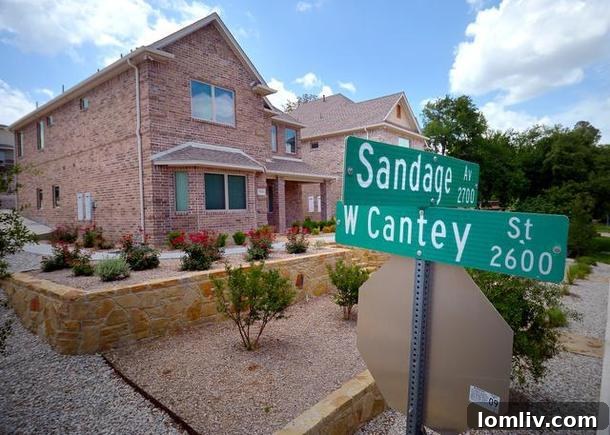
The term “stealth dorms” perfectly encapsulates the core of the issue. These are not traditional student housing complexes, but rather large residential structures, often built on compact “zero-lot-line” parcels. This means the building itself extends right up to the property line, maximizing the use of land but often at the expense of privacy or traditional yard space. These properties typically feature four or five bedrooms, making them ideal for investors seeking to maximize rental income by accommodating multiple college students. While ostensibly single-family homes, their design and occupancy patterns often mirror that of purpose-built student housing, but without the corresponding regulations or infrastructure typically associated with such developments. The proliferation of these homes has been particularly noticeable in districts immediately surrounding TCU, including areas like Frisco Heights, University Place, and Berkeley Place, among others.
For residents, the impact of this trend extends far beyond aesthetics. The concerns are practical and deeply rooted in the daily quality of life within these established communities. Increased noise levels, often associated with student gatherings, become a constant source of tension. The accumulation of trash and recycling, exceeding the capacity of standard residential services, can detract from neighborhood cleanliness and appeal. Furthermore, the sheer volume of vehicles associated with multiple residents in a single dwelling puts immense pressure on street parking and contributes to traffic congestion, disrupting the quiet residential rhythm that defines these areas. These cumulative effects threaten to erode the historic integrity and family-friendly atmosphere that long-term residents cherish, raising questions about sustainable urban development in university corridors.
Residents’ Call for Action: The Proposed Zoning Overlay
In response to these mounting concerns, a coalition of neighborhood associations and residents has rallied behind a proposed zoning overlay. This regulatory tool is designed to impose stricter rules on the number of unrelated adults permitted to co-habit in a single-family home within designated areas. Specifically, the proposal aims to reduce the limit from the current five unrelated adults to just three. This change is not arbitrary; it’s a strategic effort to realign the occupancy patterns of these properties with the intended use of single-family residential zones, thereby mitigating the negative externalities associated with higher-density student living.
The motivation behind the overlay is multifaceted. Beyond the immediate issues of noise, traffic, and trash, residents are deeply committed to preserving the historic integrity and architectural heritage of their neighborhoods. Many of these areas boast homes with decades of history, contributing to the unique cultural fabric of Fort Worth. The replacement of smaller, older homes with large, often generic “stealth dorms” is seen as a direct threat to this heritage, transforming tree-lined streets into dense rental corridors. As Greg Jackson, president of the Berkeley Place Association, articulates, area residents are “overwhelmingly in support of the overlay” to protect this integrity. He further emphasizes the fear that “as the university grows and as there are less options for housing, that either more of the existing homes within our neighborhood would start to be leased to students or have a situation where an older home is torn down and one of these stealth dorms built it their place.” This sentiment underscores a broader anxiety about uncontrolled growth and its potential to irrevocably alter cherished community landscapes.
The Investor Perspective: A Battle Over Trust and Investment
While residents view the proposed overlay as a necessary measure for self-preservation, property investors see it as a retroactive and punitive policy change that undermines their legitimate business operations and significant financial commitments. Many of these investors purchased land and constructed homes entirely within the bounds of existing city zoning regulations and ordinances. Their argument is straightforward: they followed the rules as they were written, making substantial investments based on those parameters. A sudden change in policy, particularly one that does not “grandfather in” existing properties, feels like a betrayal of trust and an unfair financial burden.
“We did it how they said to do it,” stated Kyle O’Keefe, an investor and resident in the overlay area. “If they go back and change it, that is a break of trust. That is saying, ‘Hey, you guys come in and invest in our city make it a great city and then we are going to screw the hell out of you in a couple of years.”
This strong statement reflects the palpable frustration among investors, who are now pooling resources and preparing for a potential legal battle. They contend that such policy shifts create an unstable regulatory environment, discouraging future investment and potentially harming the city’s economic vitality. The question for them is one of fairness and predictability in governance. If the city can change the rules mid-game, what assurance do investors have that any future development will be secure? This conflict highlights the delicate balance city councils must strike between responding to community concerns and maintaining a predictable, equitable environment for property owners and developers.
Community Voices: Preserving Fort Worth’s Unique Charm
The narrative of Fort Worth’s “stealth dorm” dilemma is deeply personal for many long-term residents. Their homes are not just properties; they are anchors in communities where families have grown, traditions have been built, and a distinct sense of place has evolved over decades. The rapid transformation brought by the large rental homes feels like an invasion of this cherished tranquility.
Tim Latta, a resident whose single-story 1950s home now stands beside a towering two-story, five-bedroom structure, poignantly describes her view: “That is not really a single-family house,” she observed, “that is a dormitory.”
Her observation underscores a fundamental disconnect between the legal definition of a “single-family home” and its practical application in these transformed neighborhoods. The sheer scale and design of these new constructions often dwarf older, more modest residences, altering the visual character and light access of adjacent properties. The problem isn’t just theoretical; it’s a daily lived experience for residents in areas such as Frisco Heights, where an alarming 66 residential demolitions have been approved since 2004, often making way for these larger, investor-driven structures. This trend represents a systemic shift from owner-occupied, community-oriented housing to transient, higher-density rentals, challenging the very essence of what these neighborhoods were designed to be.
The affected areas are extensive, encompassing a significant swath of Fort Worth’s beloved neighborhoods surrounding TCU. These include Frisco Heights, University Place, Paschal, Bluebonnet Place, Bluebonnet Hills, West-cliff, Westcliff Village, Colonial Hills, Tanglewood, University West, Park Hill, and Berkeley Place. Each of these communities possesses a unique identity and historical significance that residents are fiercely dedicated to protecting from what they perceive as uncontrolled commercialization.
The Role of Urban Planning and Policy: Navigating Growth and Preservation
This complex situation places Fort Worth city officials in a challenging position, tasked with balancing the needs of a growing university, the rights of property owners, and the desire of established communities to preserve their character. Mayor Pro Tem W.B. “Zim” Zimmerman, whose City Council District 3 encompasses part of the TCU area, acknowledges the gravity of the situation: “We have to try and maintain the integrity of our single-family areas. We have to try and see if there is a solution.”
The dilemma is a common one for rapidly expanding urban centers and university towns. Universities are economic engines, attracting students, faculty, and research, but their growth inevitably puts pressure on local housing markets. When on-campus housing cannot keep pace with demand, the spillover into adjacent residential neighborhoods is a natural consequence. Without proactive urban planning strategies, this spillover can lead to unintended consequences, such as the rise of “stealth dorms” and subsequent neighborhood blight.
Effective urban planning aims to create sustainable communities that accommodate growth while protecting existing assets. In this context, a zoning overlay is indeed considered a viable and often necessary tool to refine existing zoning regulations for specific areas. It allows for a more nuanced approach than city-wide zoning changes, targeting particular issues within defined boundaries. The challenge lies in crafting such policies in a way that is equitable, forward-looking, and considers all stakeholders.
The Grandfather Clause Debate: Seeking a Fair Compromise
One of the most contentious aspects of the proposed overlay is the absence of a “grandfather clause” in its initial version. A grandfather clause would exempt existing properties and investments from the new regulations, applying the stricter rules only to future developments. While some city officials suggest only a few homeowners are open to grandfathering, the Fort Worth Star-Telegram editorial board has strongly advocated for its inclusion, recognizing the legitimate concerns of investors.
The editorial board stated, “It has its difficulties. Primarily, developers who have bought properties in the area with plans to build on them have made investments that are entirely within current city zoning and other ordinances. They can’t be punished by a mid-stream policy change. The best thing the city can do is make the change as quickly as possible to prevent further damage, including a grandfather clause where investments have already been made.”
The inclusion of a grandfather clause represents a potential compromise, acknowledging the principle of “vested rights”—the idea that an investor who has legally committed resources under existing laws should not be retroactively penalized by new legislation. While it might slow the immediate impact of the overlay on existing “stealth dorms,” it would provide regulatory predictability for investors and demonstrate a commitment to fair governance. This approach could alleviate some of the legal challenges anticipated from developers, potentially streamlining the implementation of the new regulations for future builds, and allowing a phased transition towards the desired neighborhood character.
Looking Ahead: The Future of Fort Worth’s Neighborhoods
The debate surrounding “stealth dorms” in Fort Worth is more than just a local zoning dispute; it’s a microcosm of broader challenges facing rapidly growing cities across the United States. It forces a critical examination of how communities can grow sustainably, balance economic development with quality of life, and protect their unique identities in the face of evolving urban pressures. The resolution of this issue in Fort Worth will set an important precedent, not only for the future of TCU-adjacent neighborhoods but potentially for other areas grappling with similar dilemmas.
Whether the proposed overlay passes with or without a grandfather clause, its outcome will undoubtedly reshape the landscape and social fabric of these communities for years to come. It underscores the vital role of civic engagement, where residents actively participate in shaping their urban environment, and the complexities faced by municipal governments in mediating between diverse and often conflicting interests. The ongoing dialogue between developers seeking investment opportunities and residents striving to preserve their cherished homes and neighborhoods is a testament to the dynamic nature of urban living and the continuous need for adaptive and equitable policy solutions.