Uptown Dallas: Hilton’s Strategic Expansion in a Thriving Urban Core
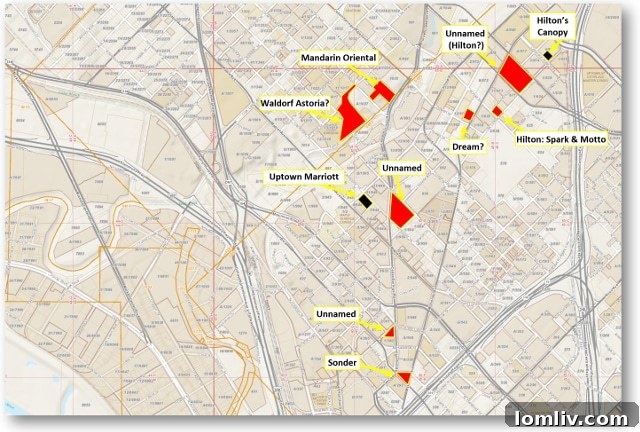
Uptown Dallas is unequivocally establishing itself as a premier destination, drawing significant interest from major hospitality players. Among them, Hilton Worldwide stands out, demonstrating an aggressive expansion strategy within this coveted urban enclave. With three identified hotel projects already underway and two more highly anticipated — including whispers of a luxurious Waldorf Astoria — Hilton is poised to dominate Uptown’s evolving skyline and hospitality landscape.
The burgeoning development in Uptown is hard to ignore, with approximately ten hotel projects currently navigating various stages of development. Of these, four are awaiting brand announcements, while two are actively under construction, such as the Uptown Marriott, or already welcoming guests, like Hilton’s own Canopy by Hilton. Recent months have brought exciting flag announcements, including the elegant Mandarin Oriental and Hilton’s innovative Spark and Motto brands. Even the long-discussed Dream Hotel project, initially slated to break ground years ago, continues to be a topic of conversation, highlighting the dynamic nature of development in this high-demand district.
For years, many have harbored hopes for a Four Seasons establishment closer to Downtown Dallas, though existing agreements for their Irving property reportedly present a significant hurdle. However, the future remains bright with potential entries from other ultra-luxury brands such as Peninsula, Shangri-la, or Raffles, keeping luxury travelers and residents alike in suspense.
A conservative estimate suggests that Uptown is on track to add between 1,600 and 1,800 new hotel rooms, alongside an impressive 120-plus luxury condominiums. This substantial influx of accommodations underscores the district’s rapid growth and its magnetic appeal. What’s clear is that a significant portion of this growth will be spearheaded by Hilton, solidifying its position as a dominant force in Uptown’s hospitality sector.
Hilton’s Deep Roots and Strategic Vision in Texas
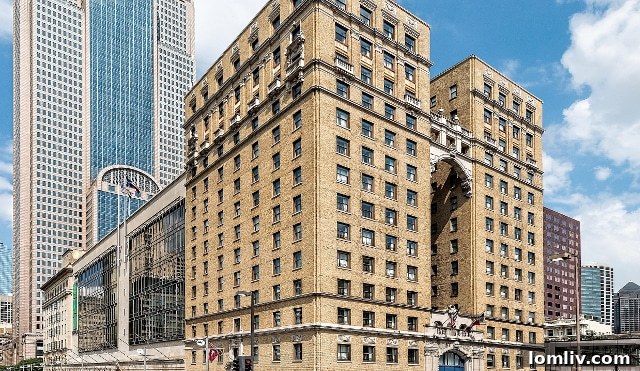
Hilton boasts a rich history intertwined with Texas. The very first hotel established by Conrad Hilton opened its doors in Cisco, Texas, laying the foundation for a global hospitality empire. Furthermore, the first hotel to carry the Hilton brand was right here in Dallas. This wasn’t the iconic Statler (now a Hilton Curio branded property), but rather the original 1925 Hilton, which today operates as the downtown Indigo Hotel, a luxurious offering under the InterContinental Hotels Group umbrella. This fascinating lineage underscores Hilton’s enduring legacy in the Lone Star State.
While one might speculate about corporate sentimentality influencing Hilton’s renewed focus on Dallas, particularly Uptown, business decisions in the corporate world are rarely driven by nostalgia alone. Corporations, especially those of Hilton’s stature, prioritize strategic advantage and market opportunity. Hilton’s decision to sell its original Dallas property just 13 years after opening, opting to relocate its headquarters to California, is a testament to this fact. Today, Hilton’s keen interest in Uptown Dallas is a clear reflection of sound business acumen, capitalizing on a vibrant and rapidly expanding market.
Part of Hilton’s strategic approach in Uptown appears to involve leveraging this dynamic district as a proving ground for its newer, often youth-focused brands. Brands like Canopy, Spark, and Motto represent Hilton’s efforts to cater to evolving traveler preferences, particularly those of a younger demographic seeking unique experiences and modern amenities. This focus on market segmentation helps Hilton capture a broader range of travelers, from budget-conscious millennials to luxury seekers.
Navigating the Labyrinth of Hotel Brands: Hilton’s Diverse Portfolio
For many travelers, the sheer number of hotel brands and sub-brands can be a source of confusion. Major hospitality groups, including Hilton, have cultivated extensive portfolios to cater to every conceivable traveler need, preference, and budget. Hilton alone manages a staggering 17 distinct brands, encompassing a wide spectrum from ultra-luxury to extended stay. These include prestigious names like Waldorf Astoria, LXR Hotels & Resorts, and Conrad Hotels & Resorts, alongside popular mid-range options such as Hilton Garden Inn and Hampton Inn, and extended-stay solutions like Homewood Suites and Home2 Suites. This expansive portfolio allows Hilton to maintain a strong presence across various market segments, offering everything from opulent suites to comfortable, reliable accommodations designed for longer stays.
Travelers today often seek specific amenities beyond just a comfortable bed. For shorter trips, a decent pillow and a serene environment are paramount. For extended stays, the convenience of a kitchenette—typically a refrigerator and microwave—becomes a crucial factor. Understanding these diverse customer needs is precisely why hotel groups diversify their brands, each tailored to a specific niche. For context, Marriott International, another industry giant, boasts an even larger portfolio, managing over 30 distinct hotel brands, further illustrating the complexity and strategic importance of brand differentiation in the global hospitality market.
Hilton No. 4: Waldorf Astoria at 2727 Turtle Creek – The Pinnacle of Luxury?
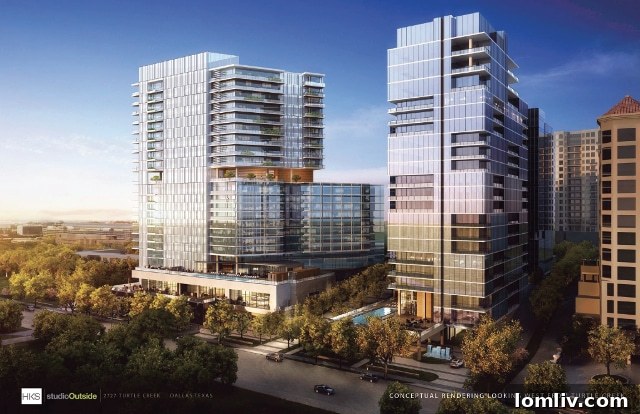
The excitement surrounding Hilton’s potential fourth property in Uptown centers on a highly anticipated rumor: a Waldorf Astoria gracing the prestigious 2727 Turtle Creek development by Prescott. This ambitious three-building project, far from targeting the millennial market, is strategically located immediately adjacent to the iconic Mansion on Turtle Creek Hotel and Residences. The rendering above illustrates the proposed development, with the left building envisioned as a sophisticated hotel and condominium operation. While official statements have only confirmed a “5-star property,” numerous well-connected sources within the industry have unofficially indicated that this esteemed establishment will indeed be a Waldorf Astoria.
For those unfamiliar, Waldorf Astoria represents the absolute pinnacle of Hilton’s luxury offerings. It’s a brand synonymous with unparalleled elegance, personalized service, and iconic locations. While often compared to Marriott’s Ritz-Carlton, Waldorf Astoria carries its own unique heritage and appeal, providing an experience steeped in timeless luxury. Though perhaps perceived as a more recent entrant into the residential market compared to established players like Ritz-Carlton and Four Seasons, the Waldorf Astoria brand has successfully supported numerous residential projects intrinsically linked to its hotel properties, offering residents exclusive access to world-class amenities and services. The potential arrival of a Waldorf Astoria would undoubtedly elevate Dallas’s luxury hospitality landscape, further cementing Uptown and Turtle Creek’s status as a prime address for discerning travelers and residents seeking the finest accommodations.
In an effort to confirm these exciting rumors, inquiries were made to Prescott several weeks ago, but no official response has yet been received. Given the strong indications, the likelihood of this becoming a Waldorf Astoria is assessed as high, perhaps a four out of five.
Hilton No. 5: The Central Market Development – A Tenuous Link?
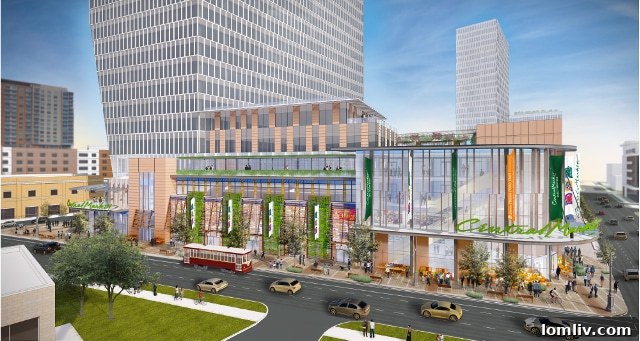
Another intriguing, though more speculative, prospect for Hilton’s expansion in Uptown involves the Central Market development. Back in November 2018, the Oak Lawn Committee reviewed a proposal by HEB to reimagine the former Albertsons site on McKinney Avenue, situated between the Lemmon Avenues. The proposed master plan features a smaller tower in the distance designated for a mix of office, hotel, and multi-family uses, while the more prominent tower in the foreground is envisioned primarily for office space, perched atop a Central Market grocery store.
Rumors have circulated that Hilton was, at one point, associated with the hotel component of this ambitious project. However, the reliability of this particular rumor is considerably more tenuous. Over a year has passed since the initial proposal, and while Central Market recently secured its building permits, groundbreaking has yet to occur. This extended timeline raises questions about the permanence of any prior commitments or designs Hilton might have had for the site. It’s plausible that if Hilton had initial plans for this location, those plans may have since shifted. The recent unveiling of a stand-alone Hilton Motto and Spark project on Oak Grove and Hall, just a block away, could indicate a redirection of Hilton’s strategy for this specific area, fulfilling their interest in the vicinity through a different development. The dynamic nature of urban real estate development means plans are constantly evolving, and a hotel flag initially considered for one site might easily migrate to another nearby property that aligns better with current market conditions or development timelines.
Therefore, the likelihood of a Hilton hotel materializing as part of the Central Market development is currently assessed as low, perhaps a one out of five. While the area is ripe for development, Hilton’s strategy might have pivoted to more immediate opportunities.
Uptown’s Allure: Market Forces and the Quest for “Authenticity”
The collective surge of hotel interest in Uptown Dallas is a direct consequence of powerful market forces at play. This pattern of urban development often begins with a robust residential boom, attracting new residents and fostering a vibrant community. This is swiftly followed by an influx of office spaces, as businesses seek to establish themselves in desirable, amenity-rich locations that can attract top talent. Finally, the hospitality sector rises to meet the demand generated by an increasing number of visitors – business travelers visiting the new offices, tourists exploring the dynamic neighborhood, and friends and family visiting the growing residential population.
Beyond the fundamental economic drivers, there’s a broader, more nuanced trend shaping urban development today: the intense pursuit of “authenticity” and a distinct “neighborhood feel.” This phenomenon, often dubbed the “Instagram” or “Airbnb effect,” influences how urban spaces are developed and marketed. Developers and brands are keenly aware of the desire among consumers, particularly younger generations, to eschew conventional, cookie-cutter experiences in favor of unique, localized, and shareable moments. This leads to a strategic emphasis on distinctive architecture, culturally relevant amenities, and designs that evoke a sense of place. In essence, everyone strives to demonstrate their collective uniqueness by mimicking trends seen across social media platforms, creating a vibrant, yet sometimes homogenized, urban tapestry. Uptown, with its blend of historical charm and modern luxury, provides fertile ground for developers looking to tap into this desire for genuine urban experiences, even as large chains expand their footprint.

The Future of Hospitality in Uptown Dallas
Uptown Dallas stands at a pivotal moment, poised for continued growth and transformation. Hilton’s aggressive expansion strategy, marked by the introduction of diverse brands ranging from innovative youth-focused concepts to the ultra-luxury Waldorf Astoria, reflects a deep confidence in the district’s economic vitality and its potential as a premier destination. The ongoing hotel boom, driven by residential and office growth, signals Uptown’s evolution into a comprehensive urban ecosystem where living, working, and leisure converge seamlessly. As new projects take shape and existing rumors solidify into concrete plans, Uptown’s skyline will undoubtedly continue to evolve, offering an even richer array of hospitality experiences for both visitors and residents. The coming years will reveal the full extent of Hilton’s ambitious vision and how it shapes the future of luxury and modern accommodations in one of Dallas’s most dynamic neighborhoods.