Architecture, in its most profound sense, transcends the mere construction of physical structures; it embodies the very essence of human aspiration, cultural identity, and technological prowess. This intricate relationship between form, function, and expression is particularly evident in the grandeur of modern casinos and the exquisite detailing of high-end residential properties. In these meticulously crafted environments, every element, from the grand facade to the smallest interior detail, is designed to communicate a sense of prestige, luxury, and sophisticated achievement, reflecting the ambition to impress, delight, and inspire awe in their occupants and visitors.
Luxury architecture, especially in the context of commercial and residential real estate, is no longer just about shelter or basic utility. It has evolved into an art form that merges aesthetic appeal with cutting-edge innovation and a deep understanding of human psychology. These architectural marvels are statement pieces, serving as benchmarks for cultural advancement and technological integration, constantly pushing the boundaries of what is possible in design and construction. They are testaments to human ingenuity, creating spaces that are not only visually stunning but also profoundly experiential, engaging all senses and leaving a lasting impression.
The Architectural Journey of Casinos: From Classic to Contemporary Opulence
Casino design has undergone a dramatic transformation, mirroring shifts in societal values, technological capabilities, and the evolving demands of the entertainment industry. In their nascent forms, gambling establishments were often rudimentary, utilitarian spaces primarily focused on the act of wagering. These early venues lacked the aesthetic sophistication and integrated amenities that define modern casino resorts.
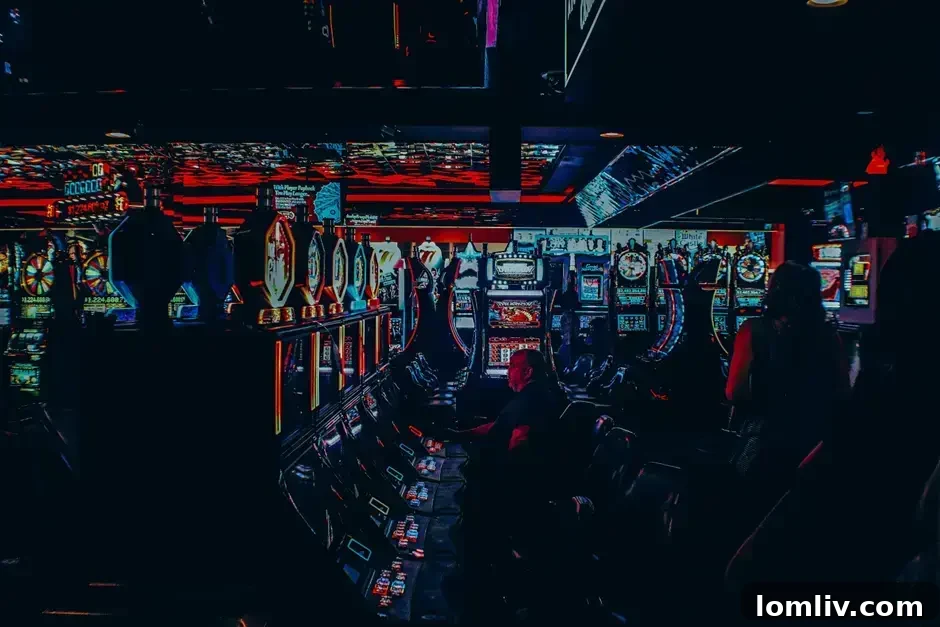
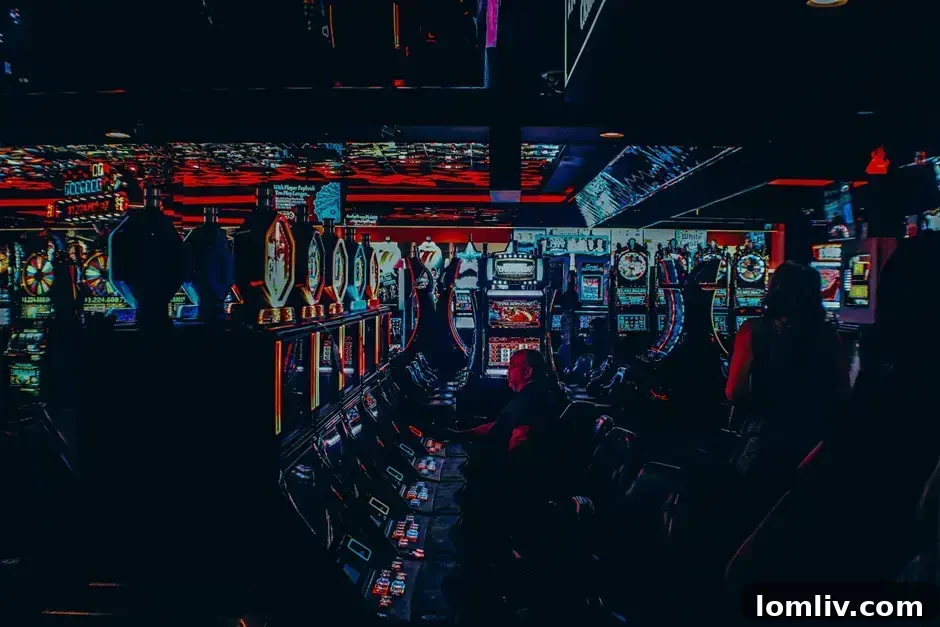
Today, the landscape is entirely different. Contemporary casino architecture is a spectacle of design innovation, creating immersive environments that are far more dramatic and engaging than their predecessors. This evolution stems from a strategic shift: casinos are no longer isolated gambling halls but intricate entertainment complexes. They seamlessly integrate high-end restaurants, luxury hotels, sprawling retail spaces, live entertainment venues, and often thematic attractions, transforming them into comprehensive leisure destinations. This multifaceted approach requires architects and designers to conceptualize spaces that cater to a diverse array of activities and experiences, all under one roof.
The architectural philosophy guiding casino design has shifted profoundly. Traditional designs tended to be inward-looking, deliberately creating enclosed, often windowless environments that isolated guests from the outside world. This was intended to disorient visitors, encouraging them to lose track of time and remain engaged in gambling activities. While some elements of this psychology persist, modern casinos embrace a more outward-looking perspective, integrating natural light, grand vistas, and seamless connections to their surrounding environments. This creates a more inviting and less claustrophobic atmosphere, enhancing the overall guest experience.
Modern casino designs extend far beyond merely arranging gaming tables or slot machines. Designers now meticulously plan for an immense number of complementary features, recognizing that these establishments function as miniature cities. They are vibrant hubs of concurrent events, from international conventions and concerts to culinary festivals and fashion shows. This expansive vision necessitates sophisticated spatial planning, advanced infrastructure, and a design ethos that prioritizes fluidity, grandeur, and unparalleled guest comfort. The aim is to create an all-encompassing experience that caters to every conceivable desire of the affluent traveler and discerning local, ensuring that the casino is not just a place to gamble, but a premier destination for luxury, entertainment, and leisure.
Location: The Cornerstone of Casino and Luxury Real Estate Success
In the high-stakes world of casino development and luxury real estate, location is not just a factor; it is the most critical determinant of success. Superior developments strategically leverage their geographical position to maximize appeal and profitability. Whether it’s integrating with an evolving cityscape or establishing a standalone destination, the right location offers a massive advantage. These prime spots create vibrant social hubs, attracting a diverse demographic ranging from local residents seeking entertainment to international tourists in search of unique experiences.
Architects and developers keenly understand that “location” transcends its basic cartographical definition. It encompasses a complex interplay of factors that contribute to desirability, exclusivity, and market value. It’s about building within ecosystems that inherently appeal to affluent individuals and investors. Several key considerations highlight the profound significance of location:
- Maximizing Natural Views and Environmental Integration: A prime location often boasts breathtaking natural scenery, be it oceanfront vistas, mountain backdrops, or panoramic city skylines. Luxury designs capitalize on these assets through expansive windows, strategically placed balconies, and rooftop amenities that offer unparalleled viewing experiences. Integrating the natural environment into the design creates a sense of serenity and exclusivity, enhancing the perceived value of the property.
- Creating Seamless Indoor-Outdoor Transitions: The ability to fluidly move between interior and exterior spaces is a hallmark of high-end design in desirable locations. This can involve retractable glass walls that open living areas to gardens, or artfully designed terraces that blend with the surrounding landscape. Such transitions foster a feeling of spaciousness and connection with nature, enriching the living or leisure experience.
- Developing Microenvironments Within Larger Architectural Complexes: Beyond the immediate surroundings, sophisticated developments often create curated microenvironments within their larger footprint. This could include private gardens, tranquil courtyards, or secluded pools that offer an escape from the bustling primary areas. These smaller, exclusive zones enhance the luxury experience by providing diverse settings for relaxation and recreation.
- Ensuring Accessibility While Maintaining an Exclusive Atmosphere: The challenge lies in balancing convenient accessibility with the preservation of an exclusive ambiance. A top-tier location offers easy access to major transportation hubs, business districts, and cultural attractions, yet its design must also incorporate elements that convey privacy and privilege, such as private entrances, dedicated concierges, and secure, controlled access points. This delicate balance ensures that the property is both convenient and highly desirable to its target demographic.
Luxury Amenities Beyond Traditional Expectations
The competitive luxury market compels developers to constantly redefine and elevate what constitutes a premium experience. Modern luxury extends far beyond merely providing basic comforts; it’s about crafting an entire living or leisure environment that exudes comfort, convenience, and unparalleled sophistication. This involves offering an array of auxiliary features, now considered essential to entice and retain discerning clients. For instance, imagine a rooftop infinity pool that visually merges with the horizon, creating a sense of boundless luxury, or an on-site restaurant boasting multiple Michelin stars, providing world-class dining just steps away. These aren’t just add-ons; they are integral components of the luxury lifestyle.
Developers understand that today’s high-net-worth individuals seek more than just a place to reside or visit; they desire a comprehensive lifestyle ecosystem. They want every conceivable amenity at their fingertips, eliminating the need to leave the comfort and security of their exclusive environment. This includes state-of-the-art fitness centers, private spa facilities, exclusive social clubs, personalized concierge services, bespoke entertainment options, and even integrated smart home technologies that anticipate and cater to their needs. The focus is on curating an all-encompassing experience that not only meets but anticipates and exceeds the evolving expectations of luxury consumers, transforming properties into self-contained sanctuaries of comfort and indulgence.
How Psychology Plays a Pivotal Role in Design
The exquisite and luxurious features of contemporary architecture are meticulously designed with a deep understanding of psychological principles. Architects, construction engineers, and often psychologists collaborate closely to explore how specific designs, materials, and spatial arrangements impact human perception, emotion, and behavior. This interdisciplinary approach allows for the deliberate creation of environments that evoke desired feelings, making occupants feel exceptionally special, happy, comfortable, and ultimately fostering a desire to return.
Design elements can subtly manipulate sensory input to evoke diverse emotional responses. Light, sound, texture, and the arrangement of space are powerful tools in this psychological arsenal:
- Lighting Design: The quality, intensity, and direction of light profoundly affect mood. A wellness center aiming to induce deep relaxation might utilize soft, diffused ambient lighting, perhaps integrated with natural light sources and warm tones to create a serene, calming effect. Conversely, an energetic social club or a vibrant gaming floor would employ bright, dynamic lighting, often with changing colors and focused spotlights, to stimulate excitement and activity.
- Soundscapes and Acoustics: Beyond mere noise reduction, acoustic design crafts an intentional soundscape. In a tranquil spa, gentle ambient music or natural sounds (like trickling water) create a soothing backdrop, while in a high-energy entertainment venue, carefully engineered acoustics amplify music and conversation without becoming overwhelming, fostering a lively atmosphere.
- Texture and Materials: The tactile and visual textures of materials evoke specific sensations. Natural materials like wooden floors, natural stone, or soft fabrics in a residential setting can communicate warmth, authenticity, and comfort. Polished metals, sleek glass, and intricate patterns in a casino or luxury hotel suggest sophistication, modernity, and opulence. These material choices contribute significantly to the overall psychological impact of a space.
- Spatial Arrangement and Flow: The layout of a space dictates movement and interaction. Open-plan designs can encourage social interaction and a sense of freedom, while more intimate, secluded areas offer privacy and reflection. Thoughtful circulation paths guide visitors seamlessly, reducing stress and enhancing the overall experience. For instance, the strategic placement of entrances, focal points, and seating areas in a luxury lobby can create a welcoming yet grand impression, while in a retail environment, it can subtly guide shoppers through various departments. This meticulous attention to sensory details and psychological responses ensures that luxury designs are not only beautiful but also deeply engaging and emotionally resonant.
Economic and Cultural Transformation Through Real Estate Development
Large-scale architectural projects, particularly those involving integrated casino resorts and luxury residential complexes, are powerful catalysts for significant economic and cultural transformation. Firstly, these developments are massive job creators, providing employment opportunities across a wide spectrum, from skilled construction labor and engineering to hospitality management, culinary arts, retail, and entertainment. This influx of employment stimulates local economies and provides sustainable career paths for thousands.
Secondly, such projects are magnets for international investment. Their grand scale and potential for high returns attract significant foreign capital, bolstering a nation’s economy and fostering global partnerships. This international interest also places the host region on the global map, enhancing its reputation as a destination for leisure, business, and luxury living. Finally, and crucially, these developments often play a pivotal role in urban renewal. They have the capacity to revitalize old, depressed, or underutilized areas, transforming them into thriving, modern districts. By investing in infrastructure, public spaces, and new commercial ventures, property developers act as key agents in the enrichment of both economic environments and cultural exchange.
These architectural endeavors are not singular entities but rather complex, mixed-use spaces where entertainment, commercial, and residential functions are seamlessly integrated. This integration fosters a dynamic cultural interchange. Art installations, diverse culinary experiences, international performances, and a melting pot of residents and visitors converge, creating a vibrant, wholesome unit that functions as a micro-city. These spaces become cultural landmarks, influencing local trends, diversifying community offerings, and fostering a richer, more cosmopolitan urban fabric that is often celebrated as a unified destination.
The Green Revolution in Luxury Design
In contemporary architecture, particularly within the multi-million dollar property and gambling construction industries, environmental consciousness has ascended to a paramount position. Sustainability is no longer a mere optional add-on; it has become a fundamental determinant of a project’s viability and investment worthiness. This shift is driven by a confluence of factors, including long-term financial benefits derived from reduced operational costs, stringent regulatory requirements, and a growing global imperative for environmental stewardship.
Today’s leading architects and developers integrate comprehensive sustainability plans from the initial conceptual stages. These plans encompass a holistic approach to resource management, energy efficiency, and environmental impact mitigation. Key strategies include:
- Renewable Energy Integration: Utilizing solar panels, geothermal systems, and wind energy to power buildings, significantly reducing reliance on fossil fuels.
- Advanced Water Conservation: Implementing rainwater harvesting systems, greywater recycling, and low-flow fixtures to minimize water consumption.
- Sustainable Material Sourcing: Prioritizing locally sourced, recycled, rapidly renewable, and low-VOC (volatile organic compound) materials to reduce the carbon footprint and enhance indoor air quality.
- Optimized Energy Performance: Designing highly insulated building envelopes, incorporating smart HVAC systems, and utilizing natural ventilation strategies to minimize heating and cooling demands.
- Green Infrastructure: Incorporating green roofs, vertical gardens, and permeable paving to manage stormwater, reduce urban heat island effects, and promote biodiversity.
The ultimate aim is to create ecologically responsible buildings that not only minimize harm to the natural environment but actively support and enhance it. These green luxury properties offer a compelling value proposition: reduced utility costs, healthier indoor environments, enhanced brand reputation, and a tangible contribution to global environmental well-being. This commitment to sustainability defines the future of high-end architectural design, proving that luxury and ecological responsibility can, and must, go hand-in-hand.
Technological Integration and Future Trends in Luxury Architecture
The future of luxury architecture, encompassing both groundbreaking casino resorts and exclusive residential properties, will be increasingly defined by seamless technological integration. Consumers of tomorrow will not just expect; they will demand smart building technologies, advanced sustainable design principles, and immersive digital experiences as standard. These innovations are rapidly transitioning from being novelties to becoming fundamental expectations, differentiating leading developments from the rest.
The convergence of cutting-edge technology and sophisticated design is paving the way for truly intelligent and responsive spaces. Here is what discerning clients and visionary developers can anticipate in future developments:
- Advanced Sustainability Features: Beyond current green building practices, future properties will incorporate predictive energy management systems, smart grids, and self-repairing materials. Buildings will actively monitor and adjust their environmental footprint in real-time, optimizing resource use and contributing to a circular economy.
- Artificial Intelligence-Driven Personalization: AI will revolutionize the user experience. Smart systems will learn individual preferences for lighting, temperature, entertainment, and even concierge services, providing a hyper-personalized environment. From adaptive climate control to AI-powered personal assistants managing daily routines, homes and hotels will anticipate needs before they are expressed.
- Flexible Spaces That Can Adapt to Changing User Needs: Modular design elements, reconfigurable layouts, and smart partitioning systems will enable spaces to transform their function with ease. A living room might convert into a home office, or a dining area into a private cinema, all at the touch of a button, ensuring longevity and adaptability for diverse lifestyles.
- Enhanced Security and Privacy Technologies: Biometric access systems, advanced surveillance, and sophisticated data encryption will provide unparalleled security. Simultaneously, technologies protecting digital privacy within smart homes will become paramount, offering occupants complete control over their personal data and digital footprint.
- Seamless Digital-Physical Environment Integration: Augmented reality (AR) and virtual reality (VR) will move beyond entertainment, integrating into daily living. Imagine interactive wall displays that can project any landscape, or AR overlays that provide information about artwork or surroundings. Digital concierge services will blend with physical interactions, creating a truly hybrid experience that blurs the lines between the real and the virtual.
These technological advancements will not only enhance comfort and convenience but will also redefine what it means to experience luxury, making future developments exceptionally responsive, intelligent, and uniquely tailored to the individual.
Transforming Spaces and Elevating Experiences Through Visionary Architecture
The evolution of casino designs and luxury real estate represents a paradigm shift in architectural philosophy, moving beyond mere construction to the creation of deeply immersive and transformative environments. These visionary structures are meticulously crafted to captivate and engross individuals, transporting them to curated realities that anticipate and fulfill their every need. They are strategically placed and thoughtfully designed to seamlessly integrate into their surroundings while simultaneously offering an escape, ensuring that each building is not just a dwelling or a venue, but a destination in itself.
These groundbreaking architectural endeavors are profoundly reshaping how people live, work, and engage with urban landscapes. By integrating cutting-edge design with unparalleled amenities and a deep understanding of human psychology, they foster vibrant communities and elevate the standard of living. Great architecture possesses an inherent power to influence, involve, and significantly improve people’s lives. As technology continues its rapid advancement, intertwining with fresh ideas about design and the ever-evolving desires of people, the boundaries of what is possible in luxury architecture will continue to expand. This ongoing innovation ensures that these iconic buildings will not only serve their immediate purpose but also stand as enduring legacies, shaping the future of urban design and human experience for generations to come.