In recent times, the real estate market has captured widespread attention, primarily due to the remarkable resilience and swift resurgence of single-family homes. News outlets have consistently highlighted how this sector defied grim predictions, bouncing back with a vigor that surprised many. However, a significant gap remains in the public discourse: the multi-family condo market. While reports frequently detail the historically low inventory in single-family housing, there’s a distinct lack of comprehensive analysis regarding condos. How is this crucial segment of the urban housing landscape performing? Let’s delve into the specifics and uncover the current state of the high-rise condo market, particularly focusing on Dallas.
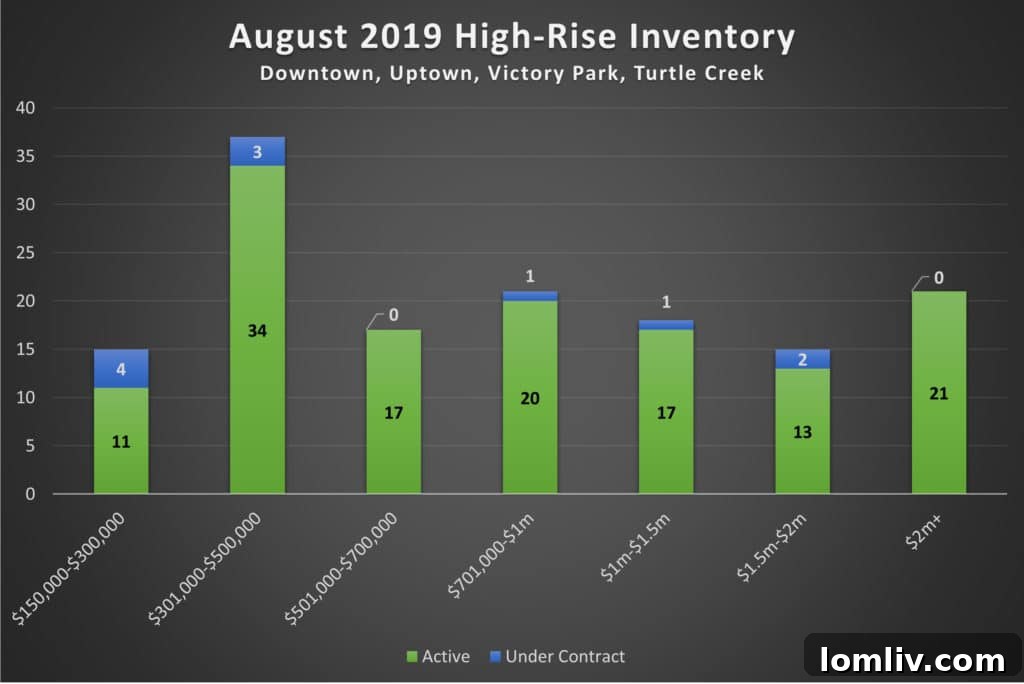
To provide context, it’s beneficial to revisit past market conditions. Last August, an in-depth analysis of the Dallas high-rise market revealed a relatively tight inventory. At that time, merely 133 high-rise condos were actively listed for sale, with an additional 11 units already under contract. To put this into perspective, The Warrington on Turtle Creek, a prominent Dallas high-rise, comprises 132 units in total. This meant that the entire available high-rise condo inventory across Dallas was roughly equivalent to the number of units in a single building. For prospective buyers seeking the vibrant high-rise lifestyle or those looking to upgrade within this unique market, options were undeniably limited, leading to fierce competition and often swift sales for desirable properties.
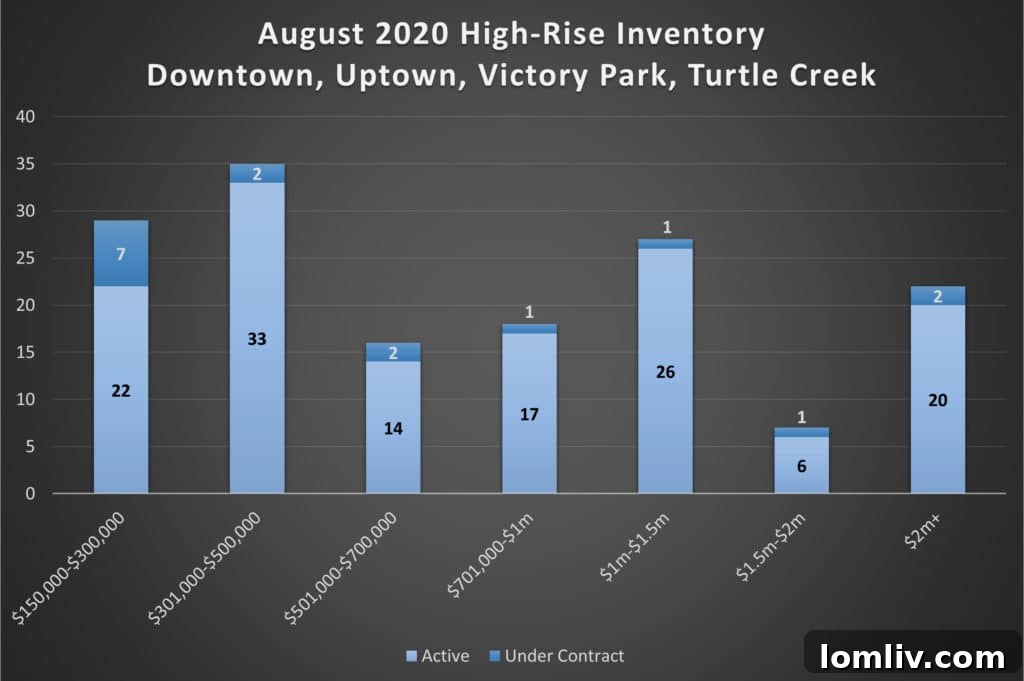
Fast forward to the present, and the landscape shows some intriguing shifts. As of this writing, the Dallas high-rise condo market, encompassing key districts such as Downtown, Uptown, Turtle Creek, and Knox, boasts 151 listed units. This represents a 13.5 percent increase in inventory since August 2019, indicating a moderate expansion in available choices for buyers. More notably, the number of units under some form of contract has seen a significant surge, rising by 45 percent from 11 in August 2019 to 16 today. While an increase of five units may not seem substantial in absolute terms, this percentage jump signals a robust acceleration in buyer activity and demand. The simple correlation is clear: increased inventory has directly translated into a higher volume of sales, suggesting a healthy and active market for high-rise condos.
Is Now the Right Time to Buy a Dallas Condo?
Interpreting these market dynamics points towards a compelling opportunity for potential condo buyers: now could be an ideal time to make a move. The underlying principle is straightforward: act strategically where others might hesitate. Many individuals who were contemplating a condo purchase before the onset of the pandemic might have paused, waiting to see how the market would react. With clear evidence that the purchase market is not only stable but actively growing, those initial hesitations should now give way to informed action.
Perhaps you’ve been on the lookout for that elusive, dream floorplan that rarely surfaces. The recent uptick in inventory across Dallas’s premier high-rise districts suggests that your ideal unit might finally be available. Or perhaps previous searches left you frustrated by the sheer lack of options. Now, with more properties hitting the market, there’s a wider selection to explore. However, the concurrent rise in units under contract serves as a crucial reminder: while choices have expanded, competition is also increasing, so delaying your decision could mean missing out on an excellent opportunity. Seizing this moment allows buyers to leverage a market that is gaining momentum without yet reaching peak frenzy.
It’s important to note, however, that this increase in inventory isn’t uniformly distributed across all price points. A granular look reveals distinct trends within different segments of the market.
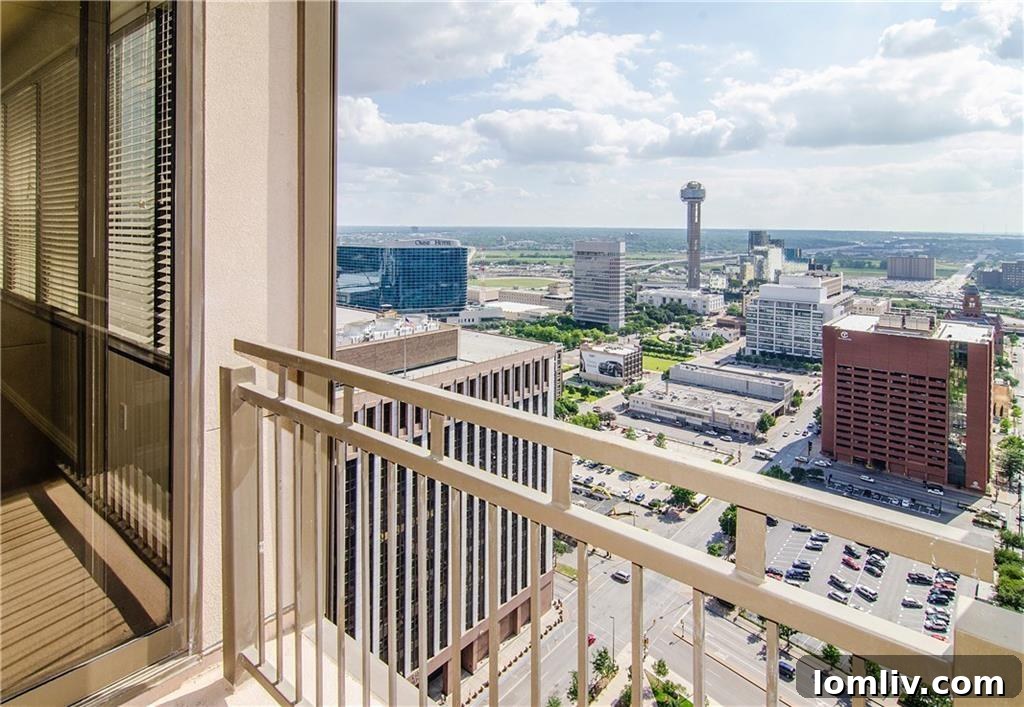
Increased Availability of More Affordable Condo Units in Dallas
One of the most encouraging developments in the Dallas condo market is the significant increase in affordable units. In August 2019, only 11 condos were available in the $150,000 to $300,000 price range. Today, that number has more than doubled to 25, with a corresponding increase in units under contract. This trend offers a remarkable alternative to the narrative of affordable single-family homes being rapidly acquired in distant suburban or rural areas. For those who cherished the vibrant urban lifestyle pre-COVID-19 – with its proximity to culture, dining, entertainment, and employment centers – this expanded inventory means you no longer have to compromise on your ideal living environment.
Choosing an urban condo allows you to embrace the convenience, walkability, and amenities that come with city living, often at a more accessible price point than comparable single-family homes. Imagine next year, as friends and colleagues recount tales of their commute struggles from far-flung locales like Runaway Bay, Texas, you’ll be comfortably situated in the heart of Dallas, enjoying a lifestyle that truly aligns with your aspirations. This segment of the market presents an excellent opportunity for first-time buyers, young professionals, or those seeking a dynamic, low-maintenance urban home without breaking the bank.

More Luxury Condos Entering the Dallas Market
Another significant shift from the previous year is evident in the luxury segment, specifically within the $1 million to $1.5 million bracket. Last year, this price range saw only 17 units for sale. Currently, that number has grown to 26 units, with at least one already under contract. This expansion in luxury inventory is particularly welcome news for “downsizers” – homeowners looking to sell their large, traditional houses, perhaps to a growing family seeking more space, and transition into a more streamlined, high-end urban lifestyle. With more options available, these buyers can enjoy a wider selection of premium properties, featuring sophisticated designs, unparalleled amenities, and prime locations, without the maintenance demands of a larger home.
However, it’s not all increases across the board. Outside of the highest $2 million-plus market, other significant segments such as the $500,000 to $1 million and the $1.5 million to $2 million brackets have actually seen a decrease in inventory compared to a year ago. The $1.5 million to $2 million segment, in particular, now features less than half the number of units available for sale this year, indicating intensified competition for fewer properties. Despite this varied inventory landscape, a positive market indicator is that while two price brackets had no pending sales last year, every single price bracket now has at least one unit in the pipeline this year, with those previously inactive brackets each reporting two pending sales. This demonstrates a broad-based increase in buyer confidence and market activity across the spectrum of Dallas high-rise condos.

Addressing Coronavirus Concerns: The Air Quality in Condos is Safe
The single-family home market has experienced a strong rebound, largely fueled by renewed open houses and a mix of legitimate buyer demand and, for some, a degree of fear-driven purchasing. Many buyers are seeking more space, but others are driven by concerns about shared living environments in the wake of the pandemic. A common misconception among potential condo buyers revolves around the perceived safety of multi-family living, specifically concerns about shared air and increased exposure to airborne pathogens due to “all those people… breathing.” It’s crucial to clarify that this belief is largely unfounded and not supported by the engineering realities of modern condo buildings.
Fundamentally, condos, whether high-rise or low-rise, do not typically share air between individual units in the way many people imagine. Heating, ventilation, and air-conditioning (HVAC) systems are almost universally dedicated to each unit. If you’ve ever observed the roof of a modern low- or mid-rise building, you’d notice a multitude of individual air conditioning units, each one serving a specific residence. For high-rise buildings, the system is more complex but equally secure. These structures commonly employ commercial cooling stacks that utilize water as a heat exchanger. In this sophisticated setup, a dedicated water pipe circulates through a heat exchanger within each condo unit. This process heats or cools the air that is then recirculated *only* within that specific unit. Crucially, the water never leaves the pipe; it simply facilitates the temperature transfer, ensuring no air mixing between units. Furthermore, these heat exchangers are equipped with air filters designed to purify the air within the individual condo. Public areas such as hallways, lobbies, and amenity spaces operate on entirely separate, independent HVAC systems, further minimizing any potential for cross-contamination between private residences and common areas. Therefore, the air within your condo unit is as self-contained and filtered as it would be in a single-family home.

Social Distancing is Surprisingly Easy in Dallas High-Rise Condos
Beyond air quality, another common concern among potential condo buyers during the pandemic relates to social distancing in common areas. However, the reality of high-rise living, particularly in Dallas, makes social distancing remarkably straightforward. The prevailing health guidelines recommend maintaining a distance of six feet from others. Within a condo unit, the only way to be within six feet of someone not already residing with you would be to stand against an adjoining wall, and even then, a solid structural barrier separates you. This inherent physical separation within private units provides a fundamental layer of protection.
Dallas high-rise condos are notably characterized by their low occupancy rates. Unlike some denser metropolitan areas, Dallas is not typically a family-friendly high-rise market; most units are occupied by one or two individuals. For instance, on a floor at The Claridge, there might be as few as six or seven people spread across five units, encompassing approximately 18,000 square feet of living space. This naturally sparse population density within the buildings’ residential floors makes encounters with neighbors infrequent and easy to manage.
Furthermore, extensive studies have consistently demonstrated that the spread of viruses like COVID-19 is primarily driven by *overcrowding within individual homes*, regardless of whether those homes are single-family houses or condo units. It is not the overall building density but the number of occupants sharing a confined living space that poses the greatest risk. The Furman Center in New York City, for example, published research highlighting this distinction. A compelling report from The New York Times detailed how overcrowding in Silicon Valley’s low-wage areas propelled infection rates. One stark illustration involved a three-bedroom house housing 12 people from three different families; when one adult contracted the virus from his janitorial job, everyone in the household except the four children tested positive. In contrast, the same report highlighted Chelsea, Massachusetts, an area that experienced a large outbreak, but within blocks containing overcrowded living conditions, 375 subsidized apartments run by a non-profit had an infection rate one-tenth that of the surrounding dwellings, simply because they were less crowded. This pattern is mirrored in various parts of Texas, reinforcing the critical insight: the true adversary is *overcrowding*, not population density in well-managed multi-family structures. In a Dallas high-rise, it’s often rare to share an elevator, let alone a hallway, with multiple people, making social distancing a natural part of daily life.
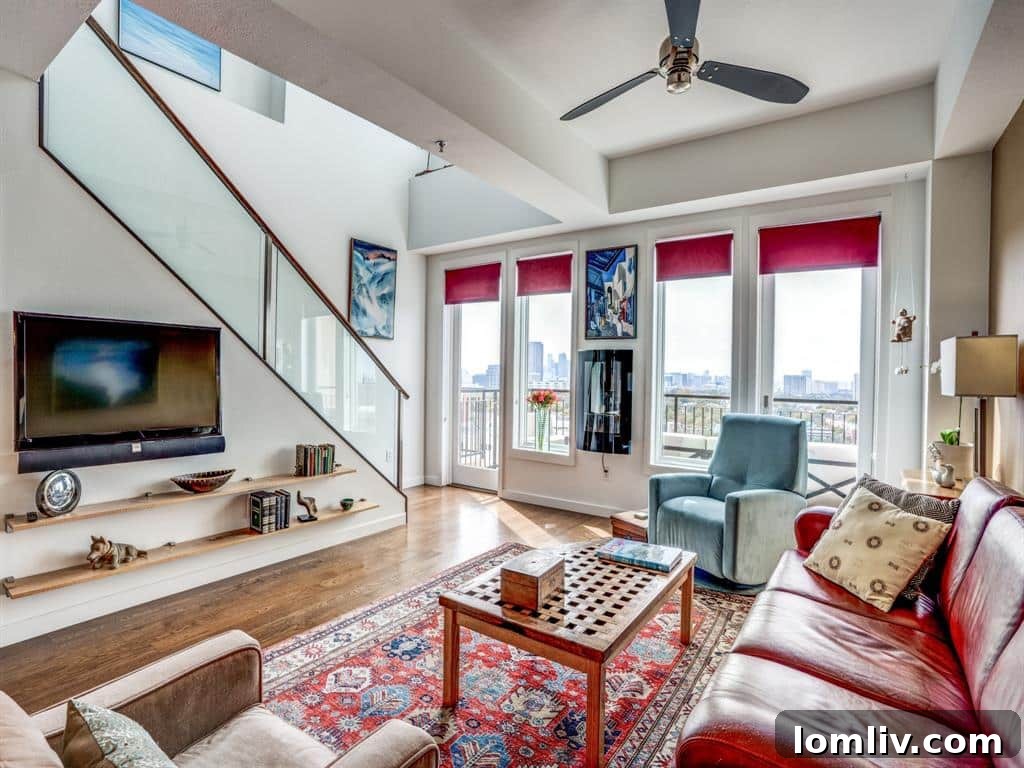
The Advantage of Older Versus Newer Condo Designs for Modern Lifestyles
Before the “invention” of the condominium concept in the late 1960s, multi-family living primarily took the form of rental units or cooperative apartments (co-ops), particularly in cities like New York. A co-op involves purchasing shares in a corporation that owns the building, with those shares granting proprietary lease rights to a specific unit. Manhattan co-ops are legendary for their stringent entry requirements, often demanding prospective tenants to present extensive financial records to their co-op boards. Interestingly, after a period of declining popularity, co-ops are now reportedly seeing renewed interest, particularly in the post-pandemic era.
One key reason for this resurgence lies in the architectural characteristics of most older co-op buildings: they are more likely to feature separate, distinct rooms rather than the prevalent open-concept layouts of newer constructions. The widespread shift to work-from-home scenarios and the increased presence of multiple occupants at home throughout the day have created a strong demand for private spaces – a door to close for focused work or quiet contemplation. While single-family homeownership is less common in New York City, families are ubiquitous in their multi-family buildings, making segregated spaces highly desirable.
In Dallas, while we don’t have a history of co-ops (Park Towers was reportedly the only one ever planned), we do possess a considerable stock of older high-rise buildings dating from 1957 through the 1960s. These classic structures often boast more segmented floorplans, offering distinct rooms for living, dining, and bedrooms. This design is proving to be incredibly valuable for couples or families who require dedicated spaces for Zoom calls, online schooling, or simply a quiet retreat from shared living areas. Unlike the often expansive, flowing layouts of contemporary condos, these older units provide the necessary separation that aligns perfectly with the evolving needs of today’s homeowners. Exploring these established buildings can offer a unique blend of vintage charm and practical functionality, making them an excellent choice for those prioritizing privacy and spatial distinction in their urban dwelling.

Walk Away From The Herd: Seize Your Dallas Condo Opportunity
In the current real estate climate, the evidence is compelling: the Dallas condo market presents an unparalleled opportunity for astute buyers. With an increased inventory of condos compared to historical norms, and a significantly tighter supply in the single-family home market, condos offer a distinct advantage of more choices and less intense competition. Of course, the specific opportunities may vary depending on your budget and desired price bracket; some segments, as noted, still face limited selection. However, it is particularly encouraging that one of the price points experiencing the most substantial increase in inventory is the most affordable one, making urban living more accessible than ever before.
Making an informed decision about buying a condo involves a bit of fact-finding to dispel unfounded fears and a measure of perspective to recall life before recent disruptions, trusting in its eventual return to normalcy. Having personally navigated the entirety of the COVID-19 pandemic from a high-rise residence, I can attest to the safety, convenience, and peace of mind it offers. Not for a single day have I regretted living in a high-rise. This is a moment for intelligent buyers to move against the prevailing sentiment and capitalize on a market that, while strong, still offers unique entry points and value propositions.
Rather than following the herd into an oversubscribed single-family market, consider the strategic benefits of a Dallas high-rise condo. Embrace the urban lifestyle, enjoy modern amenities, and secure a valuable asset in a thriving city, all while benefiting from favorable inventory levels in key price ranges. The time to act on these insights, and make a confident, well-researched decision, is now.