

For many, the sight of a meticulously curated garage brimming with legendary automotive marques like Ferrari, Lamborghini, or McLaren transcends mere admiration; it’s a glimpse into a world where passion meets potential. The allure of these high-performance vehicles often sparks childhood dreams, yet for a growing segment of enthusiasts, exotic car collecting has also evolved into a sophisticated alternative asset class. It’s a compelling blend where the exhilaration of owning and driving these engineering marvels converges with the strategic pursuit of wealth building, making it a unique avenue for both enthusiasts and discerning investors alike.
The decision to acquire an exotic car is rarely driven by singular motivation. Instead, it’s a delicate dance between visceral desire and calculated financial foresight. Owning a supercar offers unparalleled driving experiences, access to an exclusive community, and a profound connection to automotive history. Simultaneously, certain models have demonstrated remarkable resilience, and even significant appreciation, in various economic climates, positioning them as tangible assets with considerable investment potential. Understanding this dual nature is key to navigating the vibrant and often exhilarating world of collectible automobiles.
The Investment Angle: More Than Just Speed and Style

Beyond their breathtaking aesthetics and formidable performance, many high-end vehicles operate as tangible alternative investments. Certain models have defied conventional depreciation curves, exhibiting impressive growth over time. Consider the iconic Ferrari F40; a car that might have commanded around $400,000 in the early 2000s now frequently trades for upwards of $1.5 million, and in some cases, significantly more. This isn’t an isolated incident. Even relatively modern exotics, like certain iterations of the Ferrari 458, can maintain strong demand and value, particularly when meticulous care has been taken regarding mileage, condition, and service history.
The market for rare and historically significant vehicles is particularly robust. Models such as the McLaren F1, with its groundbreaking engineering and extremely limited production, or the timeless elegance of an early Lamborghini Miura, have seen their values multiply exponentially. Similarly, the raw power and purist appeal of a Porsche Carrera GT ensure its place as a highly coveted collector’s item. The fundamental economic principle of supply and demand heavily influences this segment; as the finite supply of these automotive masterpieces clashes with an ever-growing global collector base, prices are naturally driven upwards.
However, it’s crucial to understand that not every exotic car guarantees an appreciative return. The mass-produced variants of even luxury brands often follow the typical automotive depreciation curve once they leave the showroom floor. The real investment potential lies in rarer cars, those with significant heritage, limited production runs, or special editions. A Porsche 911 GT3 RS, for instance, known for its track-focused performance and exclusivity, is far more likely to attract eager buyers and retain its value years down the line compared to a standard Carrera from the same production year. Similarly, special-edition Ferraris, often produced in fewer numbers and boasting unique features, consistently outperform their more common counterparts in terms of investment viability. Savvy collectors delve deep into market trends and model specifics to identify these future appreciating assets.
Several key factors consistently drive the appreciation of collectible exotic cars:
- Rarity and Exclusivity: This is arguably the most significant determinant. When a vehicle is produced in extremely limited numbers – sometimes only a few hundred or even dozens worldwide – it inherently creates a competitive bidding environment among collectors. The scarcity principle dictates that demand will likely outstrip supply, pushing values higher. Limited-run models, anniversary editions, and “halo” cars are prime examples.
- Historical Significance: Cars with a rich racing pedigree, those that marked a pivotal moment in automotive engineering, design, or performance, or models associated with significant cultural or historical events often carry immense weight in the market. A car that broke speed records, won iconic races, or introduced revolutionary technology becomes a piece of history, highly desirable for its narrative as much as its mechanical prowess.
- Condition and Provenance: A vehicle’s condition is paramount. Originality, meticulous maintenance, a comprehensive service history, and a lack of accidents or significant modifications significantly enhance its value. Furthermore, provenance – the documented history of ownership – can add a substantial premium. Cars previously owned by notable collectors, celebrities, or individuals with a unique connection to the marque often command higher prices due to their unique story and established authenticity.
- Market Demand and Trends: The broader collector market is dynamic and influenced by shifting tastes and generational preferences. Certain eras or specific models can surge in popularity as new generations of buyers enter the market with fresh perspectives. For example, the 1990s supercars, once considered too “modern” by classic purists, have recently experienced a significant revival in interest and value, demonstrating how market sentiment can evolve over time. Staying attuned to these evolving trends is crucial for identifying emerging investment opportunities.
- Technological Innovation and Legacy: Cars that represent the pinnacle of engineering for their time or pioneered new technologies often secure their place in automotive lore and appreciate as a result. Think of the hybrid hypercar trio (McLaren P1, Porsche 918 Spyder, LaFerrari) or earlier examples like the Bugatti Veyron – cars that pushed boundaries and set new benchmarks.
The Hobby Side: Unadulterated Automotive Joy
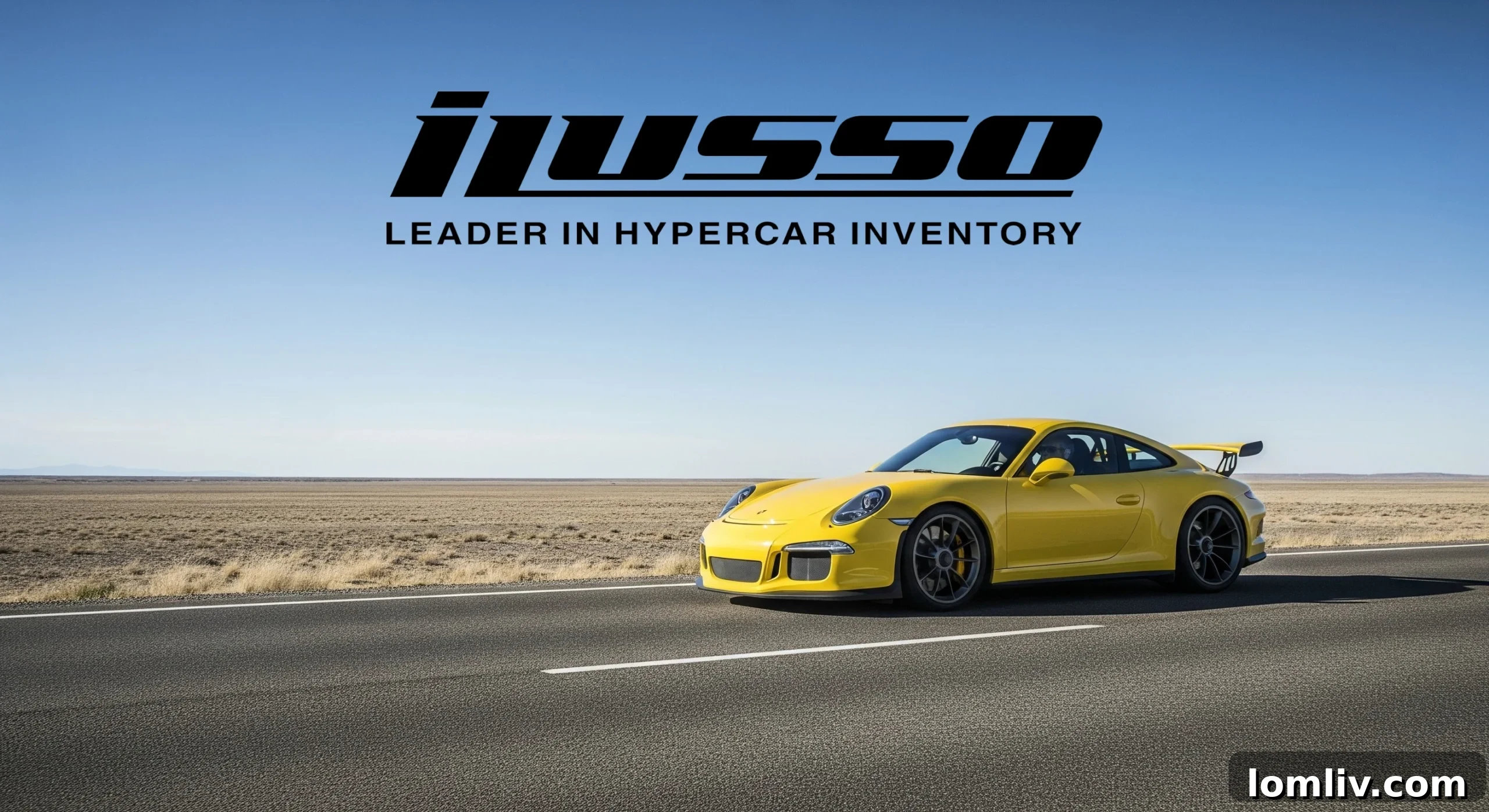
While the investment potential of exotic cars is undeniable, for many collectors, the true reward transcends mere financial gain. It’s an intangible, visceral satisfaction that no stock certificate can replicate. It’s the spine-tingling crescendo of a Ferrari 812 Superfast’s V12 engine screaming towards its redline, a symphony of internal combustion that resonates deep within. It’s the balletic precision with which a Porsche 911 GT3 RS claws at the tarmac through a series of demanding corners, communicating every nuance of the road directly to the driver’s hands. These are not just modes of transport; they are meticulously engineered instruments designed to deliver an unparalleled sensory experience, a direct connection between machine and driver.
Each exotic car embodies a unique narrative, a chapter in automotive history. A Lexus LFA, with its bespoke, Yamaha-tuned V10 engine, is revered as one of the last bastions of naturally aspirated, analog supercar purity. Its development was an exercise in uncompromising engineering, resulting in a machine with an unforgettable exhaust note and an almost spiritual driving feel. Conversely, a McLaren P1 represents a monumental turning point, showcasing how sophisticated hybrid technology could redefine the very limits of hypercar performance. When one introduces such a machine into their personal collection, they are not simply acquiring metal and carbon fiber; they are forging a personal link to these iconic milestones, becoming custodians of a significant legacy and contributing to the ongoing story of automotive excellence.
Beyond the individual driving experience, the world of exotic car collecting fosters a vibrant and deeply connected community. Weekends often bring forth “Cars and Coffee” meets, informal gatherings where enthusiasts can showcase their prized possessions, share stories, and admire each other’s vehicles. Exclusive private track days offer the thrilling opportunity to push these machines to their limits in a safe, controlled environment, often alongside fellow collectors. Even a casual drive along a picturesque coastal road can transform into an impromptu convoy, fostering camaraderie with like-minded individuals who share the same profound obsession. This atmosphere is less about ostentatious display and more about genuine appreciation for engineering artistry, the exchange of technical insights, and the joy of shared passion. It’s a network built on mutual respect and a shared love for the extraordinary.
The aesthetic appeal also plays a huge role. These cars are works of art, sculpted by wind tunnels and design geniuses. The intricate details, the precision of the panel gaps, the luxurious materials in the cabin – all contribute to an experience that starts even before the engine fires. It’s about the craftsmanship, the heritage, and the sheer visual drama that these vehicles command, turning heads and igniting imaginations wherever they go. This multisensory engagement is a core component of the hobbyist’s satisfaction, making every glance, every touch, and every drive a moment to cherish.
The Reality Check: Navigating Hidden Costs and Inherent Risks

Before succumbing to the undeniable allure and diving headfirst into browsing platforms like Bring a Trailer or contacting a specialist dealer, it is imperative to fully comprehend the financial realities of exotic car ownership. The acquisition cost is merely the entry fee; the ongoing expenses can be substantial and, if not anticipated, can quickly erode any potential investment gains or diminish the joy of ownership. These are not ordinary vehicles, and their care reflects their extraordinary nature.
Insurance alone represents a significant recurring cost. Due to their high value, performance capabilities, and the specialized nature of repairs, policies for exotic cars can easily run into several thousands of dollars annually, even for drivers with impeccable records. Many collectors opt for specialized agreed-value policies that ensure the car’s appraised value is covered, which adds another layer to the premium. Beyond insurance, routine maintenance operates on an entirely different scale compared to conventional vehicles. A routine service for a modern Ferrari, for example, might easily exceed $5,000 to $10,000 every few years, covering everything from fluid changes to belt replacements and diagnostic checks performed by factory-trained technicians. For rarer models or older classics, these costs can escalate dramatically. Sourcing specialized parts for a limited-production McLaren, a vintage Bugatti, or a bespoke Pagani can involve protracted waiting periods, international shipping, and premium prices, as many components are hand-fabricated or produced in extremely small batches.
Storage presents its own unique set of challenges and costs. Leaving a seven-figure hypercar parked unprotected in a standard driveway is not only an invitation for theft or damage but also an assured way to compromise its long-term value. Serious collectors typically invest heavily in climate-controlled garage spaces equipped with advanced security systems, humidity control, and specialized flooring. Regular professional detailing, consistent tire care (including rotation and specific pressure maintenance), and battery tenders are essential to keep these exquisite machines in concours condition. These ancillary costs, including facility rental, utilities, and professional services, accumulate rapidly and must be factored into the overall cost of ownership.
Furthermore, the exotic car market, while often resilient, is not immune to economic fluctuations and market risks. Like any alternative asset, demand can be strong during periods of economic prosperity, leading to climbing prices and robust trading. However, during economic downturns or periods of uncertainty, buyers tend to become more cautious, and even highly sought-after models can experience stagnation or a decline in value. What might have seemed like a safe, appreciating asset one year could potentially sit unsold or depreciate the next. Changing regulatory landscapes, such as stricter emissions standards or the shift towards electric vehicles, could also impact the desirability and long-term value of certain internal combustion engine (ICE) models, especially those without significant historical or performance gravitas. Understanding these market dynamics, conducting thorough due diligence, and seeking expert advice are critical to mitigating potential financial risks.
The time commitment involved in maintaining, enjoying, and managing an exotic car collection is also not insignificant. Researching potential acquisitions, coordinating maintenance schedules, attending events, and even just taking the cars out for regular drives to keep them in optimal running condition all require dedication. This commitment is part of the passion, but it is a cost nonetheless.
Finding Your Balance: Passion, Patience, and Prudent Investment

For the majority of successful exotic car collectors, the “sweet spot” lies in prioritizing the joy and experience of ownership, viewing any financial appreciation as a welcome bonus rather than the primary objective. The intrinsic value derived from driving, admiring, and connecting with these mechanical masterpieces should always take precedence. If you meticulously select models that genuinely ignite your passion, that you are excited to take out on the open road, and proud to showcase in your garage, then regardless of market fluctuations, you will always feel a sense of fulfillment and never perceive your investment as a loss.
Nevertheless, adopting a thoughtful and strategic approach pays dividends. Cars produced in limited numbers, boasting exceptional performance specifications, a strong brand heritage, and an unblemished ownership and service history, generally demonstrate superior resilience and appreciation over time. It’s critical to avoid making impulsive purchases or putting yourself in a precarious financial position with the unrealistic hope of a quick profit. Exotic cars rarely operate as short-term speculative assets; the market tends to reward patience. The longer you retain ownership of a carefully chosen vehicle, particularly one that continues to be well-maintained and documented, the greater your chances of witnessing substantial long-term appreciation.
The most astute and prosperous collectors are those who masterfully blend an unwavering passion for automobiles with strategic patience and thorough market understanding. They dedicate considerable time to immersing themselves in market research, engaging in conversations with other experienced owners, attending auctions and specialist events, and critically, waiting for precisely the right opportunities to arise. This disciplined approach, over time, consistently leads to the formation of a collection that delivers far more than a single kind of return. It provides the immeasurable joy and profound satisfaction of ownership, the prestige of being a custodian of automotive history, and, in numerous instances, a solid and rewarding long-term financial return. Ultimately, exotic car collecting is an art and a science, a journey that rewards knowledge, dedication, and an enduring love for the world’s most incredible machines.