Navigating the Nuances: Unpacking the Museum Tower Lawsuit and Dallas Real Estate Dynamics
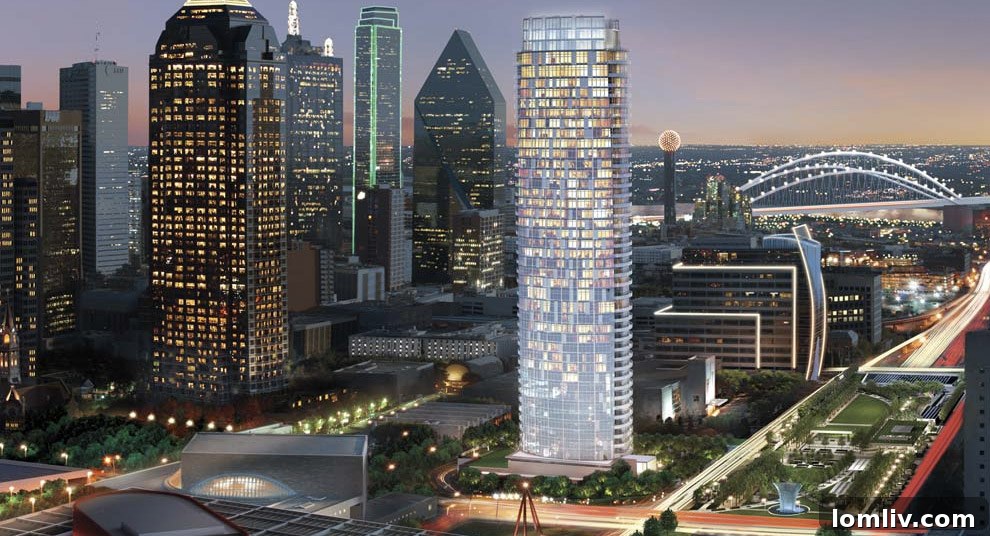
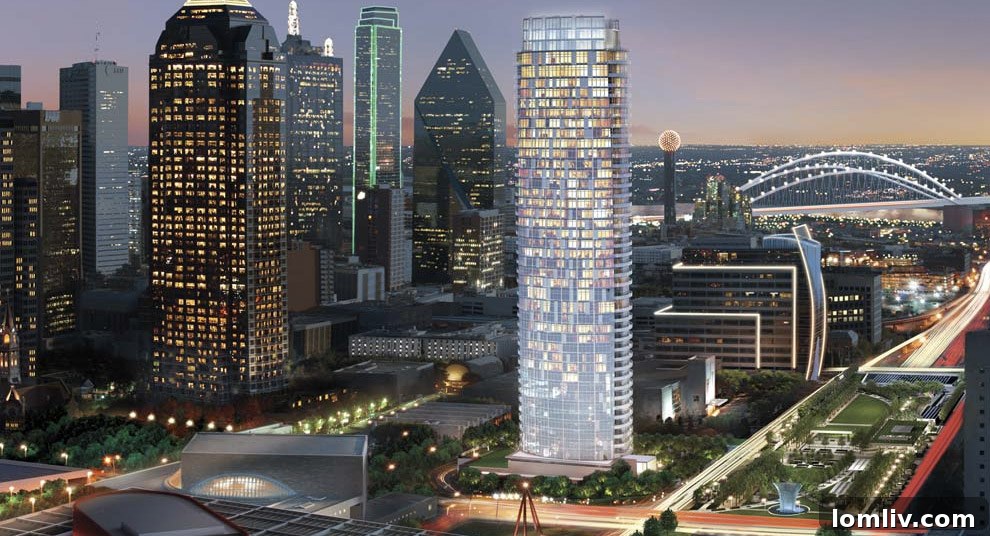
In the vibrant and ever-evolving Dallas real estate landscape, major construction projects often attract significant attention, both positive and, at times, controversial. The iconic Museum Tower, a prominent feature of the Dallas Arts District, has certainly had its share of the spotlight since its inception. While celebrated for its modern architecture and luxurious residences, the tower has also been at the center of various discussions, including the well-documented reflectivity concerns impacting the nearby Nasher Sculpture Center, and more recently, headlines concerning a construction-related lawsuit.
Veteran reporter Robert Wilonsky, known for his incisive coverage of Dallas affairs, recently brought attention to a legal dispute touching upon the Museum Tower. However, as is often the case with complex legal matters and the urgency of news reporting, initial headlines can sometimes be misleading, painting a picture that doesn’t fully capture the intricate details. The true nature of this particular lawsuit, involving the general contractor of Museum Tower and a subcontractor, offers a valuable look into the operational complexities of large-scale construction projects and the critical importance of accurate reporting.
Setting the Record Straight: Who is Actually Being Sued?
It’s crucial to clarify the parties involved in this legal action. Despite headlines that might suggest otherwise, Museum Tower itself, as the owner and developer of the property, is not being directly sued in this instance. The lawsuit in question targets the project’s general contractor, Austin Building Company. This distinction is paramount, not just for legal accuracy but also for maintaining the public perception and reputation of a high-profile development like Museum Tower. In the world of commercial real estate, clarity on such matters can significantly influence investor confidence and potential buyer interest.
The core of the dispute revolves around alleged unpaid bills. Custom Components, a company involved in the “fabrication and installation of Exterior Glass and Metal Railings” for the tower, has filed a lawsuit against Austin Building Company, claiming a significant sum of $237,374.50. This type of subcontractor dispute, while impactful for the companies directly involved, is not an uncommon occurrence in the multifaceted construction industry, where large sums of money, tight deadlines, and intricate contracts are the norm.
The Role of Liens and the Wider Impact on Construction Projects
Beyond the direct lawsuit, the issue of liens has also surfaced, further complicating the narrative. According to WFAA-TV, which offered a slightly more accurate headline, “$800,000 in unresolved claims filed against Museum Tower.” County records indeed show that various contractors have placed liens on the tower for alleged unpaid bills totaling approximately $800,000. These liens are legal claims against a property for unpaid debts related to work performed or materials supplied. In real estate, liens can be a significant concern, as they can complicate property transactions, potentially deterring buyers or delaying closing processes until the claims are resolved.
However, it’s vital to understand the protective measures often implemented in major construction ventures. Austin Building Company has proactively purchased a bond to cover any potential liens. This bond acts as a financial guarantee, assuring that if a court determines that Austin Building Company is responsible for the payments, the funds are available to satisfy the claims, thereby shielding the Museum Tower ownership from direct financial liability. As an Austin Industries spokesman, Andy Rittler, stated, “A bond was filed to protect the owner of the project in the event of suit to foreclose the lien. Austin vigorously contests this claim, and is working to resolve this issue.” This demonstrates a standard industry practice designed to mitigate risks for project owners and ensure the smooth progression of construction and property sales, even amidst contractor disputes.
The Ripple Effect of Trainor Glass Company’s Bankruptcy
To fully grasp the context of these unpaid bills and liens, one must look back at a significant event in the construction industry: the abrupt shutdown of Farmers Branch-based Trainor Glass Company in early 2012. Trainor Glass was a national powerhouse in glass wall fabrication, holding multi-million dollar contracts for numerous high-profile projects across the nation, including several in Dallas. Its portfolio at the time included:
Among the company’s pending projects is a $10 million contract to provide glass for the first four floors of the new Parkland Hospital under construction. Trainor also has a $16.2 million contract with the Museum Tower in downtown Dallas, a $2.2 million job for the Perot Museum of Nature and Science and a contract for $9.3 million for the Baylor Cancer Center. It just completed a $15.1 million contract to install windows at the Omni Dallas Hotel, which is attached to the Dallas Convention Center. It has major public and private projects pending nationwide, from a courthouse in Staten Island, N.Y., to a hospital in Salt Lake City.
The sudden bankruptcy of such a large and critical supplier sent ripple effects throughout the construction sector. It is highly probable that many of the existing liens on Museum Tower, as well as the dispute between Austin Building Company and Custom Components, are a direct or indirect consequence of Trainor’s financial collapse. When a key subcontractor goes out of business, it can create a complex web of unpaid invoices, disrupted supply chains, and re-contracting efforts, often leading to disputes over costs, quality, and timelines among the remaining parties. Understanding this broader industrial context is essential for accurately interpreting the current legal situation surrounding Museum Tower.
The Power of Headlines: Shaping Public Perception in Real Estate
The initial confusion surrounding the Museum Tower lawsuit underscores the immense power of headlines in shaping public perception, especially in the high-stakes world of real estate. A headline stating, “Museum Tower’s being sued in Dallas court over $237,000 in unpaid bills,” or “Museum Tower, now at the center of one lawsuit,” can create immediate alarm. For potential buyers, investors, or even the general public, such phrasing implies direct culpability on the part of the property owner, suggesting financial instability or significant legal woes for the tower itself. This can lead to wrong conclusions, as evidenced by the immediate inquiries sent to bloggers and reporters before the full details of the article were absorbed.
Journalistic responsibility, therefore, plays a crucial role in accurately representing complex situations. While the drive for concise, attention-grabbing headlines is understandable, sacrificing clarity and precision can have real consequences for the entities involved. In the competitive Dallas real estate market, negative or misleading press, even if later corrected, can momentarily impact property values, generate unwarranted concern, and potentially complicate sales or refinancing efforts.
Museum Tower’s Official Stance and Protection Mechanisms
In response to the circulating reports and to provide clarity, Museum Tower issued an official statement, reinforcing the distinctions and protective measures in place:
Museum Tower’s general contractor, Austin Building Company, and Custom Components are engaged in a dispute over work performed on Museum Tower. This is not an unusual development in the construction industry.
Under Museum Tower’s contract, Austin Building Company as the building’s general contractor is responsible for all sub-contractor payments. Austin has already purchased a bond to cover Custom Component’s monetary claim as well as any other claims submitted by sub-contractors. Austin will handle any and all dealings with the sub-contractors. A court will determine the validity of the claims and if Austin is responsible for payment.
However, it is important to point out that all the liens in existence are related to work contracted by Trainor Glass Co., which was the third largest U.S. construction glass company involved in major projects throughout the Dallas area—including Museum Tower. Trainor abruptly ceased operations on February 21, 2012.
Most importantly and to reiterate, Austin Building Company has full responsibility for any filed liens.
This statement unequivocally clarifies several critical points. Firstly, it reiterates that the dispute is between the general contractor and a subcontractor, a common occurrence in large-scale construction. Secondly, it highlights Austin Building Company’s contractual responsibility for all subcontractor payments, thereby shielding Museum Tower. Most significantly, it confirms the existence of a bond specifically procured to cover such monetary claims and liens, providing a layer of financial security for the property owner. Finally, the statement directly links the lien issues to the bankruptcy of Trainor Glass Co., providing a comprehensive explanation for the underlying causes of the ongoing financial disagreements. This level of transparency and the pre-existing protective measures underscore the robust project management and risk mitigation strategies employed in the development of major Dallas landmarks.
Conclusion: A Broader Understanding of Construction Realities
The situation surrounding Museum Tower and its general contractor offers more than just a glimpse into a legal dispute; it provides a comprehensive lesson in the intricate world of large-scale construction, the complexities of subcontractor relationships, and the vital role of accurate media representation. While the Museum Tower has faced other high-profile challenges, such as the widely discussed reflectivity issue affecting the Nasher Sculpture Center, this particular lawsuit highlights the standard operational intricacies that come with developing an architectural marvel in a dense urban environment.
Ultimately, the lawsuit against Austin Building Company for unpaid bills, compounded by the ripple effects of Trainor Glass Company’s bankruptcy, is being managed through established contractual and financial mechanisms. With Austin Building Company taking full responsibility for subcontractor payments and securing a bond to cover potential liens, Museum Tower itself remains financially protected, allowing it to continue its role as a premier residential address and a significant architectural contribution to the Dallas skyline. This saga reinforces the importance of discerning information, looking beyond sensational headlines, and understanding the robust frameworks in place to navigate the inevitable challenges of monumental construction projects in the dynamic Dallas real estate market.