Discover Hampton Hills: Oak Cliff’s Enduring Legacy of Charm and Community
Nestled within the vibrant heart of Oak Cliff, Dallas, the Hampton Hills neighborhood stands as a testament to timeless charm and thoughtful urban planning. From its inception in 1924, Hampton Hills has consistently lived up to its initial branding campaign, captivating residents with its unique blend of historical significance, architectural beauty, and an unparalleled sense of community. Originally envisioned as “Oak Cliff’s Ideal Home Place” by pioneering developer Alf W. Sanders, this enchanting district continues to draw those seeking a distinctive living experience, rich in heritage and modern convenience.
The vision for Hampton Hills was meticulously crafted almost a century ago. Alf W. Sanders didn’t merely build houses; he curated a lifestyle. His initial advertising in the Dallas Morning News didn’t just target potential homeowners; it painted a picture of an idyllic suburban retreat within easy reach of the city’s bustling core. This strategic marketing successfully attracted a diverse market, from middle management professionals to skilled tradesmen, all seeking comfortable residences with convenient streetcar access to downtown Dallas jobs. More than just a marketing slogan, “Oak Cliff’s Ideal Home Place” firmly established the neighborhood’s welcoming and aspirational vibe for generations to come, a spirit that truly defines Hampton Hills today.
Alf W. Sanders: The Visionary Behind Hampton Hills’ Enduring Appeal
Sanders’ commitment to developing a truly exceptional community went far beyond mere rhetoric. His comprehensive approach to urban development set a new standard for the era. The selling points he highlighted were not just amenities; they were foundational elements of a superior quality of life. These included the promise of permanently paved streets, ensuring smooth access and aesthetic appeal, along with the installation of essential modern utilities: reliable water, gas, electricity, and comprehensive sewer lines. Furthermore, Sanders strategically chose well-drained, higher ground for the development, providing terraced lots that offered impressive views of the surrounding landscape. The proximity to quality schools also made Hampton Hills an immediate magnet for families, cementing its reputation as an ideal place to raise children.
Demonstrating his unwavering belief in the community he was creating, Sanders himself chose to reside in Hampton Hills, building his personal home at 1322 Montreal Avenue. This act of personal investment underscored his confidence in the neighborhood’s appeal and livability. To further facilitate the growth and sales of his vision, he established the Hampton Hills Realty Company, opening a dedicated sales office in a distinctive Tudor-style building. This historic structure, located on what is now Wilton Street, remarkably remains a recognizable landmark today, a tangible link to the neighborhood’s origins and Sanders’ pioneering spirit.
Architectural Masterpieces: The Signature Styles of Early Hampton Hills
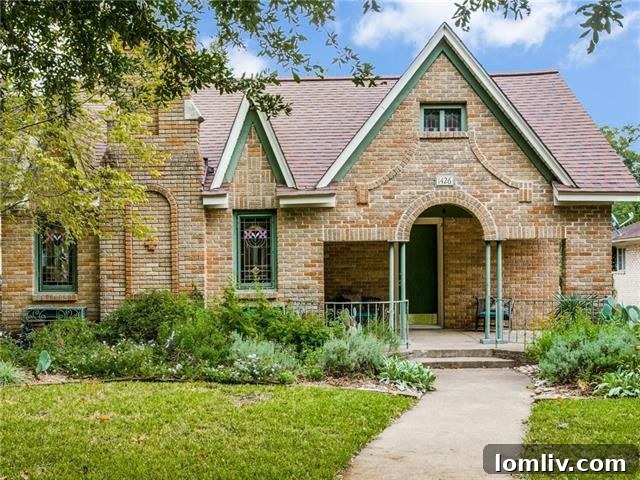
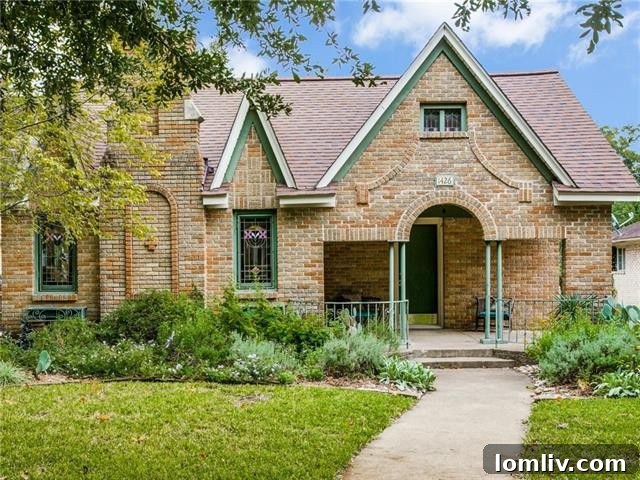
Alf W. Sanders is widely celebrated not only for his foresight in urban planning but also for his significant contributions to the architectural landscape of Hampton Hills. He is credited with constructing a substantial number of the neighborhood’s iconic Craftsman and Tudor cottages, often featuring practical detached garages. What truly set Sanders’ creations apart was his innovative and creative fusion of materials and styles. His homes frequently showcased an artful combination of brick, intricate stonework, and a captivating “storybook” aesthetic, imbuing each residence with a unique character and charm that persists to this day.
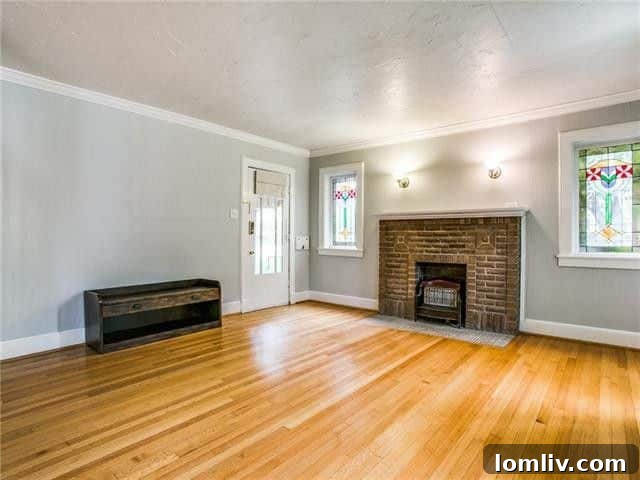
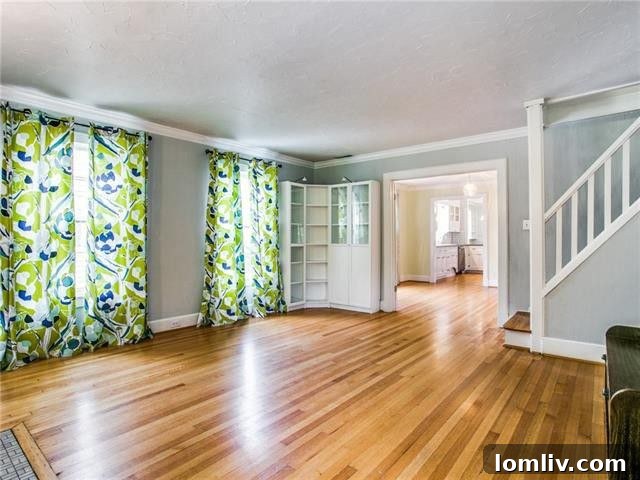
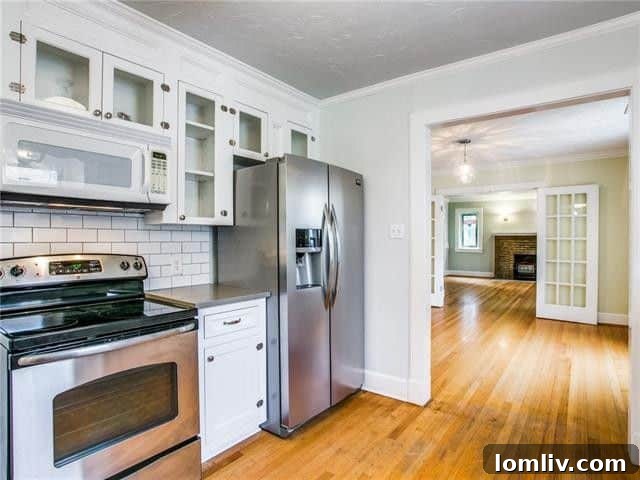
The distinctiveness extended beyond the exterior. While facades varied, incorporating elements of frame, brick, and stone, the interiors were equally impressive and thoughtfully designed. Sanders’ homes often featured elegant arched doorways, which added a sense of grandeur and flow between spaces, complemented by rich hardwood flooring that exuded warmth and sophistication. Beyond these classic elements, he introduced vibrant touches like colorful bathrooms and efficiently designed galley kitchens. These kitchens were not only functional but also charming, often including breakfast areas and bespoke built-in cabinetry, frequently accented by stylish beveled mirrors and exquisite stained glass details. However, perhaps his most recognizable and beloved signature trademark was the wooden fireplace mantel, meticulously crafted and often bordered by integrated built-in bookcases, creating a cozy and intellectually inviting focal point in many Hampton Hills living rooms.
From Wartime Stagnation to Post-War Renaissance: The Rebirth of Hampton Hills
Despite the initial robust sales and the undeniable appeal of Hampton Hills, the tides of global conflict inevitably impacted local development. Home building in the neighborhood experienced a dramatic halt during World War II, a direct consequence of the widespread rationing of essential building materials. This period of stagnation paused the growth of what was rapidly becoming one of Oak Cliff’s most desirable communities. However, as the war concluded and peace returned, an unprecedented influx of returning veterans to the burgeoning Dallas area sparked a massive building boom, creating a renewed demand for housing.
It was at this crucial juncture that Wiley Roberts, a respected Oak Cliff Realtor, seasoned builder, and an influential executive board chairman of the Dallas Association of Home Builders, stepped forward to complete Sanders’ vision. Roberts recognized the intrinsic value and potential of Hampton Hills and enthusiastically opted to pick up the mantle of development. His leadership was pivotal in reigniting the construction efforts and ushering in a new era of growth for the neighborhood, ensuring its continued evolution while respecting its established character.
Roberts initially embarked on a plan to construct 25 new homes, each priced around an accessible $8,000, catering to the needs of the post-war generation. The project gained significant momentum when his son, Bill Roberts, a Navy veteran, joined him in the endeavor. Together, they expanded the scope, increasing the total number of planned houses to 40. More significantly, they introduced a fresh, modern architectural style to the neighborhood, a sophisticated blend of Colonial and Tudor designs. These new homes, while distinct, seamlessly integrated with the existing character of Hampton Hills. Key features of this updated style included innovative corner-wrapped windows, which allowed for increased natural light and a contemporary feel, and asymmetrical facades with off-centered front entrances, adding a subtle touch of artistic flair. These design elements contributed another rich architectural dimension to Hampton Hills, creating a harmonious evolution of styles rather than a stark contrast, further enhancing the neighborhood’s diverse appeal.
Hampton Hills Today: A Flourishing Historic Gem in Dallas
Today, Hampton Hills is celebrated as one of Dallas’s most remarkably preserved neighborhoods, boasting some of the most undisturbed original architecture in the entire city. Walking through its tree-lined streets is like stepping back in time, yet with all the conveniences of modern urban living just moments away. This dedication to architectural preservation ensures that the unique charm and historical integrity envisioned by its early developers continue to captivate residents and visitors alike.
Beyond its stunning homes, the true heart of Hampton Hills lies within its vibrant community. According to the Hampton Hills Neighborhood Association, the most invaluable asset of this area is its incredibly diverse population of residents. These individuals share a profound appreciation for their neighborhood’s rich history and its enviable location near the dynamic urban center of Dallas. The community is renowned for its warm and welcoming atmosphere, consistently extending the “welcome mat” to new neighbors, fostering a strong sense of belonging and camaraderie that makes Hampton Hills truly special.
Living in Hampton Hills offers residents a unique blend of tranquility and urban accessibility. Enjoying the serene environment of a historic, tree-lined street while being mere minutes from Dallas’s cultural attractions, world-class dining, bustling entertainment districts, and major employment hubs is an irresistible combination. This strategic location makes Hampton Hills not just a beautiful place to live, but also a smart investment, as properties in such well-preserved, desirable areas tend to retain and increase in value over time.
From its meticulously crafted homes to its vibrant and inclusive community, Hampton Hills represents the pinnacle of residential desirability in Oak Cliff. It is a neighborhood where history is not just remembered but actively lived, offering a quality of life that is both enriching and deeply satisfying. Whether you are captivated by its architectural heritage, its close-knit community, or its prime location, Hampton Hills continues to stand as Oak Cliff’s quintessential “Ideal Home Place.”
Explore a Piece of History: 1426 S. Montreal Avenue
For those enchanted by the allure of Hampton Hills, an exceptional opportunity awaits. Jenni Stolarski with Briggs Freeman Sotheby’s International Realty is currently showcasing an adorable and meticulously maintained Hampton Hills home situated at 1426 S. Montreal Avenue. This residence, a charming embodiment of the neighborhood’s enduring appeal, is listed for $329,000. It offers potential buyers a chance to own a piece of this remarkable community’s history, enjoying the unique architectural character and the warm, welcoming spirit that defines Hampton Hills.