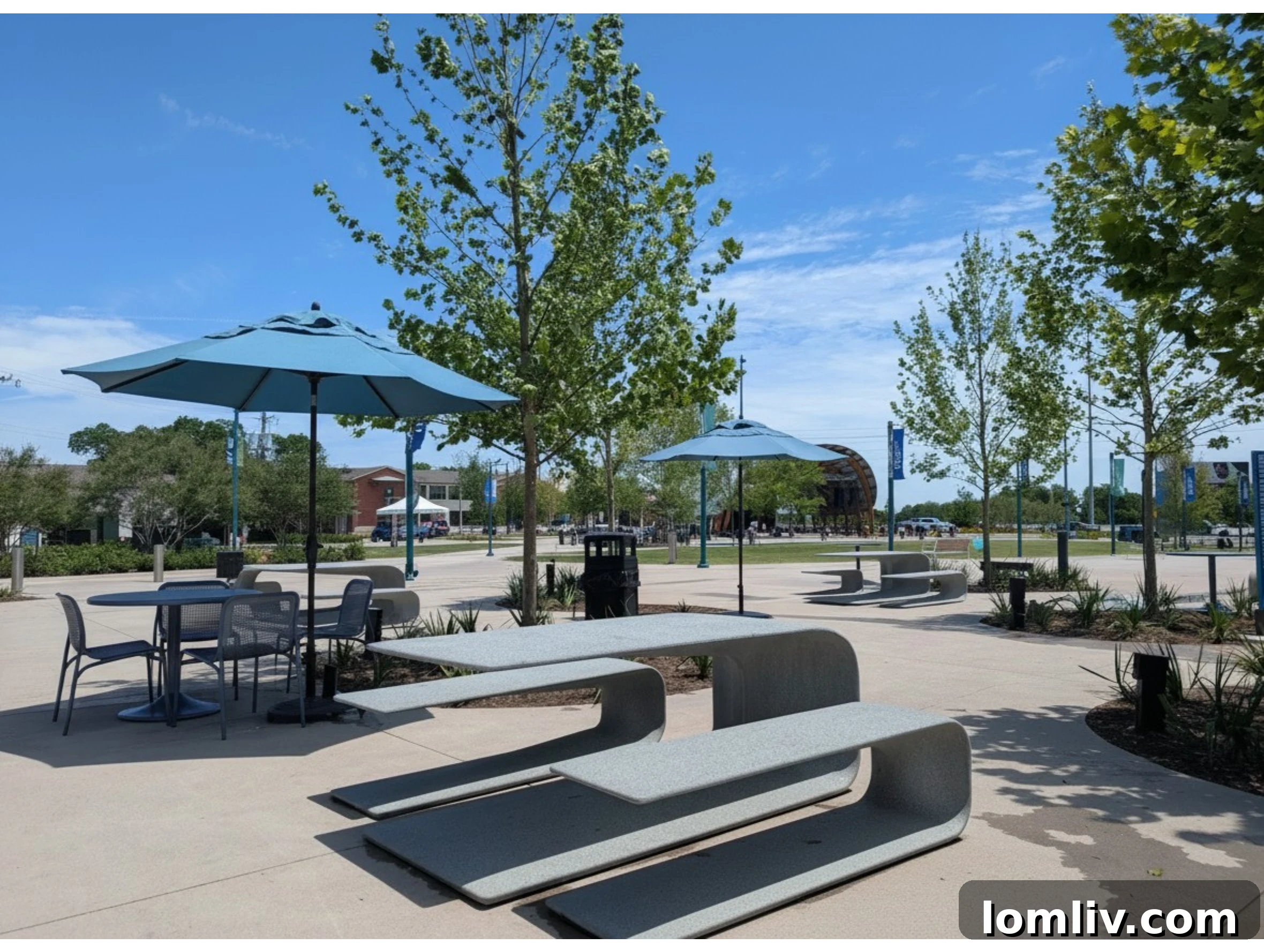
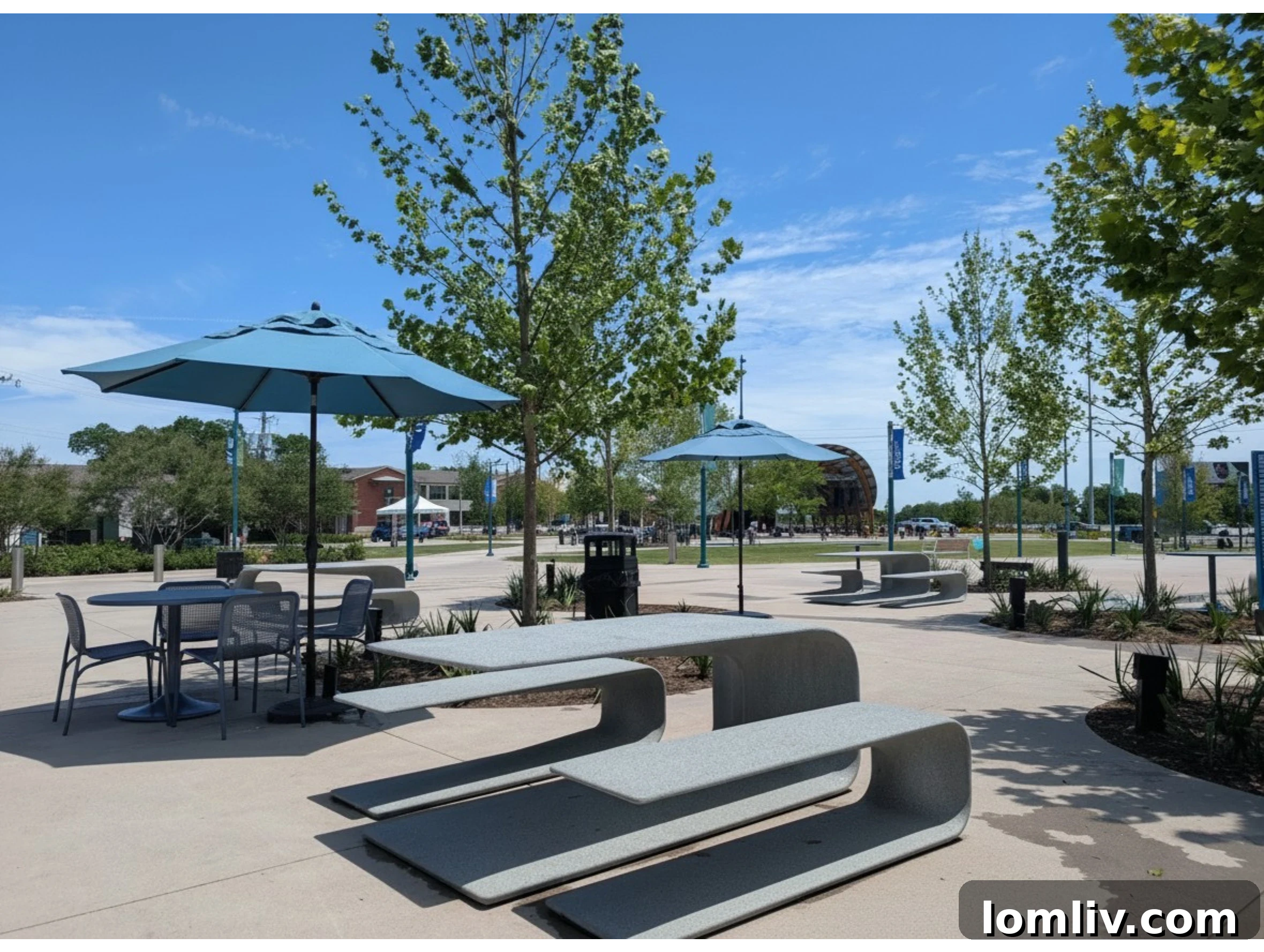
DALLAS — Halperin Park embodies the city’s commitment to reclaiming the space above I-35E as open, accessible parkland for Southern Dallas and Oak Cliff residents. Planned with extensive community input, the park features broad lawns, a performance pavilion, shaded gathering spots, playgrounds, water elements, and clear views of downtown Dallas. Despite these amenities, many visitors arriving on foot still must cross a busy, fast-moving roadway to reach the park.
City leaders have presented Halperin Park as more than a park: a symbol of reconnection. Dallas Mayor Eric Johnson described it as bridging long-divided neighborhoods, and City Manager Kimberly Bizor Tolbert has called it a future landmark and community asset for southern Dallas.
The new deck park spans Interstate 35E near the Dallas Zoo and seeks to reunite historic Oak Cliff, a neighborhood fractured by highway construction in the 1950s. After years of planning, fundraising and public-private collaboration, Halperin Park opened to the public in May 2026.
Residents who live nearby voiced appreciation. Lou Ann Sims, who lives on Tenth Street, said the park “brings people together,” and Kenneth Thomas expressed gratitude that he has lived long enough to see the east and west sides of the neighborhood reconnected.
The safety issue, however, lies just outside the park.
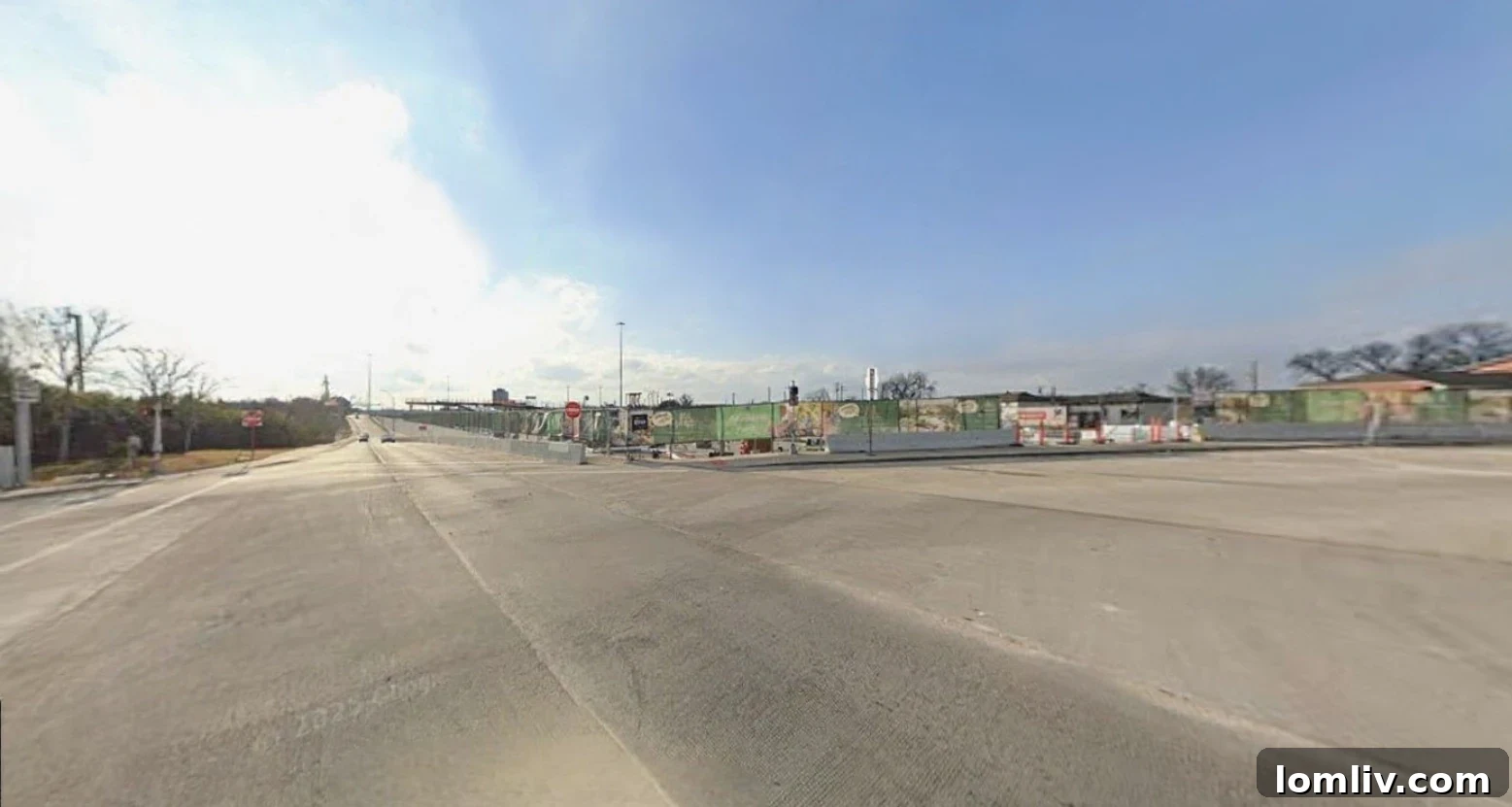
At the park’s northern edge near South Ewing Avenue, painted crosswalks and traffic signals guide pedestrians. Yet many visitors choose to cross farther south, closer to the Lancaster Road entrance, where no crosswalk or signal exists. When the light at Ewing turns green, vehicles exiting I-35E accelerate past the park entrance, creating a hazardous situation for people on foot.
City officials are coordinating with the Dallas Zoo and the Southern Gateway Public Green Foundation on longer-term pedestrian-safety and access improvements around South Lancaster Road and 12th Street. The Dallas City Council also approved up to $8 million to help complete the first phase of the plaza at Halperin Park.
Despite those plans and funding commitments, the access problem remains unresolved. Local residents and park users are calling for more immediate action to protect pedestrians. The contrast with Klyde Warren Park, Dallas’ first deck park, highlights the gap: Klyde Warren sits in the heart of downtown within an established street grid with marked crossings and frequent signals, while Halperin spans I-35E adjacent to a busy service road, where safe pedestrian access is less clear.
A park intended to reconnect communities must start by ensuring safe, welcoming access from the surrounding streets. City leaders and partners can and should treat Halperin’s pedestrian-safety issues as urgent rather than waiting for an accident to prompt change.