Dallas, TX – A significant transformation is on the horizon for intercity bus travel in the Dallas-Fort Worth (DFW) metropolitan area. Flix North America, the parent company that successfully acquired the iconic Greyhound in 2021, has officially unveiled ambitious plans to inaugurate a state-of-the-art Greyhound bus terminal in Northwest Dallas. This strategic move, anticipated by late September 2025, marks a pivotal step in modernizing and enhancing the travel experience for millions across Texas and beyond, reinforcing Dallas’s position as a key transportation hub.
The new facility, a substantial 5,600-square-foot terminal, is slated for a prime location on Harry Hines Boulevard. This placement, approximately eight miles north of the bustling downtown core, is exceptionally deliberate. Crucially, it positions the new Dallas bus terminal directly across from DART’s Bachman Lake Station. This adjacency is not merely coincidental; it forms the cornerstone of Flix North America’s vision for a truly integrated, multimodal transportation hub, promising unprecedented connectivity for travelers.
Throughout the construction phase of this forward-looking project, Flix North America has assured the public that service at the existing downtown Greyhound terminal will remain fully operational and uninterrupted. Passengers can continue to rely on the current facility until the grand opening of the new terminal. While initial projections had aimed for a completion by the close of 2024, the revised timeline now points to late September 2025, with no definitive move date formally announced. To ensure continuity and minimize disruption, the lease for the long-standing downtown terminal has been prudently extended through April 2025, providing ample time for a smooth and orderly transition. This commitment reflects Flix’s dedication to maintaining seamless service during a period of significant infrastructural upgrade.
The strategic decision to establish the new Greyhound terminal on Harry Hines Boulevard profoundly underscores the company’s commitment to superior connectivity and an improved passenger journey. By situating the facility directly opposite DART’s Bachman Station, Greyhound is poised to revolutionize the process of transferring between its extensive intercity bus network and Dallas’s robust local rail services, particularly the vital Green and Orange Lines. This innovative integration is expected to offer a myriad of benefits. For countless commuters and long-distance travelers alike, this relocation promises dramatically easier access to an expansive network of Dallas’s rapidly growing suburbs. Key areas such as Carrollton, Farmers Branch, Las Colinas, Richardson, and Plano will now be more seamlessly connected to the national bus network, fostering greater accessibility for work, leisure, and personal travel within the dynamic DFW metroplex. This integration serves as a model for modern urban transportation planning.
Kai Boysan, the astute Chief Executive of Flix, articulated the overarching vision behind this initiative in a recent statement, emphasizing the profound impact it will have on regional travel and beyond. “This new terminal offers significantly improved connectivity for DFW-area travelers and vividly reflects our unwavering commitment to multimodal solutions,” Boysan stated. He further elaborated on how this project meticulously links Greyhound’s acclaimed services with public transit and other essential transportation modes, all with the singular goal of crafting “a more seamless and convenient travel experience” for every passenger. This forward-thinking approach aligns with global trends in urban planning, where integrated transportation systems are lauded for reducing congestion, lowering carbon footprints, and enhancing overall urban mobility for a more sustainable future.
The project has garnered enthusiastic support from local leadership, recognizing its critical role in the city’s infrastructure. Omar Narvaez, a distinguished member of the Dallas City Council, voiced strong approval, highlighting the profound community benefits inherent in the new terminal. He underscored how this facility will significantly broaden public access to affordable and reliable long-distance transportation, simultaneously playing a crucial role in alleviating persistent urban congestion. “This strategic location will undoubtedly benefit travelers throughout the entire Dallas-Fort Worth area, serving as a critical artery for regional mobility,” Narvaez remarked, acknowledging the foresight in its placement. He lauded the project as “a prime example of an effective public-private partnership in delivering essential infrastructure that genuinely serves the community’s evolving needs,” pointing to the collaborative spirit between Flix North America and local authorities as a blueprint for future developments.
This public-private partnership model is a cornerstone of modern infrastructure development, allowing for shared risks, leveraged expertise, and optimized resource allocation. It signifies a collective effort to invest in public good, blending private sector efficiency and innovation with public sector oversight and community focus to deliver projects that benefit society at large. The collaboration on the new Dallas Greyhound station exemplifies how such alliances can foster innovative solutions to complex urban challenges like transportation access, economic development, and environmental sustainability, ultimately enhancing the quality of life for residents and visitors.
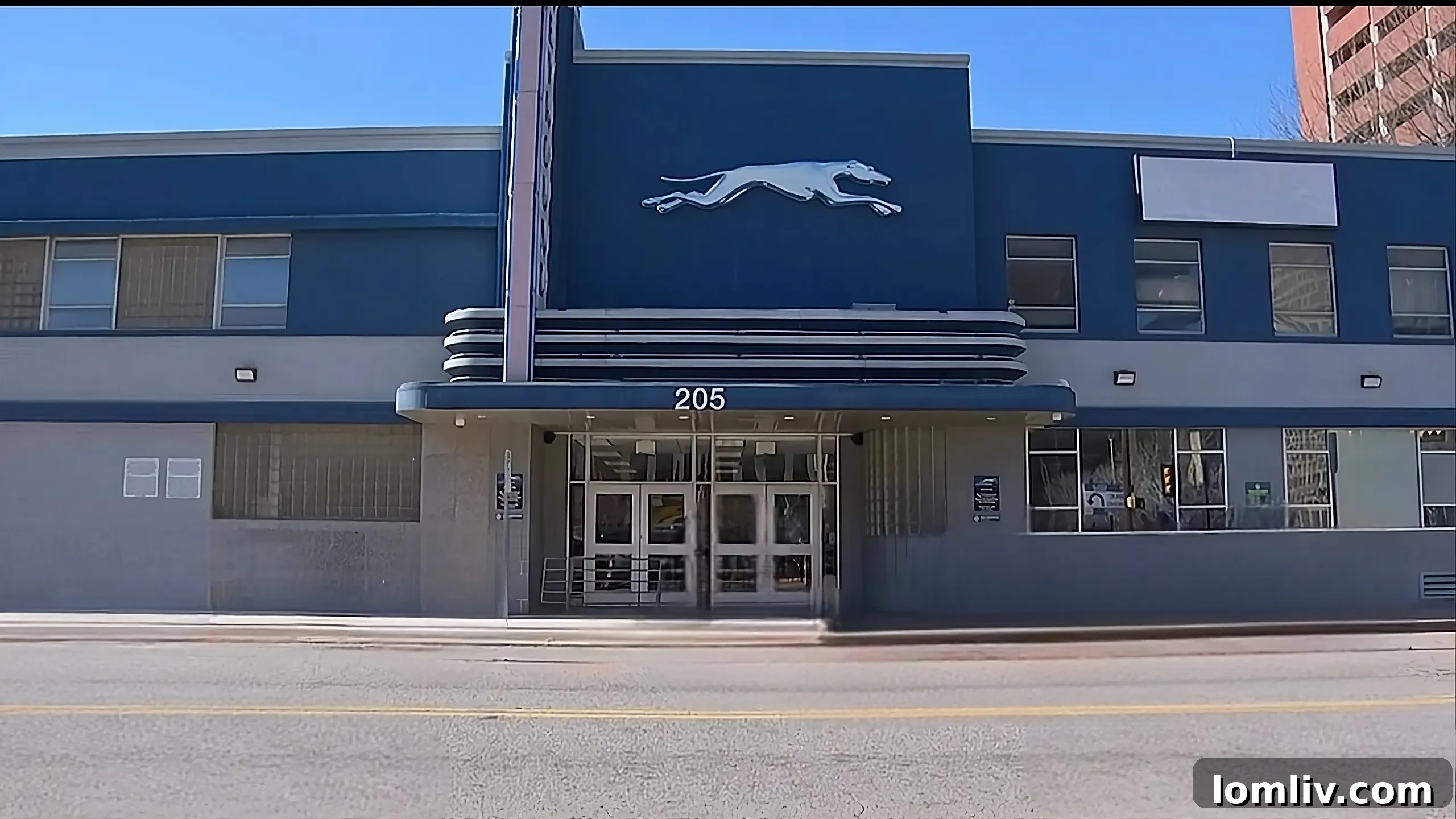
Meanwhile, the future of the current downtown Greyhound station at 205 S. Lamar Street is also taking shape. Ray Washburne, a prominent Dallas developer who acquired the property last October, has indicated clear intentions to either revitalize or comprehensively redevelop the site. While specific, detailed plans for the redevelopment have yet to be publicly released by Mr. Washburne, the project is widely anticipated to play a crucial role in the ongoing, dynamic transformation of downtown Dallas. This vibrant area has been undergoing a significant renaissance, attracting new businesses, residential developments, and cultural venues. The former bus terminal site, with its strategic downtown location, presents a unique opportunity for high-impact urban renewal. This redevelopment could usher in new commercial spaces, residential units, or sophisticated mixed-use complexes, further enhancing downtown’s appeal and economic vitality, a testament to Dallas’s continuous growth as a major metropolitan and cultural hub. The potential for this prime real estate to contribute to a more walkable, energetic downtown is immense.
The relocation of the Greyhound terminal is more than just a change of address; it represents a forward-thinking investment in the future of intercity travel and urban infrastructure. By prioritizing connectivity, sustainability, and passenger convenience, Flix North America is setting a new standard for bus transportation. The sophisticated integration with DART’s light rail system at Bachman Lake Station positions the new facility as a genuine multimodal gateway, making bus travel an even more attractive and efficient option for residents and visitors alike. This strategic move is expected to not only streamline travel for existing Greyhound passengers but also attract new users who value seamless transfers, reduced travel times, and enhanced accessibility to various parts of the DFW metroplex, further solidifying public transportation as a viable and desirable choice.
This significant development comes at a time when intercity bus travel continues to be a vital component of the nation’s transportation network, offering an affordable, accessible, and often more sustainable alternative to air or private car travel. For many, Greyhound represents a lifeline for connecting with family, accessing educational opportunities, or pursuing economic prospects across vast distances. Modernizing its facilities, especially in key urban centers like Dallas, is paramount to maintaining its relevance and enhancing its service quality in a competitive market. The new terminal, with its contemporary design, advanced amenities, and strategic location, is poised to offer a more comfortable, efficient, and welcoming environment, significantly elevating the overall customer experience and setting a new benchmark for bus travel facilities.
Furthermore, the environmental benefits of promoting public and intercity transportation cannot be overstated. By encouraging a shift away from single-occupancy vehicle trips and offering integrated public transit options, the new Dallas Greyhound bus terminal contributes directly to reduced traffic congestion, decreased reliance on fossil fuels, and lower carbon emissions. This aligns perfectly with broader global efforts to create more sustainable urban environments and combat climate change, making the project not just an economic and social win but also an ecological triumph for the Dallas community. It demonstrates a commitment to greener transportation solutions that benefit all.
Looking ahead, the new Greyhound terminal on Harry Hines Boulevard is poised to become a landmark for regional transportation, redefining expectations for bus travel. Its opening in late September 2025 will not merely mark the inauguration of a building but the beginning of a new chapter for convenient, connected, and modern bus travel in North Texas. With dramatically improved access to DART, state-of-the-art passenger amenities, and a steadfast commitment to seamless journeys, this initiative solidifies Dallas’s reputation as a well-connected, forward-thinking, and environmentally conscious city, ready to serve the evolving needs of its diverse population and the steady stream of travelers who choose Greyhound.