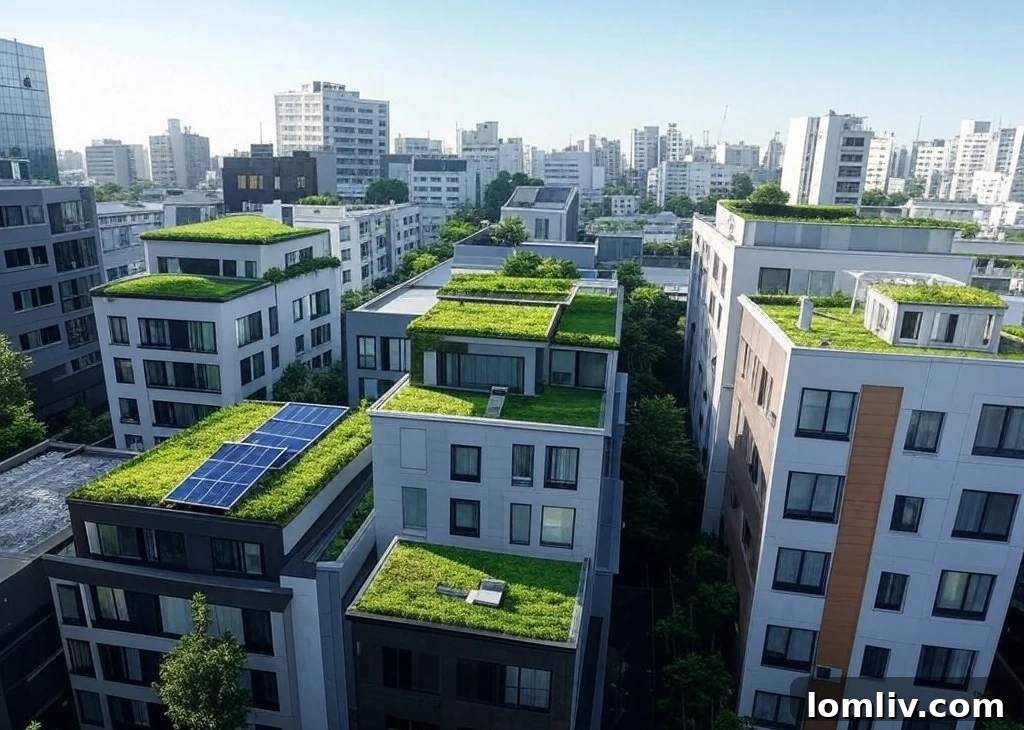
In today’s rapidly evolving real estate landscape, the sustainability of buildings has become a paramount concern for both discerning investors and prospective tenants. The shift towards eco-friendly properties is not merely a trend; it’s a fundamental transformation driven by tangible benefits. Green upgrades offer a compelling array of advantages, including significant financial savings, a substantial boost in property value, reduced operating costs, and enhanced market competitiveness within an increasingly environmentally conscious sector. Crucially, these improvements also contribute positively to global environmental health, aligning financial objectives with ecological responsibility.
The Surging Demand for Sustainable Living and Working Spaces
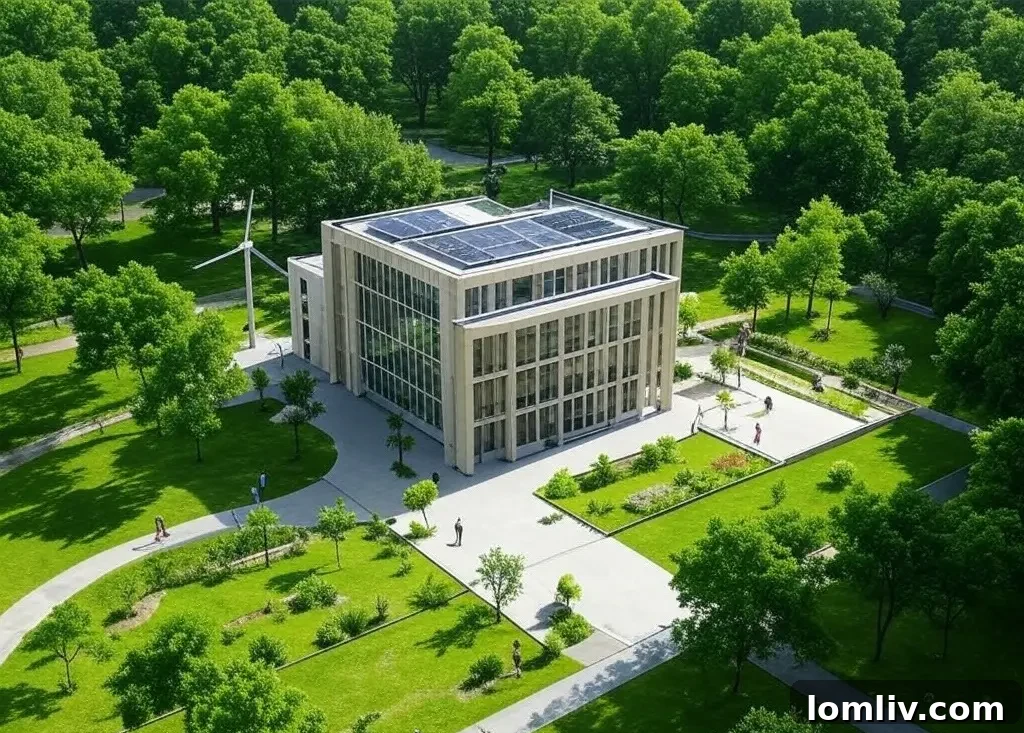
Modern renters and buyers are looking beyond superficial aesthetics and basic amenities; they are actively seeking living environments that reflect a commitment to sustainability and well-being. A recent comprehensive survey underscored this evolving preference, revealing that the top priorities for renters now include superior energy efficiency, the use of sustainable and non-toxic building materials, and a range of eco-friendly amenities designed to reduce environmental impact and improve quality of life. Properties equipped with innovative features such as advanced LED lighting systems, smart thermostats for optimized climate control, and water-saving fixtures in bathrooms and kitchens are consistently attracting a premium, demonstrating that tenants are not only willing but eager to pay more for homes that align with their green values.
This escalating consumer demand is further amplified and supported by supportive governmental policies and frameworks. Across numerous U.S. cities and states, legislative bodies are actively incentivizing the adoption of green building technologies and practices. These incentives often manifest as attractive tax breaks, streamlined permitting processes, and grants specifically targeting buildings that achieve stringent energy efficiency standards. Such policies not only encourage sustainable development but also create a favorable regulatory environment for property owners contemplating green renovations. Concurrently, the landscape of institutional investment is undergoing a significant transformation, with a pronounced shift towards ESG (Environmental, Social, and Governance) investments in multifamily real estate. This trend positions sustainable properties as a top-tier choice for investors seeking stable, responsible, and future-proof assets. A landmark report published by the reputable National Multifamily Housing Council (NMHC) further corroborates this sentiment, highlighting that an impressive figure of over 60% of renters consider energy efficiency a crucial deciding factor when selecting their next residence. This underscores a clear market signal: green living is no longer a niche preference but a mainstream expectation.
Boosting Property Value Through Strategic Energy Efficiency Enhancements
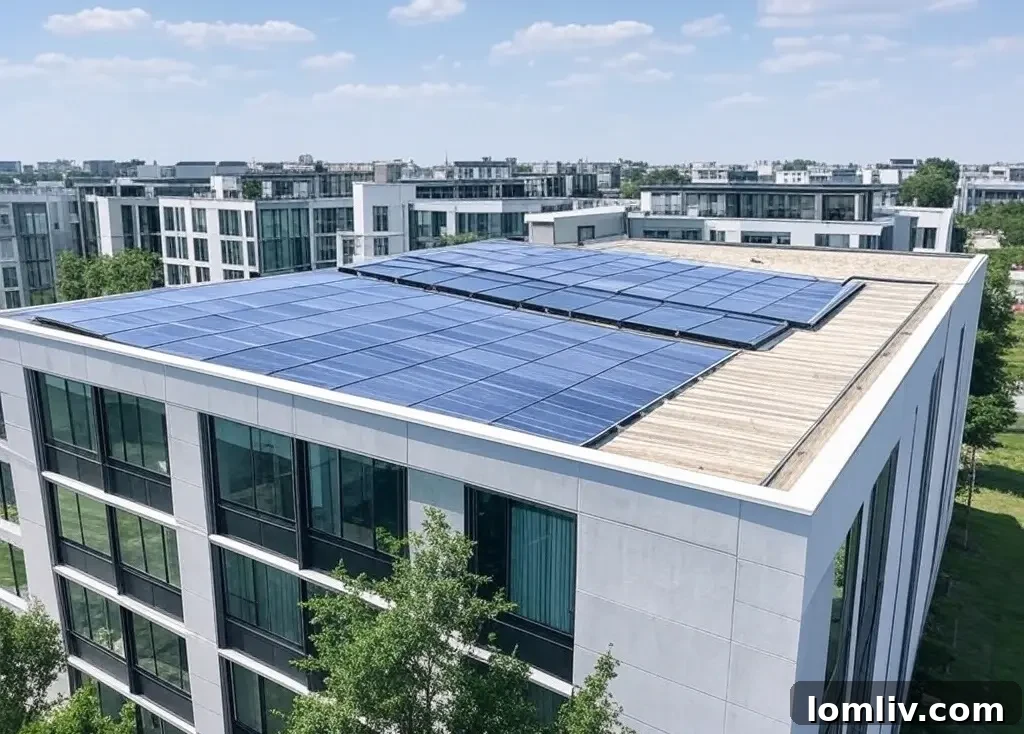
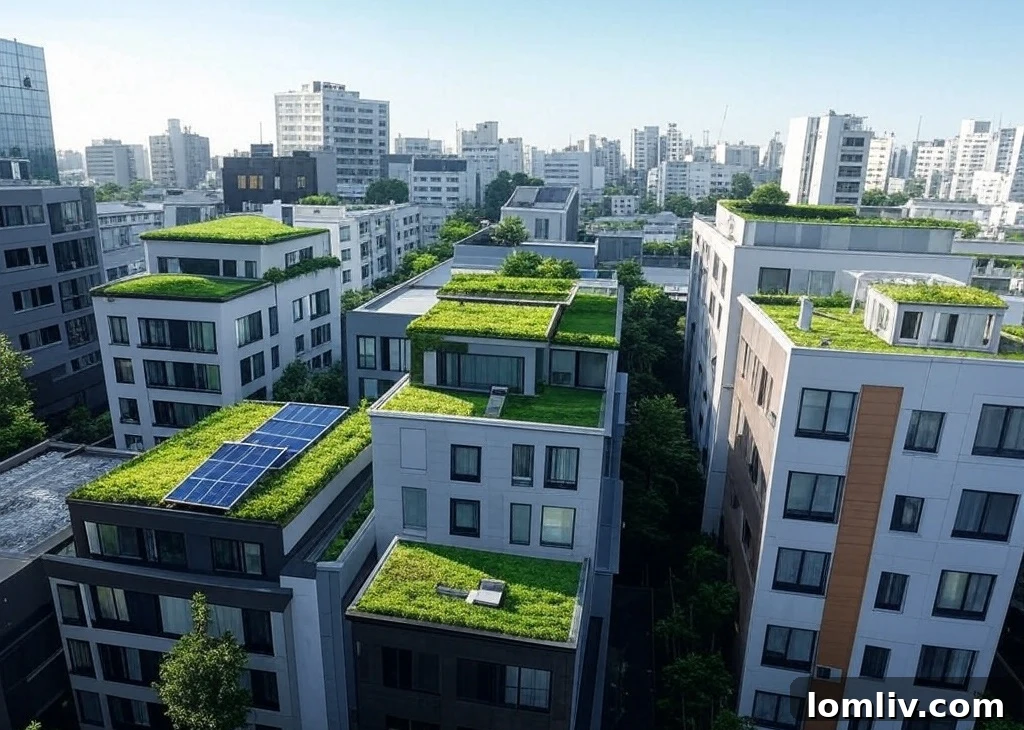
The most immediate and impactful benefit of integrating sustainable upgrades into a property is the significant reduction in long-term operating costs. Energy-efficient buildings inherently consume less electricity, natural gas, and water, leading to a dramatic decrease in utility bills for both property owners and their tenants. This direct financial saving translates into a healthier bottom line and enhanced profitability. Practical examples of such value-driving improvements include the strategic installation of rooftop solar panels for renewable energy generation, the implementation of cutting-edge, energy-efficient HVAC (Heating, Ventilation, and Air Conditioning) systems, and the application of superior insulation materials throughout the building envelope. Each of these upgrades contributes to a substantial improvement in the property’s overall energy performance, making it not only more cost-effective to operate but also significantly more valuable in the eyes of the market.
Beyond the tangible savings, properties that achieve recognized eco-friendly certifications like LEED (Leadership in Energy and Environmental Design) and ENERGY STAR enjoy a distinct competitive advantage. These certifications serve as powerful third-party validations of a building’s environmental performance, assuring potential tenants and buyers of its sustainability credentials. Extensive market studies consistently reveal that certified green buildings boast faster lease-up rates, command higher rental premiums, and achieve superior sale prices compared to their conventional counterparts. This phenomenon is largely due to the increased desirability, perceived quality, and reduced operational risk associated with sustainable properties. Astute property investors are increasingly recognizing that “going green” is not merely an ethical choice but a shrewd, long-term financial strategy that yields significant returns. According to authoritative data from the U.S. Green Building Council (USGBC), properties that successfully attain LEED certification can experience an impressive increase in value of up to 10% or more when compared to similar, non-certified buildings. This tangible evidence solidifies the argument for prioritizing sustainability as a core component of any property investment strategy.
Sustainable Features That Elevate Market Competitiveness
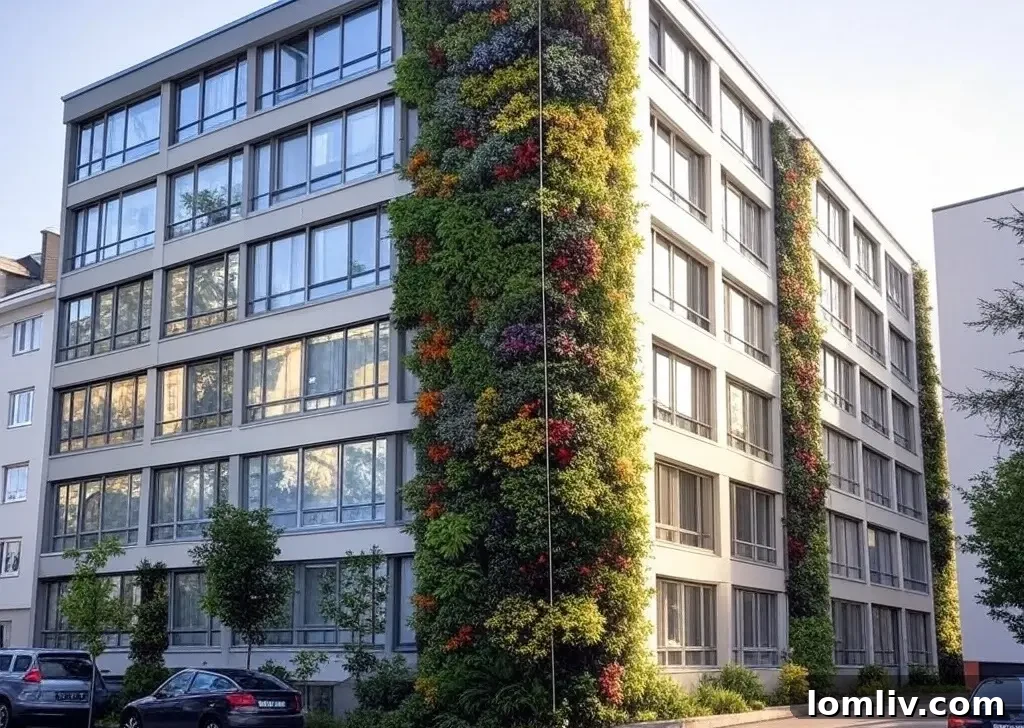
Beyond fundamental energy efficiency, a diverse range of eco-friendly features can significantly enhance a multifamily building’s attractiveness and market competitiveness. Smart home technology stands out as a particularly compelling offering. Systems that allow for automated lighting, remote climate control, and granular energy monitoring provide occupants with unparalleled comfort and convenience while simultaneously optimizing electricity consumption. These integrated solutions empower residents to manage their energy footprint efficiently, leading to savings and a greater sense of environmental responsibility. Similarly, the implementation of water-saving plumbing fixtures, such as low-flow toilets and showerheads, alongside innovative rain harvesting systems, plays a crucial role in reducing utility expenses and bolstering overall property value. In regions susceptible to water scarcity or rising water costs, these features are not just desirable but essential.
Another increasingly popular and visually appealing option is the integration of green roofs and thoughtful landscaping. These natural elements offer more than just aesthetic appeal; they provide substantial environmental benefits. Green roofs, for instance, are highly effective at reducing the urban heat island effect, mitigating stormwater runoff, improving air quality, and even enhancing biodiversity. They also contribute to better building insulation, reducing the need for excessive heating or cooling. On the ground level, strategic landscaping can create inviting outdoor spaces for residents, improving their quality of life and fostering a sense of community. Furthermore, the installation of electric vehicle (EV) charging stations has emerged as a critical amenity for eco-conscious homeowners and a powerful driver of long-term property value. With the global automotive industry rapidly shifting towards electrification, providing convenient charging infrastructure future-proofs a property and caters to a growing demographic. In the U.S., the number of electric vehicles on the road is projected to reach an astounding 26 million by 2030, making accessible EV charging stations an undeniably attractive and essential feature for potential tenants and buyers alike.
The Transformative Impact of ESG Financing on Multifamily Housing
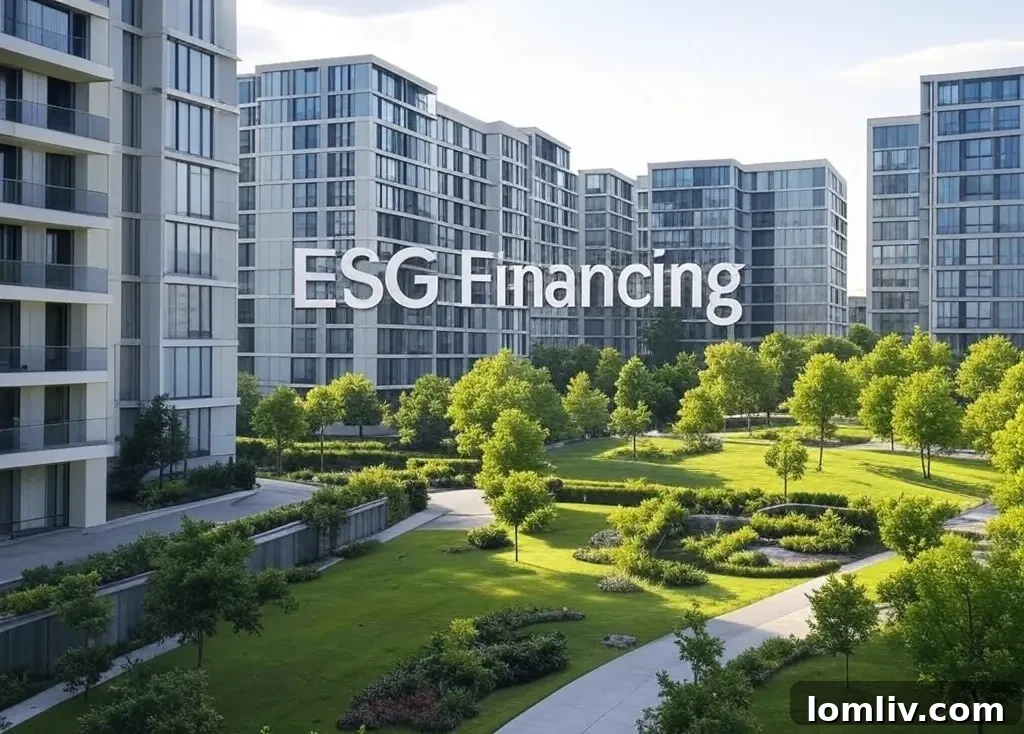
In the United States, ESG-based financing is rapidly gaining prominence within the real estate sector, particularly for multifamily properties. This paradigm shift is driven by a growing understanding among investors and lenders that sustainable projects inherently present lower financial risks and possess greater potential for higher long-term value. Financial institutions, including major banks and specialized lenders, are increasingly offering a suite of incentives specifically tailored for green developments. These incentives often include favorable terms on green bonds, which fund environmentally beneficial projects, and specialized energy efficiency loans designed to make sustainable upgrades more accessible and affordable. This financial ecosystem encourages developers and property owners to prioritize sustainability, knowing that there is robust support for such endeavors.
Simultaneously, an increasing number of cities and municipalities are proactively implementing stringent energy efficiency standards and ambitious carbon reduction policies. This regulatory environment places a significant onus on property owners to modernize their buildings. Those who take proactive steps to upgrade their properties not only contribute to local environmental goals but also strategically avoid potential future penalties, fines, or the necessity of costly, last-minute major renovations. A salient example of this trend is New York City’s groundbreaking Climate Mobilization Act. This landmark legislation mandates substantial carbon emission reductions for large buildings, backed by the threat of significant financial fines for non-compliance. Such policies underscore the urgent need for property owners to embrace sustainability, not just as a preference but as a regulatory imperative that directly impacts their financial viability and long-term asset health.
Unlocking Long-Term Financial Benefits for Property Owners

The commitment to sustainability in real estate transcends mere cost cutting; it unlocks a diverse array of more profitable financing opportunities and robust long-term financial security for property owners. Green properties are ideally positioned to secure funding through specialized programs such as green bonds, which attract ethically conscious investors, and energy efficiency loans that offer advantageous interest rates and repayment terms. Furthermore, a wide spectrum of government incentives, including tax credits, grants, and rebates, are often available to properties that meet specific environmental criteria. The growing landscape of ESG investments also provides a fertile ground for sustainable projects to attract capital, as these investments prioritize environmental stewardship alongside financial returns.
Moreover, embracing sustainability often translates into a demonstrably lower financial risk profile for properties, which can directly lead to more favorable and often cheaper insurance rates. Insurers are increasingly recognizing that green buildings, with their enhanced structural integrity, reduced energy consumption, and often superior maintenance, present fewer risks related to environmental damage, operational failures, or even climate-related incidents. A comprehensive study conducted by the esteemed Urban Land Institute (ULI) provides compelling evidence that buildings integrating robust energy efficiency and sustainability measures consistently offer a higher return on investment (ROI) compared to conventional properties. This enhanced ROI stems from a combination of lower operating costs, increased tenant satisfaction and retention, higher rental premiums, and a broader appeal to both socially responsible tenants and sophisticated institutional investors. Consequently, sustainable properties represent not just an ethical choice, but a financially astute decision for astute owners and investors seeking resilient and profitable assets in the modern market.
The Progressive Future of Green Multifamily Properties
Sustainability has irrevocably cemented its position as a critical and indispensable factor in every facet of property valuation, financing, and ongoing management within the real estate industry. What was once considered an optional enhancement or a niche interest has now evolved into a fundamental requirement for long-term success and competitiveness. Green investing is no longer merely an alternative approach; it has become the default, strategic pathway toward a more profitable, resilient, and responsible future for all stakeholders in the real estate ecosystem. From individual homeowners seeking healthier and more cost-efficient living spaces to large-scale institutional investors aiming for stable, high-performing assets, and innovative real estate developers shaping the urban landscape, the imperative for sustainable practices is clear. Embracing green principles offers a robust framework for not only mitigating environmental impact but also for unlocking superior financial returns and ensuring sustained market relevance in an increasingly eco-conscious world. The future of multifamily properties is undeniably green, promising a new era of value creation built on the pillars of environmental stewardship and economic foresight.