

Protecting Your Property: An In-Depth Look at Vandalism Cleanup and Prevention
The tranquility of our communities and the integrity of our personal properties are often taken for granted until they are disrupted by acts of vandalism. Recently, the vibrant heart of Dallas experienced such a disheartening attack, as beloved landmarks and prominent business establishments, including Oak Lawn’s iconic Legacy of Love Monument and the Cathedral of Hope, alongside the buildings housing The Dallas Observer, D Magazine, and The Dallas Morning News, fell victim to extensive graffiti early on a Sunday morning. Such incidents serve as a stark reminder of how quickly the appearance and feeling of safety in our surroundings can be marred.
Fortunately, the community rallied swiftly, with several dedicated power cleaning companies volunteering their services to restore the defaced areas. This commendable effort sparked a crucial conversation: what do homeowners do when their private property is targeted by similar acts, whether it’s malicious graffiti or more common, albeit irritating, pranks like “toilet papering” or “forking” a lawn? Preparing for and knowing how to effectively respond to these situations is key to minimizing damage and swiftly restoring your home’s curb appeal and your peace of mind.
Understanding the Different Faces of Property Vandalism
Vandalism encompasses a wide range of actions, from juvenile pranks to deliberate acts of defacement. While some forms are relatively benign, others can cause significant damage and even pose serious safety risks. Recognizing the nature of the vandalism is the first step towards effective cleanup and prevention.
Graffiti: The Persistent Mark of Defacement
Graffiti, often applied with spray paint, markers, or even etching tools, can be one of the most visually damaging forms of vandalism. It not only diminishes the aesthetic value of a property but can also create a perception of neglect or unsafe environments, potentially impacting property values. Its removal requires specific techniques, especially when dealing with porous surfaces like concrete, brick, or stone. The recent incidents in Dallas highlight the widespread impact and the immediate need for professional-grade graffiti removal solutions.
The Wrong Way to Clean Graffiti: Avoiding Common Mistakes
When confronted with graffiti, the instinct to scrub vigorously with a brush and cleaning solutions might seem logical. However, as experts like Brandon Meeks of OSME Power Washing Services emphatically warn, this approach is counterproductive and can exacerbate the problem. Aggressive scrubbing, particularly on concrete, forces the paint deeper into the material’s pores, making it far more challenging, if not impossible, to remove later. Moreover, using cold water pressure washers without the right technique or detergents can etch the surface, causing permanent damage to monuments or building facades. Such misguided attempts not only fail to remove the graffiti but can also create more extensive and costly restoration challenges, potentially ruining a good manicure in the process!
The Professional Approach to Graffiti Removal
Professional graffiti removal services employ a meticulous, multi-step process designed to safely and effectively eliminate paint without harming the underlying surface. Their method typically involves:
- Application of Specialized Biodegradable Products: These proprietary solvents are formulated to break down the chemical bonds of various paints. They are sprayed onto the affected area and allowed to dwell for a specific period, giving the solution time to penetrate and loosen the graffiti.
- High-Pressure Hot Water Rinsing: This is perhaps the most critical step. Professionals utilize high-pressure washers delivering water heated to an optimal temperature, often around 180 degrees Fahrenheit. The combination of high pressure and hot water is incredibly effective at lifting the loosened paint and flushing it away, achieving 95-100% removal without damaging the surface.
- Surface-Specific Techniques: Different surfaces (e.g., brick, concrete, stucco, painted wood) require nuanced approaches. Professionals understand these distinctions and adjust pressure, temperature, and chemical dwell times accordingly to prevent damage.
While the idea of carrying buckets of boiling water might seem like a plausible DIY alternative, replicating the controlled high-temperature and high-pressure delivery of professional equipment is nearly impossible and significantly less effective. For significant graffiti, especially on valuable or delicate surfaces, professional intervention is highly recommended for optimal results and to prevent irreversible damage.
The Annoyance of “Toilet Papering” (TP-ing)
Often associated with youthful pranks, “toilet papering” a home involves adorning trees, bushes, and parts of the house with streams of toilet paper. While usually harmless in intent and sometimes viewed as a sign that the owner’s kids are popular, it creates a considerable mess, especially if rain occurs before it can be removed. Wet toilet paper becomes heavy, difficult to dislodge, and can leave behind unsightly residue. For homeowners, it’s an unwelcome chore that often comes at inconvenient times, such as right before a property showing.
Safe and Effective TP Cleanup
Removing toilet paper requires patience and the right tools. For accessible areas, simply gathering the paper by hand or using a broom can work. For higher branches, a leaf blower on a gentle setting can sometimes dislodge dry paper. A garden hose with a gentle spray can help dislodge wet paper, but avoid strong jets that might embed paper fragments into surfaces or damage delicate plants. The key is to remove it as soon as possible to prevent it from becoming a stubborn, soggy mess and to maintain your property’s pristine appearance.
A Cautionary Tale: The Dangers of Extreme Cleanup
In a chilling example of cleanup gone terribly wrong, an Alabama homeowner learned a devastating lesson. Thinking she could quickly remove toilet paper from a magnolia tree by setting it ablaze, she inadvertently ignited a catastrophic fire. The flames rapidly escalated, consuming not just the tree but her entire home. This tragic incident underscores the critical importance of choosing safe and appropriate cleanup methods, no matter how frustrated one might be by the mess.
Crausewell told WBRCshe was just trying to get rid of a tiny bit stuck to a magnolia tree when the fire quickly escalated.
‘It just popped out into a little patch and we tried to put it out and it just kept going, so I was trying to keep it from going down the front porch and came down the bank and around the back of the house,’ she said.
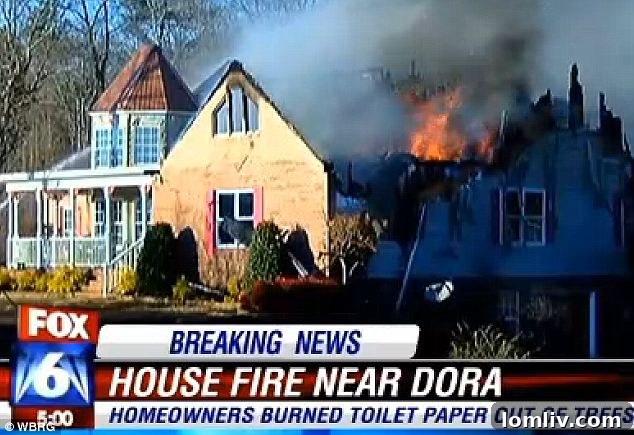
This incident serves as a powerful warning: never use fire to remove toilet paper or any other material from your property. Fire is unpredictable and can lead to irreversible devastation, far worse than the initial act of vandalism.
The Insidious Threat of “Forking” a Lawn
A less common but arguably more malicious form of vandalism involves “forking” a lawn, where forks (sometimes plastic, but far more dangerously, metal) are strategically jammed into the grass, often designed to clog a lawn mower. This act is particularly egregious because it targets lawn maintenance equipment and poses a significant physical hazard to anyone in the vicinity.
Risks and Remediation
Plastic forks, while less damaging, can still clog or break parts of a lawnmower, leading to costly repairs for the homeowner or their lawn service. Metal forks, however, are a far more serious threat. They can completely ruin expensive lawnmower blades, damage the engine, and potentially cause severe injury to anyone operating the mower or even walking barefoot on the lawn. Metal debris can be flung at high speeds, turning a simple prank into a criminal assault. The only safe way to address a “forked” lawn is through a thorough, manual inspection and removal of every single fork before any mowing or significant activity takes place.
Beyond Cleanup: Proactive Strategies for Vandalism Prevention
While knowing how to clean up vandalism is crucial, preventing it in the first place is always the preferred solution. A proactive approach can significantly reduce your property’s vulnerability and deter potential vandals.
- Enhanced Lighting: Well-lit properties deter vandals. Install motion-sensor lights or keep exterior lights on during the night, especially in dimly lit areas or around valuable assets.
- Security Cameras: Visible security cameras act as a strong deterrent and can provide vital evidence if vandalism occurs. Modern systems offer remote monitoring and cloud storage, enhancing their effectiveness.
- Landscaping Maintenance: Keep bushes and trees trimmed to eliminate hiding spots for vandals. Maintain clear sightlines around your property, removing any overgrown vegetation that could offer concealment.
- Community Vigilance: Participate in neighborhood watch programs or local community groups. A strong, engaged community is often the best defense against crime and vandalism, fostering a collective sense of responsibility.
- Prompt Cleanup: Remove any graffiti or vandalism as quickly as possible. Properties that appear neglected or are repeatedly defaced are often targeted more frequently, as vandals perceive a lack of oversight.
- Secure Your Property: Ensure gates are locked, fences are intact, and valuable outdoor items (like lawn ornaments, bikes, or tools) are stored securely or out of sight.
- Report Incidents: Always report vandalism to local law enforcement. This not only helps track crime patterns but can also be necessary for insurance claims.
The Emotional and Financial Toll of Vandalism
Beyond the physical damage and the immediate inconvenience, vandalism takes a significant emotional toll on property owners. It can evoke feelings of violation, anger, and insecurity, making a once safe space feel vulnerable. Financially, the costs of cleanup, repairs, and potentially increased insurance premiums can be substantial, adding another layer of stress. Reporting all incidents to law enforcement is important not only for potential legal action against perpetrators but also for insurance purposes and to help local authorities track crime patterns and allocate resources effectively.
Your Stories: Community Experiences with Property Defacement
Has your home ever been targeted by vandalism, whether it’s graffiti, toilet papering, or something even more unusual? What was your approach to cleaning it up? Did you discover any clever tricks, or perhaps encounter any unexpected challenges that taught you a valuable lesson? We invite you to share your experiences and insights. Your stories can provide valuable lessons and support for fellow homeowners dealing with the disheartening reality of property defacement, helping us all to be more prepared and resilient.
From the landmark monuments of Dallas to the quiet lawns of residential neighborhoods, vandalism is a regrettable reality. However, with the right knowledge, professional assistance, and a proactive community spirit, we can effectively address its impact, restore our properties, and work towards preventing future occurrences, ensuring our spaces remain safe, clean, and welcoming.