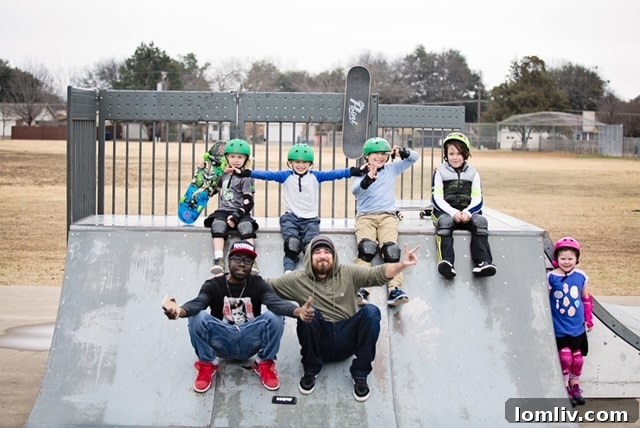
The Dallas Park and Recreation Department, in collaboration with its dedicated council-appointed advisory board, finds itself at a pivotal juncture, meticulously re-evaluating projects as it gears up for a crucial bond issue slated for either May or November. This significant financial undertaking is set to shape the future of public spaces and recreational opportunities across the city. Amidst this extensive review, one notable project—a proposed skate amenity intended for the Glencoe Park neighborhood—has been strategically removed from the immediate recommendations. This development, confirmed by board member Rudy Karimi to daltxrealestate.com last week, marks a significant shift in the allocation of funds for Dallas skate parks, reflecting the dynamic nature of urban planning and community engagement.
Despite the Glencoe decision, the Dallas Park and Recreation Board remains steadfast in its advocacy for enhancing the city’s skateboarding infrastructure. The board continues to push for a substantial $2.5 million allocation specifically designated for new and improved skate parks within the hotly anticipated 2024 bond package. While the $500,000 initially earmarked for the Glencoe location will no longer be spent there, it will not be lost to the skate park initiative. Instead, these funds are set to be re-routed, supporting the development of a much-needed skate park in an entirely different district, ensuring the city’s overall commitment to its skateboarding community remains robust.
Rudy Karimi, who diligently represents District 14 and the Glencoe area, articulated the rationale behind this challenging decision in a recent Facebook post concerning Dallas skate parks. “After several comprehensive community town halls, an incredible amount of advocacy from passionate residents, and weeks of careful deliberation about our next steps, the Dallas Park and Recreation Department and I have made the difficult but necessary decision to eliminate the Glencoe skate amenity from the recommendations proposed for the 2024 bond,” Karimi explained. He further clarified, “The $500,000 that was recommended for this small skate amenity will remain dedicated to a skate amenity project, but it will be strategically moved to a park located outside of Council District 14, with the specific location to be announced at a later date.” This move underscores a responsive approach to community feedback while maintaining the overarching goal of expanding Dallas’s recreational offerings for skateboarders.
Dallas Skate Parks: Securing Funding in the Pivotal 2024 Bond Issue
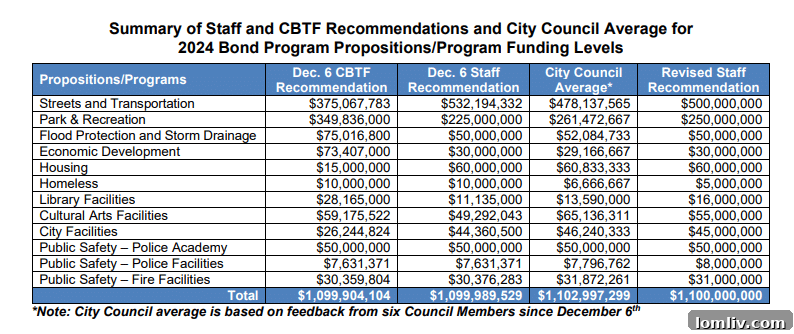
The allocation of funds for Dallas’s parks and recreational facilities, including vital projects like new skate parks, remains a central and often contentious point in the ongoing 2024 bond deliberations. The Community Bond Task Force, an influential body tasked with assessing the city’s needs, initially put forth a robust recommendation of $350 million dedicated to parks. However, this figure encountered a significant revision when city staff subsequently suggested a reduction to $225 million, sparking widespread concern among park advocates. In a more recent development, revised recommendations released on Friday showed staff’s proposed bond allocation for parks and recreation adjusted upwards to $250 million, indicating a slight improvement but still far short of the initial community-backed proposal.
This fluctuation in proposed funding figures has become a major point of contention that is expected to reach a critical head at the upcoming special council briefing on the topic, scheduled for 2 p.m. on Friday, January 19. This meeting will be crucial in determining the final shape and scope of the bond package, directly impacting the future of Dallas’s public spaces. The Dallas Park and Recreation Board, which has been diligently planning its initiatives based on the more ambitious $350 million figure, now finds itself in the challenging position of anticipating and preparing for potential budget cuts across various projects. This necessitates a strategic and often difficult process of prioritization to ensure the most impactful and essential projects, such as the proposed Dallas skate parks, receive adequate funding.
Among the large-scale initiatives that have garnered significant advocacy and are now potentially on the chopping block is the vital $20 million project for dredging at White Rock Lake. This highlights the intense competition for bond funds and the difficult decisions facing city officials as they strive to balance diverse community needs with fiscal realities. The Jan. 11 Park and Recreation board meeting offered little in the way of concrete bond briefing, as the advisory panel is essentially in a holding pattern, awaiting the definitive outcome of the council’s special briefing. This anticipation underscores the critical importance of the upcoming council session in charting the course for Dallas’s recreational future.
In light of these uncertainties, Arun Agarwal, who chairs both the Community Bond Task Force and the Park and Recreation Board, issued a passionate call to action, strongly encouraging all board members to attend the council’s bond briefing. “I urge all Park Board members to please come and… make remarks,” he emphasized, recognizing the power of a united front. “Our energy was lacking in the last briefing, and we need to show up this time.” This sentiment reflects the urgent need for dedicated advocacy to safeguard essential park projects, including the crucial funding for Dallas skate parks, against potential cuts. Once the final bond amount is determined by the City Council, officials can then commence the arduous process of making necessary adjustments and prioritizing projects to align with the approved budget. This delicate balancing act will ensure that public funds are utilized effectively to serve the broadest community interests.
Amidst the fiscal uncertainties, there remains a ray of hope for the skateboarding community. Rudy Karimi, a vocal proponent for skate park development, expressed confidence in securing dedicated funds for these amenities. “Senior leadership and I are confident that no matter what the final number is, and this is important, at least for skaters, $2.5 million will stay $2.5 million,” Karimi asserted, referring to the crucial allocation for new Dallas skate parks. This unwavering commitment signifies a strategic victory for advocates, ensuring that even in a constrained budget environment, the expansion of skateboarding facilities remains a high priority, reflecting a growing recognition of their value to the city’s youth and urban culture.
What Happened to the Glencoe Skate Park Project? A Closer Look at Community Dynamics
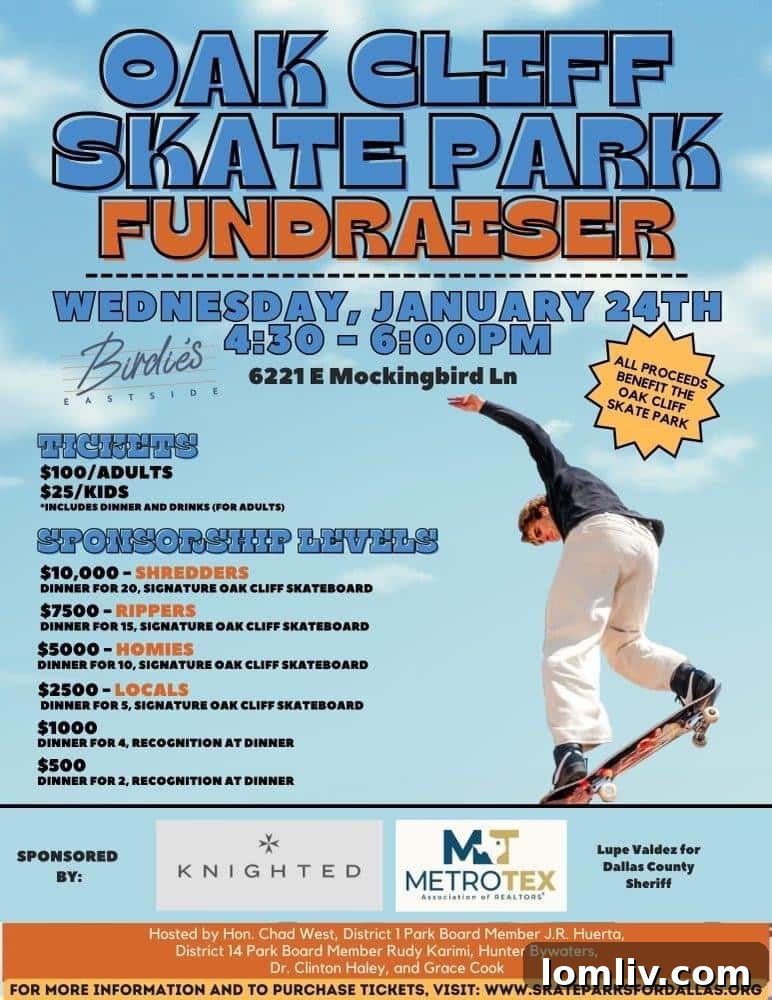
The proposed skate park at Glencoe Park, while initially promising, ultimately highlights the complex interplay between city-wide recreational aspirations and localized community concerns in urban development. Dallas boasts a vibrant and extensive pro-skate community, consistently advocating for more accessible and high-quality skate parks throughout the city. Currently, Dallas features only one operational skate park at Lakeland Hills in District 7, with another significant facility slated to open this year at Bachman Lake. Furthermore, dedicated advocates have been actively fundraising and championing a new skate amenity at Westmoreland Park in Oak Cliff, a project for which bond funding is also proposed. The demand for modern, well-maintained skate parks is undeniably high, seen as crucial for youth engagement, healthy lifestyles, and fostering a sense of community among skateboarders.
The plan to introduce a skate amenity at Glencoe garnered significant enthusiasm and support from the broader skate community and “citywide folks” who recognized the need for such facilities. However, this widespread backing was met with even more substantial opposition from residents living in the immediate vicinity of Glencoe Park. Rudy Karimi acknowledged this critical divergence in opinion, explaining the delicate balance required in urban planning. “We miss all the shots we don’t take, and this was a shot we needed to take at Glencoe,” he reflected, emphasizing the importance of exploring opportunities for public amenities. He candidly added, “Even if we put it in the bond at Glencoe and it passed in the bond, it could’ve gotten killed down the road based on community feedback. We’ve got to listen to the community.” This statement underscores a profound principle of democratic governance and responsive urban development: local community input holds immense weight, and ignoring it can lead to stalled or ultimately failed projects.
Karimi, as the representative for District 14 on the Park Board, proactively engaged with his constituents by holding a series of town hall meetings late last year. He had previously stated his intention that if the Glencoe project were to fail, it wouldn’t be without a diligent and earnest fight. This commitment to transparency and direct engagement allowed residents to voice their concerns and ensured that their perspectives were thoroughly considered before a final decision was made. While the outcome for Glencoe may not have been what some advocates hoped for, the process itself exemplifies a robust approach to public decision-making.
Reflecting on the outcome, Karimi shared his perspective on social media, framing the experience not as a failure, but as a testament to the department’s commitment to daring and responsive civic engagement. “While we may have failed in bringing a skate amenity to District 14, we failed in the most daring and gutsy way — and that is the best way to fail if you ask me,” he wrote. He highlighted the positive aspects of the journey, emphasizing, “The bright side is we followed the process, we listened to our constituents, produced a tremendous amount of advocacy (RADvocacy) for skate parks, and we are still pushing for three of them in the 2024 bond, which is absolutely unprecedented in any previous city bond. That is still a heck of a lot to be proud of.” This powerful statement not only acknowledges the immediate setback but also pivots to celebrate the broader achievements: a transparent process, active listening to community voices, and a monumental push for multiple new Dallas skate parks, marking a historic commitment to skateboarding infrastructure that will undoubtedly benefit generations of Dallas youth.