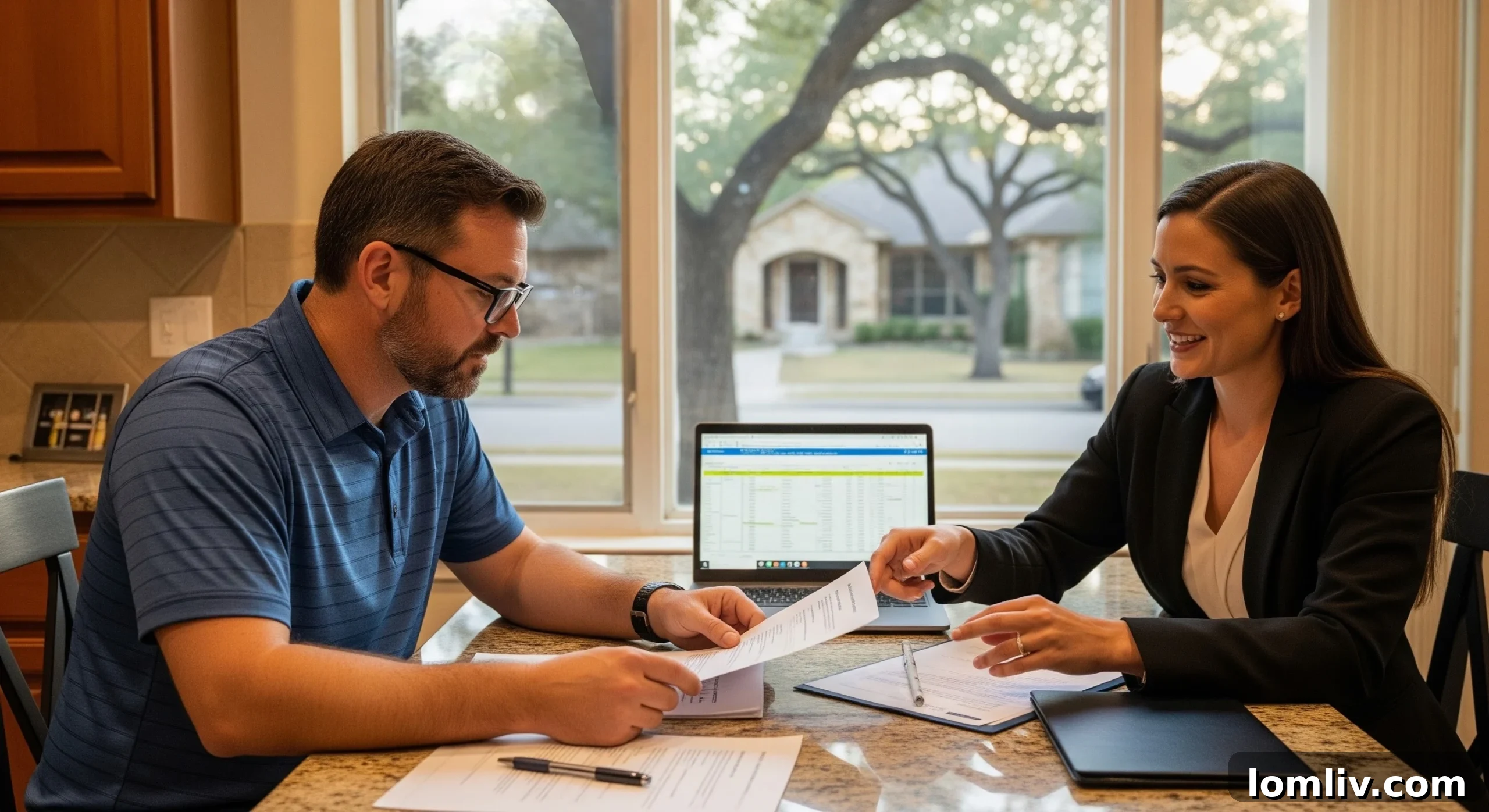
Selling a home quickly in the dynamic Texas real estate market requires a strategic approach that goes far beyond simply listing a property online. The speed at which your home finds a buyer hinges on a multitude of factors, including its pricing, overall condition, market visibility, and the prevailing activity levels in your local area. In highly competitive and rapidly growing markets such as San Antonio, Austin, Dallas, and Houston, sellers who meticulously prepare their homes and possess a keen understanding of current buyer expectations are often rewarded with significantly faster sales and favorable terms.
A well-defined and executable selling plan is invaluable for homeowners looking to attract serious, qualified buyers and navigate the selling process efficiently, thereby avoiding common delays and frustrations that can prolong time on the market.

Evaluate Your Local Texas Market Conditions Thoroughly
Before any property is listed for sale in Texas, a comprehensive understanding of the current market conditions in your specific neighborhood or city is absolutely paramount. The intricate interplay of housing demand, fluctuating mortgage rates, and local inventory levels significantly influences how quickly homes sell and at what price. A deep dive into these indicators can provide invaluable insights for setting realistic expectations and formulating an effective selling strategy.
You’ll want to pay close attention to several key market indicators to inform your selling strategy:
- Median Home Prices: Research the average selling price of similar homes in your immediate neighborhood. This provides a baseline for your property’s value.
- Average Days on Market (DOM): Understand how long comparable properties are typically spending on the market before selling. A low DOM suggests a fast-moving market, while a high DOM indicates a slower one.
- Local Housing Inventory Levels: This refers to the number of homes currently available for sale. High inventory often signifies a buyer’s market, giving buyers more options and leverage. Low inventory points to a seller’s market, where demand outstrips supply.
- Seasonal Buying Trends: Real estate markets often follow seasonal patterns. Spring and early summer are traditionally strong selling seasons in many parts of Texas due to favorable weather and school schedules, while holidays might see a dip in activity.
- Interest Rate Environment: While not local, prevailing mortgage interest rates significantly impact buyer affordability and motivation, indirectly affecting your local market.
In a robust seller’s market, characterized by high demand and limited supply, properties can often receive multiple offers and go under contract within mere days of being listed. This scenario often allows sellers more negotiation power. Conversely, in a buyer’s market, where there is an abundance of inventory and less intense competition among buyers, sellers may need to adopt more competitive pricing strategies and invest more heavily in strong marketing efforts to stand out.
Having an in-depth understanding of these specific local details empowers Texas homeowners to price their property realistically from the outset and make informed decisions, significantly reducing the risk of their house lingering on the market longer than necessary. Consult with a local Texas real estate agent for a comparative market analysis (CMA) for the most accurate assessment.
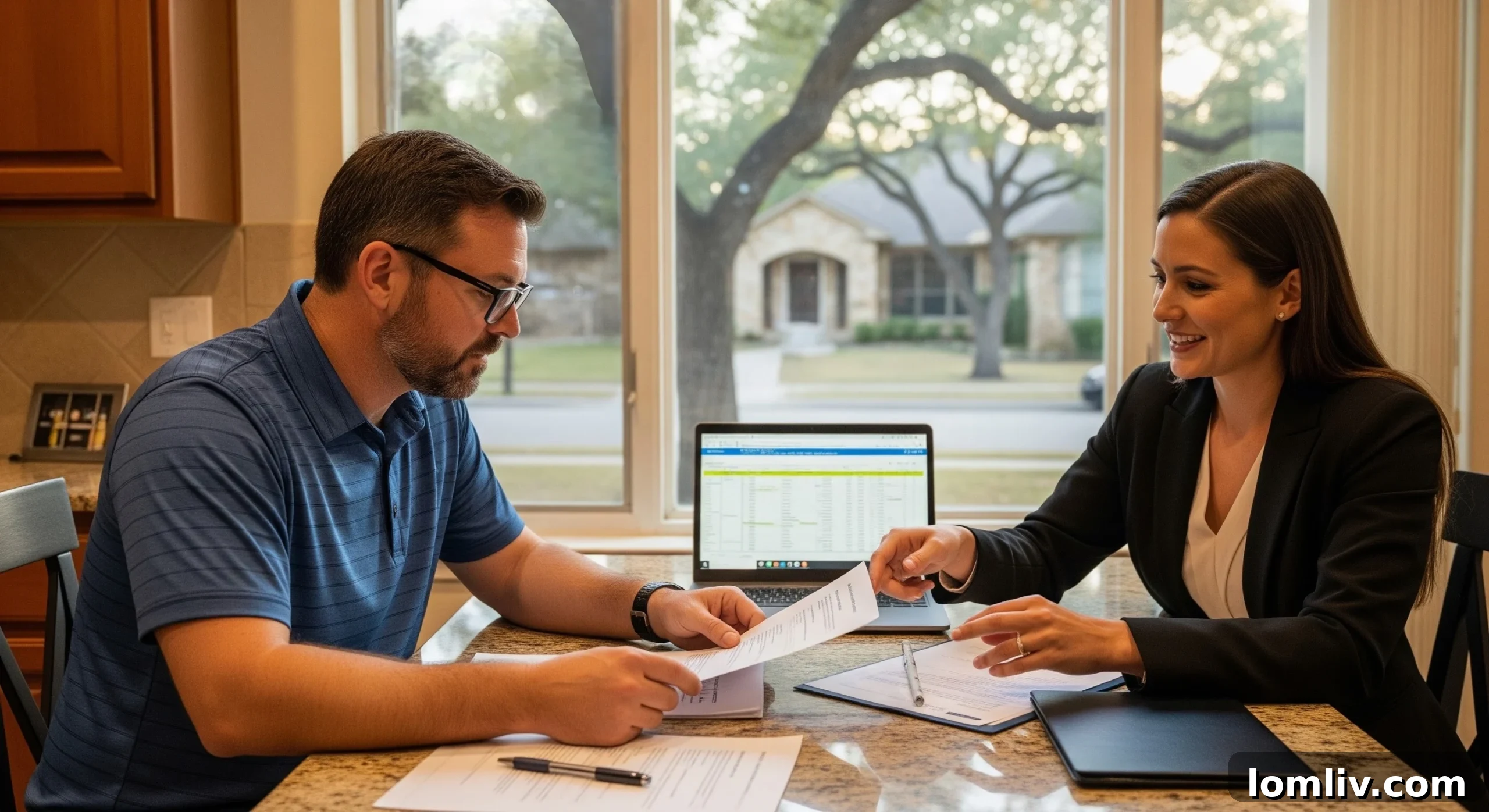
Explore Direct Sale Options for Expedited Closing in Texas
The traditional home selling process in Texas often involves a series of steps that can be time-consuming. It typically includes listing the property with a real estate agent, extensively preparing the home, scheduling numerous showings, carefully negotiating multiple offers, and then waiting for the buyer’s financing to be approved and various contingencies to be met. Depending on the market’s pace and complexity, this entire process can easily span several weeks, or even extend to months, creating uncertainty for sellers.
For many Texas sellers, especially those facing tight deadlines or specific circumstances, faster alternatives exist. One increasingly popular option is working directly with cash home buyers in San Antonio and across other major Texas cities. These buyers specialize in purchasing properties outright, often without the need for traditional mortgage approval, and frequently with fewer, if any, inspections or protracted negotiations.
Opting for a direct cash sale can offer several compelling advantages:
- Significantly Faster Closing Timelines: Without the complexities of lender underwriting or appraisal contingencies, cash transactions can close in a matter of days or a few weeks, providing unparalleled speed.
- Fewer Contingencies During Negotiations: Cash offers typically come with minimal or no contingencies, reducing the risk of the deal falling through due to financing issues, inspection demands, or appraisal gaps.
- No Need for Costly Repairs or Staging: Cash buyers often purchase properties “as-is,” meaning sellers are absolved from investing time and money into costly pre-sale repairs, renovations, or professional staging. This can be a huge relief for distressed properties or sellers on a budget.
- Elimination of Financing Delays: The most common cause of closing delays in traditional sales is buyer financing. A cash sale bypasses this entirely, offering greater certainty and peace of mind.
- Simplified Process: The entire transaction tends to be less complex, with reduced paperwork and fewer parties involved, making it a smoother experience.
For Texas homeowners who are relocating for work, managing financial pressures, dealing with an inherited property, facing foreclosure, or selling a property that requires extensive repairs, a direct cash sale can profoundly simplify the process and dramatically speed up the closing. While the offer might be slightly below retail market value in some instances (reflecting the convenience and speed), the savings on repairs, agent commissions, holding costs, and the elimination of stress can often make it a highly attractive and financially sound option. Nevertheless, sellers should always compare multiple offers—both from cash buyers and potentially traditional buyers—to ensure they are securing the most favorable terms for their unique situation.

Price Your Texas Home Right from the Start
When aiming for a fast home sale in Texas, few factors are as influential as the listing price. Pricing a home correctly from day one is absolutely critical. If a home is priced too high, it runs the significant risk of being overlooked by potential buyers, who will invariably compare it unfavorably to similar homes that offer better value. An overpriced home can sit on the market for extended periods, leading to price reductions that often signal desperation to buyers and can ultimately result in selling for less than if it had been priced correctly initially.
A well-informed and strategic pricing approach for your Texas property typically involves several key steps:
- Thorough Comparative Market Analysis (CMA): Begin by meticulously analyzing recent comparable sales (often referred to as “comps”) in your immediate neighborhood and surrounding areas. Look for homes that have sold within the last three to six months, are similar in size, age, condition, architectural style, and feature set.
- Evaluate Your Home’s Condition and Features: Honestly compare your home’s condition, upgrades, and unique features against those of similar active listings and recently sold properties. Does your home boast updated kitchens and bathrooms, energy-efficient windows, or unique amenities that could justify a higher price? Conversely, does it require significant repairs or updates that might warrant a lower price?
- Consider a “Sweet Spot” Price: In a competitive market, setting a price slightly below the perceived market average can often generate significant buyer interest and create a sense of urgency. This strategy can sometimes spark a bidding war, ultimately driving the final sale price above the original listing price.
- Understand Price Per Square Foot: While not the sole metric, understanding the average price per square foot for homes in your area can provide a useful benchmark.
- Factor in Market Type: In a seller’s market, you might have more leeway with pricing, while a buyer’s market demands a more aggressive and attractive price point.
Homes that are priced competitively and accurately from the outset tend to attract more initial attention, leading to a higher volume of showings and, crucially, faster offers. The goal is to position your home as a strong value proposition within its market segment. An experienced local Texas real estate agent can provide invaluable expertise in conducting a comprehensive CMA and advising on the optimal listing price to achieve a quick and profitable sale. Overpricing is the most common mistake sellers make, leading to stagnation and eventual price cuts; therefore, getting it right the first time is essential for a swift transaction.

Enhance Property Presentation and Appeal in Texas
First impressions are undeniably powerful, especially when potential buyers walk through a home in Texas. Properties that appear immaculate, meticulously maintained, and genuinely move-in ready tend to capture buyers’ imaginations and sell considerably faster than those with evident repair issues, outdated finishes, or excessive clutter. Investing time and effort into preparing your home can significantly impact buyer perception and ultimately, your selling speed and price.
Here are some quick, high-impact updates and improvements that consistently grab buyers’ attention:
- Deep Cleaning Every Room: A professional deep clean of the entire house, including carpets, windows, grout, and fixtures, creates an inviting and hygienic atmosphere. Buyers often equate cleanliness with good maintenance.
- Address Visible Damages and Minor Repairs: Fix obvious flaws such as chipped paint, cracked tiles, leaky faucets, loose doorknobs, or non-functioning light fixtures. These small repairs demonstrate care and prevent buyers from mentally adding to a “fix-it list.”
- Improve Lighting and Airflow: Maximize natural light by opening curtains and blinds. Ensure all light bulbs are working and of a consistent color temperature. Good airflow and a fresh scent create a welcoming environment.
- Declutter and Depersonalize: Remove excessive personal items like family photos, unique decor, and memorabilia. Clear countertops, shelves, and closets. This allows buyers to more easily envision themselves living in the space and helps rooms appear larger and more open.
- Neutralize Interior Decor: Repaint walls in neutral, calming colors like beige, gray, or off-white. A neutral palette appeals to a broader range of tastes and makes the space feel more contemporary and spacious.
- Professional Staging (Consider): For key rooms, professional staging can highlight a home’s best features, define spaces, and create an aspirational lifestyle image that resonates with buyers.
A well-presented, neutral look helps potential buyers mentally move in and picture their own belongings and lifestyle fitting seamlessly into the home. It allows them to focus on the home’s structure and potential, rather than being distracted by the current owner’s style or deferred maintenance.
Equally crucial is curb appeal – the first impression buyers get before even stepping inside. A home’s exterior and landscaping significantly influence a buyer’s initial perception. Landscaping improvements such as fresh mulch, trimmed bushes, vibrant flowers, and a neatly mowed lawn can make a huge difference. Exterior cleaning, including power washing the siding, sidewalks, and driveway, along with a fresh coat of paint on the front door, porch, or trim, creates a strong, positive first impression that invites buyers to explore further. Remember, in Texas, first impressions are formed the moment a buyer pulls up to your curb.

Leverage Professional Marketing Strategies for Maximum Exposure in Texas
Effective marketing is the engine that drives buyer traffic to your Texas property, ensuring that the maximum number of potential buyers see your home. In today’s real estate landscape, the vast majority of home searches begin online, making robust digital marketing absolutely essential. However, a balanced approach that integrates traditional methods can still yield excellent results and broaden your reach.
A comprehensive marketing plan typically involves a mix of sophisticated strategies:
- Professional Real Estate Photography: High-quality, professional photos are non-negotiable. They are often the very first visual interaction a buyer has with your home online. Crisp, well-lit, and accurately composed images can make a property stand out in a crowded market.
- Compelling Online Listings: Ensure your home is listed across all major property websites, including the Multiple Listing Service (MLS), Zillow, Realtor.com, Trulia, and local real estate brokerage sites. The listing description should be well-written, highlighting key features, upgrades, and the lifestyle benefits of your home and neighborhood.
- Immersive Virtual Tours or Video Walkthroughs: These tools provide an interactive experience, allowing potential buyers to “walk through” your home from anywhere in the world. This is particularly valuable for out-of-state buyers or those with busy schedules, significantly broadening your buyer pool.
- Targeted Social Media Advertising: Utilize platforms like Facebook, Instagram, and even LinkedIn for targeted advertising campaigns. These can reach specific demographics or geographic areas likely to be interested in your property, often with stunning visual content.
- Dedicated Property Website: For higher-end or unique properties, a standalone website can showcase additional photos, videos, floor plans, and neighborhood information.
Beyond digital, local marketing methods can also generate significant interest within nearby communities. Well-executed open houses, eye-catching yard signs, and strategically placed flyers can draw local buyers. During real estate events or open houses, unique promotional items can leave a lasting impression; for example, branded displays or printed items such as acrylic coasters featuring contact details or property information can serve as memorable takeaways, keeping your property top-of-mind. An experienced Texas real estate agent will have access to a vast network and proven marketing strategies to ensure your home receives the exposure it deserves for a quick and successful sale.
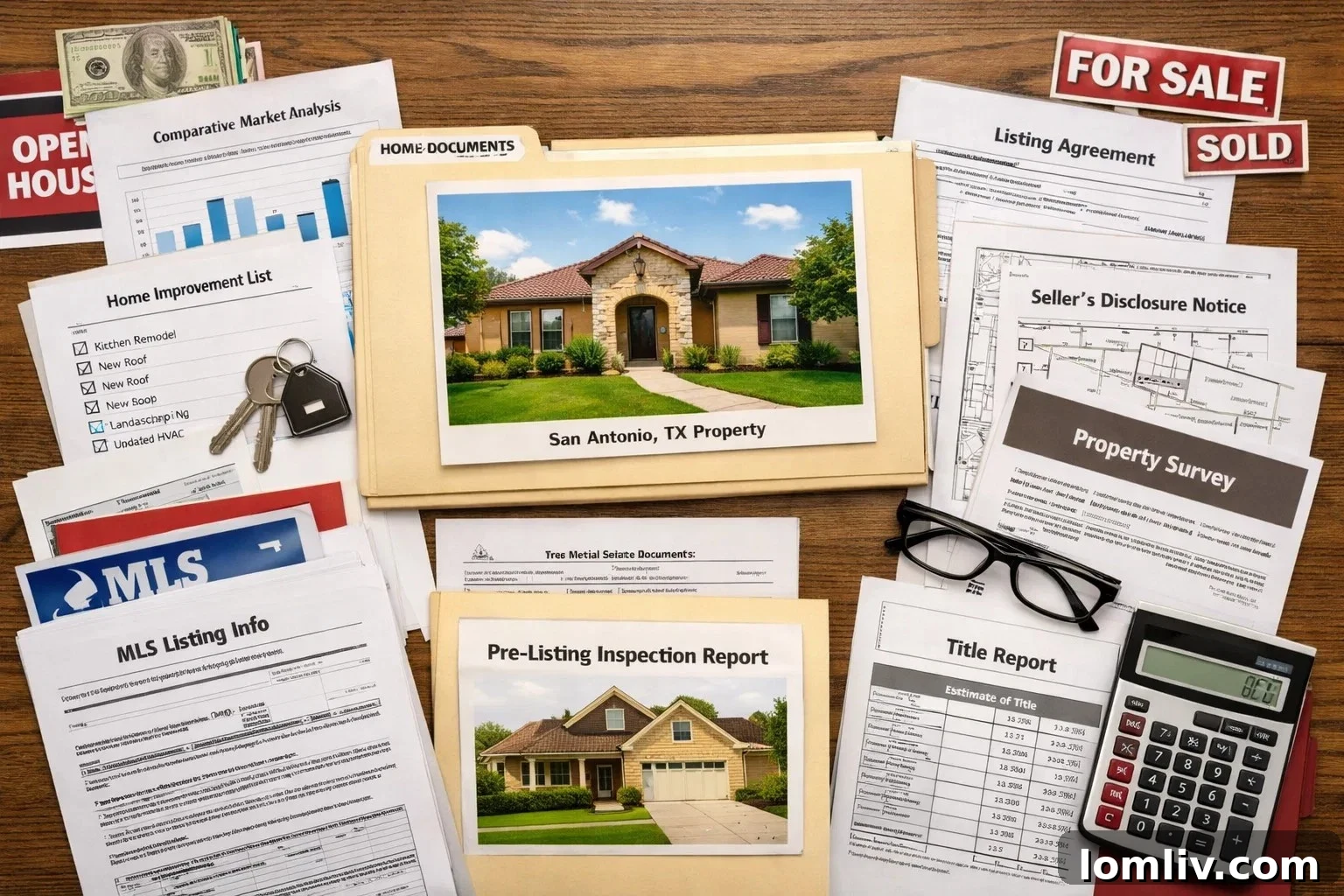
Proactively Gather Your Paperwork Early for a Smooth Texas Home Sale
One of the most frequent causes of delays in Texas home sales occurs when critical paperwork is not prepared and organized well in advance. Proactive sellers who gather and organize all necessary documents before offers even begin to roll in can significantly streamline and accelerate the closing process, avoiding last-minute scrambles and potential deal setbacks.
You will typically need to gather and prepare a few important documents, though the exact list can vary:
- Property Title and Ownership Records: Proof of legal ownership and a clear title are fundamental. Any liens or encumbrances must be resolved before closing.
- Seller’s Disclosure Notice: In Texas, sellers are generally required to provide a disclosure notice outlining known defects or issues with the property. Honesty here can prevent legal issues later.
- Property Tax Records: Provide statements showing past tax payments and the current assessment. Buyers and lenders will need to verify this information.
- HOA Documents (if applicable): If your property is part of a Homeowners Association, you’ll need to provide copies of the Covenants, Conditions, and Restrictions (CC&Rs), bylaws, financial statements, and meeting minutes.
- Survey: A recent survey of the property, showing boundaries and any easements, is often required.
- Maintenance and Repair Records: Documentation of major repairs or maintenance (e.g., HVAC service, roof replacement, foundation work) can reassure buyers about the home’s condition.
- Mortgage Payoff Statement: You’ll need an accurate statement from your lender indicating the exact amount required to pay off your current mortgage at closing.
- Utility Bills: Sometimes required for transferring services or demonstrating average utility costs.
Having these documents readily available and organized in a physical or digital folder empowers buyers and their lenders to verify property details and perform due diligence much more quickly. This transparency builds trust and confidence, contributing to a smoother and faster transaction. Clear, comprehensive paperwork also substantially lowers the risk of disputes, unforeseen complications, or costly closing delays that can derail even the most promising sales. Consult with your real estate agent or attorney for a comprehensive checklist tailored to Texas property laws.
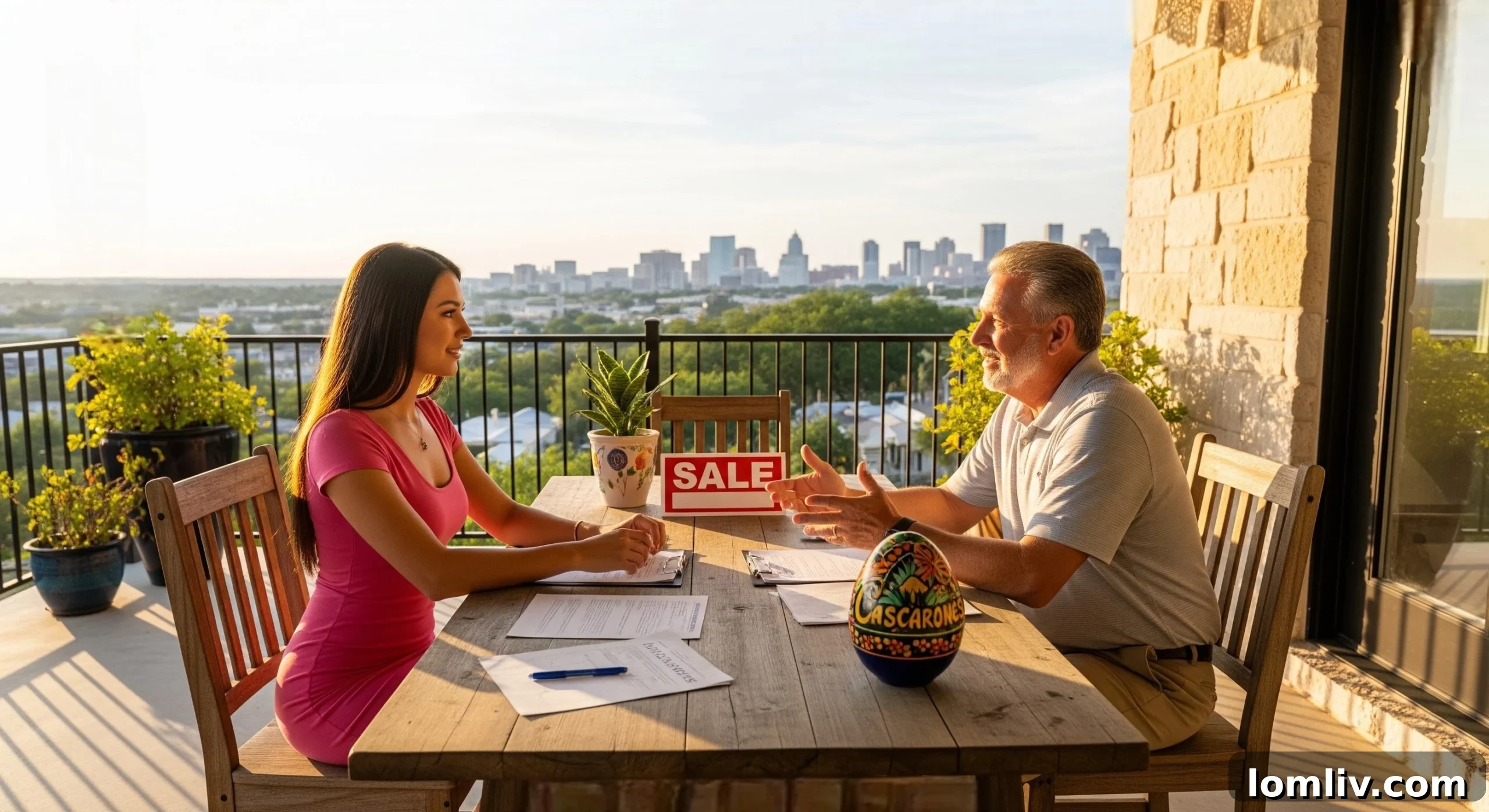
Collaborate with Experienced Texas Real Estate Professionals
Even when your primary goal is to sell your home quickly in Texas, the involvement of the right team of experienced professionals is invaluable. Their expertise ensures that the entire transaction proceeds as smoothly and efficiently as possible. Real estate agents, attorneys, and title companies each play distinct yet crucial roles in navigating the complex legal and financial steps required to successfully transfer property ownership.
A strong and coordinated team of professionals can provide essential assistance with several key tasks:
- Precise Pricing Analysis and Market Comparisons: A skilled real estate agent will conduct an in-depth comparative market analysis to help you set the most attractive and effective listing price for your Texas home.
- Expert Negotiation of Buyer Offers: Professionals can adeptly negotiate on your behalf, ensuring you receive the best possible terms and price while protecting your interests.
- Seamless Coordination of Inspections and Appraisals: Your agent will help manage the scheduling and follow-up for buyer-initiated inspections and appraisals, interpreting results and advising on appropriate responses.
- Efficient Management of Closing Documentation: Title companies and attorneys handle the intricate legal documents, ensuring all paperwork is correctly prepared, executed, and recorded according to Texas law.
- Marketing and Exposure: A good agent will employ a comprehensive marketing strategy to ensure your home reaches the widest possible audience.
Experienced professionals are also intimately familiar with local Texas regulations governing property transfers. This knowledge is critical for sellers, as it helps them avoid potential legal pitfalls, compliance issues, and costly delays that can arise from unfamiliarity with state-specific requirements. From understanding disclosure laws to navigating title search complexities, their guidance is indispensable.
For more complex situations, such as the sale of an inherited property, properties with unique legal circumstances, or sales dictated by stringent relocation timelines, professional assistance becomes even more critical. Their ability to anticipate challenges, provide sound advice, and efficiently coordinate all aspects of the sale ensures everything stays on track, leading to a timely and successful closing that safeguards your investment.
Stay Flexible and Responsive During Negotiations in Texas
Negotiation is an inherent part of the home selling process in Texas, and a seller’s flexibility can significantly impact how quickly a deal is finalized. Buyers frequently include various contingencies in their offers, such as requests for specific repairs following an inspection, adjustments to the closing timeline, or even the sale of their current home. Sellers who approach these terms with an open mind and a willingness to negotiate often reach a mutually agreeable resolution much faster than those who are rigid.
Being flexible during negotiations can manifest in several ways:
- Accepting Reasonable Closing Timelines: While you may desire a quick close, sometimes a buyer needs a slightly longer period due to their financing or personal schedule. Accommodating reasonable requests can keep the deal alive.
- Offering Minor Repair Credits Instead of Doing the Work Yourself: If an inspection reveals minor issues, instead of undertaking the repairs, you might offer a credit to the buyer at closing. This saves you time and effort while addressing the buyer’s concerns. For major issues, more direct negotiation or repair might be necessary.
- Negotiating Price Adjustments When Necessary: If an appraisal comes in slightly below the offer price, or if the market has shifted, being open to a small price adjustment can be the difference between a stalled deal and a quick sale.
- Considering Contingencies Creatively: For instance, if a buyer’s offer is contingent on selling their current home, you might explore a kick-out clause that allows you to accept another offer if a new, non-contingent one comes along.
A balanced and pragmatic approach during negotiations is crucial. It helps maintain buyer interest and momentum, preventing the deal from falling apart due to minor disagreements, while still ensuring that your financial bottom line as a seller is protected. Your real estate agent’s expertise in navigating these discussions is invaluable, as they can advise on what requests are standard, what might be unreasonable, and how to best counter-offer to achieve your objectives. Ultimately, being perceived as a reasonable and cooperative seller can accelerate the path to a signed contract and a successful, timely closing for your Texas home.
Selling a home fast in Texas is an achievable goal, but it demands meticulous preparation, realistic pricing, and robust marketing efforts. A deep understanding of your local market conditions, enhancing your home’s presentation to appeal to a broad buyer base, and exploring diverse options like direct cash buyers can significantly reduce your property’s time on the market. Furthermore, deploying strong professional marketing strategies, meticulously organizing all necessary paperwork in advance, and collaborating with a team of experienced real estate professionals are crucial steps that keep the sale process moving efficiently while effectively protecting the inherent value of your home. By embracing these strategies, Texas homeowners can navigate the selling journey with confidence and achieve a swift, successful outcome.