The political landscape of Dallas District 13, particularly concerning the vital Preston Center area, has long been a hotbed of discussion and debate. Recently, this spotlight intensified with a pivotal debate organized by the Dallas Builders Association (DBA). Executive Officer Phil Crone orchestrated an event aimed at dissecting critical development issues, featuring City Council candidates Jennifer Staubach Gates and Laura Miller. Recognizing the significance of this showdown for local residents, our team quickly moved to ensure comprehensive coverage, including the crucial decision to live stream the event.
Upon arrival at Maggiano’s, an initial hurdle emerged: neither candidate had pre-approved video recording. With Jennifer Staubach Gates already seated and Laura Miller yet to arrive, a swift resolution was imperative. Approaching Gates, her immediate assent to a live stream was a positive start. Laura Miller, upon her arrival, also graciously agreed. While The Dallas Morning News captured still images, our priority was providing District 13 residents with an unfiltered view of the candidates’ positions. Consequently, we made the strategic decision to publish the entire hour-and-a-half debate video on our website, ensuring maximum transparency and accessibility for the community.
The debate’s framework, crafted by the DBA, naturally leaned towards builder-centric questions. However, these inquiries were profoundly relevant to the multifaceted challenges facing District 13. Core themes included the pace of new building projects, the implications of rapid growth, the pervasive issue of density, and the visual impact of larger modern homes dwarfing established 1950s ranches. Traffic congestion, preserving site views, optimizing land use for its highest and best purpose, and once again, the relentless pressure of density, were all central points of contention. While other pressing concerns such as crime were not on the agenda for this particular discussion, our forthcoming, detailed candidate questionnaires promise to delve into these broader community issues. The comprehensive nature of our questionnaires has even led candidates to request additional time for their thoughtful responses.
During the intense exchange, Robert Wilonsky, a prominent writer for The Dallas Morning News, reached out, expressing how captivating he found the debate. He then posed a challenging question: how would I, as an observer, score the candidates on their performance?
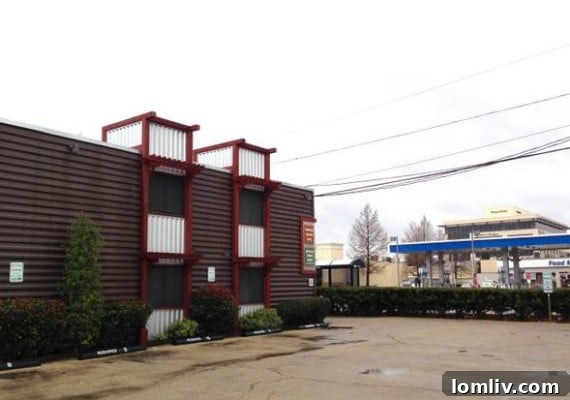
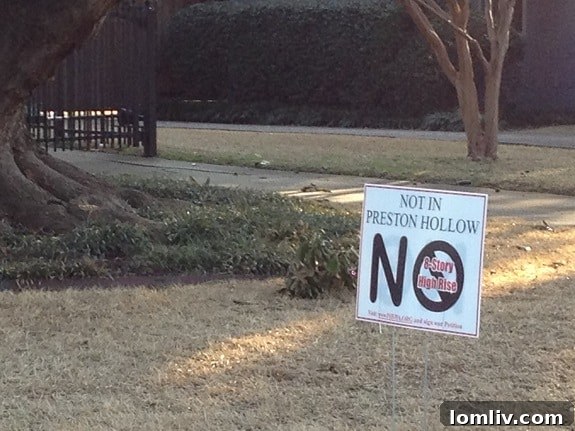
For many years, we have meticulously tracked the complex and often dramatic real estate developments within the Preston Center and “Behind the Pink Wall” areas. This is not merely an academic exercise; it’s deeply personal for many of us. My own mother purchased a condominium there in the early 1990s, which I still own today. My daughter resides in another complex within this vibrant community, as does our colleague, Jon Anderson. Numerous cherished friends and esteemed real estate agents also call this area home. This intimate connection provides me with an extensive, firsthand understanding of the local dynamics, allowing me to discern when narratives deviate from the full truth presented by either side.
During the debate, Laura Miller asserted that a staggering 90% of residents living “Behind the Pink Wall” opposed the city’s vision to re-zone the approximately 13 acres designated as PD-15. This claim, however, requires crucial clarification. The reality is that 90% of the Homeowners Association (HOA) representatives expressed opposition to the city’s plan. Due to existing HOA governance structures, individual homeowners are often not permitted to cast independent votes on such matters, meaning the collective voice is channeled through HOA leadership. To ensure accuracy, our Audience Engagement Director, Bethany Erickson, reached out to Miller for clarification after the debate. Miller’s response, along with the supporting documents she provided, illuminates the intricacies of this community sentiment:
Councilwoman Gates established a PD-15 Steering Committee in May 2018, tasking it with formulating a recommendation for a zoning amendment to PD-15. When this committee failed to reach a consensus, Ms. Gates subsequently disbanded the group. Commendably, the committee members, despite being disbanded, voluntarily engaged a pro bono architect and urban planner. They continued to meet independently from September 2018 through December 2018, striving to develop a compromise solution that would garner broad support, ideally from all or most, of the Pink Wall homeowners, for presentation to the Councilwoman. This objective was achieved in December 2018, and committee members representing 90 percent of the Pink Wall homeowners presented this compromise to Ms. Gates, which she ultimately did not endorse. Kevin Griffeth, who along with Grover Wilkins, was appointed by Ms. Gates to the Steering Committee to represent all 612 Pink Wall owners outside PD-15, was instrumental in spearheading this effort. The compromise plan currently enjoys the support (as detailed in the attached document) of Steering Committee members representing 1,077 of the 1,213 owners behind the Pink Wall (a clear 90 percent). This includes owners within the Athena and Preston Tower complexes. The only owners not in favor of this compromise are those associated with the four smaller properties situated inside PD-15 (comprising 136 owners), who support the re-zoning due to existing sales contracts contingent upon the rezoning or a desire to leverage the new, higher zoning conditions for future sales. The attached color-coded map of the Pink Wall delineates the buildings containing the 1,077 homeowners represented by the Ms. Gates-appointed Steering Committee members, who currently oppose the staff recommendation that the Plan Commission will vote on on April 18, and which Ms. Gates supports.
Steering Committee Votes as of 2-12-19 by Joanna England on Scribd
PHSNA Map Highlighted W-opposition to Staff Recommendation 1-19 by Joanna England on Scribd
It’s also crucial to acknowledge the high proportion of renters in this specific area of Dallas. Many individuals, like myself and even Laura Miller, have inherited units from parents, contributing to a significant rental market. (Miller herself clarified during the debate that she and her husband purchased their Athena unit for her mother-in-law, addressing Gates’s point about the perceived hypocrisy of opposing high-rises while owning a unit in one.) A comprehensive, standardized survey of residents living “Behind the Pink Wall” has never been undertaken through traditional methods like mail, door-to-door canvassing, or phone calls. While we gauge community sentiment through reader comments and emails, the absence of a formal poll leads me to challenge the absolute veracity of Miller’s sweeping statement regarding widespread opposition.
Furthermore, Miller’s assertion that an alternative development plan, crafted by an architect, was ignored by Gates also requires factual correction. The plan she referred to was, in fact, conceived after “Several committee members felt no progress was being made, mainly due to the lack of direction and absence of a conceptual vision the city was supposed to provide,” as per an email received from one of the actual committee members. These individuals, feeling a lack of official guidance, embarked on a somewhat unconventional path, enlisting a talented architectural designer—not a licensed architect—to create a conceptual model. I personally conversed with this designer, who candidly described his creation as a rough, initial concept, a “first stab” at a potential compromise structure. As Gates accurately stated during the debate, it was merely a vision, and crucially, it was never formally presented or “shopped” to any developers for feasibility assessment.
Our resident expert, Jon Anderson, who has extensively covered the PD-15 discussions, further elaborates on the practical challenges: “The ‘compromise’ 10-6-4 plan, much like the Preston Center Area Plan it succeeded, largely consists of theoretical boxes with no clear connection to economic reality. Proponents of this plan lack even fundamental understanding. For example, they haven’t quantified the proposed cubic footage or how that translates into actual density. The suggested building sizes also fail to align with current urban Dallas development trends, indicating a lack of market viability.”
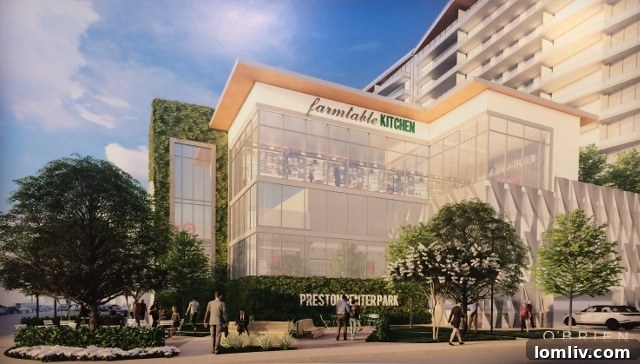
**Finally, the contentious Preston Center Parking Garage:** This issue saw Councilwoman Gates pull no punches, directly questioning her opponent’s motives for engaging in the Preston Center parking garage debate, suggesting it might be a significant driver for her entire District 13 campaign: to assist a friend. Miller, in turn, claimed to have secured a generous $10 million donation from a friend to transform the existing parking garage into a “Deason Family Park,” complete with underground parking facilities. She emphasized that the city’s bond funds were sufficient to cover semi-underground parking options. Miller also stated that all property owners unanimously agreed and enthusiastically supported this innovative park concept.
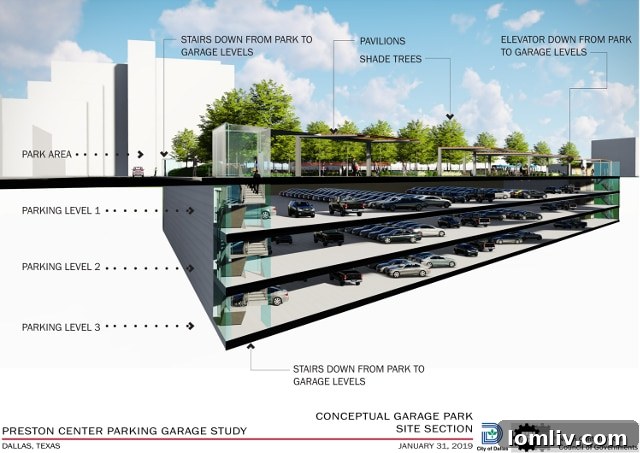
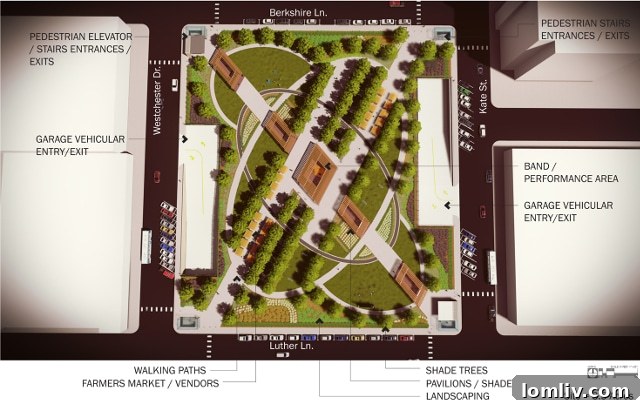
However, the “owners” who supposedly agreed must have been either nearby homeowners without direct control or perhaps even metaphorical entities, because the actual entities with jurisdiction over the garage’s future do not share this consensus.
While the City of Dallas technically owns the parking garage, a crucial detail complicates any redevelopment: surrounding property owners possess parking easements on it, legally established by court order. This means any significant alteration requires their collective consent.
Unanimous agreement among all easement-holding owners is absolutely essential for any modifications to the garage, and crucially, these owners have unequivocally stated their lack of desire for a large-scale park.
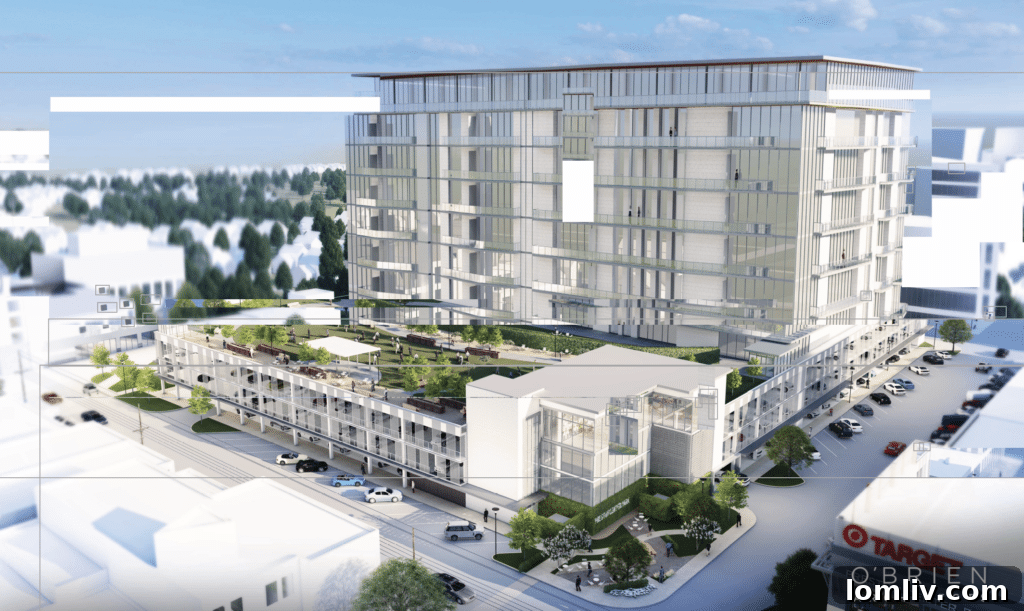
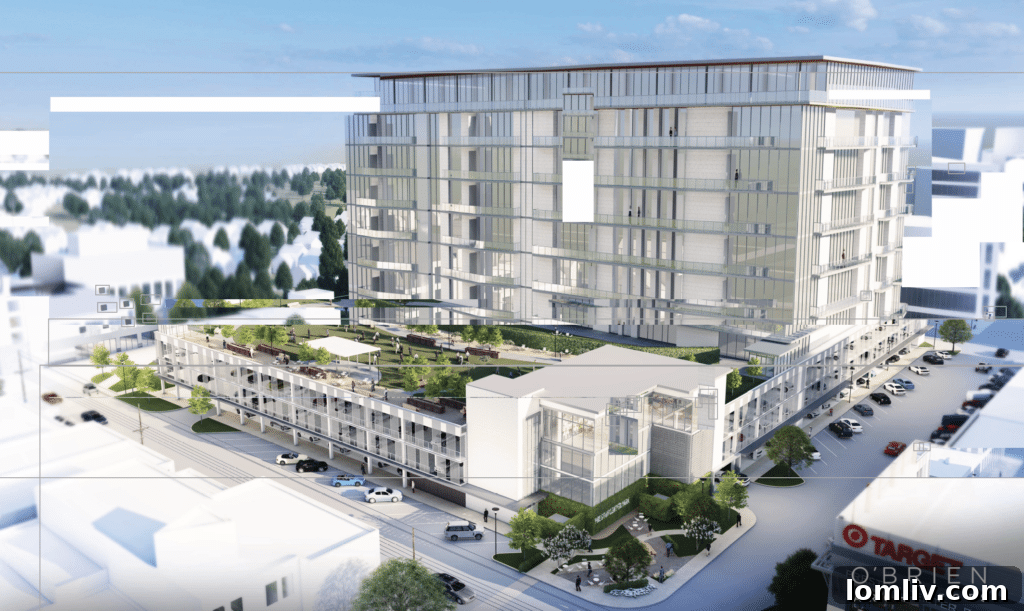
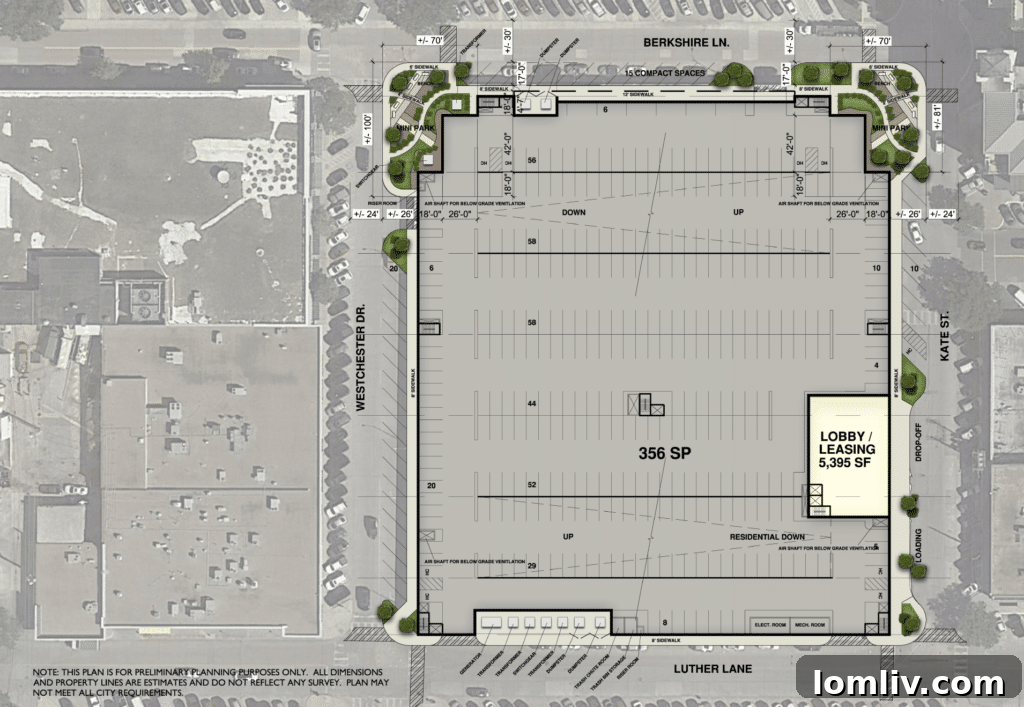
Luke Crosland, whose holdings include easements over all surrounding streets and the entire garage deck, firmly stated, “There will never be a ground-level, three-acre park. What there will be is underground parking, complemented by strategically placed pocket parks.” His vision is shared by other key stakeholders. I had a brief, but illuminating, conversation last week with developer Robert Dozier. He revealed that for the first time, there is unanimous consensus among all the owners to move forward with a plan for the garage, rather than allowing its continued deterioration. This plan involves the development of a luxury apartment complex, incorporating small pocket parks at street level, a new parking garage structure, and residential units situated above. Developers have also explored adding a park element on an upper level of the new structure, but the notion of a sprawling ground-level park remains off the table, echoing Crosland’s earlier clarification.
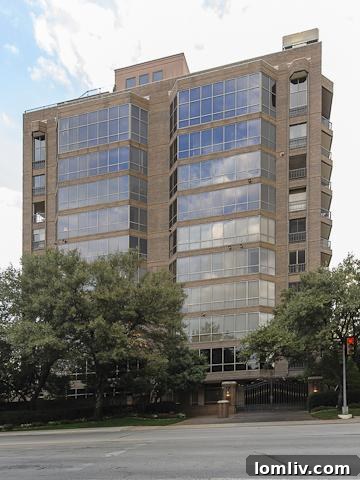
A significant factor influencing the owners’ stance is their apprehension that a large, street-level park could inadvertently attract an increase in Dallas’ growing and northward-expanding homeless population, posing potential challenges for the community. Gates further exposed the conditions attached to Miller’s friend’s park offer. Doug Deason, a wealth management president, son of Darwin Deason, and currently Miller’s campaign treasurer, reportedly offered the $10 million for the park on the condition that the zoning for the proposed Saint Michael’s and All Angels development (which includes apartments and office space) be rejected. Gates, while supportive of the park concept, unequivocally rejected this conditional approach. This reveals a potential conflict of interest, as Darwin Deason, who resides in an expansive 18,270-square-foot condominium on the 9th floor at 8181 Douglas—directly across the alley from the church’s proposed development—is reportedly concerned about the potential obstruction of his site view should the Saint Michael’s zoning be approved.
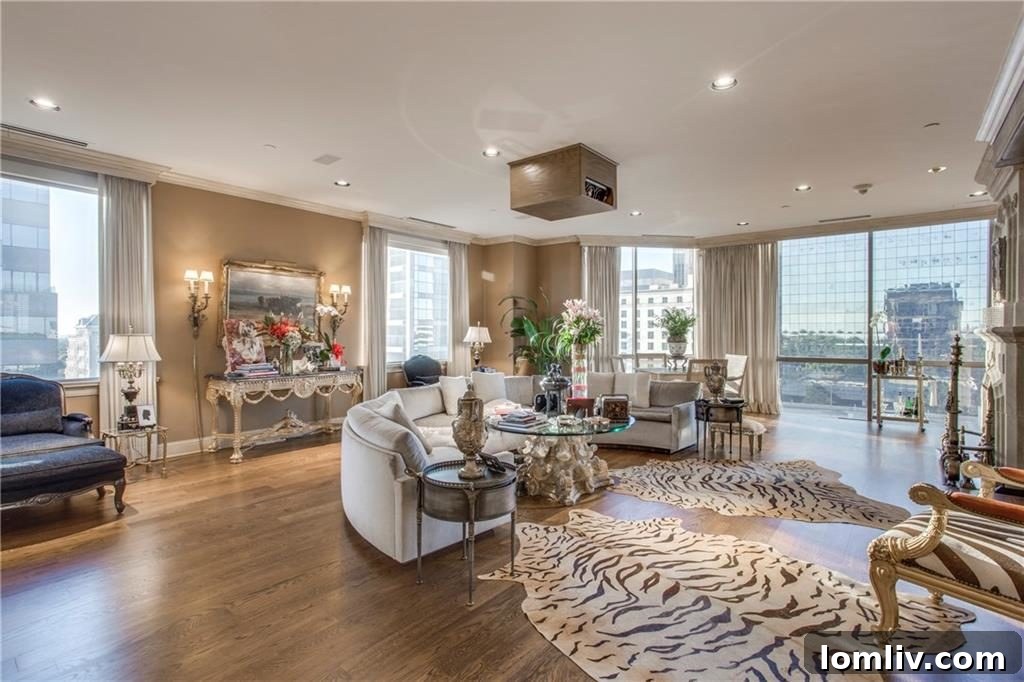
So, could the entire parking garage controversy and even parts of the D13 race simply revolve around protecting someone’s specific site view?
Laura Miller proved herself to be a highly effective debater throughout the event, demonstrating a polished technique common among seasoned political candidates. She skillfully commanded the microphone, utilized pacing and movement to engage the audience, and expertly validated questions while consistently steering the conversation back to her core talking points. Her response to Dallas builder Alan Hoffman, in particular, served as a classic example of this evasive yet articulate strategy. However, as Executive Editor Joanna England, who was present for the entire debate, observed, Miller consistently struggled with factual accuracy, raising questions about her truthfulness. This led to a stark contrast in our subjective scoring:
Debating Skill (Miller): 9/10
Fact-Check Accuracy (Miller): 2/10
Jennifer Staubach Gates, by her own admission, is not a natural debater. Yet, her performance was remarkably effective. She remained composed behind the podium, articulating her points clearly and concisely, occasionally delivering impactful retorts. More importantly, Gates consistently defended her record with a strong command of the facts, demonstrating integrity in her responses:
Debating Skill (Gates): 8/10
Fact-Check Accuracy (Gates): 10/10
Both candidates, however, disappointed on the crucial ethics question posed by Jeff Dworkin, founder of JLD Custom Homes. Gates recalled being one of the few “BS detectors” alongside Scott Griggs and Adam Medrano during the initial uncovering of the Dallas County Schools taxpayer fraud. This was a significant scandal involving the misuse of public funds, underscoring the importance of vigilance in local governance. A missed opportunity, however, was the absence of a question regarding VisitDallas’ controversies. Miller, on her part, recounted her first encounter with James Fantroy, who had previously served prison time following the disappearance of thousands of dollars from the Paul Quinn Community Development Corp., money he infamously used for personal and campaign expenses. Miller proposed a system of pairing three or four Council members with a developer, rather than the current one-on-one approach, as a means to mitigate the risk of bribery. The question remains: does this merely spread the potential for undue influence more broadly, or genuinely reduce corruption?
Miller significantly raised eyebrows when she emphatically refused to recuse herself from any future Council work on PD-15, despite Gates highlighting her ownership of an investment rental unit at The Athena. This refusal stood in stark contrast to Miller’s earlier praise for Gates’s ethical recusal from the Transwestern development, which ultimately led to the construction of the luxury Laurel Apartments. Similarly, City Plan Commissioner Jaynie Schultz, representing District 11, has recused herself from all PD-15 discussions due to family members residing at The Edgemere. The implications of Miller’s stance on this ethical matter are significant, and we are currently awaiting clarification from the Dallas City Attorney’s office regarding the proper protocol and legal obligations in such situations.
How would you score their performances and integrity?
This article was updated following further clarification regarding the Preston Center Parking Corporation from Luke Crosland, specifically confirming the plan for underground parking but definitively ruling out a large street-level park.