Dallas Gas Leaks: Unpacking the Impact on Midway Hollow Property Values and Real Estate Recovery
The communities of Midway Hollow and Love Field in Dallas were recently jolted by a profound tragedy: a fatal home explosion that claimed a young life. This devastating incident, occurring just weeks ago, not only left one family grieving their daughter but also exposed a deeply unsettling truth – gas leaks had been a persistent and silent threat in the area for an extended period. The immediate aftermath saw widespread concern for safety, leading to a massive, precautionary gas service shutdown affecting approximately 2,800 customers. While the focus initially remained on ensuring safety and understanding the root cause, homeowners who had plans to sell properties in these vibrant Dallas neighborhoods quickly began to ponder a critical question: what will this unforeseen crisis do to their property values and the broader local real estate market?
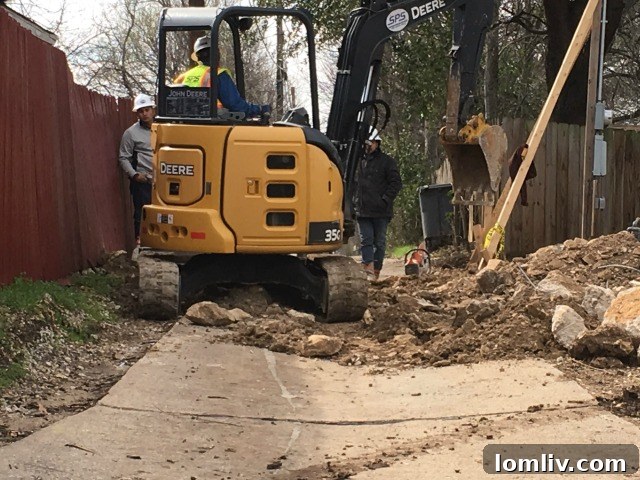
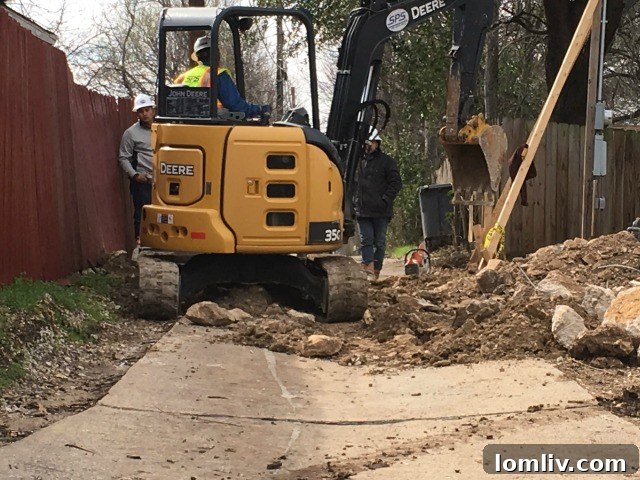
As the investigation into the explosion that tragically killed Michellita Rogers unfolded, it became alarmingly clear that gas leaks had been plaguing the area around her home for quite some time. This revelation prompted Atmos Energy to embark on an urgent and extensive infrastructure overhaul. The utility company commenced the replacement of decades-old, 50 to 60-year-old steel pipes with cutting-edge poly pipe, a modern material known for its superior durability and leak resistance. While this critical upgrade promises enhanced safety for the future, it simultaneously cast a shadow over the neighborhoods, transforming them into the focal point of a hazardous situation. The concern among residents and real estate professionals alike quickly escalated, creating a palpable anxiety about the notoriety of the area and its potential long-term implications for property values.
Navigating Uncertainty: The Real Estate Market’s Response to Crisis
Prior to these events, Midway Hollow boasted a bustling housing market, with properties frequently selling within days of listing. This strong market momentum was even beginning to spill over across Marsh Lane, creating lucrative opportunities for homeowners preparing to list their homes in the spring. The sudden onset of the gas leak crisis and subsequent service shutdown, however, brought this vibrant activity to an abrupt halt. Homeowners contemplating sales now face a landscape of uncertainty, mirroring the concerns seen in other communities affected by similar incidents. For instance, a May 2017 explosion in Firestone, Colorado, also saw residents grappling with dual anxieties: immediate safety risks and the potential for a significant downturn in their home values.
The existing body of literature offers surprisingly limited definitive guidance on how home and property values are specifically impacted by neighborhood gas explosions or widespread gas leaks. While studies exist concerning environmental incidents and real estate, many, as one academic review noted, often rely on imperfect data or focus primarily on issues like petroleum pipeline incidents rather than natural gas infrastructure failures. This lack of clear-cut precedent makes predicting the exact trajectory of property values particularly challenging. To gain deeper insight into this complex issue, we consulted John Baen, a distinguished professor of real estate at the University of North Texas College of Business, who brings a wealth of experience as an appraiser, broker, and academic researcher.
Expert Perspective: The Lingering Shadow of Stigma and Uncertainty
Professor Baen highlighted that the ultimate impact on property values would largely depend on how effectively the “stigma and fear” surrounding the incident are managed and eventually dissipate. He cautioned that “It could seriously impact the area’s marketability, even after things are ‘fixed’ with a new main line.” The psychological effect on potential buyers—a lingering perception of risk, even after repairs—can be profound. This stigma may manifest as reduced buyer interest, lower offers, and extended selling times, as buyers prioritize peace of mind and long-term security.
A significant contributing factor to this uncertainty, Baen explained, is the protracted timeline for official investigations. The National Transportation Safety Board’s (NTSB) report and final verdict, which could take a year or more to complete, creates a prolonged period of unknowns. “The unknown is not good for long-term home investments,” he asserted, emphasizing the apprehension of both buyers and lenders. He predicted that “Lender and buyer inspections will also be MUCH pickier than normal in the future, too.” This heightened scrutiny could translate into more comprehensive and costly inspections, potentially requiring specialized assessments of underground infrastructure, thereby adding complexity and potential delays to real estate transactions.
Furthermore, the resolution of any potential lawsuits against Atmos Energy will play a crucial role in the market’s recovery. Baen warned that “A class action lawsuit that will mention or include every home in the area outlined will cause years of delays and confusion in selling and buying homes in these areas.” Such legal entanglements can introduce significant perceived risk, making buyers hesitant and lenders reluctant to finance properties within the litigious zones, effectively creating a freeze on parts of the market.
Despite these considerable challenges, Professor Baen expressed an underlying optimism for the market’s eventual return to normalcy. “The markets always overreact to bad news for a while before getting back to normal,” he noted. This suggests that while an initial period of depressed values is likely, the inherent desirability of the Dallas location, coupled with the ongoing proactive remediation efforts, will eventually lead to market stabilization and a rebound in property values.
The Road to Recovery: Modern Infrastructure as a Competitive Advantage
Offering a local and highly optimistic perspective, Nathan Draper, a seasoned builder and Realtor who also resides with his family in Midway Hollow, believes the extensive pipeline improvements could ultimately benefit the area’s real estate market. “It shouldn’t hurt — it could even help — values knowing our area will have an improved infrastructure compared to surrounding areas that are just as old and unimproved,” Draper stated. This viewpoint highlights a transformative aspect of the crisis: the new, state-of-the-art poly pipe infrastructure represents a significant upgrade, potentially positioning Midway Hollow as a safer and more desirable location compared to neighboring areas that still rely on older, potentially less secure systems.
Draper anticipates a brief, temporary dip in sales activity while Atmos Energy and the city complete their remediation efforts and restore the neighborhood. However, he remains confident that once the utility provider’s trucks depart and the immediate crisis subsides, the real estate market will experience a strong rebound. “I think in ‘three months or so,’ according to Atmos, this will be resolved and they will begin working on other areas in town with less pending emergency issues,” Draper suggested, implying a relatively swift resolution period for the most disruptive aspects of the crisis. He also pointed out that other Dallas neighborhoods with similarly aged infrastructure will likely face their own “brief inconvenience” in the future, further solidifying the competitive edge of Midway Hollow’s newly modernized systems.
This optimistic outlook was strongly supported by Steve Goff, the esteemed broker/owner of Ceda Realty and an instructor at the Champions School of Real Estate. He acknowledged that “Events like these do disrupt the sale of real estate and certainly affect home values in the short-term.” The immediate shock and logistical hurdles are undeniable. However, Goff, aligning with Baen’s long-term perspective, added, “In the long-term, we typically find that events like these do not majorly impact real estate values, as thorough, corrective action usually follows these situations.” This underscores the critical importance of comprehensive and visible remediation efforts in rebuilding buyer confidence and stabilizing the market.
Goff further emphasized the shift in buyer perception: “Buyers appreciate the fact that recent improvements will have strengthened the safety of the neighborhood.” This appreciation translates into renewed confidence, transforming the visible commitment to safety and the tangible investment in modern infrastructure into powerful selling points. Nathan Draper reiterated this hopeful perspective, concluding, “I think the buyers will understand this will be resolved in short order and we’ll be left with something better than we started with.”
Beyond the Immediate Crisis: Rebuilding Trust and Fostering Future Growth
The experience of Midway Hollow and Love Field serves as a poignant reminder of the latent vulnerabilities within urban infrastructure and the profound impact such issues can have on daily life and economic stability. The initial shock gives way to a multifaceted recovery process that extends far beyond merely repairing pipes. It involves meticulously rebuilding community trust, fostering transparent communication between utility providers and residents, and adapting to a “new normal” where rigorous infrastructure integrity and clear disclosures might become more prominent expectations in future real estate transactions.
For Dallas as a whole, this incident highlights the critical need for proactive, ongoing infrastructure maintenance across all its aging neighborhoods. While the short-term outlook has presented immediate challenges for homeowners and real estate professionals in the affected zones, the consensus among experts firmly points towards a robust long-term recovery. The extensive, state-of-the-art upgrades to the gas pipeline system are poised to transform a devastating liability into a significant asset. This proactive investment in modern safety is expected to render Midway Hollow and Love Field not just safe once more, but potentially even more secure and attractive to future residents than before these tragic events unfolded. The community’s demonstrable resilience, combined with substantial investment in modern safety infrastructure, promises a return to its status as a highly desirable and thriving component of Dallas’s dynamic real estate landscape.