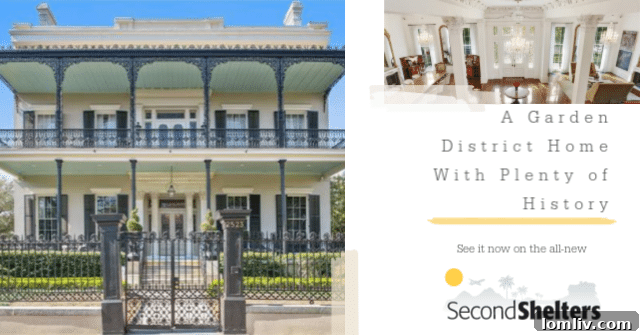
Discover the Timeless Charm of Historic New Orleans Homes
Step into the enchanting world of New Orleans, a city where every street tells a story, and every home is a testament to centuries of rich cultural fusion. Historic New Orleans homes are not merely buildings; they are vibrant repositories of history, art, and an unparalleled architectural legacy. From the graceful ironwork of French Quarter townhouses to the grand columns of Garden District mansions, these properties offer a glimpse into a bygone era while providing modern comfort and an undeniably unique lifestyle. Exploring the distinctive historic New Orleans home means embarking on a journey through time, uncovering the influences that shaped one of America’s most architecturally significant cities.
The Allure of Historic New Orleans Architecture
New Orleans boasts an architectural landscape unlike any other city in the United States. Its unique blend of European, Caribbean, and American influences has resulted in a fascinating array of styles, each contributing to the city’s distinctive character. These historic homes are often characterized by their vibrant colors, intricate details, and a profound connection to their surroundings, inviting residents and visitors alike to savor the city’s slow, charming pace. Whether you’re drawn to the romantic courtyards, the expansive verandas, or the sheer resilience of structures that have withstood the test of time, the allure of New Orleans architecture is undeniable. It’s a living museum, continually evolving yet deeply rooted in its past.
A Tapestry of Architectural Influences
The architectural heritage of New Orleans is a direct reflection of its complex history, shaped by successive colonial powers and diverse immigrant communities. Understanding these influences is key to appreciating the city’s varied housing styles.
French and Spanish Colonial Roots
The earliest significant architectural imprints came from the city’s French founders and subsequent Spanish rule. While few true French Colonial buildings remain due to devastating fires in the late 18th century, Spanish regulations heavily influenced the rebuilding efforts. The Spanish introduced fire-resistant brick and stucco construction, along with distinct design elements like inner courtyards, arched passages, and wrought-iron balconies that became synonymous with the French Quarter. These foundational styles, often adapted by Creole builders, created the template for what many now recognize as classic New Orleans charm.
American Influence and Greek Revival Grandeur
Following the Louisiana Purchase in 1803, American settlers brought their own architectural preferences, particularly the popular Greek Revival style. This period saw the construction of grand mansions, especially in the newly developed Garden District, which offered a stark contrast to the denser, European-influenced French Quarter. These homes often featured imposing columns, symmetrical façades, and expansive lawns, reflecting the wealth and aspirations of the American elite. The blending of these distinct traditions—European colonial and American classical—created a city of striking architectural contrasts and unparalleled beauty.
Iconic Styles That Define New Orleans Homes
New Orleans is celebrated for several signature architectural styles, each with its own history and charm. These styles contribute significantly to the city’s unique identity and appeal.
The Endearing Creole Cottage
Among the oldest and most charming styles, the Creole cottage emerged in the late 18th and early 19th centuries. Typically a one-and-a-half-story structure, it features a steep pitched roof, a symmetrical four-room floor plan, and often a broad central front door flanked by two windows. These cottages traditionally sat close to the street with no front yard, utilizing a side-gabled roof and French doors opening onto a narrow gallery or porch. Often constructed of stucco over brick or wood, Creole cottages are beloved for their simplicity, durability, and intimate scale, embodying a cozy elegance found predominantly in the French Quarter and surrounding older neighborhoods.
The Ubiquitous Shotgun House
Perhaps the most iconic and widespread housing type in New Orleans is the shotgun house. Originating in the early 19th century, possibly with Haitian influences, this long, narrow dwelling consists of a series of rooms arranged one behind the other, without a hallway. The name itself is said to come from the idea that if you fire a shotgun through the front door, the shot would pass cleanly through all the doors and out the back. Shotgun houses can be single, double (two units side-by-side), or even camelback (with a partial second story in the rear). They are characterized by their high ceilings, often elaborate front porches, and colorful exteriors, reflecting the vibrant personality of the neighborhoods they inhabit. These homes are celebrated for their efficiency and community-oriented design, fostering close-knit street life.
Elegant Townhouses and Garden District Mansions
The French Quarter is renowned for its elegant townhouses, often three stories tall with cast-iron balconies and intricate wrought-iron railings that spill over the sidewalks. These narrow, deep structures typically feature private courtyards and open interior spaces, perfectly adapted to the urban grid. In stark contrast, the Garden District showcases magnificent mansions built in Greek Revival, Italianate, and Victorian styles. These grand estates, set back from the street amidst lush gardens, feature soaring columns, ornate cornices, and opulent interiors, embodying a different kind of grandeur and Southern aristocracy.
Victorian Splendor
As the city expanded in the late 19th and early 20th centuries, Victorian architecture, particularly Queen Anne and Eastlake styles, became prominent in neighborhoods like Uptown and Carrollton. These homes are recognizable by their elaborate ornamentation, turrets, stained glass, and asymmetrical designs. They represent a period of prosperity and artistic expression, adding another layer of visual richness to New Orleans’ diverse architectural tapestry.
Distinctive Features: Beyond the Façade
Beyond their overarching styles, historic New Orleans homes are defined by a collection of unique features that contribute to their charm and functionality:
- Galleries and Balconies: Often adorned with ornate ironwork, these elevated porches provide shade, a place to socialize, and catch cool breezes, essential for the city’s subtropical climate. The intricate ironwork itself is often a work of art, featuring flora, fauna, and geometric patterns.
- Lush Courtyards: Hidden behind many French Quarter and Creole townhouses are secluded courtyards, offering private oases of tranquility. These often feature fountains, lush plants, and charming brick pathways, providing a cool retreat from the bustling streets.
- Vibrant Color Palettes: New Orleans homes are famous for their bold and often unexpected exterior colors. From pastel pinks and blues to deep ochres and emerald greens, these hues reflect the city’s vivacious spirit and Caribbean influences.
- High Ceilings and Transom Windows: Designed to facilitate airflow in the hot climate, high ceilings are a common feature. Transom windows above doors allowed light and air to circulate even when doors were closed, maintaining privacy while maximizing ventilation.
- Shuttered Windows: Functional and aesthetic, wooden shutters provide protection from the elements, privacy, and an added layer of architectural detail.
The Charm and Challenge of Historic Homeownership
Owning a historic home in New Orleans comes with a unique set of rewards and responsibilities. The charm of living amidst centuries-old architecture, with its stories and character, is unparalleled. Imagine waking up in a home with original cypress floors, plaster walls, and hand-carved details that have witnessed generations of life. However, maintaining these treasures requires a commitment to preservation. Historic homes often demand specialized care, from roofing to foundation work, and adherence to local historic district guidelines ensures the integrity of the architectural heritage is protected. This balance of appreciation and dedicated stewardship is what makes owning a historic New Orleans property a truly special endeavor.
Why Invest in a Historic New Orleans Property?
Beyond their aesthetic appeal, historic homes in New Orleans represent a sound investment. Their timeless beauty, unique character, and limited availability contribute to their enduring value. As cultural landmarks, they are often in highly desirable neighborhoods, offering proximity to world-class dining, entertainment, and the vibrant arts scene. Investing in a historic New Orleans home is not just purchasing real estate; it’s acquiring a piece of living history, a tangible connection to a city renowned for its resilience, charm, and magnetic spirit. These properties often appreciate well, making them both a personal haven and a wise financial choice.
Preserving the Past, Embracing the Future
New Orleans’ commitment to historic preservation is crucial. Strict guidelines and dedicated organizations work tirelessly to ensure that the city’s architectural legacy is maintained for future generations. This focus on preservation means that the unique character of neighborhoods like the French Quarter, Garden District, and Faubourg Marigny will continue to captivate. For prospective homeowners, this commitment offers reassurance that their investment is protected and that the surrounding urban fabric will retain its historic charm. The ongoing efforts to restore and adapt historic buildings for modern living ensure that these structures remain vibrant and relevant, bridging the gap between the past and the present.
In conclusion, historic New Orleans homes are more than just houses; they are the soul of a city that lives and breathes history. Each property, with its distinct style and stories, offers an opportunity to experience life in one of the most culturally rich and architecturally fascinating places on earth. Whether you’re a history buff, an architecture enthusiast, or simply seeking a home with unparalleled character, the historic residences of New Orleans promise a living experience unlike any other, forever enchanting and endlessly inspiring.