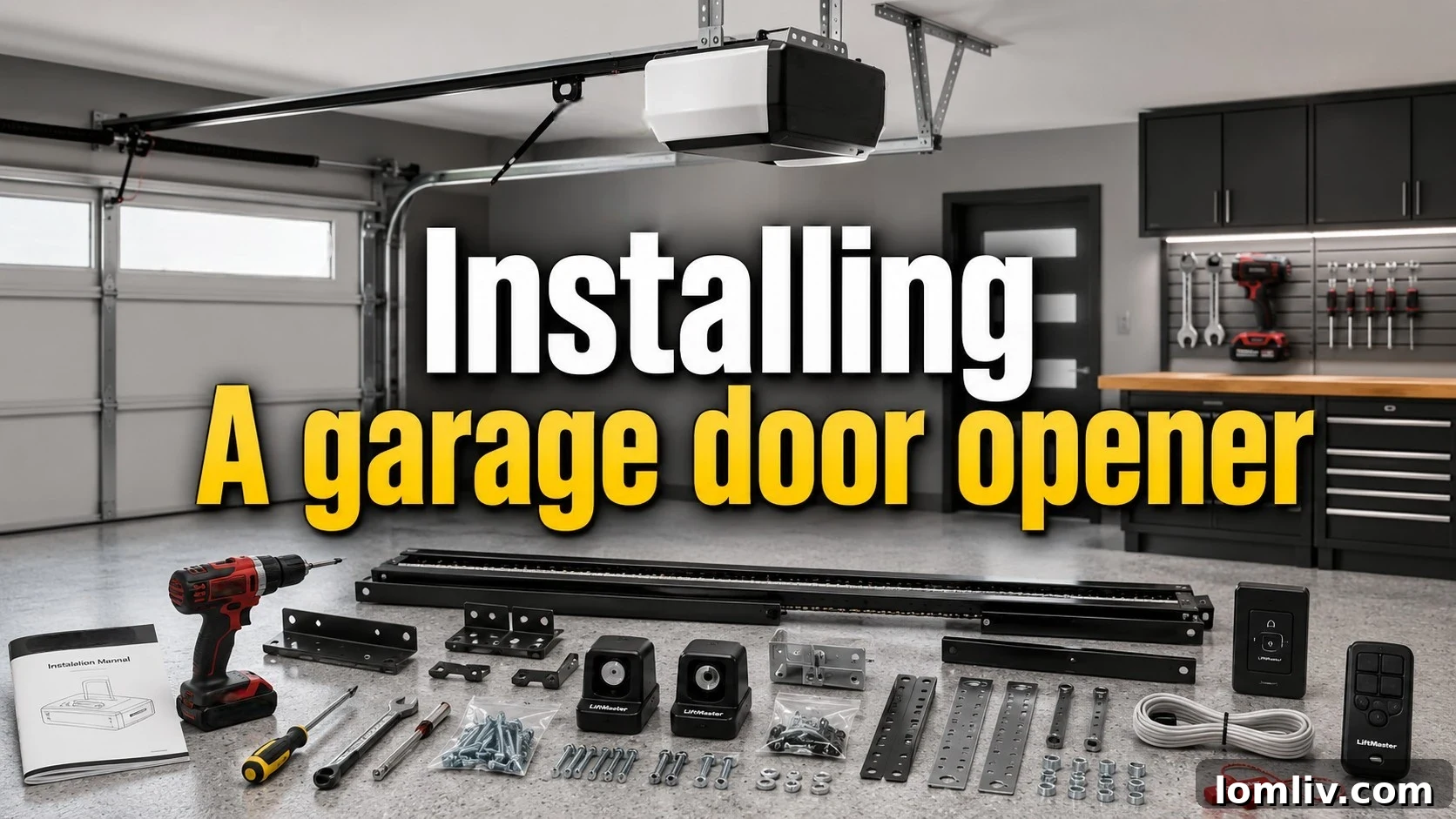
Installing a garage door opener may seem like a big job at first, but it becomes straightforward once you organize the parts and follow the manufacturer’s instructions. With basic hand tools and comfort on a ladder, many homeowners can complete this project in a few hours.
Whether you’re replacing an old unit or installing an opener for the first time, the key steps are to inspect the door, mount components securely, and verify every safety feature before finishing.
What You Need Before Installing a Garage Door Opener
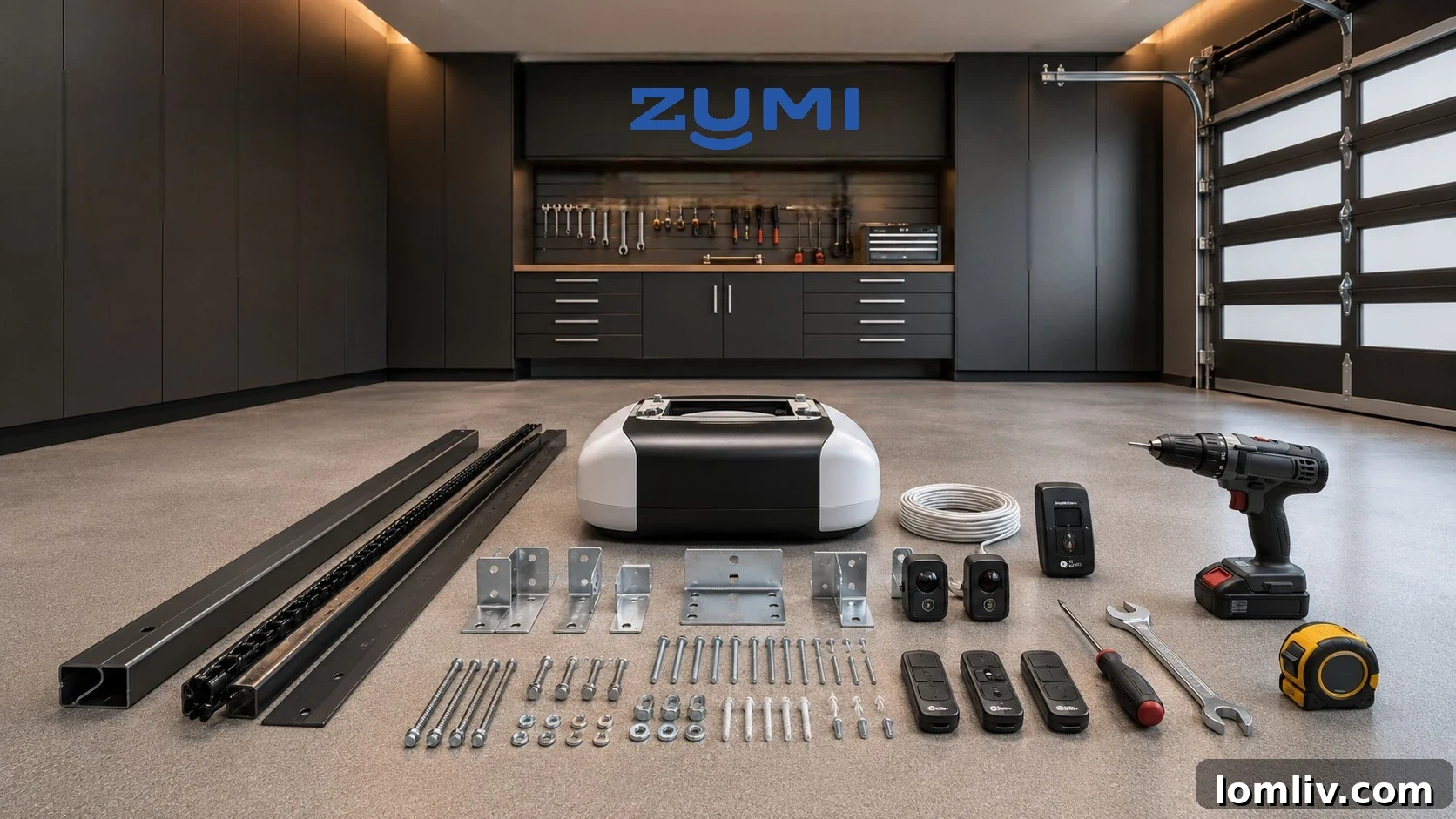
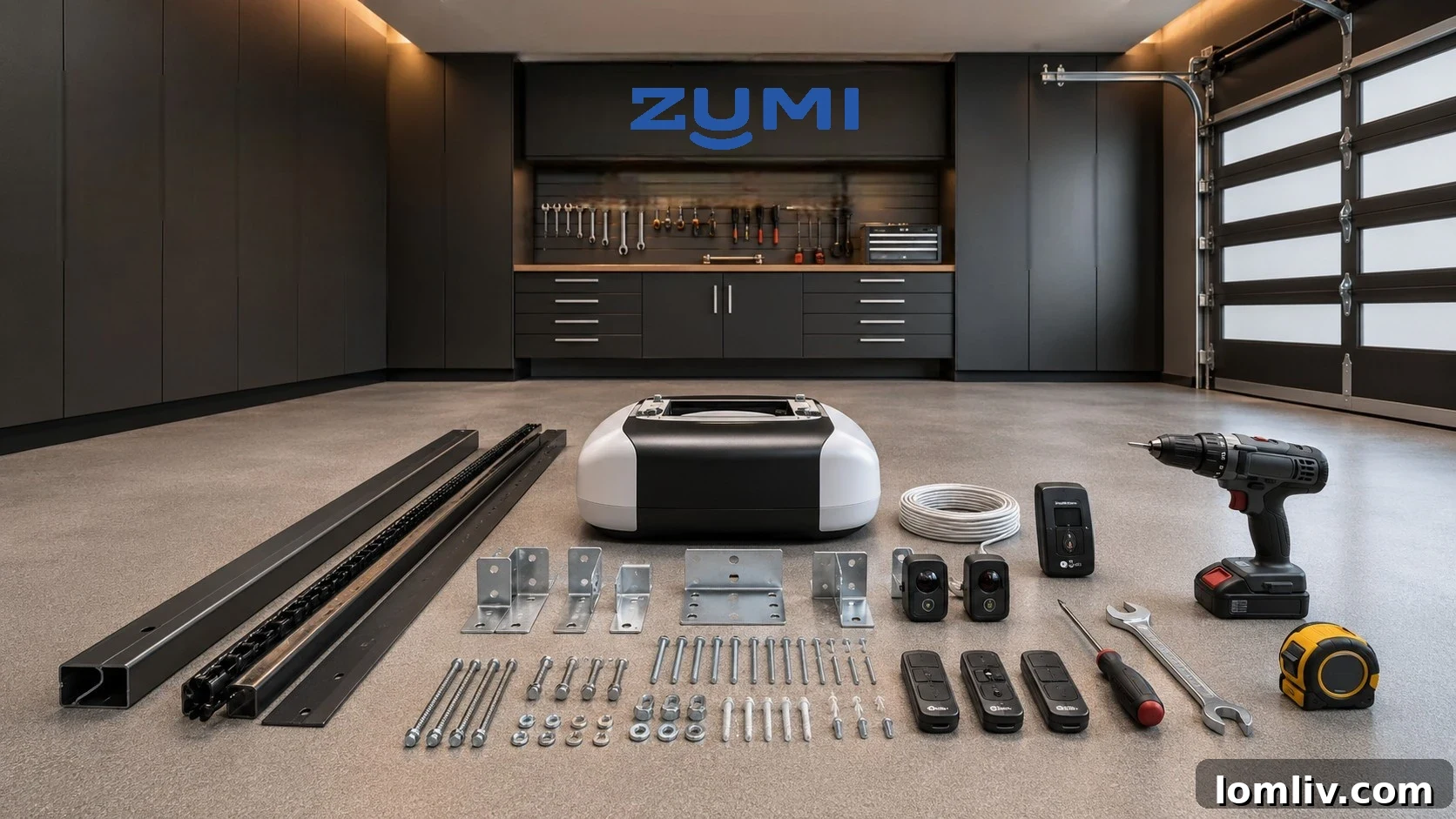
Before you begin, gather the right tools and confirm you have every component listed in the manual.
Essential Tools
Common tools for most installations include:
- Power drill
- Adjustable wrench
- Socket wrench set
- Screwdrivers
- Ladder
- Tape measure
- Level
- Pliers
- Safety glasses
- Stepladder
- Pencil or marker
Garage Door Opener Kit Components
A typical opener package contains:
- Motor unit
- Rail assembly
- Trolley
- Belt, chain, or screw drive mechanism
- Header bracket
- Door bracket
- Hanging brackets
- Safety sensors
- Wall-mounted control panel
- Remote controls
- Mounting hardware
Always check the manual to confirm all pieces are present. Do not mix old sensors, rails, brackets, or hardware with your new opener unless the manual explicitly states they are compatible.
After verifying parts and tools, prepare the garage door itself before mounting the opener.
Step 1: Check the Door Before You Install Anything
Confirm the door is balanced and moves smoothly. If an existing opener is attached, disconnect it and lift the door manually to the halfway point; a balanced door should hold in place. If it drops, surges, sticks, or feels unusually heavy, stop and contact a qualified garage door technician.
Springs, cables, pulleys, and brackets are under high tension and can be dangerous to adjust without proper training. A garage door opener is designed to operate a door that already functions correctly, not to compensate for damaged or unbalanced hardware.
Also disable any manual locks and remove loose ropes or cords before installation to prevent them from getting caught in the opener mechanism.
Step 2: Know Your Garage Door Opener
Make sure the opener you purchased is rated for your door’s size and weight, and choose the drive type that suits your needs:
- Chain-drive: Durable and cost-effective; typically louder than other models.
- Belt-drive: Quieter and smoother, a good choice when living spaces are above the garage.
- Screw-drive: Fewer moving parts and lower maintenance, though some models can be affected by extreme temperature swings.
- Smart openers: Provide Wi‑Fi connectivity for remote control and monitoring via an app.
- Wall-mounted openers: Mount beside the door to free up ceiling space; installation differs from standard rail-style units.
Step 3: Remove the Old Unit
If replacing an existing opener, unplug it and pull the emergency release cord to disconnect the trolley from the door. Remove the motor, rail, wall control, sensors, and brackets carefully, labeling wiring if needed for reference. Inspect the old components, but use the new opener’s supplied parts whenever possible to avoid alignment or safety issues.
Step 4: Assemble the Rail
Lay out rail sections and connect them per the manual. Install the drive mechanism—chain, belt, or screw—along the rail and set tension as the manufacturer specifies. Proper tension prevents uneven movement or excessive strain on the motor. Slide the trolley onto the rail before attaching the rail to the motor unit.
Step 5: Mount the Header Bracket
The header bracket anchors the front of the rail above the door. Mark the centerline of the door on the wall, position the bracket above the highest travel point as directed by the manual, and fasten it into solid structural framing with lag screws. Do not attach the bracket to drywall alone—this connection must be secured to framing that can bear the load.
Step 6: Attach the Rail to the Header Bracket
Raise the assembled rail and connect it to the header bracket with the pivot pin and retaining clip. Support the motor end on a stepladder while preparing to hang the motor; this prevents twisting and keeps the rail aligned as you work.
Step 7: Hang the Motor Unit
Locate ceiling joists or other solid framing with a stud finder and attach the hanging brackets with lag screws. Lift the motor unit and secure it to the brackets. Use a level on the rail to guarantee it is straight—an angled rail will cause premature wear and operational problems.
Step 8: Attach the Door Bracket and Arm
Install the door bracket centered on the top panel as the manual directs. If your door is lightweight—aluminum, fiberglass, or thin steel—install any recommended reinforcement bracket to prevent damage to the top panel. Assemble the curved and straight arm sections and connect them to the trolley with the provided bolts and pins.
Step 9: Install the Safety Sensors
Mount one sensor on each side of the door opening, no higher than 6 inches above the floor, and align them so the beams face each other directly. Run sensor wiring up the wall and across the ceiling to the motor unit, securing it with insulated staples without piercing the wire. Misaligned, dirty, or improperly wired sensors are a common cause of door problems, so take care to get them right.
Step 10: Install the Wall Button
Mount the wall control within sight of the door and at least 5 feet above the floor to keep it out of reach of small children. Route the control wiring to the motor unit and connect to the terminals specified in the manual. If the garage was pre-wired, match the wires used previously.
Step 11: Plug It In and Program It
Only apply power when the manual instructs. Once connected, set the door travel limits so the opener knows how far to open and close the door, and adjust the force settings so the motor operates without overexertion. Use the unit’s learn button or control panel to sync remotes, keypads, and smart features.
Step 12: Test the System
Operate the door several times and observe the motion for smoothness and stability. Test the safety reversal by placing a 2×4 flat on the floor and closing the door; it should reverse on contact. Then test the sensors by waving an object through the beam while closing; the door should stop and reverse. Never skip these safety checks—proper function of the reversal system is essential.
Common Mistakes to Avoid
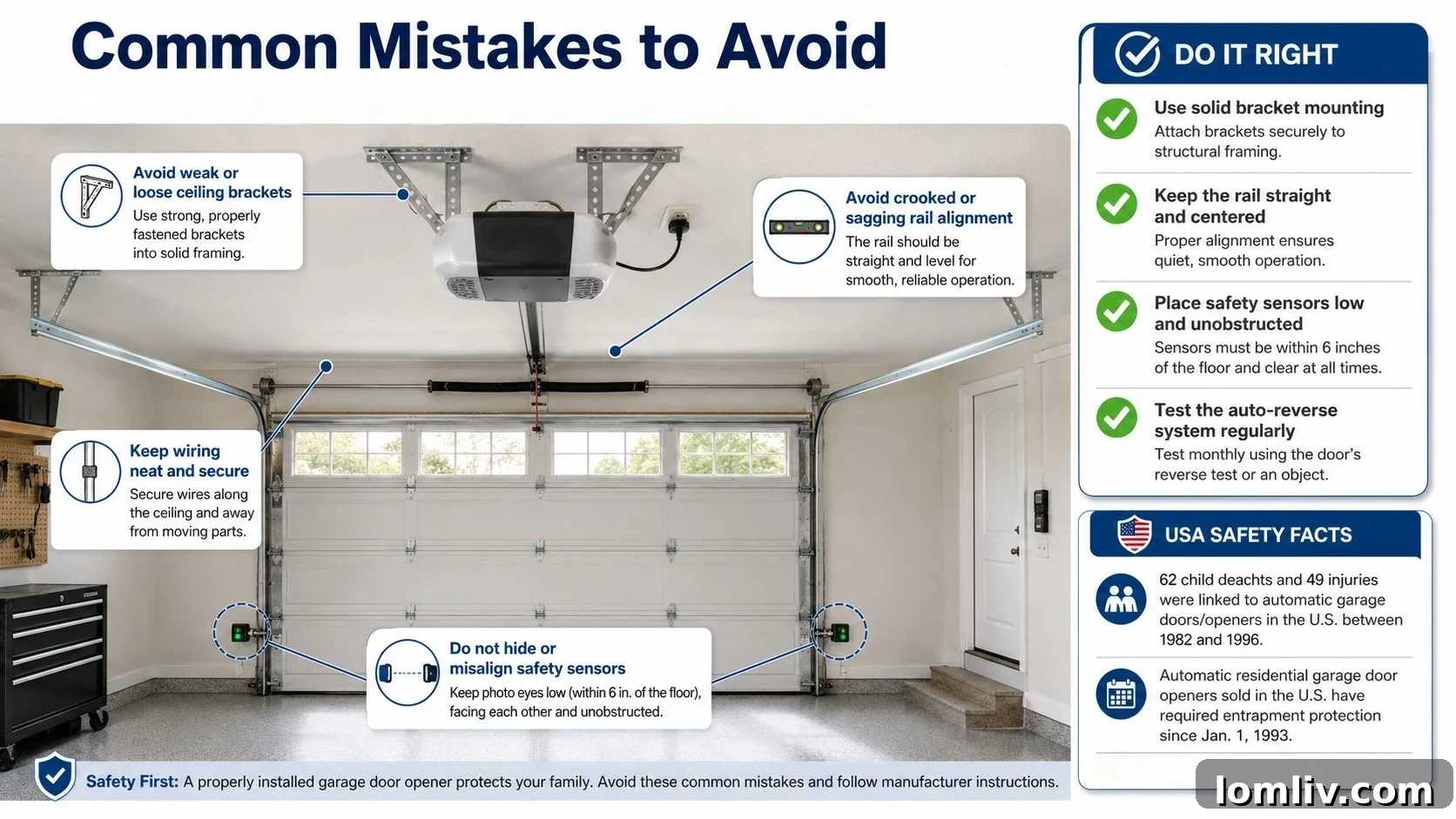
- Crooked rail: An angled rail increases strain on the motor and parts.
- Weak ceiling mounting: Always secure the motor to structural framing, not just drywall.
- Misaligned sensors: Sensors that are out of alignment will prevent the door from closing.
- Skipping the door balance test: An opener cannot correct a bad spring, damaged cable, or sticking door; have those issues repaired first.
- Ignoring the manual: Each model has specific hardware, settings, and safety steps—follow them.
When to Call a Pro
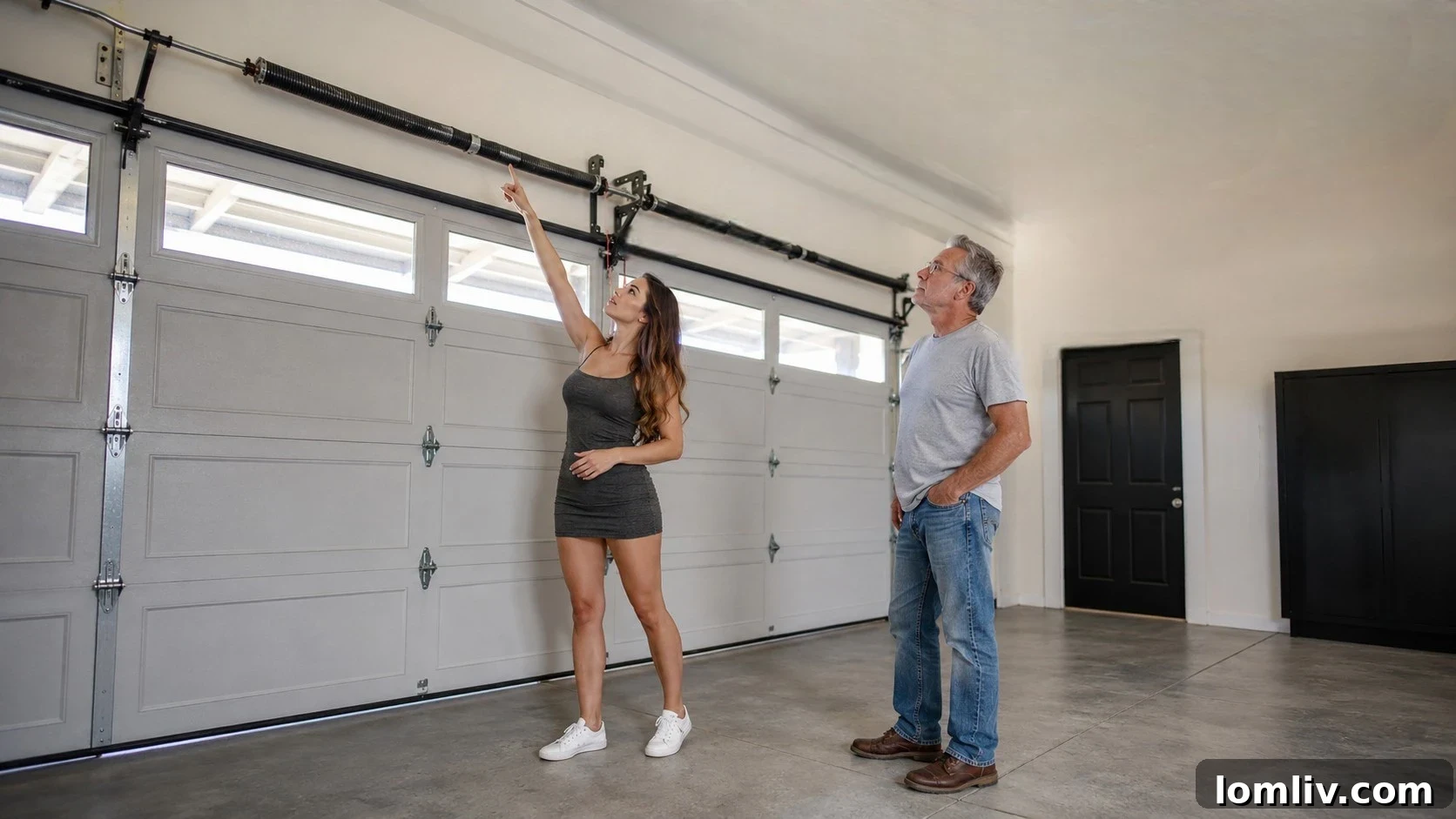
DIY installation is practical for many homeowners, but hire a professional if:
- Your ceiling is unusually high or access is difficult.
- You need a new electrical outlet installed.
- The door is extremely heavy, damaged, or nonstandard in size.
- The door does not remain balanced when lifted halfway.
- You are installing a wall-mounted opener and are unsure of the process.
- You are uncomfortable with ladder work or lifting the motor into place.
A qualified technician can install the opener safely, fine-tune the system, and help preserve any product warranty.
Final Thoughts
Installing a garage door opener can save money and improve daily convenience when done correctly. Success depends on a properly balanced door, secure mounting, and correctly installed safety sensors. Take your time, follow the manual closely, and verify the reversal and sensor functions before regular use.
If you prefer a modern opener with quiet operation and app control, consider models that combine reliable mechanics with smart features and compact designs that free up ceiling space—especially helpful when ceiling storage or low clearance is a concern.