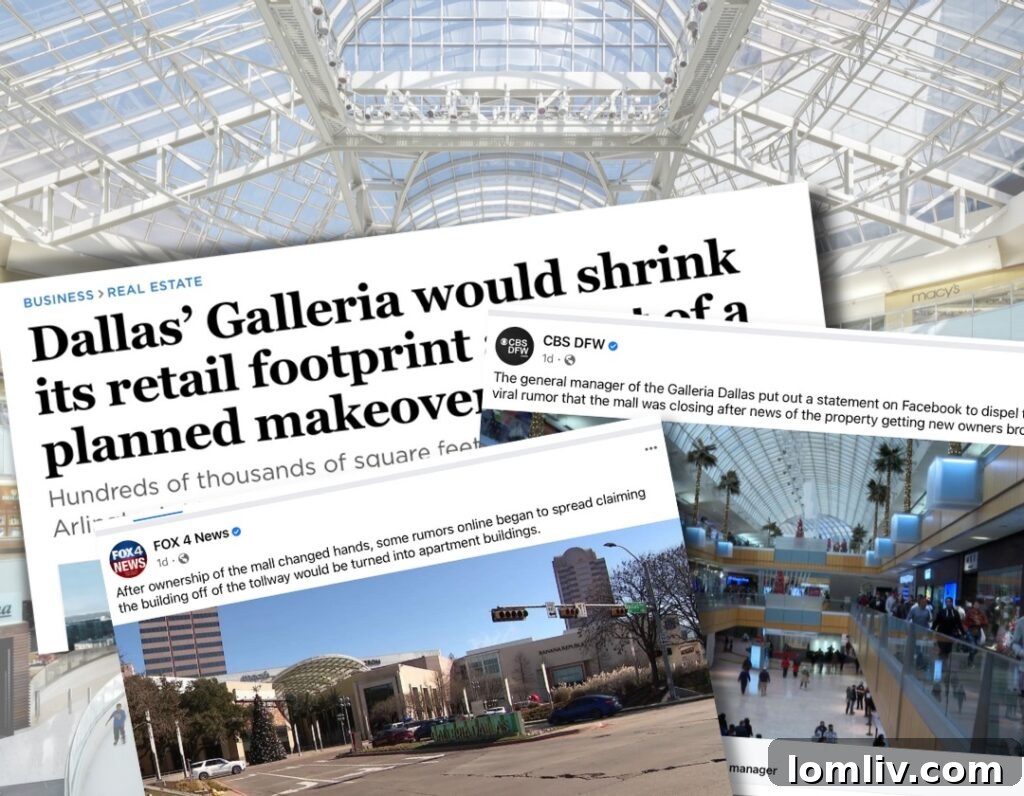
The air in Dallas has been thick with a palpable sense of anxiety and speculation regarding one of its most iconic landmarks: Galleria Dallas. For many Dallasites, the Galleria isn’t just a shopping mall; it’s a nostalgic cornerstone of holiday traditions, family outings, and quintessential retail therapy. So, when whispers began to circulate, fueled by reports from the esteemed Dallas Morning News, that this beloved institution might be facing an imminent shutdown, the community reacted with a collective gasp.
The initial report, penned by veteran real estate correspondent Steve Brown, unveiled a significant shift in the ownership landscape. The deed to the expansive three-level mall, including the integrated Westin Hotel, had been taken over by an investment unit of Metropolitan Life Insurance (MetLife). This development, occurring as MetLife held over $315 million in outstanding loans on the property dating back to 2014, immediately conjured images of foreclosure and closure for many. The article further highlighted the broader struggles plaguing brick-and-mortar retail, citing the fate of defunct centers like the Vista Ridge Mall in Arlington as a cautionary tale. This context, coupled with the news of changing hands, inadvertently ignited a wildfire of rumors across social media platforms, leading to tearful memes and wistful memories shared by concerned citizens.
However, a closer read of the original report reveals a more nuanced truth. While the financial restructuring was undeniable and significant, the article never explicitly stated that Galleria Dallas was closing its doors permanently. The public, often quick to absorb headlines and social media chatter, had perhaps jumped to conclusions, overlooking the subtle yet crucial distinctions in the unfolding narrative. The reality, as it turns out, is far more complex and, ultimately, more hopeful for the future of this North Dallas gem.
Decoding the Future: What’s Really Happening at Galleria Dallas?
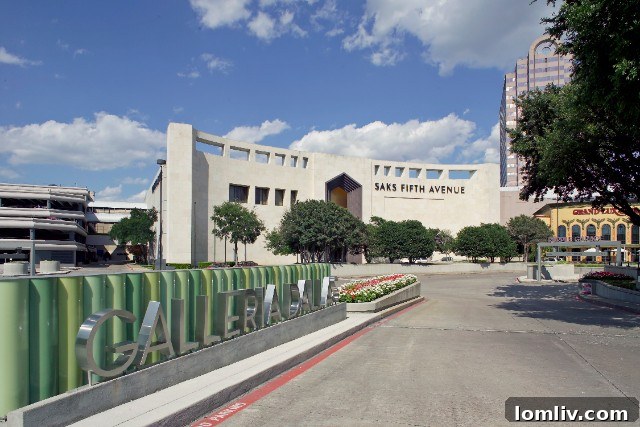
Let’s set the record straight: Galleria Dallas is not shutting down. While it is undergoing significant changes and a visionary transformation, the 1.4 million-square-foot shopping mall, strategically located at the intersection of the Dallas North Tollway and LBJ Freeway, is poised for a bold new chapter. These aren’t the whispers of closure, but rather the strategic moves of a major redevelopment aimed at ensuring its long-term viability and relevance in an evolving retail landscape.
For two decades, since 2002, the Galleria, along with the connected Westin Hotel, was under the ownership of a partnership represented by UBS Realty Investors. In 2005, UBS reportedly acquired the 400-plus-room Westin Hotel, bringing their total investment in both properties to a substantial $395 million ($300 million for the mall and an additional $95 million for the hotel). However, recent valuations paint a different picture, with the combined mall and hotel properties most recently assessed at just over $200 million. This significant decline in valuation, as noted by Steve Brown, underscores the financial pressures and challenges that necessitated a reevaluation of the asset’s future. The takeover by MetLife’s investment unit, therefore, represents not a liquidation but a strategic realignment, where a major lender steps in to manage and reposition a valuable, albeit underperforming, asset.
This financial restructuring paves the way for a comprehensive redevelopment plan, designed to infuse new life and purpose into the property. The vision is to transform the Galleria into a dynamic, mixed-use destination, moving beyond the traditional mall format to cater to contemporary consumer demands. This strategic pivot acknowledges the shifts in how people live, work, and shop, aiming to create a vibrant hub that integrates retail with residential, office, and experiential spaces. It’s a testament to the idea that iconic properties can adapt and evolve, rather than simply fade away.
Unveiling a Visionary Redevelopment Plan: The Mixed-Use Evolution
The genesis of this transformative vision dates back to October 2022, when Terry Montesi, Chairman and CEO of Fort Worth-based Trademark Property Company, addressed the National Association of Real Estate Editor’s Atlanta conference. During a panel discussion focused on commercial real estate and the future of shopping malls, Montesi dropped a significant hint: Trademark would be collaborating with the then-owners of the Galleria on an ambitious redevelopment plan. This plan, he revealed, would involve demolishing approximately a fifth of the mall’s existing structure to create space for an innovative “live-work-play-stay” development.
Montesi articulated the core philosophy behind this approach: “Take down 20 percent of the mall, add a multifamily tower, an office tower, a boutique hotel, and public space. That’s what people want now — mixed-use.” His words resonated deeply, particularly with Dallas-based attendees. Steve Brown, ever vigilant for impactful local stories, immediately followed up with Montesi after the panel, culminating in his widely read October 12, 2022, story that outlined the planned makeover and the mall’s anticipated shrinkage of its retail footprint.
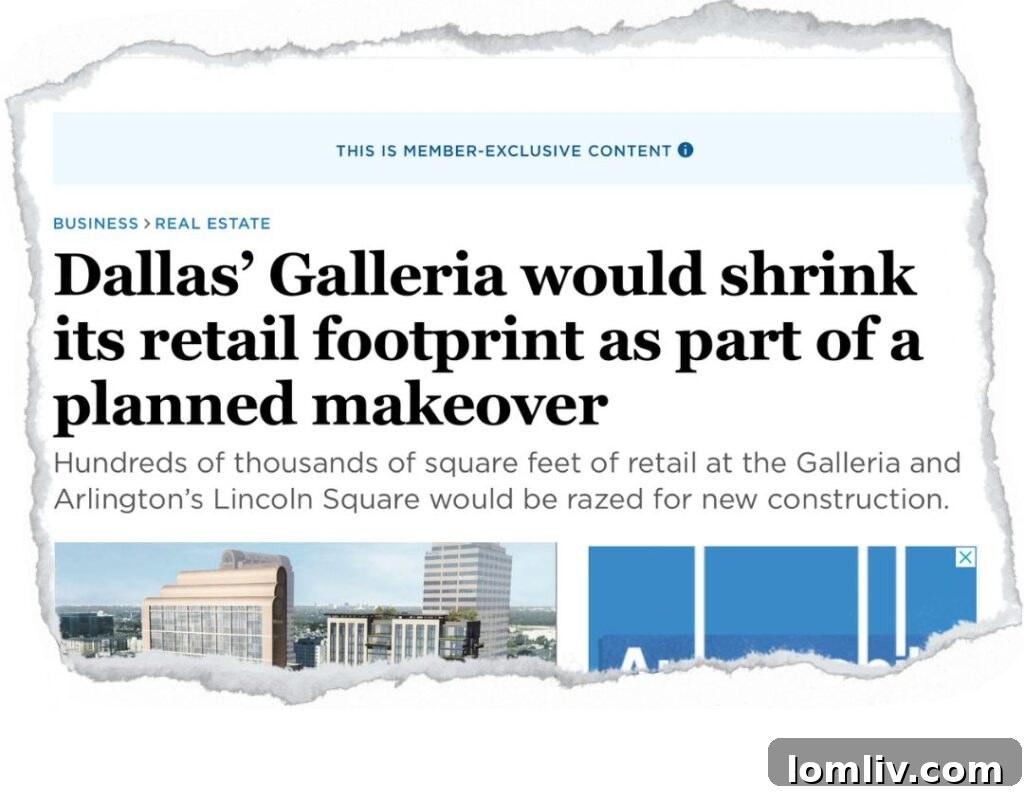
While the initial partnership with UBS has now shifted to MetLife’s real estate asset management arm, the essence of the redevelopment plan remains consistent. This transition, a complex piece of business news in itself, underscores the long-term investment strategy being employed. The immediate public reaction, however, was less about the intricacies of asset management and more about the perceived threat to a beloved landmark. The “game of telephone” that ensued on social media quickly distorted the nuanced reality, morphing the concept of redevelopment into a definitive rumor of closure. This misinterpretation quickly gained traction, causing widespread concern among Dallas residents.
Recognizing the need to quell the unfounded rumors and provide clarity, Angie Freed, General Manager of Galleria Dallas, issued an official statement: “Galleria Dallas is not closing,” Freed unequivocally stated. She further elaborated on the future vision: “While the addition of multi-residential development to Galleria Dallas has been considered as one component of a potential long-term redevelopment project, the mall, along with its retail, dining, and experiential entertainment features, is and will be the core of this Dallas destination.” This statement firmly reaffirmed the commitment to the Galleria’s continued operation and its central role in the upcoming mixed-use transformation, reassuring the community that their cherished landmark would not disappear, but rather evolve.
Navigating the Retail Landscape: An Uphill Battle for Malls
Even with visionary redevelopment plans, experts unanimously agree that the journey for traditional shopping malls remains challenging, and Galleria Dallas is certainly no exception. The retail industry has undergone a seismic shift, requiring properties like the Galleria to adapt or face obsolescence.
“The shopping experience the consumer is looking for has continued to evolve,” remarked Steve Lieberman, CEO of Dallas-based The Retail Connection, in an interview with the Morning News. “That requires a reconfiguration for these large mall properties.” This evolution is multi-faceted. First, the relentless rise of e-commerce fundamentally altered consumer purchasing habits, offering unparalleled convenience and choice from the comfort of home. Then, the COVID-19 pandemic delivered a crushing blow to physical retail, accelerating trends towards online shopping and fundamentally changing public perception of large indoor gatherings. To thrive in this new environment, retail centers must cultivate strong surrounding communities and provide compelling reasons for consumers to visit, linger, and spend beyond mere transactions.
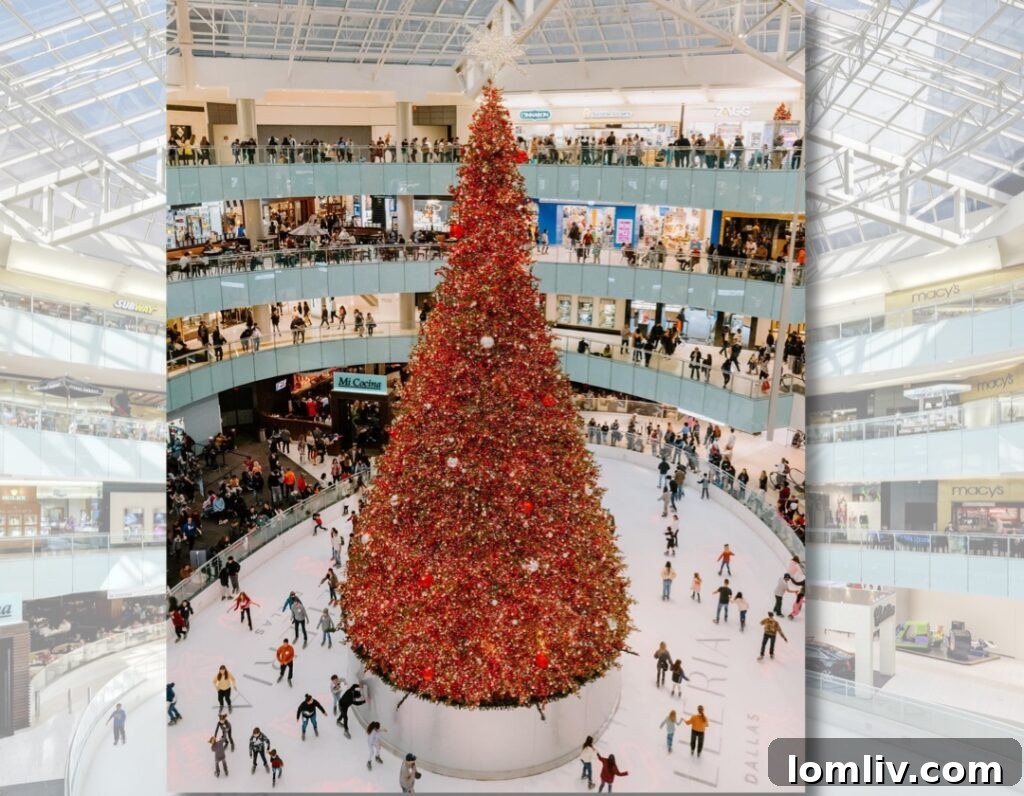
Fortunately, Galleria Dallas boasts a vibrant and engaged community. Its iconic ice-skating rink, a year-round attraction, and its monumental 95-foot Christmas tree – the tallest indoor tree in Texas – during the holidays, are powerful draws that demonstrate the public’s enduring connection to the mall. These experiential elements are precisely what experts advocate for in the modern retail landscape, offering reasons for visits that transcend simple shopping. However, the mall’s journey has also been marked by the departure and reduction of footprints of many key tenants, reflecting the broader challenges faced by traditional department stores and large-format retailers.
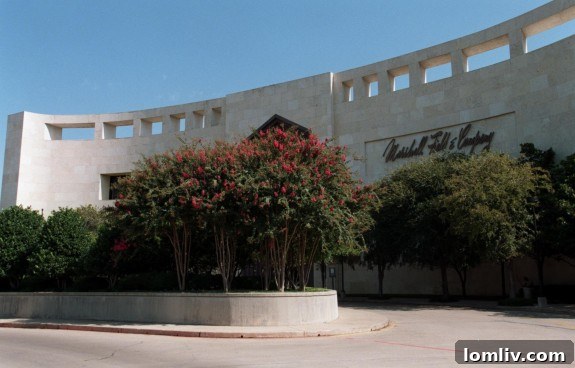
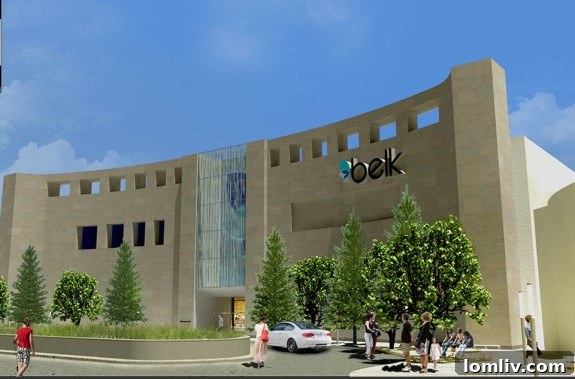
When Galleria Dallas first opened its doors in 1983, it was anchored by two prestigious retailers: Saks Fifth Avenue, a New York-based luxury department store, and Marshall Field & Company, a beloved Chicago-based retailer. Neither of these original anchors remains today. Marshall Field’s, a store that held deep sentimental value for many, eventually closed its doors. Belk Department Store later took up residence in its former space but, regrettably, also closed in 2020. Saks Fifth Avenue, a symbol of high-end fashion, departed in 2013, marking the closure of Dallas’s very last Saks location. Its expansive real estate was subsequently subdivided and occupied by a triple deck of more accessible brands: Banana Republic, Gap, and Old Navy.
Today, the Galleria’s steadfast anchors are Macy’s, which opened in 1985, and Nordstrom, a staple since 1996. Even these retail giants have had to adapt, with Nordstrom recently closing its third-floor level at the Galleria, optimizing its footprint for efficiency. These changes are not isolated incidents but rather reflections of broader strategic adjustments by retailers to meet market demands and operating realities. A current directory of Galleria stores showcases its evolving tenant mix, a blend of established brands and specialty boutiques.
A Local Perspective: Impact on Dallas Real Estate and Community
From a local real estate perspective, the transformation of Galleria Dallas carries significant implications for the surrounding neighborhoods and the broader North Dallas landscape. My immediate thoughts turned to how this monumental shift would influence housing values and development in the immediate Galleria area, as well as the nearby Midtown district. The Valley View/Midtown area of North Dallas has, for years, been a focal point of contention and unfulfilled promise, characterized by ongoing disputes between the city, developers, and property owners. It has, for many nearby homeowners, been an unfortunate eyesore and a source of considerable frustration.
However, as one moves closer to the Galleria, a different narrative unfolds. There’s a tangible surge of new development and renewed energy along Alpha Road. Visionary developers like Mike Ablon have been instrumental in constructing luxury apartment complexes in this corridor, and he shared with me in October that occupancy rates in these units remain consistently high. This robust residential demand underscores the area’s inherent appeal, a critical factor that can underpin the success of a mixed-use Galleria development. High occupancy in surrounding residential units means a built-in customer base for the mall’s retail, dining, and entertainment offerings.
Currently, the Galleria’s occupancy rate stands below 90 percent, a figure generally considered unsustainable for large retail properties in the long term. This, coupled with the ongoing need for enhanced security and a refreshed appeal, highlights the urgency and necessity of the planned redevelopment. Yet, as retail expert Steve Lieberman wisely noted, challenges often bring forth new opportunities. The current pressures on Galleria Dallas are not a death knell but rather a catalyst for innovation and strategic repositioning.
The vision for Galleria Dallas is clear: to evolve from a traditional shopping center into a dynamic, integrated lifestyle destination. By embracing mixed-use development, it aims to create a vibrant nexus where people can live, work, shop, dine, and recreate, fostering a stronger sense of community and economic vitality. This adaptation is crucial not only for the mall itself but also for its broader impact on North Dallas. The hope is that through thoughtful planning and significant investment, these challenges will indeed lead to better, more engaging, and ultimately more sustainable shopping and community environments for generations to come. The future of Galleria Dallas, therefore, is not about closing doors, but about opening new possibilities, setting a precedent for how iconic retail spaces can reinvent themselves for the modern era.