Dallas Neighborhood Heads to Jury in Landmark $200M Pepper Square Zoning Battle
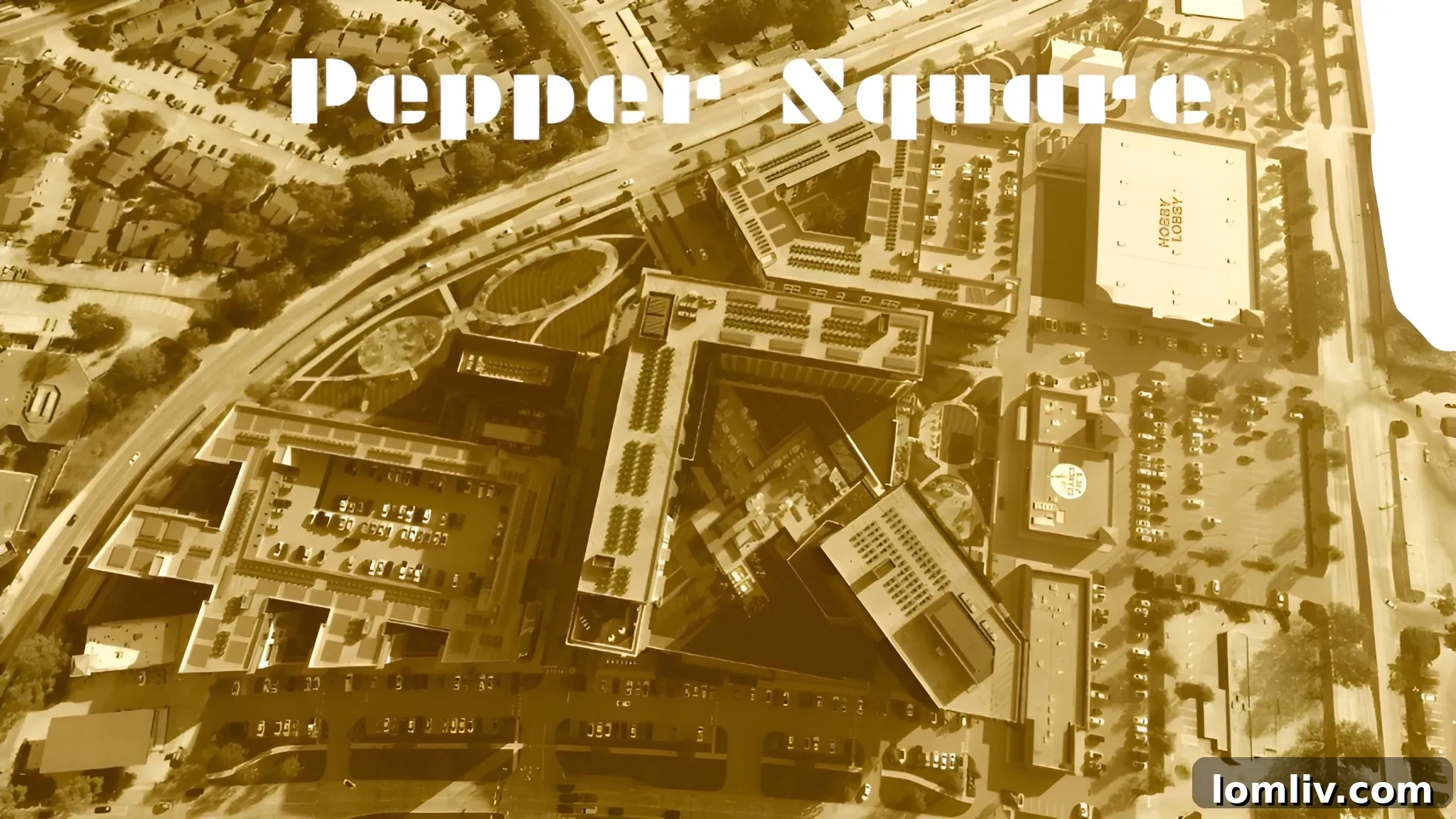
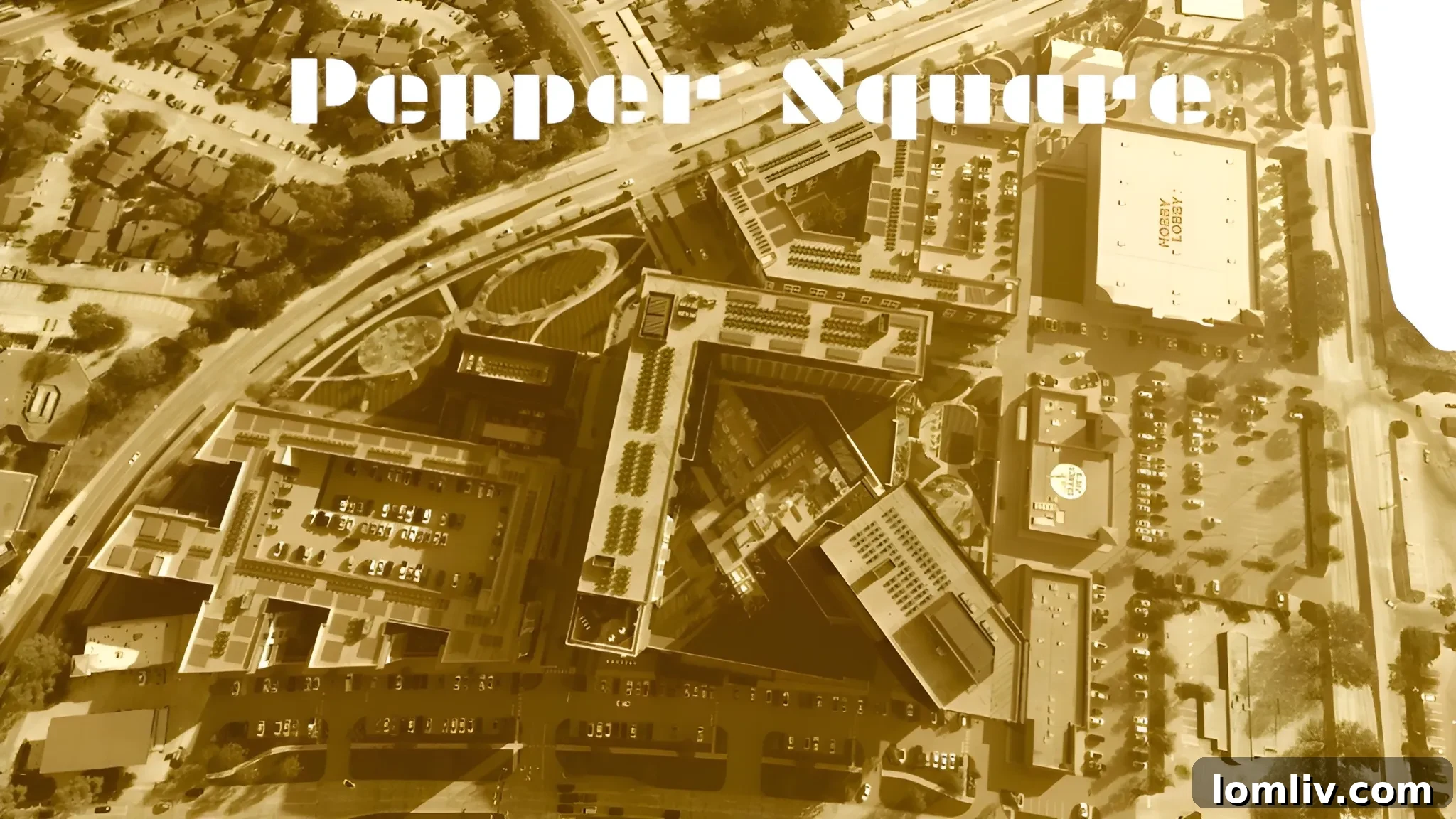
DALLAS — A pivotal legal confrontation is poised to unfold this October, as a North Dallas neighborhood association prepares to take its formidable challenge against the $200 million Pepper Square redevelopment project to a jury. This landmark move signals a crucial turning point in a protracted dispute that will ultimately determine the future of the 15.5-acre site, strategically located at the prominent intersection of Preston and Belt Line Roads.
In a significant development last Friday, Judge Martin Hoffman of the 68th District Court officially scheduled a jury trial for October 6. This ruling grants the “Save Pepper Square Neighborhood Association” its long-sought opportunity to present its case in court, directly contesting the City of Dallas’s approval of the controversial rezoning. Central to the association’s lawsuit are serious allegations of “illegal spot zoning” and accusations that Dallas city officials have demonstrably disregarded their own established comprehensive land use plans. This case stands as a testament to community resolve, highlighting the complex dynamics between urban development and neighborhood preservation in one of Texas’s fastest-growing metropolitan areas.
The Heart of the Dispute: A Community’s Stand Against Rezoning
The conflict over Pepper Square is not merely a bureaucratic disagreement; it is a profound clash of visions for a vital piece of North Dallas. The site, once home to a traditional, aging strip center, has long served the local community. Developer Henry S. Miller Co. envisions a sweeping transformation: a vibrant mixed-use hub boasting nearly 900 new apartment units and at least 35,000 square feet of modern retail space. Proponents of the project enthusiastically champion it as an essential revitalization effort, breathing new life and economic dynamism into a dated commercial corner. They argue that such a development would address the growing demand for housing in Dallas, attract new businesses, and enhance the overall tax base for the city.
However, the prospect of this ambitious redevelopment has met with staunch opposition from local residents. The “Save Pepper Square Neighborhood Association” has been at the forefront of this resistance, consistently articulating profound concerns that resonate deeply within the community. Their primary anxieties revolve around the sheer density of the proposed project, which they believe is incompatible with the existing suburban fabric of their neighborhood. They foresee a drastic increase in traffic congestion on already busy thoroughfares like Preston and Belt Line Roads, exacerbating daily commutes and diminishing quality of life. Furthermore, residents fear the immense strain an influx of nearly a thousand new households would place on local infrastructure, including schools, utilities, and emergency services. Beyond these tangible impacts, there is a powerful sentiment of potential erosion of the neighborhood’s established character—a fear that the familiar, lower-density suburban environment will be irrevocably altered by a development perceived as overly dense and out of scale.
Legal Labyrinth: Allegations of “Spot Zoning” and Ignored Land Use Plans
At the core of the legal challenge lies the allegation of “spot zoning,” a controversial practice that the neighborhood association contends is both illegal and fundamentally unfair. Spot zoning occurs when a single parcel of land, or a small area, is singled out and granted a zoning classification that is markedly different from, and inconsistent with, the zoning of the surrounding properties. This action is generally frowned upon and often prohibited under state laws, including those in Texas, because it can appear arbitrary, discriminatory, and undermines the predictability and integrity of comprehensive urban planning. The association argues that rezoning the Pepper Square site for such a high-density mixed-use development, while the surrounding area maintains a lower-density character, constitutes a classic example of this illicit practice.
Further bolstering their case, the plaintiffs accuse Dallas city officials of deliberately disregarding their own comprehensive land use plans. These plans are foundational documents that guide a city’s growth and development, establishing long-term goals for land use, infrastructure, and community well-being. They are designed to ensure consistency, prevent haphazard development, and protect community interests. If the city’s approval of the Pepper Square rezoning indeed runs contrary to these meticulously crafted plans, it raises serious questions about the transparency and integrity of the urban planning process, potentially setting a dangerous precedent for future developments across Dallas. While the Dallas City Council voted in March to rezone the property, ostensibly believing it was in the city’s best interest, this legal challenge seeks to hold that decision accountable against the strictures of state law and established planning principles.
The “Save Pepper Square” Movement: Mobilization and Early Victories
The “Save Pepper Square Neighborhood Association” has demonstrated remarkable organizational prowess and community solidarity throughout this protracted battle. Their commitment to preserving their neighborhood’s character and ensuring adherence to proper zoning procedures has been unwavering. In a testament to their dedication, the association successfully mobilized its members and concerned citizens, raising an impressive sum of more than $75,000 to finance their crucial legal efforts. This grassroots fundraising highlights the depth of feeling and the collective resolve within the community to protect what they value.
Their legal strategy, spearheaded by Austin Smith, lead attorney for the association and a partner at Steckler Wayne & Love PLLC, quickly yielded an important early victory. Last month, the group secured a temporary restraining order (TRO) that effectively halted any groundbreaking or initial construction activities at the Pepper Square site. This injunction was a critical achievement, providing immediate relief and buying invaluable time for the association to prepare its full case. Matt Bach, a leading voice for the neighborhood association, expressed profound satisfaction with the latest court developments: “We’re very happy. I think we’ve always had a strong argument, and the case had its merits, but you never know what the judge is going to think. Now, a jury of our peers will have the chance to weigh in.” His comments underscore the association’s belief in the strength of their legal position and their trust in the democratic process of a jury trial to evaluate the complex interplay of development rights versus community welfare.
Balancing Growth and Preservation: The Broader Dallas Context
The Pepper Square dispute is not an isolated incident but rather a microcosm of larger challenges facing Dallas, a city experiencing unprecedented growth and development. The pressure to build, driven by population influx and economic expansion, often pits developers seeking to maximize density against established communities striving to preserve their quality of life. This balancing act is fraught with complexities, requiring thoughtful urban planning, genuine community engagement, and strict adherence to zoning laws.
In this context, some community leaders, including former District 11 Councilman Lee Kleinman, have advocated for an alternative approach: designating Pepper Square as a “Planned Development District” (PDD). A PDD is a specific zoning category that allows for more flexible and tailored zoning regulations for a particular site, often involving mixed-use projects. Crucially, PDDs typically mandate a more robust and iterative process of community engagement, ensuring that development plans are meticulously crafted in collaboration with residents. This approach could potentially offer a middle ground, allowing for strategic redevelopment while addressing specific neighborhood concerns about design, density, traffic mitigation, and green space, thereby achieving a more harmonious outcome than a standard rezoning might.
The Road to October: Preparing for a Landmark Jury Trial
With the jury trial now firmly scheduled for October 6, both the “Save Pepper Square Neighborhood Association” and Henry S. Miller Co. are intensifying their preparations for what promises to be a significant courtroom battle. Judge Hoffman has also overseen a tentative agreement between the parties that outlines the terms leading up to the trial. Under this arrangement, the developer has committed not to initiate any construction work on the site until after the October trial has concluded. In return, the neighborhood association has pledged not to seek any further injunctions or restraining orders in the interim. Both sides acknowledge that this arrangement provides a reasonable, albeit temporary, truce, allowing legal teams to focus entirely on building their respective cases without the added pressure of immediate construction activities or ongoing legal skirmishes.
Austin Smith articulated the association’s confidence in their upcoming trial: “We think there is a case for spot zoning, and the court allowing this trial is going to let us prove it—and let a jury hear it. We’re preparing for trial and confident in our position.” This sentiment underscores the belief that the evidence will clearly demonstrate the alleged illegality of the rezoning. For the developer, the stakes are equally immense. A $200 million project hangs in the balance, representing a substantial investment of capital, time, and planning. The outcome of this trial will directly impact their ability to proceed with their vision for one of North Dallas’s key commercial parcels. The legal teams are now deeply immersed in discovery, witness preparation, and strategic planning, knowing that the eyes of Dallas’s development community and its residents will be fixed on the proceedings.
Conclusion: A Precedent-Setting Battle for Community Rights
As the legal teams meticulously prepare for the fall courtroom showdown, the fate of Pepper Square remains uncertain, hanging delicately in the balance. This case has rapidly evolved into a flashpoint within Dallas’s ongoing, often fervent, public debate over sustainable growth, equitable zoning practices, and the fundamental importance of neighborhood preservation. The jury’s decision will not only determine the future of this 15.5-acre site but could also establish a significant precedent for how development projects are evaluated and approved in Dallas moving forward. It will send a clear message about the power of organized community advocacy and the judiciary’s role in upholding planning integrity.
Matt Bach’s closing remarks powerfully encapsulate the broader implications of this legal challenge: “We’re confident a jury will see this for what it is. This is about more than just one project—it’s about the future of our community.” Indeed, the Pepper Square lawsuit transcends the immediate specifics of a single development; it represents a crucial struggle over the balance of power between developers, city planners, and the residents whose lives are directly impacted by urban change. The October trial is poised to be a defining moment, shaping not just a neighborhood corner, but potentially the very fabric of Dallas’s urban landscape for years to come.