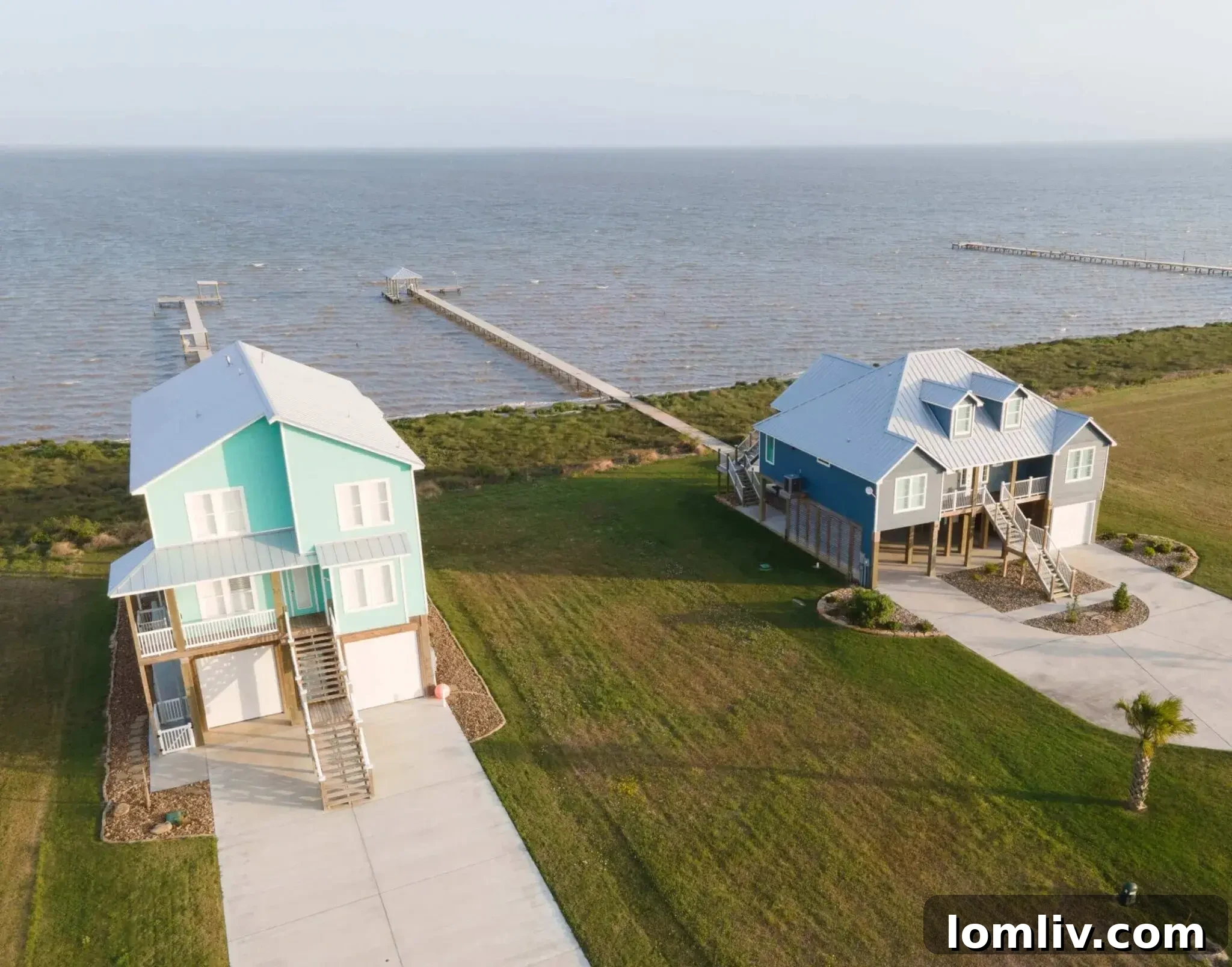
Building a dream house on beachfront property is an unparalleled journey, blending the serene allure of coastal living with the satisfaction of personalized design. Imagine waking up to the soothing sound of waves, with vast ocean views stretching before you. This aspiration, however, comes with unique challenges, requiring meticulous planning, a deep understanding of local regulations, and specialized construction techniques to ensure your home withstands the distinctive forces of an immediate coastal environment.
Texas’s Gulf Coast, often considered a hidden gem for coastal living, offers stunning opportunities for beachfront development. Yet, building in such a dynamic region demands careful consideration of everything from soil stability and flood risks to hurricane preparedness and environmental impact. This comprehensive guide is designed to navigate you through every critical stage of building your perfect coastal sanctuary, from the initial spark of an idea to the joy of moving into your resilient and beautiful beachside retreat.
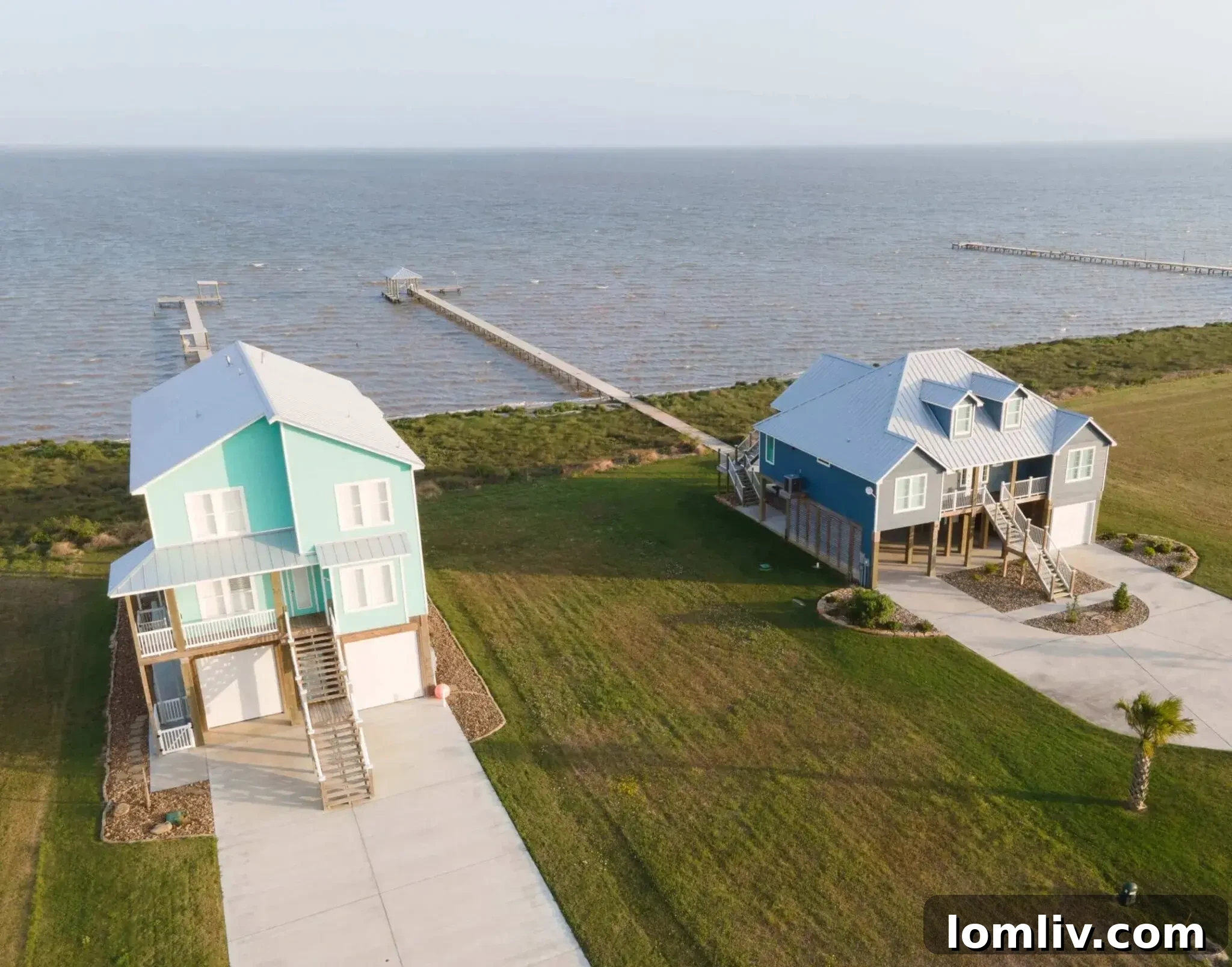
From selecting the ideal site and laying robust foundations to navigating complex permitting processes and creating sustainable, aesthetically pleasing outdoor spaces, we will cover the essential steps. Our aim is to equip you with the knowledge and insights needed to transform your vision into a durable, breathtaking beachfront home that offers both comfort and lasting value.
1. Initial Planning and Vision: Crafting Your Coastal Dream
The foundation of any successful construction project lies in thorough initial planning. For a beachfront property, this phase is even more critical, as it shapes how your home will interact with its unique environment and cater to your lifestyle.
Define Your Dream Home and Lifestyle Needs:
Begin by vividly imagining your ideal coastal home. What does it look like? What features are essential? Start by documenting your vision in detail:
- Architectural Style: Do you envision a modern minimalist retreat, a classic coastal cottage, or a rustic beach house? Consider how different styles integrate with the natural surroundings and local aesthetics.
- Size and Layout: Determine the number of bedrooms and bathrooms, living spaces, and any specialized rooms like a home office, media room, or guest suites. Think about the flow of indoor-outdoor living.
- Special Features: Dream big! Include features such as an expansive outdoor deck for entertaining, an infinity pool overlooking the ocean, a private boardwalk to the beach, or panoramic windows to maximize views.
- Lifestyle Integration: Consider how the home will support your daily life. Do you need easy access for water sports? Privacy for relaxation? Space for hosting large gatherings? Accessibility for family members of all ages?
- Long-Term Use: Is this a permanent residence, a vacation home, or an investment property? This will influence design choices, durability requirements, and rental potential.
Budget Planning: Securing Your Financial Foundation:
A realistic and detailed budget is paramount for preventing financial strain and ensuring your project stays on track. Building a beachfront home can often incur higher costs due to specialized materials, engineering, and regulatory requirements.
- Comprehensive Cost Breakdown: Develop a detailed budget that accounts for every potential expense: land acquisition, architectural and engineering fees, permits and regulatory compliance, construction costs (materials, labor, specialized techniques), landscaping, interior furnishings, and utility connections.
- Contingency Fund: Always allocate a significant contingency fund, typically 15-20% of the total budget. This buffer is crucial for absorbing unforeseen expenses, which are common in complex coastal projects, such as unexpected soil conditions, permit delays, or material price fluctuations.
- Financing and Insurance: Consult with financial advisors or mortgage brokers experienced in construction loans for high-value properties. Explore various financing options and secure pre-approval. Additionally, research specialized insurance policies, including flood insurance, windstorm insurance, and builder’s risk insurance, which are non-negotiable for coastal properties.
Choosing the Perfect Beachfront Location:
The right location transcends mere aesthetics; it’s about finding a site that balances natural beauty with practical considerations and long-term sustainability.
- Site Visits and Local Charm: Visit multiple beachside areas at different times of the year to assess their unique appeal, weather patterns (especially during peak storm seasons), and community vibe. Does the area offer the tranquility or vibrancy you seek?
- Proximity to Amenities: Evaluate the proximity to essential services such as hospitals, schools, grocery stores, restaurants, and recreational facilities. While seclusion can be appealing, convenient access to amenities enhances quality of life and potentially property value.
- Future Development and Investment Potential: Research local development plans and real estate trends. A growing community might offer better long-term investment prospects. Ensure the land’s value aligns with your investment goals and that potential future developments won’t detract from your property’s appeal.
- Environmental Factors: Observe erosion patterns, dune health, and local wildlife. These factors will influence design constraints and environmental impact assessments.
2. Land Purchase and Legal Considerations: Navigating Coastal Property Ownership
Acquiring beachfront land involves more than just a beautiful view; it demands rigorous due diligence to ensure the property is buildable and free from legal complications.
Assess the Property’s Unique Coastal Characteristics:
Before making an offer, a thorough site analysis is crucial to understand the inherent challenges and opportunities of the land.
- Topography and Soil Quality: Commission a geotechnical survey to evaluate soil composition, stability, and load-bearing capacity. Sandy or shifting soils will require specialized and more expensive foundation systems.
- Erosion and Flood Potential: Investigate the area’s history of natural disasters like hurricanes, storm surges, and coastal erosion. Review flood zone maps (FEMA maps are essential) to understand the flood risk and elevation requirements for your future home.
- Dune Systems and Vegetation: Understand the importance of natural dune systems for coastal protection. Building permits often restrict disturbing these vital habitats. Assess existing vegetation for its role in preventing erosion and supporting local ecosystems.
Title Search and Legal Due Diligence: Protecting Your Investment:
Legal clarity is paramount in real estate transactions, especially for valuable beachfront properties.
- Professional Legal Counsel: Hire a real estate attorney with expertise in coastal property law. They will perform a title search to uncover any liens, easements, boundary disputes, or other encumbrances that could affect your ownership or ability to build.
- Boundary Verification: Ensure a professional survey confirms property boundaries, especially concerning the mean high water mark, which can fluctuate and affect buildable area.
- Seller Disclosures: Review all seller disclosures regarding property history, environmental issues, previous repairs, and any known problems that could impact future construction or ownership.
Consult Local Authorities: Understanding the Regulatory Landscape:
Coastal development is heavily regulated to protect both property and the environment.
- Zoning Laws and Land Use: Verify with local planning departments that residential construction is permitted on your chosen lot and understand specific zoning classifications that might dictate density, height restrictions, or architectural styles.
- Setback Requirements: Learn about setback requirements from the shoreline, dunes, or property lines. These regulations determine how close to the water or property boundaries you can build.
- Community Covenants and HOAs: If the property is part of a planned community or homeowner’s association (HOA), thoroughly review all covenants, conditions, and restrictions (CC&Rs). These can impose additional rules on architectural design, exterior materials, landscaping, and even color palettes.
- Environmental Regulations: Inquire about any local, state, or federal environmental protection acts, such as coastal zone management programs, wetland protections, or endangered species acts, which could influence your building plans.
3. Design and Planning: Crafting a Resilient and Beautiful Beach Home
With the land secured and legalities understood, the design phase translates your vision into a practical, resilient, and aesthetically pleasing home.
Assembling Your Professional Design Team:
Successful coastal construction requires a team of specialists who understand the unique demands of the environment.
- Architect: Work with an architect experienced in coastal homes. They will translate your vision into detailed blueprints, considering views, natural light, prevailing winds, and local building codes.
- Structural Engineer: A structural engineer specializing in coastal properties is essential. They will design a robust foundation and structural system capable of withstanding high winds, storm surges, and seismic activity if applicable.
- Interior Designer: Collaborate with an interior designer who understands coastal aesthetics and the need for durable, moisture-resistant materials for interior finishes.
- Coastal Engineer/Environmental Consultant: For properties with significant erosion concerns or complex environmental regulations, a coastal engineer or environmental consultant can provide critical insights and design solutions.
Designing for Coastal Resilience:
Protecting your home from the harsh coastal elements is a primary design consideration.
- Elevated Structures: Design elevated structures to mitigate flood risks and comply with FEMA guidelines for base flood elevation (BFE). This often involves building on pilings, stilts, or a raised concrete slab, allowing floodwaters to pass underneath.
- Hurricane and Wind Resistance: Incorporate hurricane-resistant features, including reinforced roof systems (e.g., hip roofs are often preferred over gable roofs), impact-resistant windows and doors, and strong structural connections. Consider steel-framed construction or fortified concrete for ultimate durability.
- Saltwater Corrosion Protection: Specify materials and finishes that resist saltwater corrosion and humidity, such as marine-grade stainless steel, aluminum, treated lumber, and specialized coatings for all exposed metal components.
- Wind Loads and Aerodynamics: Design the home’s shape and roofline to minimize wind uplift and damage, consulting with your engineer to meet local wind load requirements.
Embracing Sustainability and Eco-Friendly Design:
Building green not only benefits the environment but can also lead to long-term cost savings and a healthier living space.
- Energy Efficiency: Incorporate high-efficiency HVAC systems, superior insulation, low-E windows, and energy-efficient appliances. Consider passive design strategies like strategic window placement for cross-ventilation and natural light to reduce reliance on artificial heating and cooling.
- Renewable Energy: Integrate eco-friendly elements such as solar panels for electricity generation or solar water heating systems to reduce your carbon footprint and energy bills.
- Water Conservation: Implement rainwater harvesting systems for irrigation, low-flow fixtures, and drought-tolerant landscaping. Consider a graywater recycling system for non-potable uses.
- Sustainable Materials: Choose locally sourced, recycled, or rapidly renewable materials like reclaimed wood, bamboo flooring, recycled content insulation, or fiber-cement siding. Select non-toxic and low-VOC (volatile organic compound) paints and finishes for improved indoor air quality.
4. Obtain Necessary Permits: The Gateway to Construction
Permitting for beachfront construction is notoriously complex and time-consuming, involving multiple layers of government agencies. Start this process early.
Environmental Approvals: Protecting Coastal Ecosystems:
Coastal development significantly impacts fragile ecosystems, requiring careful environmental review.
- Environmental Impact Assessments (EIA): Submit applications for comprehensive EIAs to demonstrate that your construction plans comply with local, state, and federal coastal preservation laws, including those related to wetlands, dunes, and endangered species habitats.
- Mitigation Plans: Provide documentation outlining how your construction activities will minimize disruption to the natural habitat, including erosion control measures, waste management plans, and protection of existing vegetation.
- Coastal Zone Management (CZM) Permits: Many coastal states have CZM programs that require specific permits to ensure development is consistent with state-level coastal policies.
Building Permits: Ensuring Structural Integrity and Safety:
These permits ensure your home meets essential safety and structural standards.
- Local Building Department Approval: Obtain approval from the local building department for your complete construction plans, including architectural drawings, structural engineering plans, mechanical, electrical, and plumbing (MEP) schematics.
- Code Compliance: Verify that your plans meet all current local and state building codes, including specific coastal construction codes related to wind loads, flood elevation, and hurricane resistance.
- Staged Approvals: Be prepared for permits to be issued in stages, with separate approvals often required for foundation, framing, electrical, plumbing, and final occupancy.
Specialized Permits: Addressing Unique Coastal Needs:
Depending on your property and design, additional permits may be necessary.
- Seawalls, Bulkheads, or Revetments: If you plan to install structures to protect against erosion, specific permits from coastal commissions or Army Corps of Engineers may be required, often with strict environmental guidelines.
- Septic Systems and Wastewater: If not connected to municipal sewer, permits for private septic systems are critical and subject to stringent environmental health regulations.
- Private Docks or Piers: Construction of private docks or access structures into waterways often requires permits from state land offices, coastal authorities, or the Army Corps of Engineers.
- Dune Alteration/Restoration: Permits may be needed for any work involving dunes, even for restoration or access paths.
5. Hire Contractors and Construction Team: Expertise in Coastal Building
Selecting the right construction team is crucial. Their experience with coastal properties can make all the difference in the durability and success of your project.
Vetting Specialist Contractors:
Look for contractors with proven expertise in beachfront construction.
- Experience and Portfolio: Request references and review portfolios of contractors who specifically specialize in coastal properties. Look for projects that showcase experience with elevated foundations, hurricane-resistant construction, and saltwater-resistant materials.
- Licensing and Insurance: Verify that the contractor is fully licensed and bonded in your state and locality. Crucially, ensure they have comprehensive liability insurance, worker’s compensation, and specific coverage for coastal risks.
- Problem-Solving Skills: Discuss their approach to common coastal challenges like saltwater corrosion, high winds, permit delays, and logistical issues of building near water.
Reviewing Comprehensive Contracts:
A detailed contract protects both you and the contractor.
- Detailed Provisions: The contract should explicitly include detailed provisions for timelines (with clear milestones), material specifications, fixed or cost-plus pricing, payment schedules, and penalties for delays.
- Change Orders and Warranties: Clearly outline the process for managing change orders (any modifications to the original plan) and include comprehensive warranties for workmanship and materials.
- Dispute Resolution: Specify a clear process for addressing disputes, such as mediation or arbitration, to avoid costly legal battles.
Monitoring Insurance Coverage:
Adequate insurance is non-negotiable for coastal construction.
- Contractor’s Insurance: Ensure the contractor’s insurance covers general liability, worker’s compensation, and property damage throughout the construction period. Request copies of their certificates of insurance.
- Builder’s Risk Insurance: Purchase a builder’s risk policy, which specifically protects your investment (the structure itself and materials on-site) during construction from perils like fire, theft, vandalism, and often, specific coastal risks like wind and flood damage.
- Flood and Windstorm Policies: Begin researching and understanding future flood and windstorm insurance requirements, as these will be ongoing costs once the home is completed.
6. Construction Phase: Building a Resilient Coastal Structure
The construction phase brings your blueprints to life, demanding adherence to specialized techniques and materials.
Foundation Work: The Bedrock of Coastal Resilience:
The foundation is the most critical element of a beachfront home, designed to combat instability and water intrusion.
- Deep Pilings or Piers: On sandy or shifting soils, deep pilings (concrete, timber, or steel) or helical piers are essential. These are driven deep into the ground to provide stability and elevate the structure above flood levels.
- Reinforced Concrete Slabs: For homes on higher ground or with robust soil, a heavily reinforced concrete slab foundation, often elevated, can be used. All foundations must be engineered to withstand lateral forces from wind and water.
- Elevation Against Flooding: Elevate the foundation significantly above the base flood elevation (BFE) specified by FEMA and local codes to protect against storm surges and rising sea levels. This often means living areas are on the second story or higher.
Building Materials: Defying the Elements:
Materials must be selected for their ability to withstand the harsh coastal environment.
- Corrosion-Resistant Metals: Use marine-grade stainless steel fasteners, connectors, and hardware to prevent rust and corrosion from salt spray.
- Treated Wood and Fiber-Cement Siding: Employ pressure-treated lumber for structural elements and decking. Fiber-cement siding, composite decking, and stucco are excellent choices for exterior finishes due to their resistance to moisture, salt, insects, and rot.
- Impact-Resistant Windows and Doors: Install impact-rated windows and doors that can withstand hurricane-force winds and flying debris.
- Protective Coatings: Apply specialized protective coatings to all metal surfaces, exterior wood, and concrete to enhance durability and longevity against salt and UV exposure.
- Insulation: Choose insulation materials that resist moisture and maintain their R-value even in humid conditions, such as closed-cell spray foam.
Regular Inspections and Quality Control:
Constant oversight ensures compliance and quality.
- Scheduled Inspections: Schedule mandatory inspections at key construction milestones (e.g., foundation, framing, plumbing rough-in, electrical rough-in, insulation, and final). Ensure all work meets local code and design specifications.
- Independent Oversight: Consider hiring an independent construction inspector or project manager to provide an additional layer of quality control and ensure the contractor is adhering to plans and standards.
- Prompt Issue Resolution: Address any issues or discrepancies noted during inspections promptly to avoid costly corrections or rework later in the project. Document everything.
7. Landscaping and Outdoor Spaces: Harmonizing with Nature
Thoughtful landscaping enhances beauty, provides privacy, and crucially, protects against erosion in a coastal environment.
Coastal-Specific Landscaping:
Choose plants that thrive in challenging beach conditions.
- Native and Drought-Tolerant Plants: Select native plants that are naturally adapted to sandy soil, saline conditions, strong winds, and drought. Beach grass, sea oats, salt-tolerant palms, and various coastal shrubs can help stabilize dunes and provide natural beauty.
- Erosion Control Measures: Incorporate natural erosion-control methods such as planting dense vegetation, building vegetated berms, or installing geotextiles to stabilize slopes and prevent sand loss. Retaining walls, if necessary, should be permeable and designed to withstand water forces.
- Water-Wise Irrigation: Implement efficient irrigation systems, such as drip irrigation, to minimize water usage for any non-native plants.
Designing Durable Outdoor Living:
Create inviting outdoor spaces that withstand the elements.
- Weather-Resistant Materials: Design durable outdoor spaces using weather-resistant materials for decking (composite, treated wood, or concrete), patios (stone pavers, permeable concrete), and railings (stainless steel, composite).
- Functional Features: Include features like pergolas or shade structures for sun protection, fire pits for evening gatherings, outdoor kitchens for entertaining, and an outdoor shower to rinse off sand after beach activities.
- Privacy and Views: Strategically place landscaping and architectural elements to maximize ocean views while providing necessary privacy from neighbors or beachgoers.
Safe and Environmentally Sound Beach Access:
Ensure easy yet responsible access to the shoreline.
- Environmentally Sensitive Pathways: Build pathways or staircases to the beach that are elevated over dunes, minimizing environmental impact and protecting fragile ecosystems. Avoid disturbing natural vegetation.
- Non-Slip and Durable Materials: Use non-slip materials like composite decking or treated wood for pathways and stairs to ensure safety, especially when wet. Ensure materials are resistant to sand, salt, and sun.
- Lighting: Integrate low-level, downward-facing lighting for safety during nighttime access, being mindful of sea turtle nesting seasons where applicable (often requiring “turtle-friendly” lighting).
8. Finishing Touches: Bringing Your Beach House to Life
The interior design and installation of critical systems complete your beachfront dream, blending aesthetics with functionality.
Interior Design for Coastal Living:
Create an inviting and durable interior that complements the exterior environment.
- Durable Furnishings: Select furniture and decor specifically suited for coastal living. Opt for weather-resistant, easy-to-clean fabrics for upholstery, such as Sunbrella or other outdoor-grade materials, and durable finishes that can withstand humidity and sand.
- Aesthetic Harmony: Embrace a light, airy color palette with blues, greens, and neutrals to complement the natural surroundings. Incorporate natural textures like rattan, wicker, and reclaimed wood. Nautical-themed accents or local artwork can add personal touches.
- Maximized Views: Prioritize design elements that maximize natural light and ocean views, such as large windows, sliding glass doors, and open-concept layouts.
Installing Essential Coastal Systems:
Specialized systems are often required to cope with the unique coastal climate.
- HVAC Systems: Install high-efficiency HVAC systems designed for humid climates, possibly with dehumidification capabilities. Ensure outdoor units are protected from salt spray.
- Water Filtration: If using well water or concerned about municipal water quality in coastal areas, add water filtration systems to handle potential salt, sediment, or other contaminants in the water supply.
- Smart Home Technology: Integrate smart home technology for convenience and control. This can include remote control of lighting, thermostats, security systems, and even leak detection, which is particularly useful for a secondary or vacation home.
Securing Your Coastal Home:
Protection against storms and intruders is paramount.
- Storm Shutters and Reinforced Doors: Install permanent storm shutters (manual or automated) or reinforced doors designed to withstand hurricane-force winds and flying debris, providing an extra layer of protection during severe weather.
- Home Security Systems: Implement a robust home security system with outdoor cameras, motion sensors, and remote monitoring capabilities to protect your property, especially when unoccupied.
- Emergency Power: Consider a whole-house backup generator to ensure power during outages, which are common during storms in coastal areas.
9. Final Inspections and Compliance: Ensuring Readiness
Before you move in, a final series of checks ensures your home is safe, compliant, and ready for occupancy.
Inspecting for Code Compliance and Occupancy:
- Final Building Inspection: Schedule a final inspection with local authorities to verify that the completed home meets all building codes, structural requirements, and safety standards.
- Occupancy Permit: Once all inspections are passed, obtain the Certificate of Occupancy (CO). This document certifies that the home is safe and legally approved for habitation. Without it, you cannot legally move in.
- Deficiency Resolution: Promptly address any deficiencies or punch list items noted during the final inspection or by your independent inspector.
Environmental Audits and Close-Out:
- Post-Construction Environmental Review: If required, conduct a final environmental audit to confirm that your home aligns with all environmental preservation commitments and that any mitigation efforts were successful.
- Documentation: Collect all warranty information, operation manuals for appliances and systems, and final permits.
10. Move-In and Maintenance: Enjoying Your Beachfront Haven
The journey doesn’t end when construction is complete. Proper maintenance and preparedness are key to long-term enjoyment of your beachfront home.
Regular Maintenance for Coastal Properties:
Coastal environments demand more frequent and specialized maintenance.
- Exterior Finishes: Set up a routine maintenance schedule for critical areas like exterior finishes, checking for salt buildup, mold, or UV damage. Power wash periodically and reapply protective coatings as needed.
- Roofing and Structure: Regularly inspect your roofing, foundation, and structural elements for signs of wear, erosion, or salt damage. Address any minor issues before they escalate.
- Plumbing and HVAC: Perform periodic checks of plumbing for leaks and saltwater corrosion, especially in fixtures. Service HVAC systems annually to ensure efficient operation in humid conditions.
- Landscaping: Maintain coastal landscaping to prevent overgrowth that could damage the structure or block views, and monitor erosion control measures.
Emergency Preparedness: Staying Safe in a Dynamic Environment:
Being prepared for severe weather is crucial for beachfront living.
- Disaster Plan: Create a comprehensive emergency plan for hurricanes, floods, and other natural disasters. This should include evacuation routes, contact lists, and designated meeting points.
- Emergency Supplies: Assemble an emergency kit with at least 72 hours of non-perishable food, water, first aid supplies, flashlights, and batteries.
- Backup Systems: Invest in a reliable backup generator and ensure waterproof storage for important documents and valuables. Familiarize yourself with how to secure your home rapidly for an approaching storm.
- Insurance Review: Annually review your flood, wind, and homeowner’s insurance policies to ensure adequate coverage for replacement costs and potential natural disasters.
Embrace and Enjoy Your Coastal Home:
With the hard work done, it’s time to savor the unique advantages of beachfront living.
- Personalize Your Space: Infuse your home with personal touches – artwork, photos, and mementos that reflect your style and experiences.
- Host and Relax: Embrace the beachside lifestyle by hosting gatherings with family and friends, relaxing on your deck with a book, or simply enjoying the mesmerizing views and sounds of the ocean.
- Explore the Community: Become an active part of the local community, discovering hidden gems, local events, and the unique culture of coastal living.
Building your beachside dream home is a monumental undertaking, demanding significant time, meticulous preparation, and unwavering dedication. However, with the right team, strategic planning, and an understanding of the coastal environment’s unique demands, you will construct not just a house, but an attractive, resilient refuge that offers unparalleled comfort and stands as a testament to your vision for generations to come. Take the plunge and turn those idyllic fantasies of seaside living into a vibrant, tangible reality!