By Lydia Blair
Special Contributor
Understanding Property Rights: Navigating the “Bundle of Sticks” in Real Estate Ownership
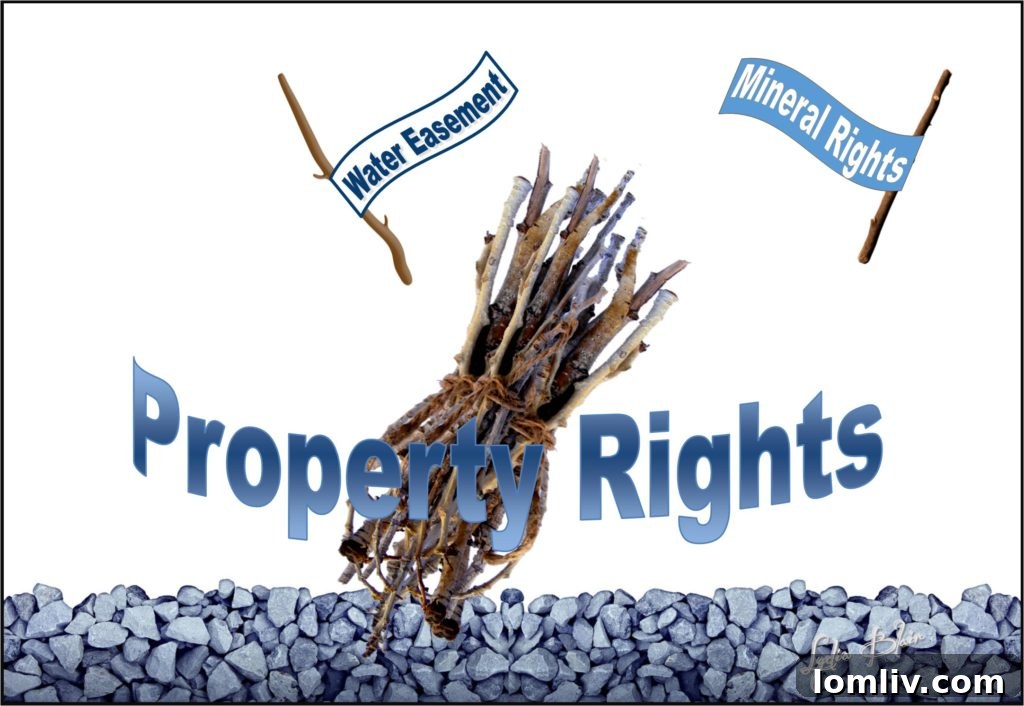
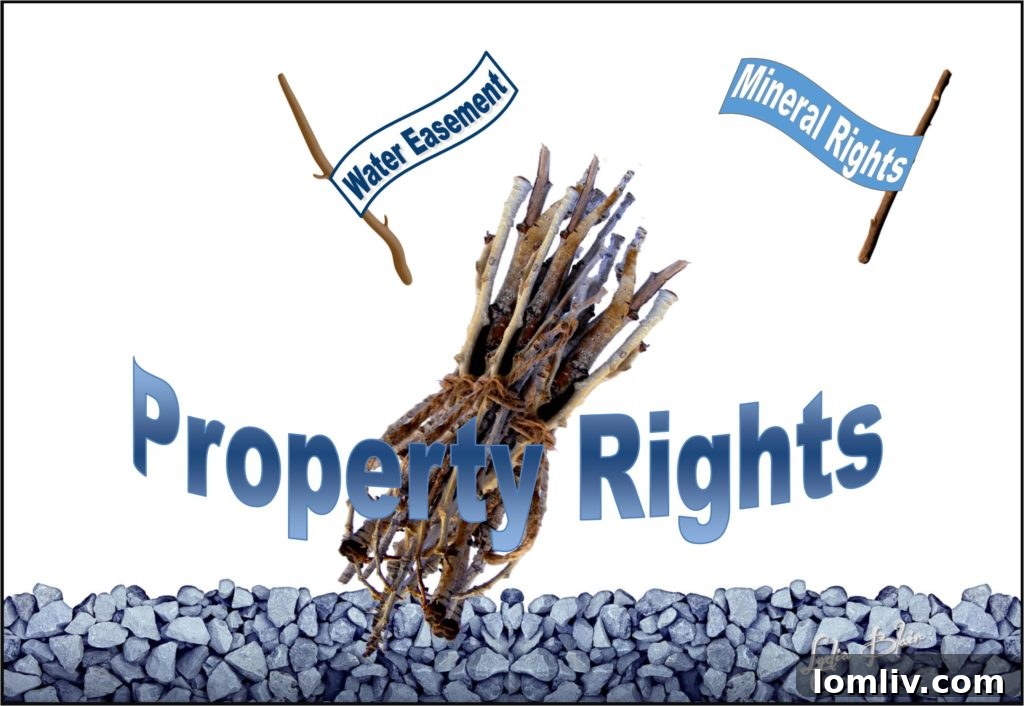
When you envision owning a home, you might picture the physical structure – the bricks and mortar, the land it sits upon. However, the true essence of property ownership extends far beyond these tangible elements. Your rights to a piece of real estate are more accurately described as a complex collection, much like a “bundle of sticks.” Each stick within this bundle represents a distinct right, privilege, or obligation associated with your property. This powerful analogy helps clarify the often intricate world of real estate law, revealing that ownership isn’t always absolute but rather a sum of individual components that can be separated, shared, or transferred.
Historically, early forms of land ownership often implied a vast and indivisible bundle of rights, encompassing everything from the ground beneath to the sky above. A landowner possessed broad authority to use their property as they wished. However, as societies evolved, property rights became more granular. Over time, some of these “sticks” could be taken away, given to others, or even sold independently. Understanding what comprises your specific bundle of sticks is crucial for any current or prospective property owner.
The Core Concept: Your Property as a Bundle of Rights
The “bundle of sticks” analogy is a cornerstone of property law, offering a clear framework for comprehending the multifaceted nature of real estate ownership. It helps demystify the idea that owning land doesn’t necessarily mean you control every single aspect of it. Instead, ownership is a collection of various rights, each representing a “stick” in your personal bundle.
These sticks can vary significantly in size and importance depending on the property and its location. Some sticks might be large, granting substantial rights, while others are smaller, representing more limited privileges. For instance, the right to occupy the land is a major stick, whereas the right to grow a specific type of crop might be a smaller, more specialized one. The beauty of this analogy lies in its flexibility: these individual rights can be severed, transferred, or encumbered without affecting the entire property. This means you might own the land, but someone else could own the right to access a path across it, or extract minerals from beneath it.
Dissecting the Bundle: Common Property Rights (The Sticks)
To truly understand your property, it’s essential to identify the individual sticks that make up your bundle. Here are some of the most common and significant rights:
Easements: Granting Limited Use of Your Land
An easement is a quintessential example of a “stick” that can be removed from your bundle. It grants another party the right to use a specific portion of your property for a particular purpose, even though you retain ownership of the land itself. Easements are limited rights that provide a benefit to someone else, or another property, over your land.
- Utility Easements: These are very common. You might voluntarily grant an electric company, water company, gas provider, or cable company an easement on your property to ensure you receive essential services. This allows them access to install, maintain, or repair lines and infrastructure that cross your land. Without these easements, providing modern services would be incredibly challenging.
- Access Easements (Right-of-Way): These allow an individual or the public to pass over a defined portion of your property to reach another location. A common example is a shared driveway that crosses one property to access a neighboring one. Public pathways or trails can also exist as easements.
- Conservation Easements: These are voluntary agreements between a landowner and a land trust or government agency that restrict the type and amount of development that can take place on the property. They are designed to protect natural, scenic, or historical resources.
- Prescriptive Easements: Unlike voluntary easements, these can arise through long-term, open, and continuous use of another’s property without permission. If someone uses a portion of your land consistently for a statutory period (which varies by state), they might gain a legal right to continue that use.
While an easement can limit your use of a specific area, it rarely prevents you from using the land altogether. However, it’s crucial to understand the scope and limitations of any easements on your property before purchase.
Mineral Rights: Beneath the Surface
The mineral rights to your property represent another significant stick. These rights pertain to the ownership and extraction of valuable resources found beneath the surface of the land, such as oil, natural gas, coal, gold, or other minerals. In many regions, surface rights (what you build on and farm) and subsurface or mineral rights can be “severed” and owned by different parties. This means you could own the house and the land it sits on, while another entity owns the right to drill for oil or gas underneath your property. The size and location of the land often determine the perceived value and importance of these mineral rights.
Air Rights: Above Your Property
Just as there are rights below the surface, there are also rights above it. Air rights, or vertical property rights, refer to the ability to control and use the space above your land. While generally, property owners have rights “to the heavens,” modern urban development often sees these rights divided. For example, in dense city centers, air rights might be sold to allow for the construction of buildings that cantilever over existing structures, or to create multi-story developments above transportation hubs like train stations or highways. Developers can purchase air rights to expand their building footprint upwards without needing to acquire the underlying land.
Subsurface/Tunnel Rights (Beyond Minerals)
Distinct from mineral rights, subsurface or tunnel rights refer to the use of underground space for purposes other than resource extraction. This can include the construction of subway lines, underground parking garages, utility tunnels, or even complex drainage systems. These rights are often acquired by municipalities or large corporations for public infrastructure projects, allowing them to construct facilities beneath private land without owning the surface property.
Water Rights: Access and Usage
Water rights are another critical “stick,” particularly in areas with scarce water resources or properties adjacent to natural bodies of water. These rights dictate who has the ability to use water from rivers, lakes, streams, or underground aquifers that flow through or border a property. Concepts like riparian rights (for properties adjacent to flowing water) and littoral rights (for properties adjacent to standing water like lakes or oceans) govern access and reasonable use. These rights can significantly impact a property’s value and development potential, especially for agricultural or recreational land.
Solar Rights: Ensuring Sunlight Access
With the growing emphasis on renewable energy, solar rights are emerging as an increasingly important stick. These rights refer to a property owner’s ability to access sunlight without obstruction from neighboring properties or developments. In some jurisdictions, zoning laws or specific easements may be put in place to protect solar access for properties with solar panels or those wishing to install them. This prevents a neighbor from constructing a building or planting trees that would cast a shadow and significantly reduce the efficiency of a solar energy system.

Key Forms of Real Estate Ownership: Full Bundles vs. Single Sticks
The concept of the “bundle of sticks” also helps to differentiate between various forms of property ownership, each carrying a different set of rights and responsibilities.
Fee Simple Ownership: The Full Bundle
Brandi Abercrombie, Operations Manager of M/I Title, expertly describes this concept in her Land Title classes. She explains that the most comprehensive form of ownership one can hold in real property is called Fee Simple ownership. “Disregarding any severances, Fee Simple ownership includes all the way to the heavens and all the way to the center of the earth,” says Abercrombie. This is what most people envision when they purchase a property – the complete, unrestricted bundle of sticks, encompassing almost every conceivable right to the land and anything built upon it.
In essence, Fee Simple Absolute is the highest and most complete form of ownership. It means the owner has indefinite ownership, can transfer the property through sale or will, and is subject only to government powers (like eminent domain, taxation, and police power) and any specific encumbrances (like easements or covenants) that have been previously attached to the property. It represents maximum control and duration over the land.
Leasehold Ownership: A Single Stick
In stark contrast to Fee Simple, Leasehold ownership is akin to owning just one stick from the bundle, or perhaps a few very specific ones. With a Leasehold, you do not own the land itself. Instead, you acquire the right to use and occupy the property for a predetermined period, as stipulated in a lease agreement. The actual ownership of the land (the “Fee Simple” interest) remains with the lessor or landlord. This period can range from short-term (e.g., a one-year apartment lease) to very long-term (e.g., a 40-year or 99-year ground lease for commercial properties or condominiums built on leased land).
During the lease term, the leaseholder has certain rights to enjoyment and use, but these are defined and limited by the lease contract. Once the specified time expires, the rights typically revert to the original owner. Leasehold ownership is common in many urban developments, co-operative housing, and some commercial real estate scenarios, offering a different financial and legal structure for property use.
Other Forms of Co-Ownership
Beyond individual ownership, property rights can also be shared among multiple parties. Forms like Tenancy in Common and Joint Tenancy allow several individuals to hold interests in the same property, though with different implications for how those rights are managed and transferred upon the death of an owner. A Life Estate is another example where an individual holds the right to use and enjoy a property for the duration of their life, with the property passing to another designated party (the remainderman) upon their death.
Transferring and Losing Sticks: Voluntary and Involuntary Changes
Just as a property owner can possess a bundle of sticks, those sticks are not necessarily fixed in place forever. Rights can be added, removed, or transferred, sometimes willingly and sometimes against the owner’s wishes. Understanding these mechanisms is vital for securing your property interests.
Voluntary Transfers of Rights
A property owner can choose to transfer, sell, or give away all or part of their “bricks and sticks” through various legal instruments:
- Deed: The most common way to transfer ownership of real property (the “bricks” and the main “bundle of sticks”) from one party to another.
- Lease: Grants temporary use and possession of a property, effectively transferring the “stick” of possession for a defined period.
- Easement: As discussed, granting a specific right of use over a portion of the property.
- Mortgage: While not a transfer of ownership, a mortgage grants a lender a security interest in the property. It means a “stick” of financial lien is placed on the property, which can lead to involuntary loss if repayment terms are not met.
- Will or Trust: Property rights can be bequeathed to heirs upon the owner’s death, transferring the bundle of sticks to new owners.
Involuntary Changes in Ownership
Sometimes, sticks can be removed from a bundle, or the entire bundle transferred, without the owner’s direct consent:
- Court Decree: Legal judgments related to divorce, property disputes, or fraud can mandate changes in ownership or division of rights.
- Bankruptcy: If a property owner declares bankruptcy, their assets, including real estate, may be liquidated to satisfy creditors, resulting in the transfer of ownership.
- Foreclosure: Failure to make mortgage payments can lead to foreclosure, where the lender seizes and sells the property to recover the outstanding debt.
- Eminent Domain: The government’s constitutional right to take private property for public use, even if the owner doesn’t want to sell, provided “just compensation” is paid. This is a significant involuntary removal of the entire bundle of sticks.
- Adverse Possession: In some cases, if someone openly, continuously, and hostilely occupies a piece of land for a legally defined period, they may gain legal ownership of that property, effectively taking the bundle of sticks from the original owner.
The Importance of Due Diligence: Know Your Bundle
Given the complexity of property rights, it becomes clear that simply seeing a house and land is not enough. When you purchase a property, it may or may not include all of the potential property rights. The seller can only transfer the rights that they legitimately own. Therefore, it is paramount to conduct thorough due diligence before finalizing any real estate transaction.
Next time you consider purchasing a property, go beyond the visual appeal. Ask what rights may or may not come with it. Engage with real estate professionals, including a knowledgeable real estate attorney and a reputable title company. A comprehensive title search will reveal any existing easements, mineral rights severances, liens, or other encumbrances that might affect your bundle of sticks. A property survey can identify exact boundary lines and any potential encroachments or undisclosed easements. Understanding these details upfront can prevent costly disputes and unpleasant surprises down the road, ensuring you acquire the bundle of sticks you expect.
Conclusion: Empowering Informed Homeownership
The “bundle of sticks” analogy serves as a powerful reminder that property ownership is rarely a monolithic concept. Instead, it’s a dynamic collection of individual rights and responsibilities that can be bought, sold, traded, or even involuntarily taken. From the right to build to the right to extract resources, each “stick” plays a role in defining the true value and utility of your real estate.
Embracing this perspective empowers you to become a more informed property owner. By understanding the intricacies of easements, mineral rights, air rights, and different forms of ownership like Fee Simple and Leasehold, you can better navigate the complexities of buying, selling, and managing your real estate assets. Always remember to seek professional guidance from legal and title experts to ensure you fully comprehend the specific bundle of sticks you are acquiring or conveying.
The opinions expressed are those of the individual author for informational purposes only and not for the purpose of providing legal advice. Contact an attorney to obtain advice for any particular issue or problem.