When you envision prominent tech hubs in the United States, certain names immediately spring to mind: California’s iconic Silicon Valley, the vibrant ecosystem of New York City, and the burgeoning innovation landscape of Austin, Texas. However, a less obvious yet equally powerful player is emerging on this stage: Dallas. The transformation of Dallas into a significant tech epicenter is rapidly reshaping its local economy and, profoundly, its real estate market. This dynamic shift creates a unique interplay, especially when considering the vast agricultural footprint that coexists within the broader DFW area, boasting over 900,000 acres of farmland. This distinctive environment means that both urban residential properties and rural agricultural land are experiencing the ripple effects of technological advancement, often in interconnected ways.
The impact of tech companies extends far beyond urban development, touching even the foundational aspects of farming, such as the critical role of agricultural water pumps. These essential tools for irrigation, like residential housing costs, are integral to the real estate equation in a region where both tech innovation and traditional agriculture thrive. Understanding this dual market dynamic is key to grasping the full scope of Dallas’s evolving economic landscape. The influx of tech talent and investment doesn’t just create new job opportunities; it fundamentally alters property values, infrastructure needs, and the very fabric of how homes are built and how land is managed. This article delves into how technology is not only fueling an appreciation in residential property values but also revolutionizing agricultural practices within the Dallas-Fort Worth metropolitan area.
Residential Property Values Soar in Dallas’s Tech Boom
The arrival and expansion of tech companies in any region invariably act as a powerful catalyst for real estate appreciation, and Dallas is a prime example. This phenomenon is largely driven by the demographic profile of the professionals drawn to these industries. Tech firms attract a diverse array of highly skilled and well-compensated individuals, ranging from visionary CEOs and strategic managers to innovative engineers, data scientists, and specialized technical workers. This influx of high-earning professionals into the local job market creates a significant surge in demand for quality housing, a demand that often outpaces the existing supply.
Consequently, residential properties in areas experiencing a tech boom can command substantially higher prices compared to other markets. These high-income earners from tech companies typically possess the financial capacity to afford these elevated property values, creating a robust and competitive buying environment. For real estate professionals and realtors, this translates directly into increased commission opportunities and a more active, lucrative market. Beyond direct home purchases, the economic vitality fostered by tech companies extends to rental markets, commercial real estate, and even spurs new construction and urban development projects, further cementing Dallas’s status as a dynamic and attractive investment destination. This upward pressure on property values is a clear indicator of the strong economic health and future growth potential that tech investments bring to the region.
The Era of Technologically Advanced Homes: Smart Living in Dallas
Another significant way tech companies are influencing the real estate landscape in Dallas is through the rapid integration of advanced technology into residential properties themselves. The professionals drawn to the tech sector are inherently accustomed to, and often demand, environments that incorporate cutting-edge innovations. This translates into a strong preference for homes equipped with an array of smart features and connected devices.
Modern homes in Dallas are increasingly being designed or retrofitted with sophisticated smart alarm systems, intelligent thermostats that learn occupants’ preferences, energy-efficient smart appliances, and integrated home automation systems that control lighting, entertainment, and even window coverings. These technological additions, while initially increasing the construction or purchase price of a home, are viewed as valuable investments by tech-savvy buyers. They offer enhanced convenience, improved security, greater energy efficiency, and a more comfortable living experience. Furthermore, homes that feature these advanced technologies tend to retain their value better and are more attractive to future buyers, enabling owners to potentially sell their properties at a higher price down the line. As technology continues to evolve, the ability to upgrade and integrate new smart solutions ensures that these homes remain at the forefront of modern living, making Dallas an appealing market for those seeking a technologically enriched lifestyle.
Innovating Agriculture: How Tech Empowers Dallas Farmers
At first glance, the connection between tech companies, urban real estate, and agricultural water pumps might seem disparate. However, in a region like Dallas-Fort Worth, which uniquely balances a booming tech sector with extensive farmland, a powerful synergy emerges. Tech companies are not merely confined to urban centers; their innovations are increasingly vital for the sustainability and productivity of the more than 900,000 acres of farmland surrounding the metropolitan area. These companies are instrumental in developing sophisticated tools and systems that empower farmers and their staff to cultivate healthier, more resilient crops and manage their land more efficiently.
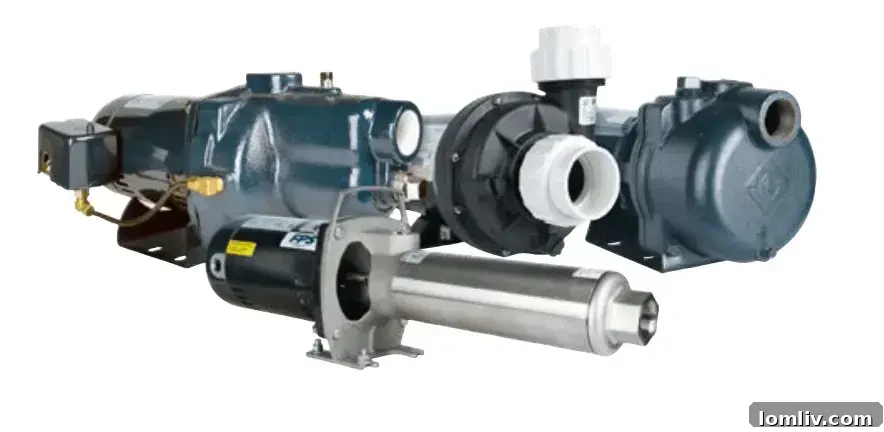
The core purpose of agricultural water pumps is to provide consistent and optimized irrigation, ensuring crops receive the precise amount of water needed for healthy growth. Tech companies are constantly pushing the boundaries of what these systems can achieve. One significant area of advancement is automation. Modern agricultural water pumps are now integrated with smart irrigation systems that leverage sensors, data analytics, and artificial intelligence. These systems can monitor soil moisture levels, weather forecasts, and crop-specific needs in real-time, delivering customized amounts of water to separate areas of a field automatically. This precision irrigation not only conserves water, a critical resource, but also reduces energy consumption and minimizes waste, leading to substantial cost savings and environmental benefits for landowners. From drone-based crop monitoring to IoT-enabled pump management, technology is transforming traditional farming into a data-driven, highly efficient, and sustainable enterprise, directly impacting the value and productivity of agricultural real estate in the Dallas region.
The Enduring Intertwine of Technology, Real Estate, and Agriculture in Dallas
The convergence of technology and real estate is not a fleeting trend but a fundamental shift that will shape our environments for the foreseeable future. This is particularly evident in Dallas, where the tech boom is influencing every facet of property, from residential smart homes to the operational efficiency of vast agricultural lands. The integration of smart features into residential properties, such as advanced security systems, automated climate control, and interconnected appliances, is becoming the new standard, making technologically equipped homes more desirable and valuable. This trend extends beyond the four walls of a house, impacting broader community infrastructure and even personal services like smart lawn care systems.
Similarly, the market for advanced agricultural water pumps and other smart farming technologies is poised for continued growth. As the demand for sustainable farming practices and increased crop yields intensifies, the role of tech companies in developing more efficient, automated, and data-driven solutions will become even more critical. The innovation cycle in this sector is far from reaching a plateau; rather, it is continuously evolving to meet new challenges and opportunities in food production and resource management. The concept that any future tech advances will be negligible is a notion we are far from seeing, as new breakthroughs consistently emerge, driving efficiency and value.
The 21st century is unmistakably defined by technology’s ever-deepening integration into every aspect of daily life and industry. For anyone considering making Dallas their home, or investing in its diverse real estate market—whether a bustling urban residence or productive farmland—understanding these intertwined forces is paramount. Being aware of how technology influences property values, lifestyle expectations, and agricultural productivity allows for more informed budgeting, strategic investment decisions, and ultimately, a successful integration into this rapidly evolving landscape. Dallas stands as a testament to how traditional economic pillars can be powerfully enhanced and transformed by the relentless march of technological innovation, solidifying its reputation as a forward-thinking hub for living and investing.