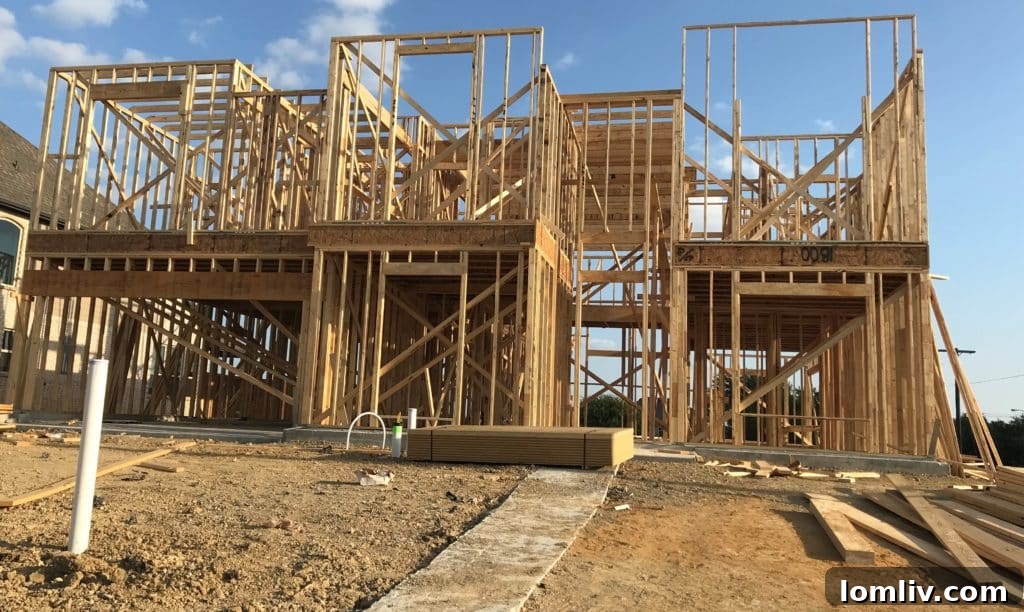
Frisco Reigns Supreme: The Epicenter of New Home Construction in Dallas-Fort Worth
In the dynamic and ever-expanding landscape of the Dallas-Fort Worth metroplex, one question consistently captures the attention of real estate investors, builders, and prospective homeowners alike: Which suburb is currently experiencing the most explosive growth in new home construction? While many cities across North Texas are flourishing, the answer for where the action truly is has become remarkably clear and consistent: Frisco.
This affluent northern suburb, strategically straddling Denton and Collin counties, has cemented its position as the undisputed leader in single-family home development. Its appeal is not merely anecdotal; it’s powerfully supported by comprehensive data that showcases a vibrant and expanding housing market.
Frisco’s Unrivaled Growth Trajectory
From January 1st through October of the current year, Frisco’s development services office received an astonishing 2,011 single-family home construction permit requests. This impressive figure, meticulously tracked by Addison-based Tomlin Investments—a prominent land investment and development company specializing in new home construction trends across the DFW’s northern suburbs and exurbs—underscores the intense builder confidence in this booming community.
Frisco’s hot streak in residential development is not a new phenomenon; it has been a consistent trend for several years. However, the current year has seen an accelerated pace of growth. Compared to the same period last year, Frisco has experienced a remarkable 16 percent surge in home construction permits. To put this in perspective, by October 2019, builders had filed 1,728 permits, culminating in a total of 2,083 single-family home permits by the end of December 2019. The fact that the city has already surpassed last year’s October figures well before year-end indicates a trajectory towards another record-breaking year, solidifying its status as the prime destination for developers.
Why Frisco Continues to Attract Builders and Residents
Frisco’s magnetic appeal stems from a confluence of factors that make it exceptionally attractive to both builders and discerning homebuyers. Its reputation as an affluent city is well-earned, characterized by high median incomes and a robust local economy. The city boasts some of the most highly-rated school districts in Texas, a crucial draw for families seeking top-tier education for their children.
Furthermore, Frisco has strategically positioned itself as a hub for corporate relocations, bringing with it a plethora of high-paying jobs. Major corporations have established significant presences, contributing to a dynamic job market that fuels demand for housing. Beyond economics, residents enjoy a superb quality of life, with world-class amenities such as The Star (Dallas Cowboys headquarters and entertainment district), Stonebriar Centre, and numerous parks, recreational facilities, and cultural venues. Proactive city planning and substantial investment in infrastructure have also ensured that Frisco can support its rapid expansion, providing essential services and connectivity that are vital for sustainable growth.
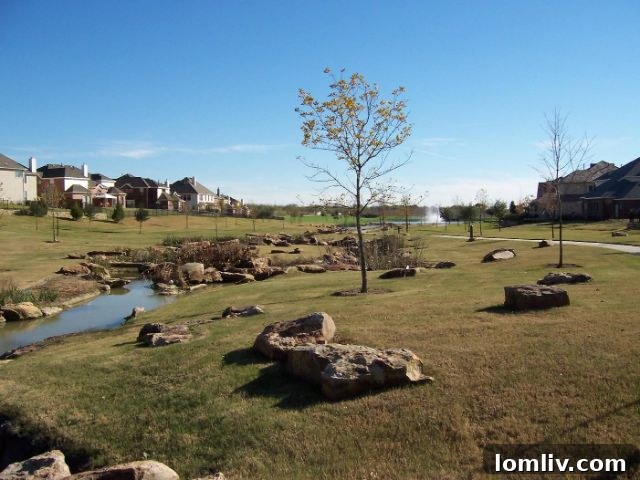
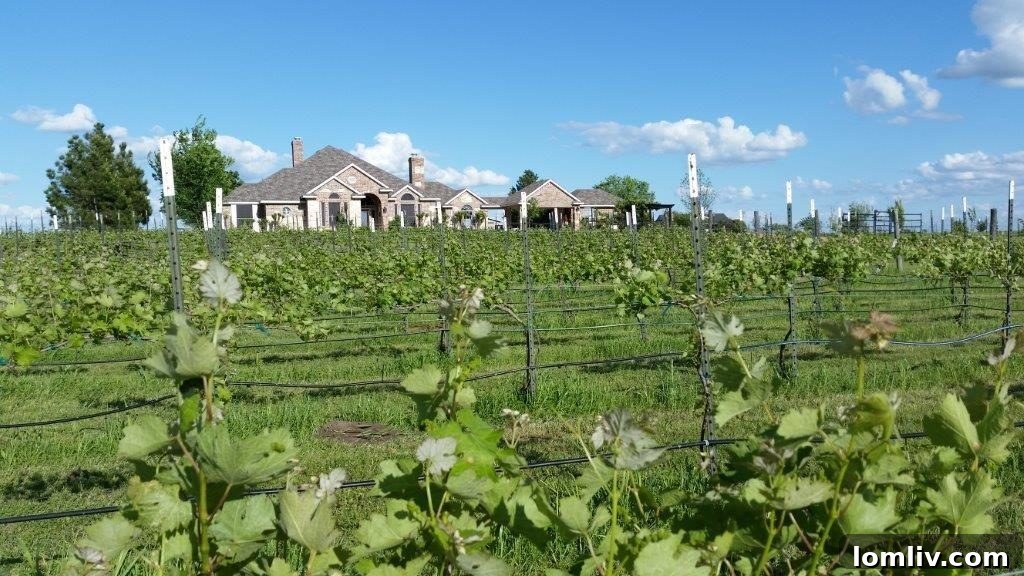
The Northern Migration: Celina and McKinney Emerge as Key Growth Corridors
While Frisco leads the pack, the growth story in North Texas extends well beyond its city limits. Neighboring communities further north are also experiencing significant development, positioning themselves as the next frontiers for expansive residential projects.
Celina: A Master-Planned Future
Securing the second-most number of permits in the DFW north growth corridor, Celina saw builders file an impressive 1,375 permits this year. This burgeoning city, situated north of Frisco and Prosper, is rapidly transforming from a charming agricultural town into a vibrant suburban destination. A significant driver of this growth is Tomlin Investments itself, which is spearheading the development of Green Meadows—a monumental $2 billion, 1,400-acre master-planned community just west of Celina. This ambitious project is slated to feature more than 4,000 home sites, fundamentally reshaping Celina’s landscape and substantially increasing its housing capacity.
Celina’s allure lies in its abundant availability of land, which allows for the creation of large-scale master-planned communities offering diverse housing options and extensive amenities. Its strategic location, just a short drive from the employment centers and amenities of Frisco, coupled with more affordable land costs, makes it an attractive option for families and individuals seeking greater value without sacrificing access to urban conveniences. The ongoing investment in infrastructure and the development of new community features further underscore Celina’s potential as a future growth powerhouse in North Texas.
McKinney: Sustained Appeal and New Developments
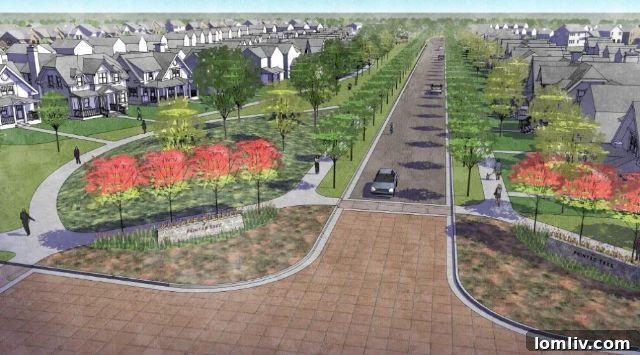
Ranking third in the permit count, McKinney recorded 1,305 permits this year. While this figure represents a slight decrease of 14 fewer permits compared to the same period last year, McKinney’s growth trajectory is far from slowing down. The city is poised for a significant boost with the highly anticipated Painted Tree development, a sprawling community slated to include 3,400 new homes, with construction scheduled to commence in early 2021.
McKinney offers a unique blend of historic charm, modern amenities, and a strong sense of community. Its historic downtown square, vibrant arts scene, excellent schools, and diverse housing stock appeal to a wide range of demographics. The introduction of projects like Painted Tree ensures that McKinney will continue to be a competitive and sought-after market, expanding its housing inventory and accommodating the continuous influx of residents drawn to its quality of life and economic opportunities.
The Expanding Horizon: High-Growth Suburbs and Emerging Markets
Beyond the top three, several other DFW suburbs are demonstrating robust growth in new home construction, many experiencing significant percentage increases that highlight the widespread nature of North Texas’s housing boom. Tomlin Investments’ data paints a comprehensive picture of where builders are focusing their efforts:
- Little Elm: 914 permits, marking a healthy 19 percent increase. Positioned along Lake Lewisville, Little Elm offers a unique lakeside lifestyle coupled with rapid suburban development.
- Prosper: 865 permits, up an impressive 22 percent. Located directly north of Frisco, Prosper benefits from the spillover effect, offering similar high-quality living in a slightly less dense environment.
- Princeton: 844 permits, showing an extraordinary 73 percent surge. This substantial increase points to Princeton’s emergence as a significant new growth node, driven by affordability and available land further east.
- Anna: 769 permits, a strong 33 percent increase. Like Princeton, Anna is capitalizing on its strategic location and lower cost of entry for both builders and homebuyers. Tomlin plans to further invest in this area with an 800-acre development, signaling future growth.
- Denton: 671 permits, experiencing a 17 percent decrease. As a more established city with a university presence, Denton’s growth patterns might differ, potentially focusing more on infill development or having more constrained land availability.
- Plano: 236 permits, yet demonstrating a solid 37 percent increase. As a mature and largely built-out city, Plano’s growth is likely concentrated in strategic redevelopment projects, luxury infill, or specific community expansions.
- Sanger: 167 permits, with an astounding 84 percent increase. This explosive growth indicates that even further-out communities along major arteries are becoming attractive for developers seeking affordable land for new subdivisions.
- Van Alstyne: 144 permits, seeing a significant 57 percent rise. Similar to Sanger and Princeton, Van Alstyne offers a blend of rural charm and growing suburban amenities, drawing new residents and builders.
- Krum: 96 permits, up 23 percent. Another smaller community experiencing steady, healthy growth, reflecting the overall expansion of the DFW metroplex’s residential footprint.
The remarkable percentage increases in communities like Princeton, Sanger, and Van Alstyne are particularly telling. These areas, once considered exurbs, are now at the forefront of the DFW growth wave. The primary drivers include lower land costs, which translate into more affordable housing options for homebuyers, and the availability of large tracts of undeveloped land for builders to execute master-planned communities. Improved highway infrastructure and the increasing demand for space and value as metropolitan areas become denser and more expensive also play crucial roles in this northern expansion.
The Expertise of Tomlin Investments: Guiding the Growth
The data compiled and analyzed by Tomlin Investments serves as an invaluable barometer for the health and direction of the North Texas housing market. Their deep understanding of land investment and development not only provides critical insights into current trends but also actively shapes the future landscape of these communities. Their involvement in significant projects, such as Green Meadows in Celina and planned developments in Anna, highlights their role not just as observers but as key drivers of residential expansion in one of the nation’s most dynamic real estate markets.
A Vibrant Future for North Texas Housing
The latest permit data unequivocally demonstrates the robust health and insatiable demand within the Dallas-Fort Worth housing market, particularly across its northern suburbs. Frisco continues to set the pace, but the rapid acceleration in communities like Celina, McKinney, Princeton, and Anna illustrates a broader, sustainable growth trend across the entire North Texas corridor. This expansion is fueled by a powerful combination of corporate relocations, job growth, high quality of life, excellent educational opportunities, and the continuous search for affordable, quality housing. As builders respond to this demand, the DFW metroplex is poised for continued prosperity and transformation, further solidifying its reputation as one of America’s premier places to live and build a future.