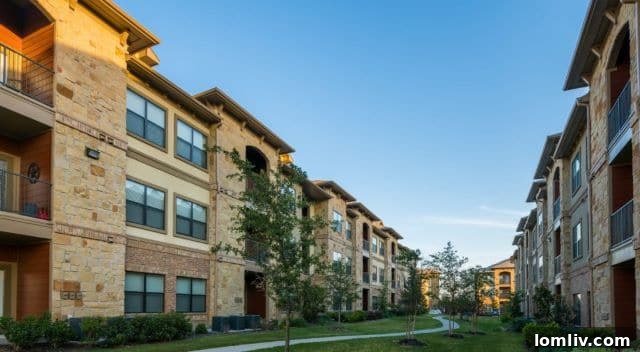
Frisco, Texas, a dynamic and rapidly expanding city within the sprawling Dallas-Fort Worth metroplex, has cemented its reputation as a premier destination for both businesses and residents. Central to this growth story is the highly coveted 75034 ZIP code, a vibrant area strategically positioned along the Dallas North Tollway. This arterial highway not only facilitates seamless commutes but also provides convenient access to a host of Frisco’s most iconic attractions and economic powerhouses. Within the 75034 ZIP code, one can discover world-class destinations like The Star, an unparalleled sports and entertainment district serving as the headquarters for the Dallas Cowboys; Riders Field (formerly Dr Pepper Ballpark), a hub for professional baseball and community events; and the prestigious Stonebriar Country Club, offering exclusive golf and leisure amenities. These landmarks, combined with Frisco’s robust job market, excellent school districts, and an unparalleled quality of life, make it an incredibly attractive place to reside. Given these compelling attributes, it’s hardly surprising that the 75034 ZIP code has become an epicenter of cutting-edge apartment development, meticulously crafted to accommodate the continuous influx of new residents seeking the quintessential Frisco lifestyle.
The dramatic surge in apartment construction within Frisco’s 75034 area is not merely anecdotal; it’s a quantifiable trend underpinned by robust market data. According to a recent, insightful report from RentCafe, a leading authority in rental market analysis, the 75034 ZIP code witnessed an extraordinary expansion, adding an impressive 5,872 new apartment units between 2017 and 2022. This substantial figure translates into an astounding 69.1% increase in newly constructed apartments over a concentrated five-year period, unequivocally demonstrating the area’s magnetic appeal for developers and residents alike. This remarkable growth propelled Frisco’s 75034 ZIP code to secure the prestigious No. 5 spot in RentCafe’s national ranking of the top 50 ZIP codes for new apartment construction across the entire United States. This accolade not only highlights Frisco’s individual success but also underscores the broader strength of the Dallas-Fort Worth metroplex. The report further noted that the Dallas metro area alone accounted for an impressive eight ZIP codes within the top 50 nationally, a clear testament to the region’s overall economic dynamism, population growth, and desirability for residential investment. To provide a comparative perspective, Northeast Houston’s 77007 ZIP code, home to the bustling Memorial Park area, ranked No. 11 nationwide with 5,014 apartments added, illustrating Frisco’s exceptional performance even within Texas’s highly competitive real estate landscape.
Understanding the Nationwide Apartment Development Boom
The significant expansion of new apartment developments observed in Frisco’s 75034 ZIP code is part of a much larger, nationwide trend that has reshaped the housing market across America. The proliferation of multi-family housing projects is unmistakably evident, not just in rapidly growing suburban epicenters like Frisco, but also throughout urban and metropolitan areas across the United States. Since 2018, approximately 1.2 million new apartments have been constructed in America’s metro areas, as detailed in the comprehensive RentCafe report. This substantial influx of new housing inventory signifies a pivotal moment for the rental market, influencing everything from housing availability and choice to rental prices and competitive dynamics. This robust development is fueled by a complex interplay of demographic shifts, evolving lifestyle preferences, and broader economic factors. Younger generations, in particular, often prioritize the flexibility, amenities, and community engagement offered by modern apartment living over the traditional burdens of homeownership. Furthermore, the persistent rise in single-family home prices, coupled with increasing interest rates, has made renting a more economically viable and attractive option for a growing segment of the population, thereby stimulating continued demand for apartment living that developers are keen to satisfy.
The widespread apartment construction directly impacts the fundamental economic principle of supply and demand, particularly concerning the rental market. For individuals actively seeking rental properties, this proliferation of new rental units holds significant implications for their housing search and overall financial planning. As more new apartment communities reach completion and begin to offer units for lease, the aggregate supply of available housing options within a given market undergoes a notable increase. This heightened supply, especially when it outpaces or balances with current demand, typically results in a less competitive environment for prospective renters. Such a shift in market dynamics can prove highly advantageous for tenants, potentially leading to more favorable leasing conditions, an expanded array of choices across various price points and amenity levels, and, crucially, a greater likelihood of securing attractive deals on rental prices. Developers, eager to achieve high occupancy rates for their newly constructed properties, may introduce various incentives such as reduced security deposits, attractive move-in specials, or even more competitive monthly rents to draw tenants, particularly in markets saturated with new inventory. This dynamic fosters a more tenant-friendly environment, empowering renters with increased leverage during negotiations and a broader selection of homes that align with their budget and lifestyle requirements.
Navigating Rental Trends: A Closer Look at North Texas
The vast and diverse North Texas metro area, which includes major urban centers like Dallas, Fort Worth, Plano, and Frisco, represents an intricate and constantly evolving rental market. While the substantial influx of new housing supply generally suggests a move towards a more balanced market, it’s important to recognize that specific rent trends can vary considerably based on the particular submarket, the age of the property, and the suite of amenities provided. Recent market data has indicated a discernible cooling trend in overall rental prices across the region, offering a welcome respite for renters who have grappled with escalating housing costs in previous years. For instance, detailed analysis from Rent.com revealed that the average price for a one-bedroom apartment in Dallas experienced a notable decrease of approximately 10 percent over the past year. This significant downward adjustment in average rent is a positive indicator for many, reflecting a market response to the substantial increase in housing supply. It suggests that the market is beginning to find a new equilibrium after a period of rapid price appreciation, potentially making Dallas apartments more accessible to a broader spectrum of budgets and lifestyles.
However, it is vital for prospective renters to understand that the reported 10% average decrease in Dallas rent applies to the city as a whole, representing a generalized aggregate. The actual rental landscape on the ground can be significantly more nuanced and localized, especially in highly desirable neighborhoods or areas that are undergoing substantial new development. While older properties or units with fewer amenities might indeed see price reductions or stable rents, specific micro-markets—particularly those characterized by a continuous stream of brand-new, luxury apartment complexes—may continue to experience stable or even increasing rental prices. This is because new constructions frequently feature state-of-the-art amenities, contemporary designs, and prime locations that inherently command premium rents. Areas like Frisco’s 75034 ZIP code, renowned for its high-end developments and close proximity to major employment centers and entertainment venues, might still present competitive pricing for its newest, most sought-after properties, even as the broader market shows signs of softening. Therefore, renters are strongly advised to conduct thorough, localized research specific to their preferred neighborhoods and desired property types to gain the most accurate understanding of current pricing dynamics.
Frisco’s Enduring Appeal: A Hub of Modern Living
Frisco’s remarkable evolution from a modest farming community into a vibrant, modern metropolis is a compelling narrative of visionary strategic planning and relentless economic development. The 75034 ZIP code perfectly encapsulates this transformation, having become a prime destination for individuals and families seeking a high-quality lifestyle characterized by unparalleled convenience, luxury, and abundant opportunities. The sustained investment in apartment construction within this specific area is not solely about addressing current housing demand; it represents a forward-thinking strategy that anticipates Frisco’s continued population and employment growth. Frisco remains a powerful magnet for major corporations, innovative technology companies, and professional sports organizations, collectively fostering a dynamic and diverse job market that attracts top talent from across the nation and even globally. This consistent influx of skilled professionals and growing families fuels a persistent and diverse demand for housing options, with modern, amenity-rich apartments playing an indispensable role in accommodating this demographic expansion.
The new apartment communities in Frisco are thoughtfully designed to cater to a discerning clientele, offering an extensive array of premium amenities. These often include resort-style swimming pools, cutting-edge fitness centers, dedicated co-working spaces, luxurious clubhouses, and even concierge services, all crafted to enhance the resident experience. Choosing to live in the 75034 ZIP code places residents just minutes away from The Star, providing not only exhilarating professional sports events but also an eclectic mix of fine dining, high-end retail shopping, and diverse entertainment options. Furthermore, the strategic proximity to the Dallas North Tollway guarantees effortless access to the wider Dallas-Fort Worth metro area, including its bustling central business district, major international airports, and rich cultural institutions. This powerful combination of premier local amenities, robust regional connectivity, and a flourishing local economy firmly establishes Frisco, and particularly its 75034 ZIP code, as an incredibly attractive prospect for both long-term residents and those new to the thriving North Texas region. The ongoing development reinforces Frisco’s esteemed status as a premier destination for modern living, seamlessly blending the tranquility of upscale suburban life with the sophistication and conveniences of an urban environment.
The Broader DFW Rental Market: A Comprehensive Perspective
While Frisco’s 75034 ZIP code undeniably stands out for its exceptional growth, it is crucial to contextualize its development within the framework of the entire Dallas-Fort Worth (DFW) metroplex, recognized as one of the fastest-growing and most economically dynamic regions in the United States. The DFW area’s remarkable success in attracting businesses, fostering technological innovation, and providing a diverse spectrum of employment opportunities has consistently positioned it as a national leader in population growth. This sustained demographic expansion naturally translates into a heightened and persistent demand for housing, making the rental market particularly vibrant and competitive. The fact that eight DFW ZIP codes were highlighted in RentCafe’s top 50 list for apartment construction underscores the widespread nature of this development across the entire metroplex. Each of these high-growth areas, much like Frisco’s 75034, likely benefits from a unique yet potent combination of factors, including robust local economies, strategic infrastructural investments, and highly desirable community features that attract both residents and developers.
For renters navigating this expansive and diverse market, a nuanced understanding of these dynamics is absolutely key to making informed decisions. While a reported 10% average decrease in Dallas rent might sound universally positive, it is essential to look beyond this aggregate figure. Factors such as new construction frequently concentrating in specific, often higher-income neighborhoods or areas undergoing significant revitalization can indeed skew overall averages. The specific type of rental unit – whether a studio, one-bedroom, or two-bedroom apartment – also plays a critical role, as demand and supply dynamics can shift differently across these various categories. Therefore, renters should consider not just the advertised sticker price, but the total value proposition, which includes crucial elements such as commute times, access to essential amenities, the quality of local school districts, and the overall community feel of a neighborhood. However, the robust and continuous construction pipeline across the entire DFW region generally signals positive prospects for renters in the long term, promising a sustained abundance of choice and potentially more competitive pricing across various segments of the market as new inventory consistently becomes available.
Future Outlook for Frisco and DFW Renters
The trajectory of the rental market in Frisco and the wider Dallas-Fort Worth metroplex appears set for sustained growth, presenting an evolving landscape of opportunities for prospective renters. The substantial and ongoing investment in new apartment communities reflects a profound confidence in the region’s economic future and its enduring capacity to attract a steady stream of new residents. For individuals and families contemplating a move to Frisco or other parts of North Texas, the prevailing market conditions present a unique and potentially advantageous window of opportunity. With a considerable volume of new housing supply continuously entering the market, renters may find themselves with increased leverage compared to recent years, potentially leading to a broader selection of units, more competitive rental rates, and overall more favorable lease terms. This is an opportune moment to thoroughly explore the diverse range of apartments available, spanning from luxurious high-rise residences to family-friendly communities designed for comfort and convenience.
As the North Texas rental market continues to mature and evolve, renters can anticipate a sustained emphasis on amenity-rich living environments and thoughtfully designed, community-oriented developments. The inherent competition among developers to attract and retain tenants will likely serve as a catalyst for innovation in apartment features, services, and community programming, further enhancing the overall living experience for residents. However, vigilance and informed decision-making remain paramount. While overarching averages may suggest a cooling market, specific micro-markets within Frisco and the broader DFW area will consistently maintain their unique characteristics and demand dynamics. Staying well-informed about highly localized trends, engaging with knowledgeable real estate professionals, and clearly defining personal priorities and budget constraints will be absolutely crucial for securing the most advantageous rental opportunities. Ultimately, Frisco’s 75034 ZIP code, along with the entire North Texas region, is unequivocally poised to remain a beacon of residential growth, offering an exciting, dynamic, and ever-evolving environment for renters for many years to come.