Frisco, Texas, is poised to become a premier destination for family entertainment following a landmark decision by its City Council. On Tuesday, the council officially approved a crucial special use permit (SUP), giving Universal Parks and Resort the green light to proceed with its highly anticipated theme park project. This development marks a significant milestone for the city and for Universal, promising to bring a unique, family-focused entertainment experience to a vibrant and rapidly expanding region of North Texas. The chosen site for this innovative park is strategically located at the intersection of Panther Creek Parkway and the Dallas North Tollway, an area ripe for such a dynamic addition.
The approval process for this transformative project highlighted varying opinions within the city’s governance. While the Planning and Zoning Commission unanimously endorsed the proposal, the City Council’s vote on the SUP was more closely contested, passing with a 4-2 majority. Despite a request from one council member to table the item for further discussion, the decision moved forward, signaling the city’s commitment to the project. This critical approval comes with stringent conditions, including an ambitious deadline: Universal is expected to officially open its doors by June 2026. This timeline is intrinsically linked to a substantial $12.7 million incentive package provided by the city, designed to support the project over a ten-year period and ensure its successful integration into the Frisco landscape.
Frisco’s Strategic Investment: Economic Impact and Incentive Details
The city of Frisco’s decision to support Universal’s theme park is a strategic move aimed at bolstering its economic future and diversifying its tourism offerings. Assistant City Manager Ben Brezina elaborated on the comprehensive incentive package and the specific criteria Universal must fulfill to qualify for these benefits. The agreement stipulates that Universal must commit significant capital expenditures: an initial investment of $415 million during Phase 1 of the park’s development, followed by an additional $135 million for Phase 2. These substantial financial commitments underscore the scale of the project and Universal’s long-term vision for its presence in Frisco, ensuring a robust development from the outset.
Brezina also presented optimistic projections regarding the financial windfall the city stands to gain from the theme park. Over the first decade of its operation, Frisco is forecast to receive an impressive $16.7 million in hotel tax revenue and $8.3 million in sales tax. These figures are not merely budgetary boosts; they signify a broader economic revitalization. The park is expected to be a magnet for tourists, drawing visitors from across the region and beyond, thereby stimulating local businesses, creating numerous job opportunities in hospitality, retail, and entertainment sectors, and solidifying Frisco’s reputation as a leading destination. This long-term economic outlook played a crucial role in the city’s decision to invest in such a high-profile development.
Community Voices: A Spectrum of Support and Opposition
Despite the promising economic forecasts, the approval process for the Universal theme park ignited considerable public debate and opposition within the Frisco community. During the public meeting, numerous residents voiced their concerns, with a significant majority expressing strong reservations about the proposed development. This sentiment of apprehension was vividly captured by local business owner John Pavle, who critically referred to the proceedings as a “dog and pony show.” Pavle articulated a common frustration among residents, arguing that city officials were being “condescending” by downplaying the project’s scale as “small,” calling it “an insult to his intelligence” given the profound impact such a major development would inevitably have on a city like Frisco.
Pavle further criticized the speed and perceived lack of transparency in the approval process, stating, “The size of the city that we are in and the process this has gone through is embarrassing… this major project that has been shoved down our throats.” This feeling of disenfranchisement resonated with other speakers. Two audience members specifically requested that the city council postpone the vote, advocating for more time to genuinely address residents’ concerns and to provide more comprehensive information about the project’s true scope. Lance Taylor, a resident of Cobb Hill, echoed this plea, urging, “Please give us time,” reflecting a community desire for greater involvement and a more deliberate decision-making process.
Further demonstrating the depth of public opposition, Frisco resident Emily Rottenberg presented compelling data from the city’s own SUP project form. She highlighted that a striking 95 out of 97 respondents had formally opposed the project, a statistic that many believed should have prompted a more cautious and deliberative approach from the city council. These vocal concerns spanned a range of issues, including potential increases in traffic congestion, elevated noise levels, the preservation of Frisco’s existing community character, and the long-term strain on current infrastructure. The intense community dialogue underscored the complex challenge cities face in balancing large-scale economic development with the quality of life and stated preferences of their residents.
However, amidst the widespread opposition, a few prominent voices emerged in support of the Universal project. Notably, Buddy Minett, a former city council member and Frisco ISD board member, offered a contrasting perspective. He enthusiastically championed the theme park, declaring it “a great project for this location.” Minett’s endorsement highlighted the view held by some that the development represented a valuable opportunity for the city’s continued growth, enhanced reputation, and diversified entertainment landscape, offering a crucial counterpoint to the prevailing sentiments of skepticism and concern from other community members.
A One-of-a-Kind Theme Park: Tailored for Family Fun
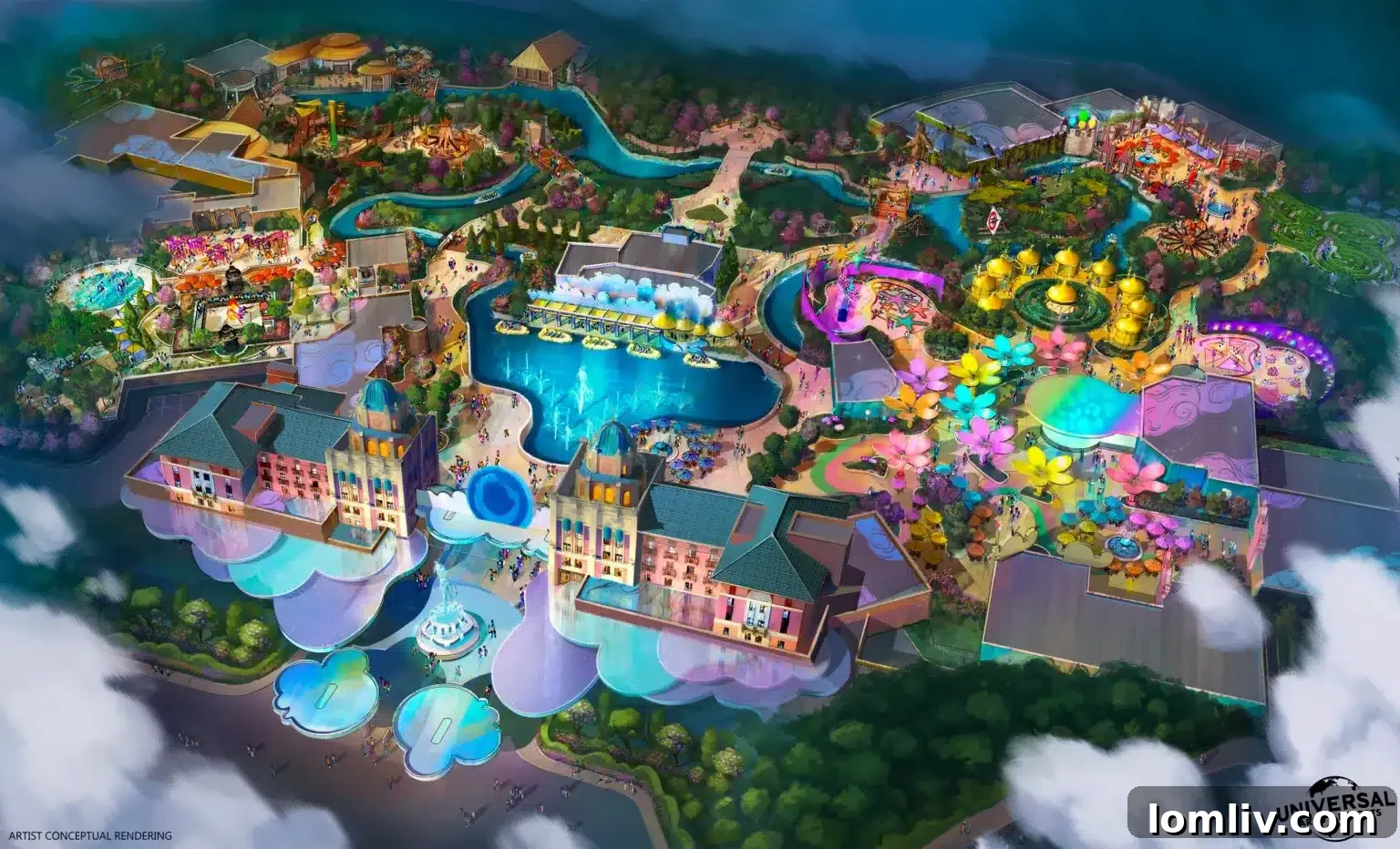
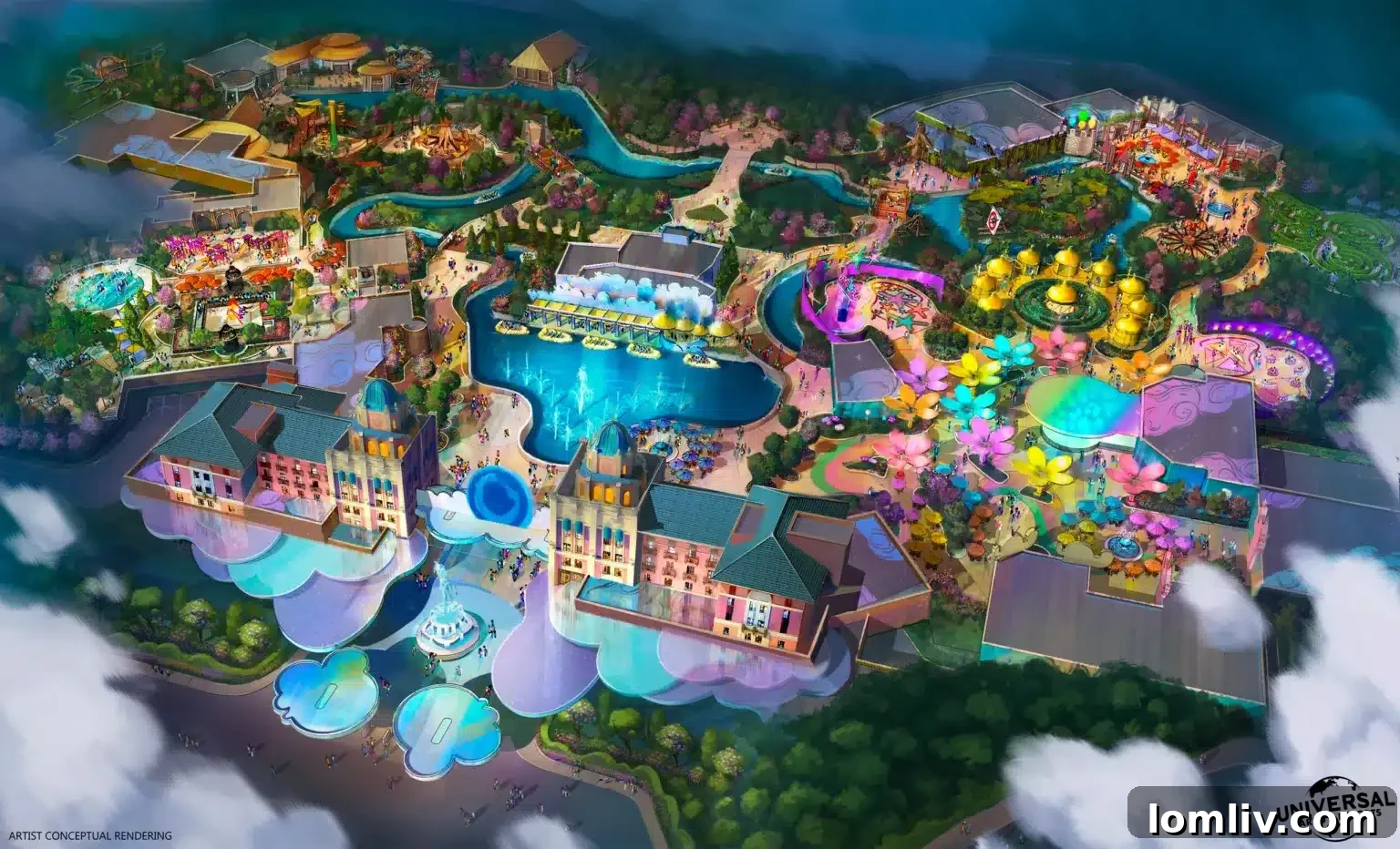
Universal’s vision for its Frisco theme park, first announced in January, captured significant attention due to its distinctive and innovative approach to family entertainment. This isn’t a traditional, sprawling Universal Studios or Islands of Adventure park; instead, it’s meticulously designed and tailored specifically for families with young children, promising an intimate yet profoundly immersive experience. The city’s official release enthusiastically detailed that the park will feature thoughtfully crafted themed lands, leveraging Universal’s iconic brands and beloved characters in creative and engaging ways “that will wow even the youngest theme park goers.” This deliberate focus on a younger demographic implies a careful curation of attractions, rides, and shows, ensuring age-appropriate thrills, gentle excitement, and memorable moments that are accessible and enjoyable for every member of the family.
The new theme park is slated for development on a 97-acre parcel within the extensive Fields development, a large-scale, master-planned community strategically positioned along the Dallas North Tollway and Panther Creek Parkway. Universal executives have clearly communicated the smaller footprint of this new venture. They clarified that the Frisco park will be approximately half the size of Six Flags Over Texas and just one-fourth the size of their expansive flagship parks in Orlando and Los Angeles. This intentional scaling down is fundamental to the park’s family-friendly ethos, aiming to create a more manageable, less overwhelming, and highly focused experience for its target audience. Furthermore, Universal has also revealed plans for an adjacent themed hotel, promising enhanced convenience and extended immersion for visitors, along with dedicated space for future expansion, underscoring a long-term commitment to growth and development in Frisco.
Addressing Logistical Concerns: Traffic Management and Operating Hours
One of the primary areas of public interest and detailed planning during the approval process centered on the theme park’s operational logistics, particularly its impact on local traffic and its proposed operating hours. Senior Planner Jonathan Hubbard provided comprehensive insights into the park’s expected schedule. The theme park’s standard operating hours are projected to be from 10 a.m. to 6 p.m., a comparatively shorter day designed to better suit the schedules and energy levels of families with young children. However, Universal has been granted significant flexibility to modify these hours, adapting to various factors throughout the year. Hubbard explained that operational times could be extended during peak seasons, holidays, and periods of heightened demand. For instance, the park might open as early as 9 a.m., or even 8 a.m. for exclusive access provided to annual pass holders and hotel guests. Similarly, closing times could be extended to 9 p.m., with a special provision allowing the park to remain open until 10 p.m. for up to 20 days per calendar year for unique events and major holidays, ensuring versatility for special programming and guest experiences.
Traffic management represented another critical point of discussion, with Frisco’s Transportation Manager, Joel Fitts, presenting a detailed analysis designed to alleviate community concerns. Fitts firmly asserted that the theme park’s traffic impact would be “minimal” when compared against other existing and planned major developments within the area. To illustrate this point, he referenced prominent local destinations such as Stonebriar Mall, COSTCO, and various HEB grocery stores, arguing that these commercial hubs already generate a significantly greater volume of daily traffic than what is anticipated from the Universal park. This comparative analysis aimed to reassure residents that the theme park would integrate smoothly into the existing urban infrastructure without causing undue strain or substantial new congestion.
Fitts backed his assessment with concrete figures. He noted that a typical mixed-use development, a common and growing feature in Frisco’s urban landscape, could generate approximately 28,000 daily vehicle trips. In stark contrast, the Universal theme park is estimated to generate a considerably lower volume of around 7,600 weekday trips. While weekend traffic is predictably projected to be higher, with an estimated 14,000 visitors on Saturdays, Fitts maintained that even these peak figures remain substantially below the traffic volumes associated with other major retail anchors. For example, he highlighted that the nearby H-E-B grocery stores average approximately 10,000 trips on a typical weekday. This detailed breakdown suggested that the themed park’s specific operational model, including its target audience and smaller, family-focused scale, would naturally lead to a more manageable traffic footprint compared to other high-density commercial developments, effectively assuaging many of the logistical concerns raised by the community.
Universal’s Vision for Community Integration and Frisco’s Future
Throughout the public discourse and the rigorous approval process, Universal Parks and Resort consistently articulated its deep commitment to becoming a harmonious and valuable contributor to the Frisco community. John McReynolds, Universal’s Senior Vice President of External Affairs, powerfully reiterated this overarching vision during Tuesday’s pivotal meeting, stating unequivocally that the theme park aims to “live in harmony” with its new neighbors. This pledge signifies more than just constructing a successful attraction; it represents a dedicated commitment to responsible development, proactive community engagement, responsive addressing of local concerns, and contributing positively to the overall fabric of the city. McReynolds expressed strong confidence in the project’s inherent suitability for its chosen location, asserting, “We think it’s the right fit,” reflecting Universal’s conviction that its unique, family-focused concept perfectly aligns with Frisco’s evolving demographic profile and ambitious growth trajectory.
The definitive approval of the special use permit for the Universal theme park marks a truly pivotal moment in Frisco’s ongoing and dynamic development story. This ambitious project signifies a substantial investment in the city’s future, holding the promise of significant economic returns, the creation of numerous new job opportunities, and an elevated reputation as a vibrant, family-friendly destination for both residents and visitors. While the journey to approval was characterized by a healthy mix of fervent support and considerable community apprehension, the Frisco City Council’s decisive vote sets the stage for an exciting new chapter. As Universal now moves forward with its comprehensive plans to construct a truly unique entertainment experience meticulously tailored for young families, the coming years will undoubtedly reveal the full, transformative impact of this ambitious endeavor, shaping the physical landscape and defining the identity of Frisco for generations to come. The delicate yet critical balance between fostering economic progress and diligently preserving community well-being will undoubtedly remain a central focus as this exciting and groundbreaking project meticulously takes shape.