Frisco Real Estate Broker Jenna Ryan Sentenced for Role in January 6th Capitol Riot
In a significant development stemming from the tumultuous events of January 6, 2021, a federal judge has delivered a verdict in the case of Frisco real estate broker Jenna Ryan. For her participation in the unprecedented riot at the U.S. Capitol, Ryan has been sentenced to 60 days in jail. This ruling also included a directive for her to pay a $1,000 fine and an additional $500 in restitution to the Capitol architect, acknowledging the damage inflicted upon the nation’s democratic symbol.
The sentencing marks a crucial step in holding individuals accountable for their actions during the “Stop the Steal” demonstration that escalated into a violent breach of the Capitol building. Ryan’s case garnered considerable national and international attention, largely due to her highly public and often defiant social media presence in the immediate aftermath of the insurrection.
The Road to Accountability: Jenna Ryan’s Involvement and Legal Journey
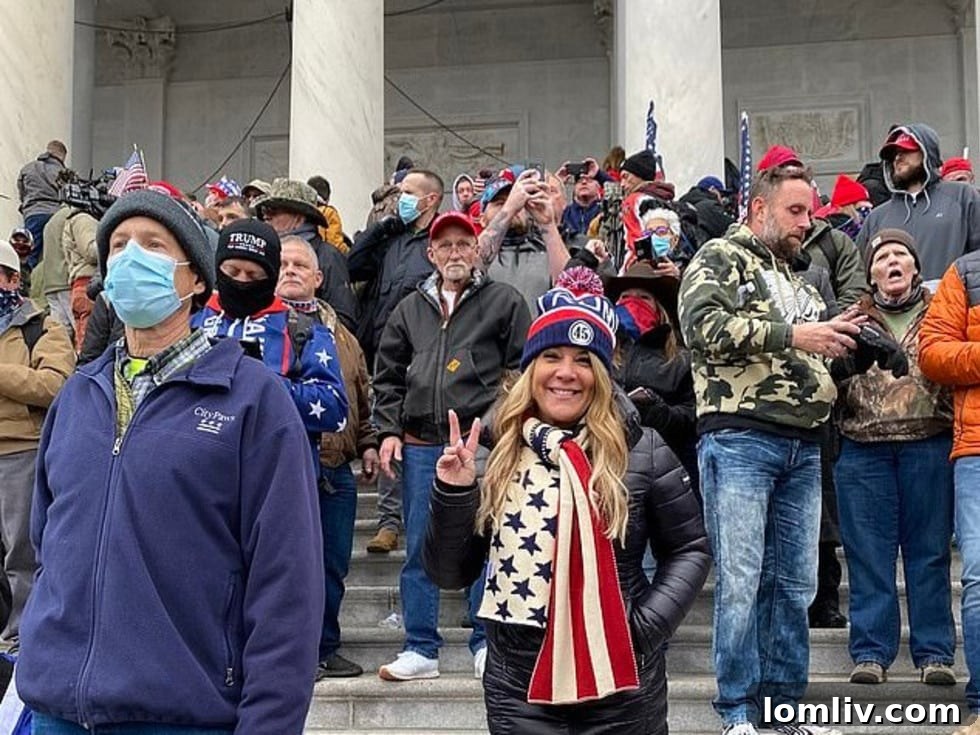
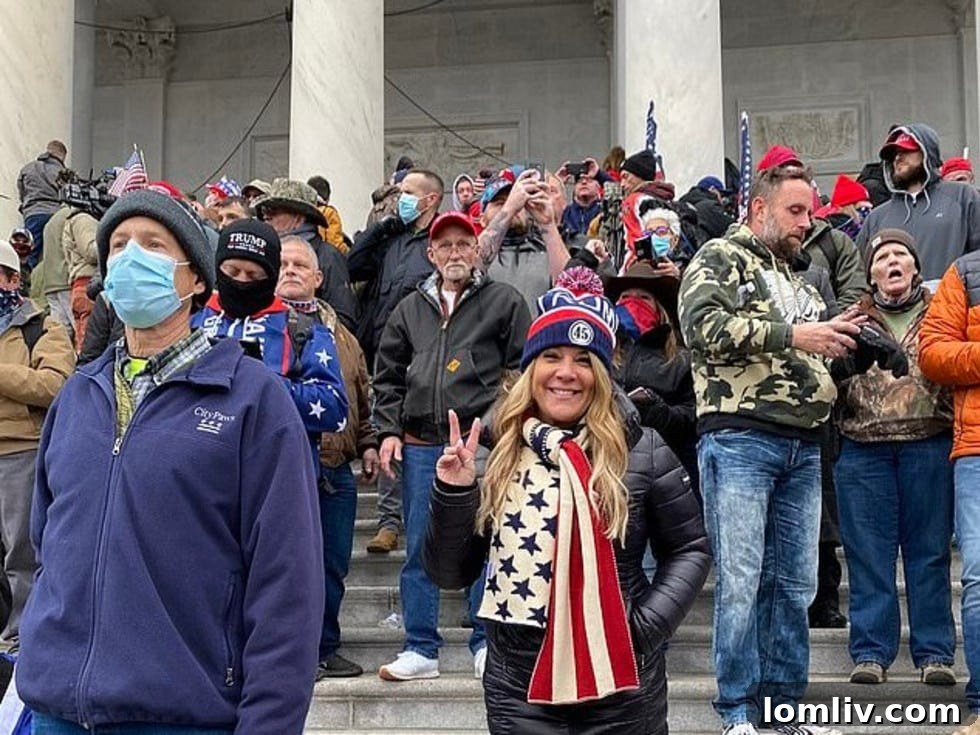
Jenna Ryan’s journey from a vocal participant to a convicted individual has been closely watched. On January 6th, 2021, Ryan traveled to Washington D.C., joining thousands of protestors who had gathered to contest the results of the 2020 presidential election. What began as a rally quickly devolved into chaos as a segment of the crowd, including Ryan, breached the Capitol building. Her presence inside the Capitol was not a secret; she meticulously documented her involvement through various social media platforms, uploading pictures and videos of herself amidst the turmoil. These posts, shared widely, depicted her jubilant demeanor, even as the nation watched in horror.
Initially, Ryan embraced the notoriety, portraying herself as a staunch patriot. Her social media feeds became a canvas for her unyielding belief that she would escape any legal repercussions. She famously declared, “I’m not going to jail, I’m just gonna go to GREECE,” a statement that would later become a stark contrast to her eventual sentencing. Her outspoken social media posts not only brought her into the public eye but also drew the attention of federal authorities. She even reportedly reached out to the author of a Jan. 7 Candy’s Dirt article, expressing gratitude for making her “famous,” before subsequently threatening to sue the news site for perceived negative portrayal.
From Defiance to Remorse: A Shifting Narrative
The tide began to turn for Ryan following the issuance of a federal arrest warrant. Upon being arrested and charged with four federal crimes, her defiant tone began to wane. The reality of facing serious legal consequences prompted a significant shift in her public statements. She started singing a different tune, expressing regret for her actions and acknowledging that she had been misled. Speaking to reporters, she admitted to buying into a “lie” and regretting “everything.” This stark contrast from her initial bravado highlighted the severe implications of her participation in the insurrection.
The legal process continued, and Ryan eventually reached a plea agreement. Ryan pled guilty to one count of parading, picketing, or demonstrating in the U.S. Capitol, a misdemeanor. This charge carries a maximum potential sentence of six months in jail and a fine of up to $5,000. Her plea was a strategic move, allowing her to avoid trial on the more serious charges she initially faced, which could have led to lengthier prison terms.
The Judge’s Rationale: Sending a Clear Message
U.S. District Judge Christopher Cooper presided over Ryan’s sentencing. While he had the discretion to impose a much harsher penalty, he ultimately opted for the lighter sentence recommended by the Justice Department. However, his remarks during the sentencing made it unequivocally clear that this leniency did not diminish the gravity of her offense. Judge Cooper emphasized that it was evident Ryan understood the nature of her actions when she deliberately left her hotel room to proceed to the Capitol building and join the throngs of rioters.
Addressing Ryan directly, Judge Cooper articulated the foundational principles at stake. He acknowledged her social media posts and a personal letter she had written to him, but firmly stated that these factors were not the primary determinants of his sentence. Instead, the core of his decision was to uphold the rule of law and protect democratic institutions. He expressed his profound hope that the sentence delivered would serve as a powerful deterrent, signaling to others that any attempt to undermine or attack the democratic processes and symbols of the United States would be met with serious legal repercussions.
“No one is being prosecuted for the belief that the election was stolen,” Cooper clarified to Ryan, cutting through any potential misinterpretations about free speech versus illegal acts. He continued with a pointed observation: “If you had the good sense not to leave your hotel room, or not go in once you saw what was happening, you wouldn’t be here.” This statement underscored the personal accountability required of every individual present that day, drawing a clear line between protesting and engaging in criminal acts within a federal building.
Beyond the Verdict: Jenna Ryan’s Professional Landscape
The legal consequences for Jenna Ryan extend beyond jail time and fines; they have undeniably impacted her professional standing. Despite the high-profile nature of her case and the significant public scrutiny, online records indicate that Ryan is reportedly still active in the North Texas real estate market. However, there has been a notable change in her professional identity and affiliation. She is now listed as working under the name Jennifer Rodgers for a company called First Place Real Estate.
This rebranding and change in company affiliation suggest an attempt to distance her current professional activities from the controversy surrounding her role in the January 6th Capitol riot. On the very day of her sentencing, a quick check of her website revealed an absence of featured listings, perhaps reflecting the ongoing challenges and adjustments she faces in her career. The real estate industry, like many others, relies heavily on public trust and reputation, and such a prominent criminal conviction can undeniably pose significant hurdles for a professional whose career is built on client relationships.
The Broader Implications of January 6th Accountability
Jenna Ryan’s case is one of hundreds brought against individuals who participated in the January 6th insurrection. Each verdict, while unique to the individual, contributes to a larger narrative of accountability and the reinforcement of democratic norms. The actions of the federal judiciary, as exemplified by Judge Cooper’s sentencing, send a resounding message about the sanctity of American democratic institutions and the rule of law. It underscores the principle that even amidst fervent political beliefs, there are boundaries that, when crossed, result in severe legal consequences.
The events of January 6th served as a stark reminder of the fragility of democratic processes and the critical importance of peaceful transitions of power. The ongoing prosecutions and sentencings, including that of Frisco real estate broker Jenna Ryan, are vital components of the nation’s effort to address the attack on its Capitol, hold individuals responsible, and deter future acts of political violence. They reinforce the idea that no one is above the law, irrespective of their motivations or initial declarations of patriotism, when their actions threaten the foundations of American governance.