The urban landscape of Dallas is on the cusp of a transformative change as city staff unveil the much-anticipated updates to the ForwardDallas comprehensive land use plan. This monumental undertaking, spanning over two years of intensive work and robust community engagement, aims to reshape the city’s growth trajectory for decades to come. Following rigorous discussions and extensive public feedback on crucial topics like zoning regulations and land utilization, Dallas residents and stakeholders are poised to witness the culmination of this dedicated effort, promising a more equitable, sustainable, and vibrant future for the metropolitan area.
Andrea Gilles, the Interim Planning and Urban Design Director, recently provided a pivotal update on the progress of ForwardDallas. Her briefing took place during the December 4 Economic Development Committee meeting, where she underscored the critical importance of the extensive consultation period. This transparency and commitment to public input have been foundational to the plan’s development, ensuring it truly reflects the diverse needs and aspirations of the Dallas community.
“As many of you are well aware, we have had a lot of process, about two and a half years,” Gilles noted, emphasizing the sheer scope and duration of the initiative. “It was very important to have this amount of process because we really needed to get the community up to speed. We needed community buy-in. I think we have a lot of that now.” This extensive period allowed for countless dialogues, workshops, and feedback sessions, ensuring that the plan is not just a bureaucratic document but a living framework shaped by the people it serves. The goal was to foster a shared understanding of Dallas’s future challenges and opportunities, securing broad consensus for the proposed strategies.
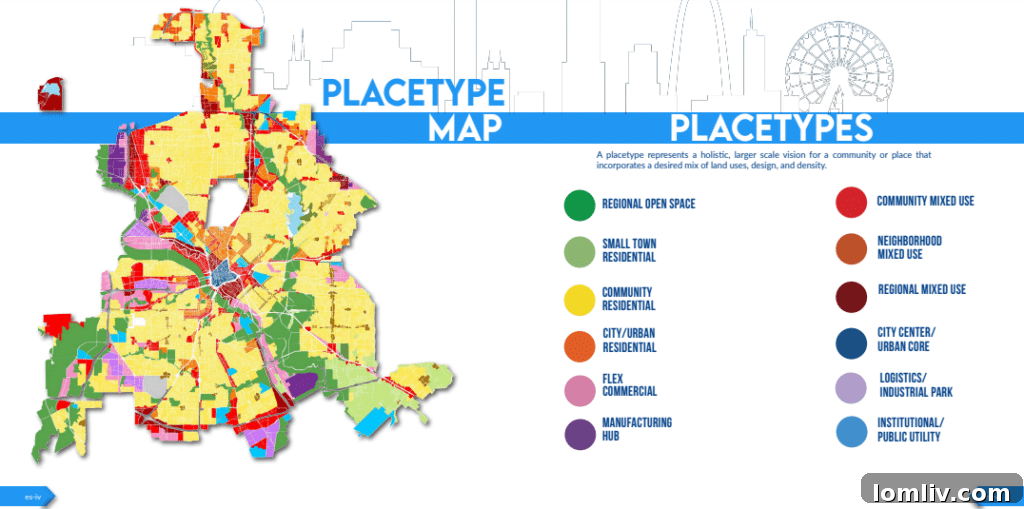
In a significant step forward, an updated draft of the plan and a detailed placetype map were officially released on December 11. These documents represent a comprehensive articulation of the city’s vision, outlining specific recommendations and guidelines for land use across different neighborhoods and districts. The placetype map, in particular, offers a visual and strategic classification of areas, moving beyond traditional zoning to incorporate a more holistic approach to urban development.
The Critical Need for a Comprehensive Land Use Plan in Dallas
One of the most profound statements made by Director Gilles highlighted a long-standing gap in Dallas’s urban planning framework. “The City of Dallas has not had a comprehensive land use plan,” she asserted. “We’ve had a vision plan from 2006 but we haven’t had a land use plan that guides zoning decisions within the city. It was really important to make that distinction.” This distinction is paramount: a vision plan provides aspirational goals, but a comprehensive land use plan provides the actionable blueprint, directly influencing zoning ordinances, development permits, and the overall physical character of the city. Without such a guiding document, zoning decisions can become ad hoc, potentially leading to inconsistent development, inefficient resource allocation, and a lack of clear direction for future growth. ForwardDallas seeks to rectify this by providing a robust, data-driven framework for all future land use and development decisions.
The urgency for ForwardDallas has been amplified by recent public scrutiny and debate surrounding the city’s existing development code, which itself is undergoing a significant overhaul. Dallas has been grappling with complex issues that demand a forward-thinking approach to urban planning. The Dallas City Council is actively engaged in discussions on critical topics such as parking reform, aiming to reduce or eliminate minimum parking requirements to encourage walkability, transit use, and more efficient land utilization. Simultaneously, debates around minimum lot size requirements are underway, with the potential to influence housing density and affordability across the city. These specific policy adjustments are not isolated decisions; they are intrinsically linked to the broader principles and guidelines that ForwardDallas is establishing. As the comprehensive plan nears its projected completion next summer, it will provide the foundational context and strategic direction for these detailed reforms, ensuring they align with a unified vision for Dallas’s future.
Housing And Land Use Planning: Addressing Dallas’s Future Needs
While the ForwardDallas comprehensive plan is not a panacea for every challenge the city faces regarding zoning and land use, it represents a monumental step towards systematic problem-solving. To meticulously address these intricate details, a dedicated Comprehensive Land Use Plan Committee has been diligently meeting twice a month for over a year. This committee’s mandate involves a continuous cycle of tackling specific planning details, assimilating invaluable public input, and meticulously preparing recommendations that are both strategic and actionable. Their work forms the backbone of the plan, ensuring a balanced approach that considers various perspectives and long-term implications for Dallas’s growth and development.
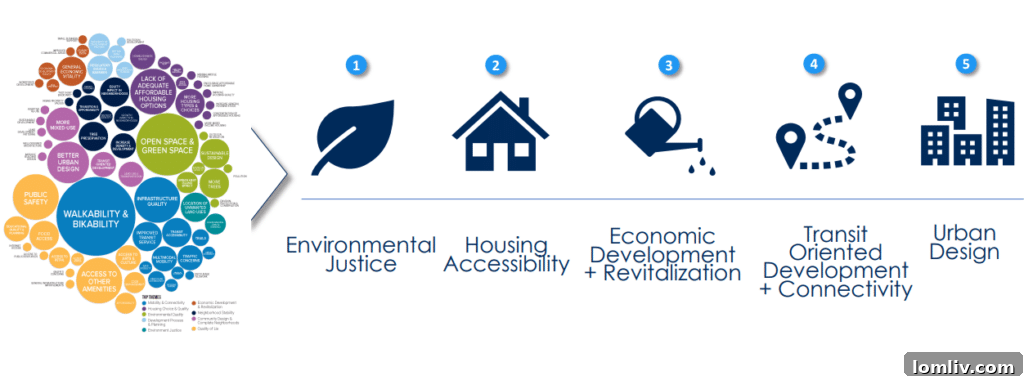
Director Gilles highlighted that the subject of housing emerged as a dominant and recurring theme throughout the extensive public input process. The sheer volume and consistency of comments related to housing accessibility, affordability, and diversity underscore the critical importance of this issue for Dallas residents. These insights have not merely been acknowledged but have served as fundamental driving principles, shaping the plan alongside established urban planning best practices. The plan aims to foster a city where diverse housing options are available to all, addressing current shortages and anticipating future demographic shifts.
“Environmental justice has been one of the top themes and subjects that has been discussed throughout this planning effort,” Gilles further elaborated. This focus reflects a commitment to rectifying historical inequities in urban development, ensuring that all communities, regardless of socio-economic status, have equitable access to environmental benefits and are protected from environmental hazards. This involves considerations like access to green spaces, clean air and water, and sustainable infrastructure. Alongside this, significant discourse centered on “housing accessibility, housing opportunity, housing choice. What does that look like from a land use perspective?” This inquiry delves into how zoning and land use policies can facilitate a broader spectrum of housing types, sizes, and price points across the city, providing genuine choices for residents and promoting inclusivity in Dallas’s neighborhoods.
Beyond housing and environmental justice, Gilles added that other critical areas were identified as highly important to stakeholders. These include robust economic development strategies, fostering sustainable and integrated transit-oriented development (TOD), and enhancing overall urban design. Economic development, when tied to strategic land use, can create job opportunities, revitalize commercial corridors, and boost the local economy. TOD, by integrating land use with public transit, aims to reduce traffic congestion, improve air quality, and create vibrant, walkable communities. Excellent urban design ensures that Dallas remains an attractive, functional, and aesthetically pleasing city, encouraging public life and investment. These interconnected themes demonstrate a holistic approach to city planning, seeking to balance growth with quality of life.
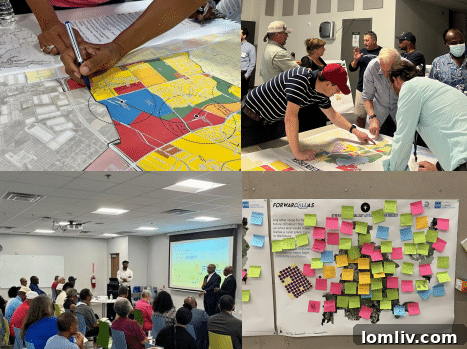
To continue the vital dialogue and gather further community insights, ForwardDallas roundtable events have been scheduled and are open to the public. These interactive sessions provide a direct avenue for residents to engage with city planners, ask questions, and offer their perspectives. Mark your calendars for these crucial opportunities: the first session is scheduled from 6 to 7 p.m. on January 9, and a follow-up session will be held from noon to 1 p.m. on January 19. These virtual meetings are instrumental in refining the plan and ensuring its alignment with community needs.
ForwardDallas Placetypes: A Strategic Approach to Urban Development
When embarking on the creation of a comprehensive, citywide land use plan for a metropolis the size of Dallas, a critical challenge arises: the sheer impossibility of individually evaluating every single property. As Director Gilles meticulously explained, a more strategic and scalable approach is essential. This is where the concept of “placetypes” becomes invaluable. Placetypes are essentially classifications or typologies that define the desired character, intensity, and mix of uses for different areas of the city. Instead of prescribing rigid zoning rules for each parcel, placetypes offer a flexible framework that guides development based on the desired urban form and function of a given area, allowing for nuanced planning while maintaining a consistent vision across Dallas. This allows for a more efficient and effective planning process, focusing on broader patterns and community aspirations rather than getting bogged down in individual parcel-level assessments.
“There’s been a lot of discussion around our residential areas and how we are addressing housing options within our residential areas, specifically our lower-intensity residential areas,” Gilles elaborated, pointing to a key area of focus within the placetype framework. The discussions revolve around “different concepts … incorporating more housing options across all of our residential areas.” This initiative seeks to move beyond traditional single-family zoning, exploring ways to integrate various housing types—such as duplexes, townhomes, and smaller multi-family units—into existing neighborhoods, especially those characterized by lower density. A significant part of this dialogue centers on equity. Gilles posed the fundamental question: “Why should one area have to accommodate more housing than another area?” This highlights the plan’s commitment to ensuring that the responsibility and benefits of increased housing density are distributed fairly across the city, preventing disproportionate burdens on certain communities and promoting a more balanced urban fabric.
District 7 Councilman Adam Bazaldua raised an important point regarding the plan’s implementation, particularly concerning its high-level goals. He specifically asked for clearer guidance on how certain land use objectives outlined in the plan, especially those pertaining to industrial use, would be practically accomplished. “Some are very high-level,” he noted, expressing a desire for more concrete details. “I’d like to have some definitive proposals for us to be sifting through.” This request underscores the need for the plan to transition from broad vision to actionable strategies, providing specific pathways for achieving its stated aims. Furthermore, Councilman Bazaldua sought clarity on the implications for non-compliant properties once the entire plan is formally adopted. He requested a briefing on “what this is going to do for non-compliant properties once everything is passed,” highlighting concerns about how existing land uses that do not align with the new placetypes and regulations will be addressed, ensuring a smooth and equitable transition for property owners and businesses across Dallas.
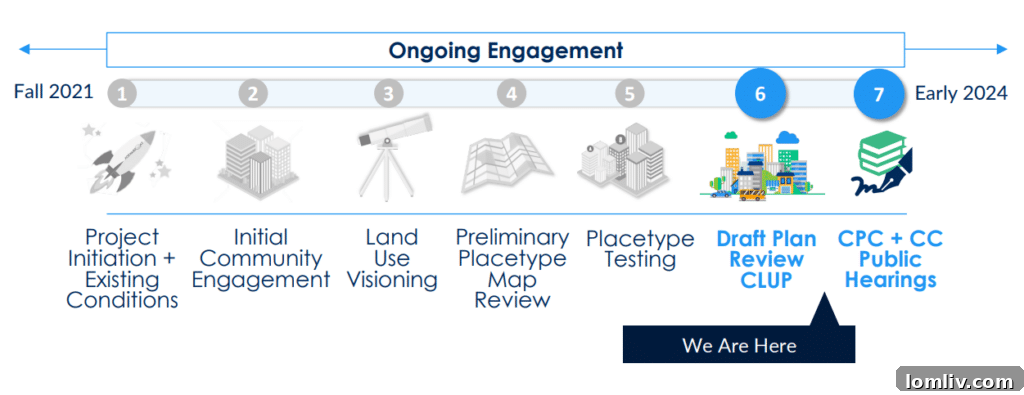
The journey of ForwardDallas is progressing steadily towards its final stages. The plan is slated to go before the City Plan Commission (CPC) in January for a thorough review and a series of public hearings. These hearings are a crucial opportunity for the public to provide official testimony and for the CPC to meticulously examine every aspect of the proposed plan, incorporating feedback and making any necessary refinements. This phase is essential for ensuring transparency and accountability in the planning process.
Director Gilles outlined the ideal timeline for the plan’s culmination, expressing optimism about its progression. “What we would like to see is that ideally at the end of May, there is a CPC recommendation to City Council and that City Council review and public hearings could begin in June,” she stated. This timeline anticipates the CPC completing its comprehensive review and formalizing its recommendations by late spring. Following this, the Dallas City Council would then undertake its own extensive review and conduct further public hearings, providing another layer of democratic oversight before the final adoption of the ForwardDallas comprehensive land use plan. This structured approach ensures that the plan undergoes rigorous scrutiny and receives broad public and political endorsement before it officially becomes the guiding document for Dallas’s future growth and development, marking a new era for urban planning in the city.