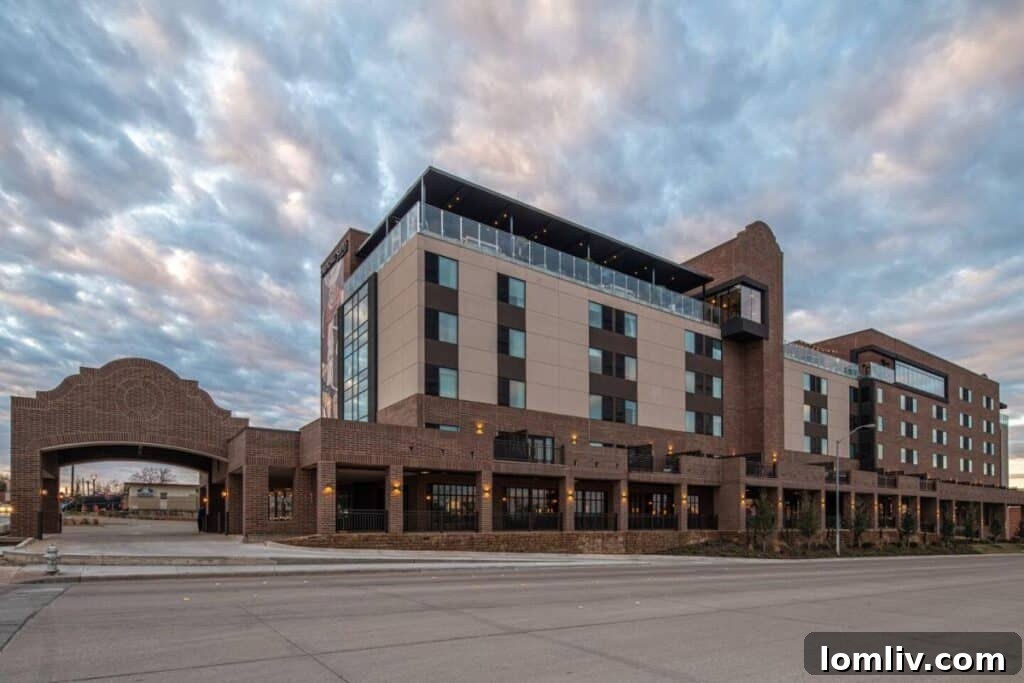
Fort Worth, Texas continues its impressive trajectory of growth, attracting significant investment in commercial and residential real estate. Amidst this dynamic expansion, a recent decision by the Fort Worth Zoning Commission has captured attention, illustrating the city’s strategic approach to urban development. During an October meeting, zoning commissioners expressed notable surprise at the complete lack of in-person opposition to a proposed five-story hotel project, signaling a smooth path forward for a significant hospitality venture.
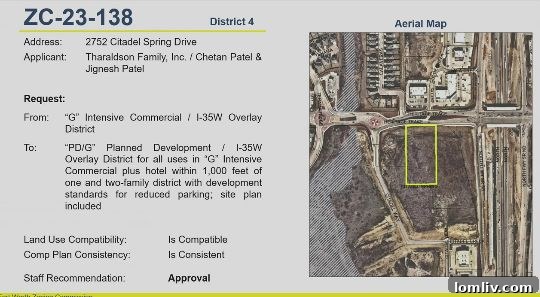
This particular development, spearheaded by Chetan Patel of Tharaldson Family Inc., proposes a modern, dual-brand hotel featuring both SpringHill Suites and TownePlace Suites. Slated for construction on a substantial 3.52-acre parcel at 2752 Citadel Spring Drive, this 181-guest hotel is poised to enhance the hospitality offerings within a rapidly expanding sector of Fort Worth, specifically the bustling AllianceTexas area. The unanimous approval for the necessary rezoning request underscores a project seemingly well-aligned with the city’s long-term growth objectives and immediate community interests.
Fort Worth Zoning Commission Greenlights New Dual-Brand Hotel Project
The October 11 meeting saw the Fort Worth Zoning Commission unanimously approve Chetan Patel’s rezoning request, a stark contrast to other development proposals that often spark robust community debate. This approval facilitates the construction of a contemporary hospitality complex, bringing two distinct Marriott brands under one roof, catering to a broader spectrum of travelers – from business professionals needing extended-stay options to families seeking comfortable, amenity-rich accommodations. The strategic decision to combine SpringHill Suites, known for spacious suites and vibrant lobbies, with TownePlace Suites, favored for its residential-style living with fully equipped kitchens, optimizes land use and maximizes market appeal in a high-growth area.
A Strategic Location in the Heart of AllianceTexas
The chosen site at 2752 Citadel Spring Drive is strategically positioned within the influential AllianceTexas development corridor. AllianceTexas is a master-planned community renowned for its multimodal logistics hub, burgeoning corporate campuses, and significant residential growth, making it a prime location for commercial and hospitality investments. The area’s sustained economic vitality creates a consistent demand for hotel accommodations, supporting the viability of projects like the Tharaldson Family Inc. hotel. This five-story, 181-room establishment is designed to meet the needs of both the corporate traveler visiting local businesses and the leisure guest exploring Fort Worth’s expanding attractions.
The proximity of the hotel to major transportation arteries and existing commercial infrastructure further solidifies its appeal. This location minimizes potential conflicts with residential zones while maximizing accessibility for guests. Developers often seek such strategic positioning to ensure both operational success and a smoother passage through the municipal planning and zoning process, leveraging the inherent commercial suitability of the land.
Understanding Fort Worth’s Zoning Approval Process
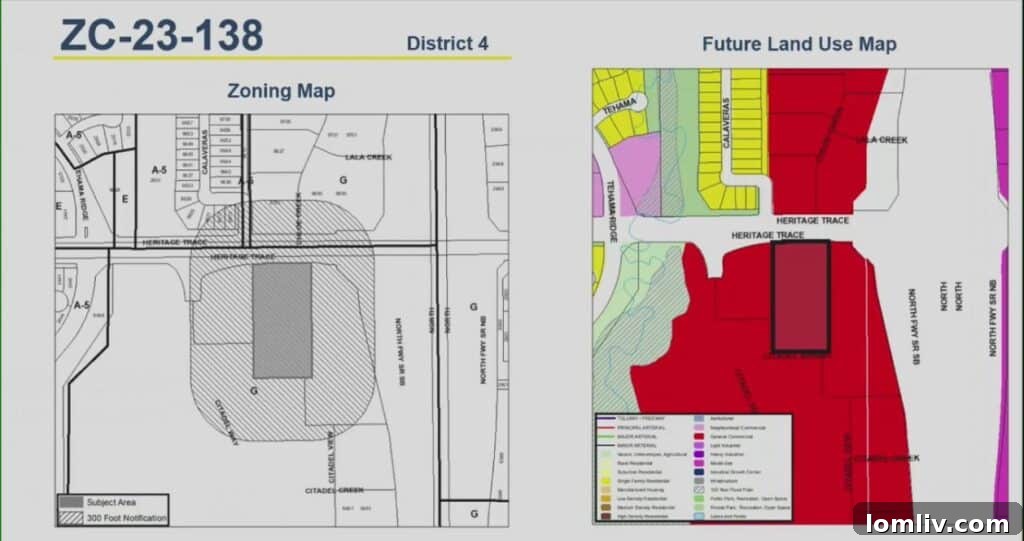
The Fort Worth Zoning Commission plays a critical role in shaping the city’s landscape, evaluating land-use requests against established urban planning guidelines and community feedback. In this instance, the commission considered a request to change the zoning classification of the 3.52-acre parcel from “intensive commercial” to “planned development.” This type of zoning change, approved on October 11, is not uncommon for complex projects that require specific design and operational parameters beyond standard zoning categories.
The Nuances of “Planned Development” Zoning
A “planned development” (PD) zoning designation offers greater flexibility in design and land use compared to conventional zoning categories, allowing for tailored regulations that address the unique characteristics of a project and its site. This often involves a detailed plan outlining specific uses, building heights, setbacks, parking, and landscaping, which is then legally binding once approved. For a dual-brand hotel of this scale, a PD zoning likely allowed the developer to present a comprehensive vision that could address specific site challenges or opportunities, potentially mitigating concerns that might arise under more rigid zoning classifications. The unanimous vote by the commission reflects a strong consensus that the proposed hotel, under its new planned development guidelines, is an appropriate and beneficial addition to the Citadel Spring Drive area.
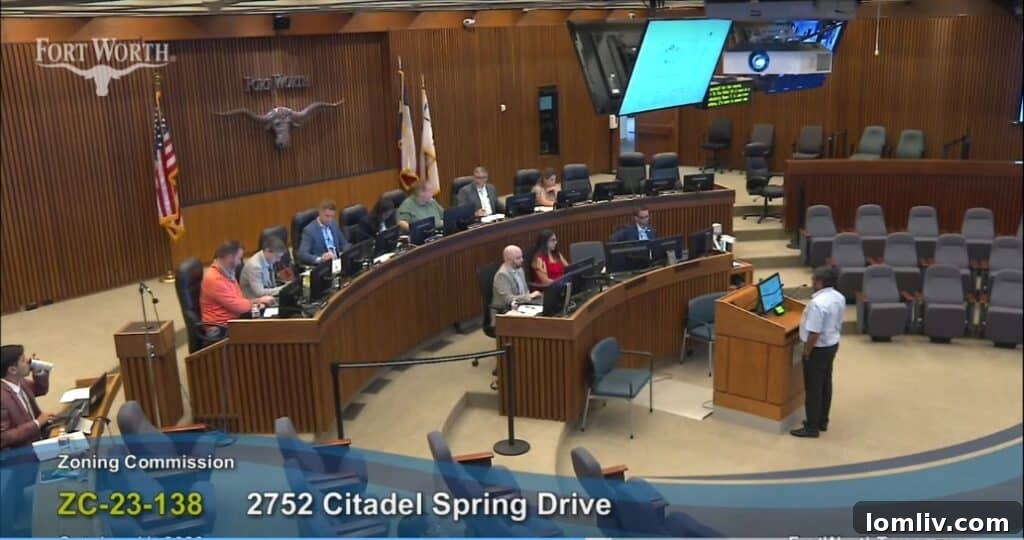
The Surprising Absence of Opposition: Lessons from Citadel Spring Drive
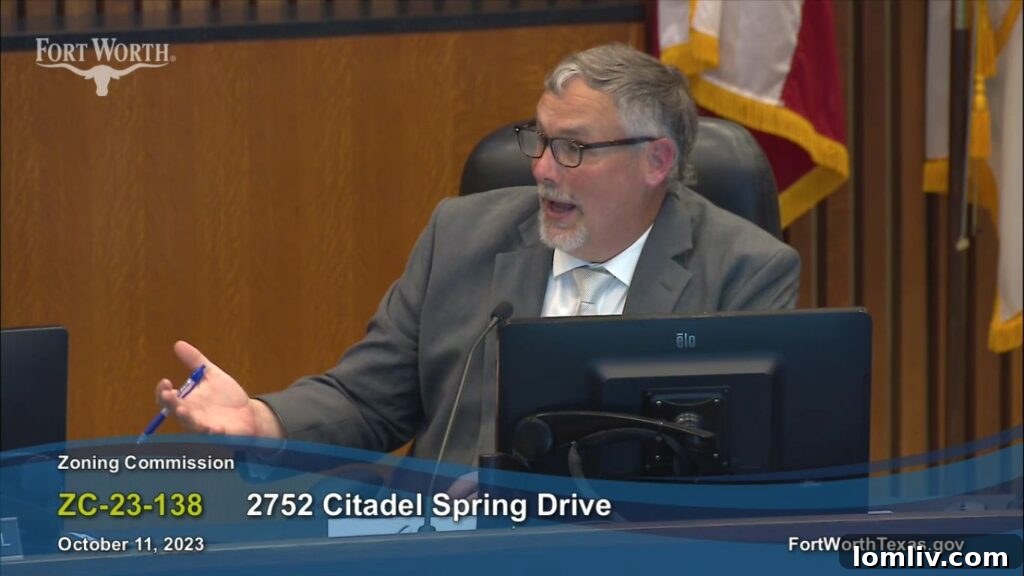
What truly set this hotel project apart during the zoning meeting was the striking absence of in-person opposition. This rarity did not go unnoticed by the commissioners. Zoning Commissioner Jacob Wurman highlighted this anomaly, noting that previous proposals for hotel developments at or near the Citadel Spring site had faced significant community pushback. “There was a ton of opposition, and there’s zero today,” Wurman remarked, pointing out the receipt of only “two letters” in contrast to the strong public outcry often associated with new developments. This suggests that the current proposal may have successfully addressed prior community concerns or was simply better received due to its specific characteristics and location.
Geographical Advantages and Past Learnings
Several factors likely contributed to this lack of opposition. Rafael McDonnell, Chair of the Zoning Commission, cited the “big dropoff” in the nearby Heritage Trace neighborhood as a crucial geographical advantage. This topographical feature means that visibility from a tall building like the proposed hotel into the residential subdivision would be limited, thereby minimizing potential privacy or aesthetic concerns from residents. McDonnell’s support for the proposal was directly influenced by “the geography of the site,” indicating how natural features can play a significant role in community acceptance.
Furthermore, Stephen Murray, Fort Worth’s development project facilitator, emphasized the project’s adjacency to Interstate 35. Murray articulated that this location naturally lends itself to more intensive commercial uses, stating, “You already have a lot of commercial to the north and being built to the south, and hotels fit into those locations, from a planning perspective.” This context suggests that the area around Citadel Spring Drive is already perceived as a commercial hub, making a hotel a congruent and expected addition, rather than an intrusive one. The city’s planning perspective aligns with the development, fostering an environment where such projects are more readily accepted by the community.
Fort Worth’s Dynamic Real Estate Landscape: Growth and Challenges
The smooth approval of the Citadel Spring Drive hotel stands in contrast to other development proposals that often face significant local resistance. Just prior to approving Patel’s request, commissioners heard from residents of Willow Creek who vehemently opposed a planned Build-to-Rent community. These residents voiced serious concerns that the project would exacerbate traffic problems in their “already-overwhelmed” neighborhood. The zoning commissioners acknowledged these concerns by postponing the Build-to-Rent matter for 60 days, allowing developers with Dyer Engineering to engage with adjacent neighborhoods and seek resolutions.
Contrasting Developments: The Build-to-Rent Scenario
This comparison highlights a critical distinction in community concerns. While a hotel project along a commercial corridor near a major interstate might be seen as a natural fit, a high-density residential Build-to-Rent community in an existing neighborhood often raises immediate red flags regarding increased traffic, strain on public services, and changes to neighborhood character. The differing responses underscore the complex balance Fort Worth city planners and developers must strike between accommodating rapid growth and addressing the specific concerns of its diverse communities. Traffic congestion, in particular, remains a persistent and potent source of opposition for residential developments in growing urban centers.
The city’s commitment to thoughtful urban planning means that while it embraces commercial expansion, it also remains responsive to infrastructure challenges and quality-of-life issues brought forth by its citizens. The outcome of these two contrasting zoning requests illustrates Fort Worth’s nuanced approach to real estate development, weighing economic opportunity against community impact.
The Path Ahead: City Council Review and Economic Impact
With the unanimous endorsement from the Fort Worth Zoning Commission, the rezoning request for the dual-brand hotel at 2752 Citadel Spring Drive will now proceed to the Fort Worth City Council for final consideration. The City Council is scheduled to review the request on November 14. While the commission’s unanimous approval offers a strong indication of the project’s likelihood of success, the City Council’s vote is the ultimate determining factor.
Should the City Council grant final approval, this new hotel development is expected to bring substantial economic benefits to Fort Worth. Beyond the immediate construction jobs, the hotel will create permanent employment opportunities in hospitality, generate significant tax revenue for the city, and further bolster Fort Worth’s growing reputation as a destination for both business and leisure. It represents a strategic addition to the city’s infrastructure, supporting the continued expansion of the AllianceTexas area and catering to the escalating demand for quality accommodations in one of Texas’s fastest-growing cities.