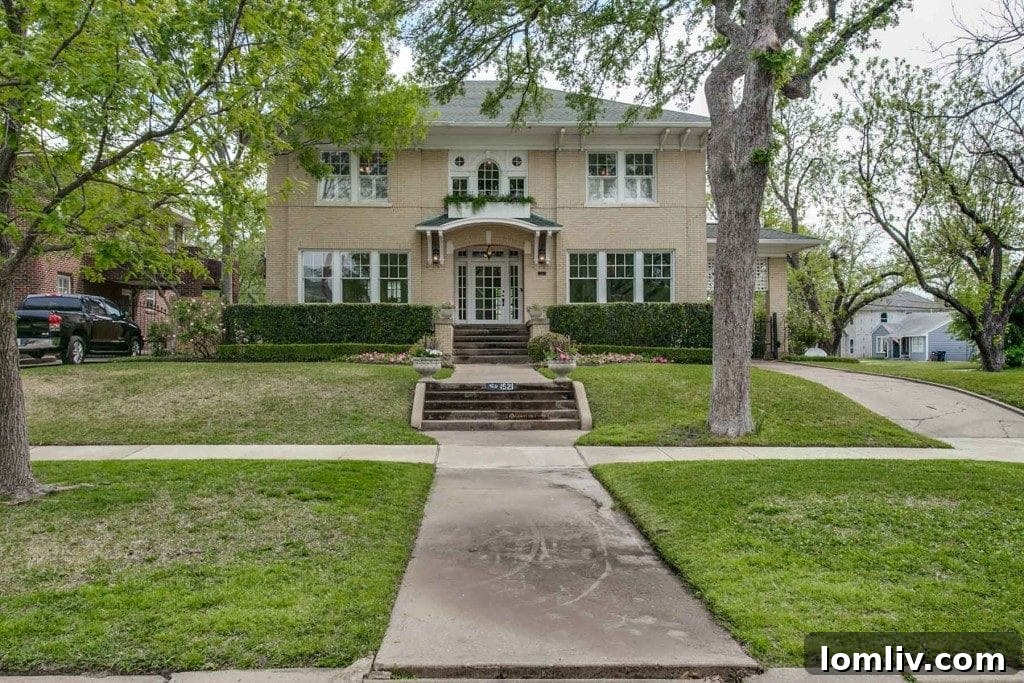
Fort Worth’s Dynamic Real Estate Scene: Navigating a Seller’s Market
The real estate landscape in Fort Worth continues to be a hot topic, characterized by intense competition, limited inventory, and a discerning buyer pool. As we delve into recent sales and ongoing projects, a clear picture emerges of a market that rewards unique properties and strategic pricing, even as it presents complexities for both buyers and sellers. We’ll explore notable transactions, a significant renovation project, and gain expert insights into the current state of Fort Worth’s vibrant neighborhoods.
Case Study: The Elizabeth Boulevard Sensation in Ryan Place
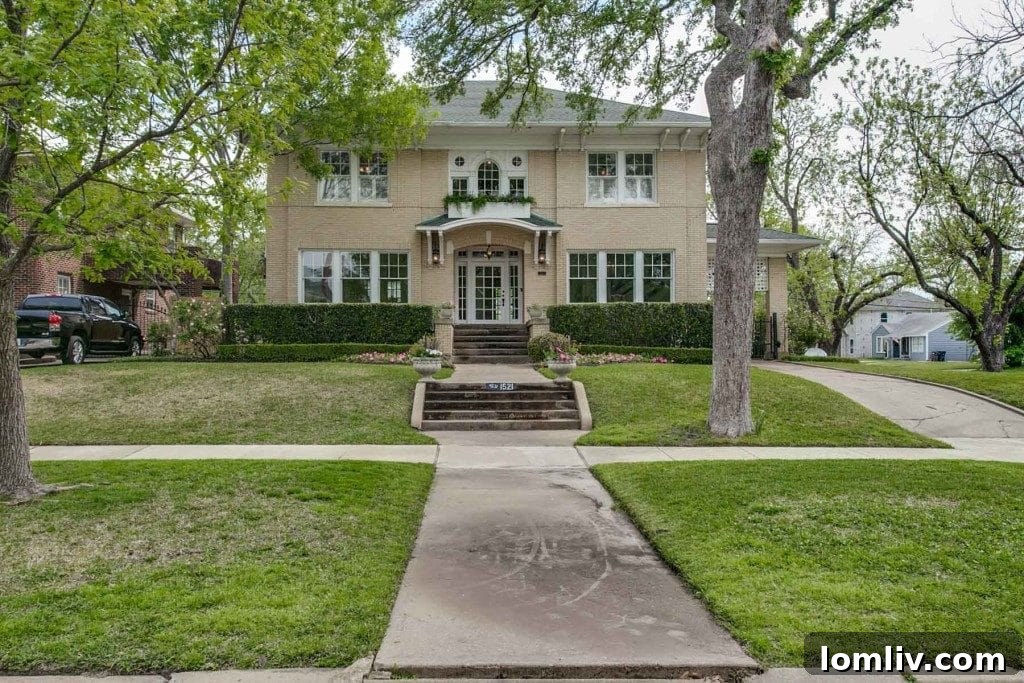
Remember the buzz around 1521 Elizabeth Blvd. from just a few weeks ago? Initially described as “priced to sell,” this exquisite property in the historic Ryan Place neighborhood quickly became a benchmark for market intensity. The initial post garnered nearly 800 Facebook shares, a testament to its widespread appeal and the collective excitement it generated. As anticipated, a spirited bidding war erupted, pushing the final selling price significantly above the original asking price. Crucially, the property successfully appraised, solidifying its value in a highly competitive market.
Navigating such a dynamic environment requires deep market understanding. Lisa Logan, the astute listing agent from Briggs Freeman Sotheby’s International Realty, highlighted the challenges: “You have to really work and do research. There are no comparable sales because there is such crazy-low inventory.” This scarcity of available homes means that each unique property stands on its own merits, demanding a meticulous approach to valuation and marketing. The Ryan Place neighborhood itself adds another layer of complexity. Unlike the more homogeneous Fairmount, Ryan Place is known for its architectural diversity, blending grand Jazz Age palaces with charming, simpler bungalows. This heterogeneity makes establishing consistent property values trickier, as each home’s individual character, condition, and historical significance play a more prominent role in its ultimate sale price.
Logan further elaborated on Ryan Place’s unique appeal: “Ryan Place is trickier than trendy nearby Fairmount where, in spite of low inventory, houses do turn often enough to establish values. This property [1521 Elizabeth Blvd.] has a wonderful setting and though new owners may want to do updates to kitchen and bath, it has a near perfect floor plan and buyers will pay for that.” This insight underscores a critical aspect of today’s market: buyers are often willing to invest in homes that offer exceptional foundational elements, even if minor cosmetic updates are needed. The allure of a well-conceived floor plan and a desirable setting often outweighs the cost of future renovations, proving that good bones are highly valued. Throughout the contract period, back-up offers continued to stream in, demonstrating the persistent demand and the property’s undeniable appeal.
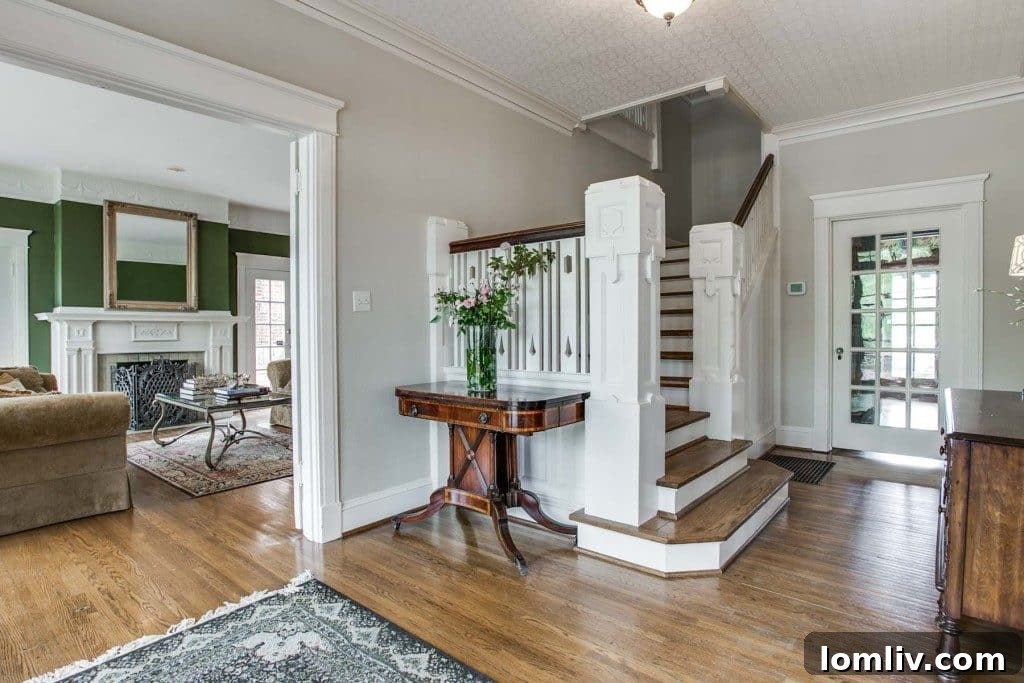
From a personal vantage point, I can observe this property from my own bedroom window. While I’m undoubtedly pleased to witness the improving property values in our beloved Fort Worth, I also share the common homeowner’s apprehension regarding the inevitable increase in property taxes. Like many homeowners across the Dallas-Fort Worth metroplex, I’ve recently been impacted by the maximum allowable 10 percent increase in valuation, a common side effect of a booming real estate market.
A Glimpse into Historic Preservation: Brent Hull’s Project on Willing Avenue
Just around the corner, two blocks away from the Elizabeth Boulevard success story, a fascinating project is unfolding on 2300 Willing Avenue. This is the ambitious undertaking of Brent Hull, a renowned expert in historical building and traditional craftsmanship. This isn’t just a renovation; it’s a total reconstruction project, and it has even attracted the attention of television producers, with filming currently underway to document its remarkable transformation.
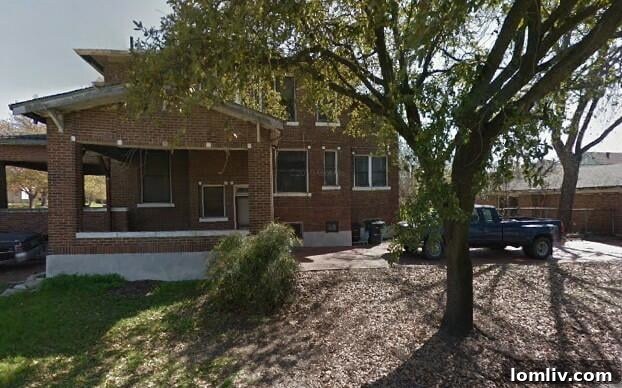
The term “reconstruction” is used advisedly here, as the property has literally been dismantled and is now in the meticulous process of being reassembled. This approach ensures fidelity to the original structure while integrating modern efficiencies and structural integrity. James Melendy, the chief trim carpenter on the project, shared insights into the intricate work involved: “Some elements and trim pieces haven’t come out quite so cleanly. We are having to fill in with some new pieces, but we intend to stay faithful to the original 1922 structure. We’re about halfway through and should see some paint as early as next week.” This commitment to historical accuracy, even amidst the challenges of working with century-old materials, is a hallmark of Hull’s work and elevates this project beyond a typical flip. Such detailed restoration efforts contribute significantly to preserving the architectural heritage of Fort Worth’s historic neighborhoods and often command a premium in the market, appealing to buyers who value craftsmanship and history.
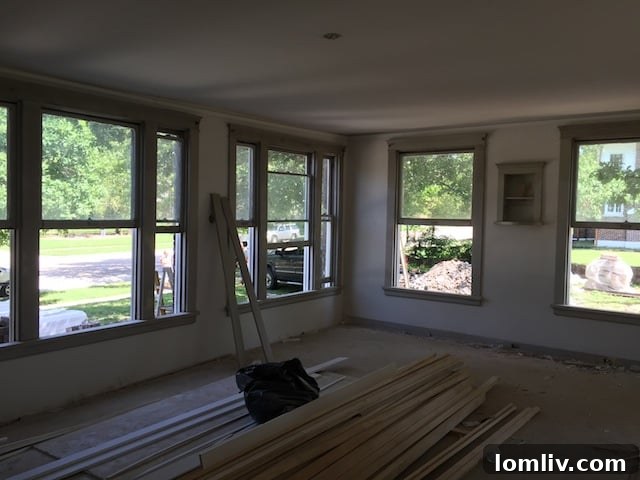
Frankly, even for an observer, it’s still a struggle to fully envision the final outcome of such a complex project. However, everything observed on site is undeniably encouraging. A notable detail is the restoration of the living room windows. These windows, far more massive and impressive than any photograph can convey, have recently been meticulously liberated from layers of cementing paint. With their original weights reattached, they now glide smoothly within their frames, a small but significant detail that speaks volumes about the quality and dedication behind this monumental restoration. Projects like this are vital for showcasing the enduring appeal and potential of Fort Worth’s vintage housing stock, attracting a specific segment of the market that prioritizes historical integrity and bespoke quality over new construction.
Monticello’s Premium Appeal: The Success of 408 Virginia Place
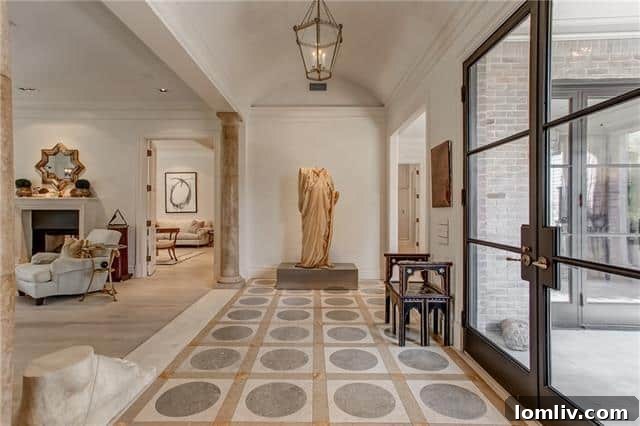
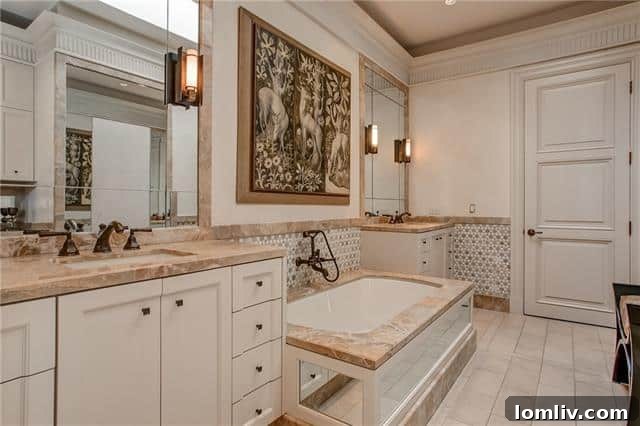
Meanwhile, in another highly sought-after part of town, 408 Virginia Place in the prestigious Monticello neighborhood quickly went under contract following its listing four weeks ago. This rapid sale underscores the strong demand for impeccably finished homes in prime locations. Buyers were evidently captivated by the opulent and unique finishes, high-quality materials, and outstanding design that defined this residence. They demonstrated a clear willingness to pay a neighborhood premium on a per-square-foot basis for its exceptional aesthetic and its ultra move-in ready condition. In today’s competitive market, homes that offer a seamless transition for new owners, requiring no immediate updates or renovations, often fetch top dollar, especially in desirable areas like Monticello.
Expert Insights into the Fort Worth Real Estate Market
To gain a clearer understanding of this intricate market mosaic and to gauge the overall health of the Fort Worth real estate sector, I consulted with Martha Williams, a distinguished real estate doyenne from Williams Trew, the esteemed firm responsible for the successful sale of 408 Virginia Place. Her insights provide a crucial lens through which to view the current market dynamics.
Williams confirmed the pervasive challenge: “We expected a lively spring but are still hampered by low inventory. There is practically nothing in Fort Worth’s older, near-south neighborhoods — Berkley, Tanglewood, Park Hill. On the west side, inventories are super tight in Rivercrest and Monticello.” This persistent lack of available homes for sale is the primary driver of the current seller’s market, fueling bidding wars and driving up prices. This low inventory situation is often self-perpetuating; many potential sellers are hesitant to list their current homes until they can secure a new one, further constricting supply. For instance, I know a couple in Monticello who are waiting to put their house on the market precisely for this reason.
Delving into specific price points, Williams observed, “We are seeing a slowdown at the million-plus range, which is clearly related to oil and gas, but below $500,000, multiple offers are fairly common.” This distinction is critical. While the luxury market, particularly above the million-dollar threshold, can be sensitive to fluctuations in industries like oil and gas—which significantly impact disposable income and investment in the DFW area—the mid-range and entry-level markets remain fiercely competitive. Properties priced below $500,000 consistently attract multiple bids, indicating robust demand from a broad base of buyers, including first-time homebuyers and those seeking to upgrade within a more accessible price bracket. This bifurcation highlights the varied pressures influencing different segments of the Fort Worth housing market.
Conflicting Signals and an Elusive Future
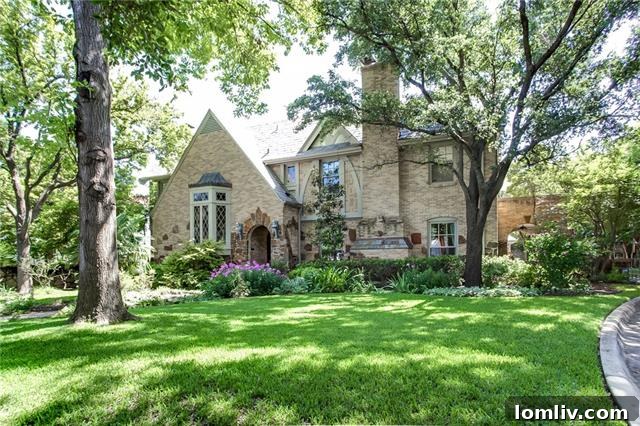
Despite the noted slowdown in the million-plus category, some high-end properties defy the trend. For example, 2323 Medford Court in Park Hill, featured in an April post and listed at $1.217 million, remarkably found a buyer within just one week. This swift sale demonstrates that exceptional properties, even at the higher end, can still command immediate attention and premium prices if they offer a compelling combination of location, quality, and unique appeal. From personal observation, I must conclude that the present Fort Worth real estate market is indeed sending conflicting messages. This makes precise predictions about its future trajectory notably elusive. The market is a complex interplay of various factors—inventory levels, economic influences, consumer confidence, and the unique attributes of individual properties—all contributing to an environment that is both challenging and exhilarating for those involved.
Conclusion: A Market of Opportunity and Nuance
Fort Worth’s real estate market in 2024 is defined by its vibrancy and complexity. Low inventory continues to drive competition, especially in the sub-$500,000 range, while unique, well-maintained, and strategically marketed properties at all price points can still achieve remarkable success. The examples of Elizabeth Boulevard, Willing Avenue, and Virginia Place illustrate the diverse opportunities and challenges inherent in this environment. Whether it’s the historic charm of Ryan Place, the meticulous restoration efforts of Brent Hull, or the luxury appeal of Monticello, Fort Worth offers a rich tapestry of housing options for discerning buyers. For sellers, understanding the nuances of their specific neighborhood and presenting a property that stands out from the crowd is paramount. As property values continue to rise, so does the responsibility of homeowners and real estate professionals to navigate this dynamic market with informed decisions and strategic foresight. The journey through Fort Worth’s real estate landscape is rarely straightforward, but consistently captivating.
Eric Prokesh is an accomplished interior designer whose exceptional work has been featured on HGTV and in prestigious publications including D Home, Southern Accents, House Beautiful, and House and Garden. In January 2005, HG recognized Eric as one of the 50 tastemakers in America, and D Home has consistently included him as one of Dallas’ Best Designers for over a decade. Having spent the majority of his life in Dallas, he now proudly calls Fort Worth home and serves as one of our trusted experts on the beautiful properties and unique character of Fort Worth.