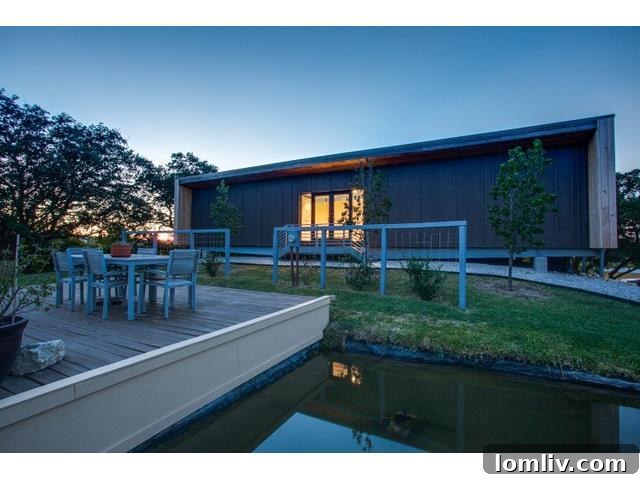

In the vibrant and diverse landscape of North Texas, a property stands as a true testament to architectural ingenuity and sustainable living: the home at 456 Remuda Drive in Fort Worth. This extraordinary residence, meticulously designed and exquisitely renovated by the visionary progressive Dutch architect Matthijs Melchiors, represents a paradigm shift in modern home construction. Melchiors embarked on a transformative journey, taking a modest 1500 square foot earth home, partially nestled into a hillside, and dramatically expanded it. Infusing every aspect with his profound green sensibilities, he prioritized maximizing energy efficiency without compromising on aesthetic appeal or comfort. The stunning outcome is a contemporary masterpiece that boasts some of the absolute lowest utility bills across the entire North Texas region, setting a new benchmark for eco-conscious luxury.
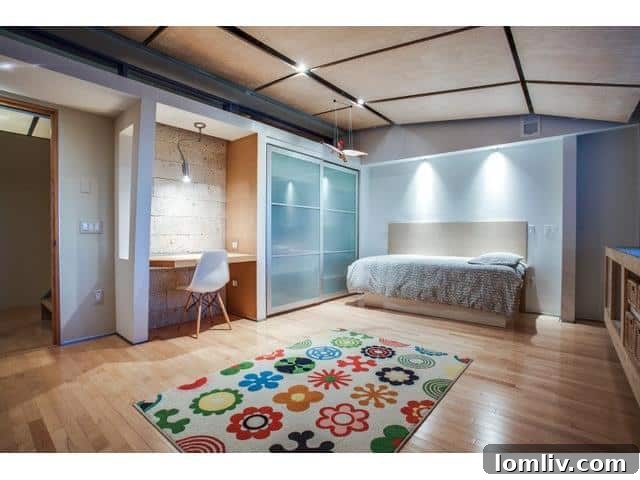
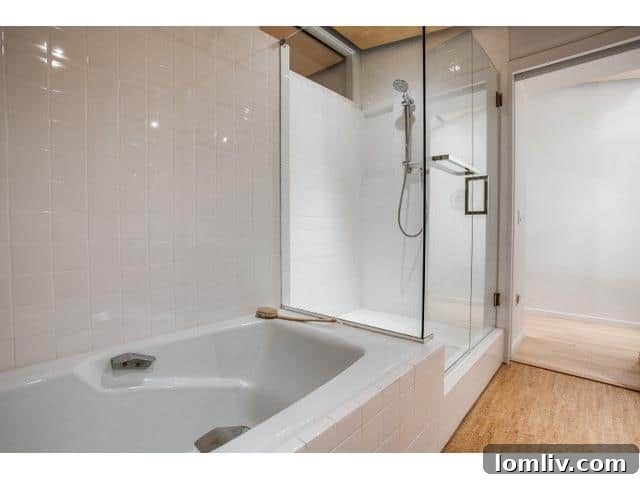
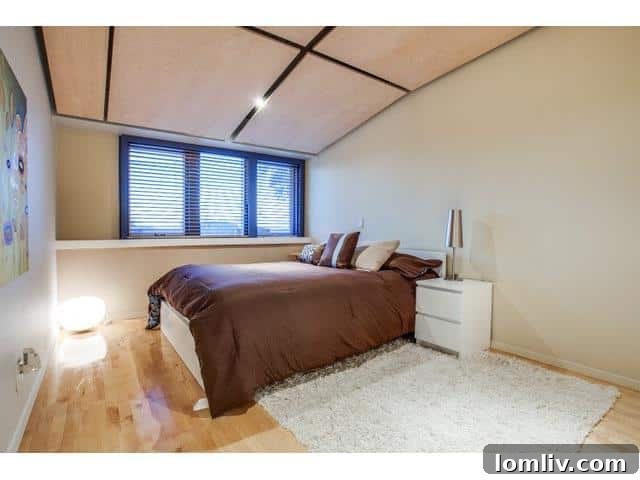
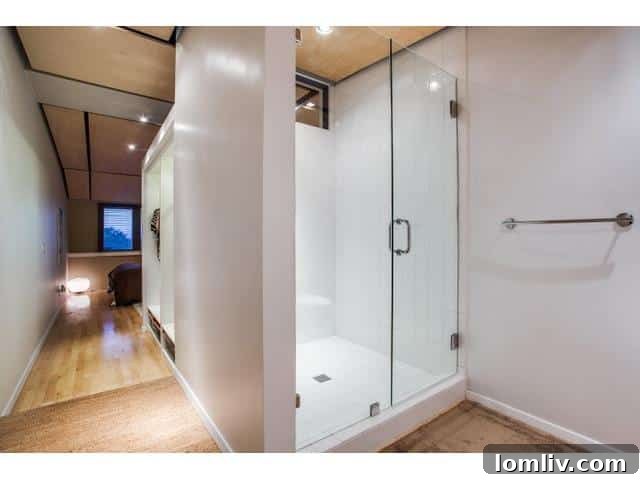
The genesis of this remarkable property dates back to 1981, when it was initially constructed as a 1.25-acre earth home, with its original 1500 square feet situated underground. In 2007, Matthijs Melchiors and his family acquired the residence, embarking on an ambitious renovation project that would nearly double its size. During the entire construction and remodeling phase, the Melchiors family lived on-site, a testament to the architect’s hands-on approach and deep connection to his work. Melchiors expanded the living space to a generous 3000 square feet, perfectly split with 1500 square feet on the upper level and another 1500 square feet retaining the earth-sheltered benefits of the lower level. This thoughtful layout accommodates three spacious bedrooms and three and a half luxurious bathrooms, providing ample space for modern family living.
Melchiors’ philosophy centers inherently around green design and sustainable architecture. “Most of what I do centers around green design,” he explains. “It took me a long time to experiment and refine these methods. The downstairs was already 1500 square feet underground, so we strategically doubled the size of the house.” This expansion was not merely about adding square footage, but about integrating the new with the old in a way that amplified energy savings and natural comfort. “We designed the house so we live upstairs during the day, where the light and views are paramount, and all the bedrooms are located downstairs in the earth home. This provides a naturally cool and quiet retreat,” Melchiors elaborates. Despite its partially subterranean nature, the home defies expectations, being exceptionally light and bright throughout its living spaces. The ingenious concrete construction of the lower level naturally contributes to warming the upstairs, creating a passive heating system that drastically reduces reliance on mechanical systems. The result is truly astonishing: utility bills for electricity average a mere $100 per month—an almost unheard-of figure for a home of this size in North Texas.
Beyond its current impressive energy performance, the home is future-proofed for even greater independence. Melchiors confirms that the house is meticulously pre-wired for solar panels. While the initial investment in solar technology remains a consideration, the infrastructure is already in place. Once these panels are installed, the residence is poised to achieve total energy independence, transforming it into an off-grid ready sanctuary. This forward-thinking design not only enhances the home’s long-term sustainability but also significantly boosts its value and appeal in an increasingly eco-conscious real estate market.
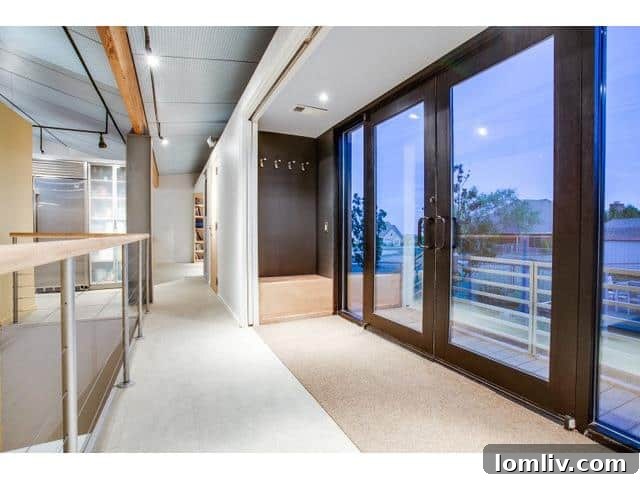
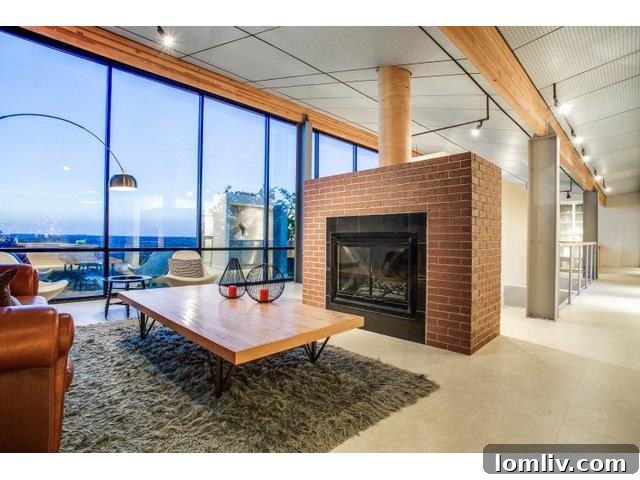
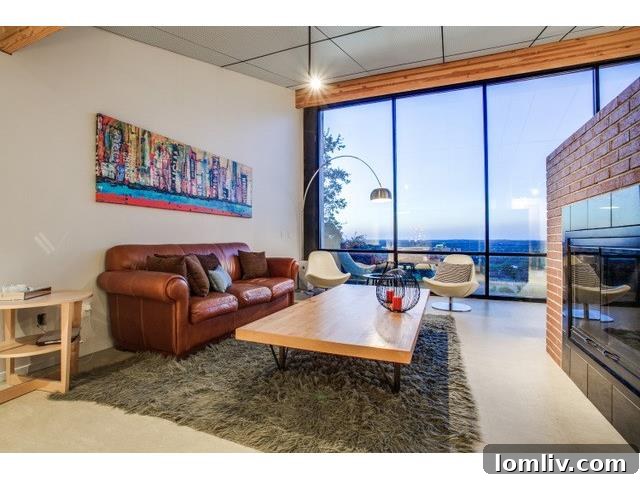
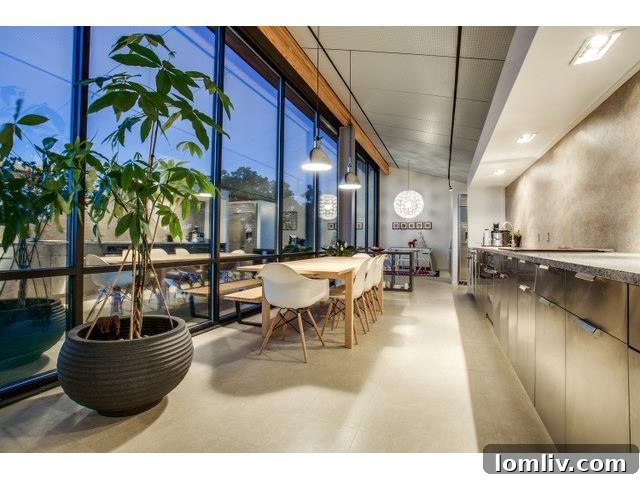
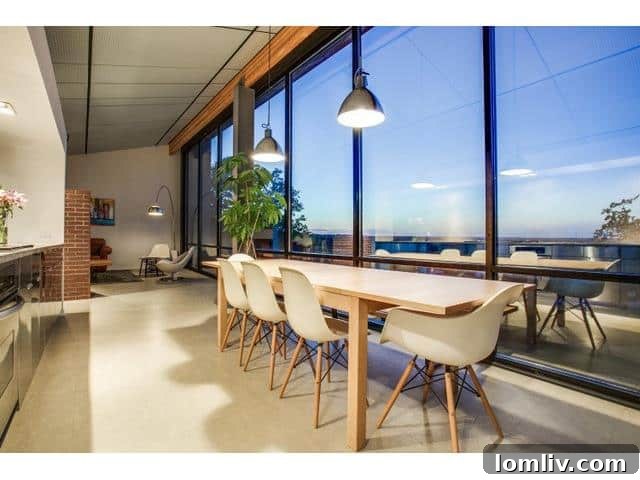
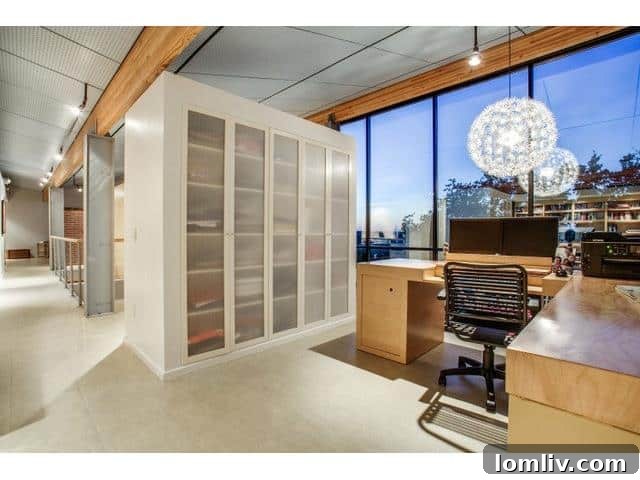
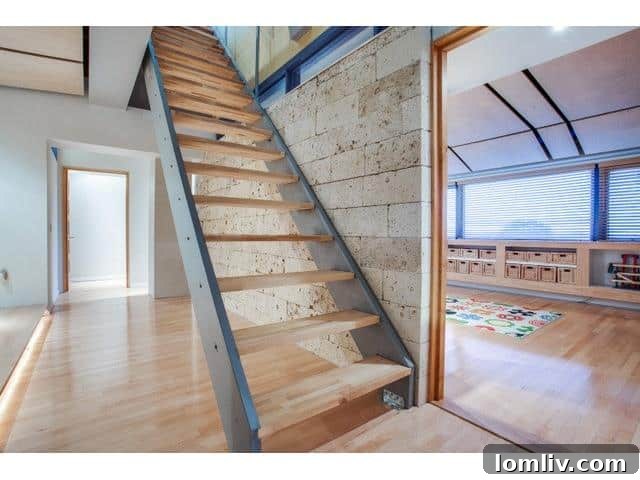
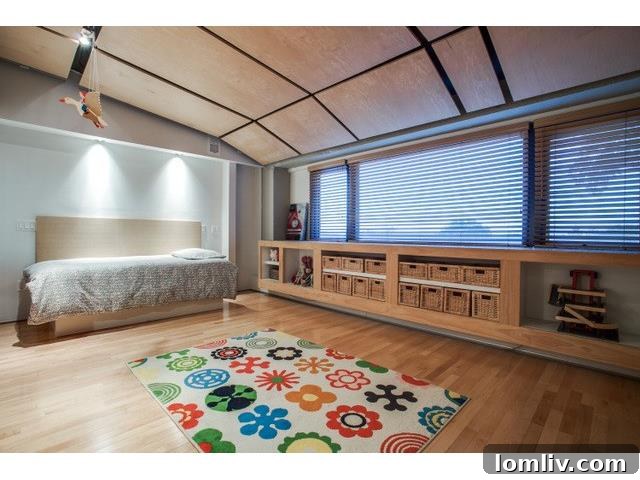
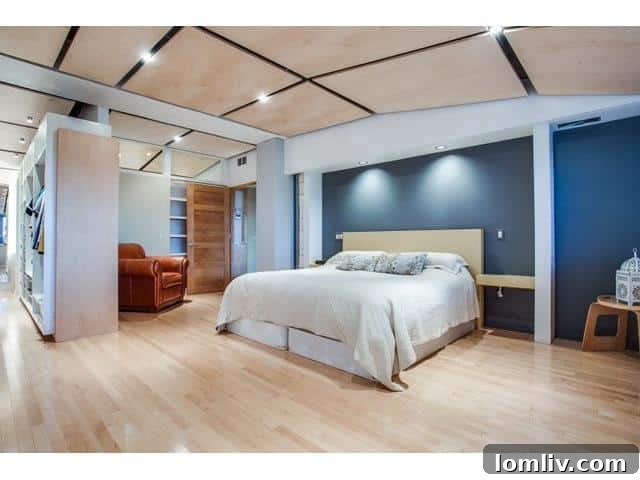
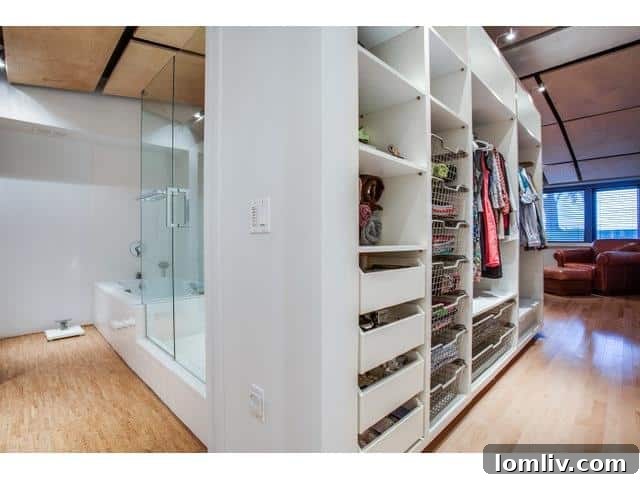
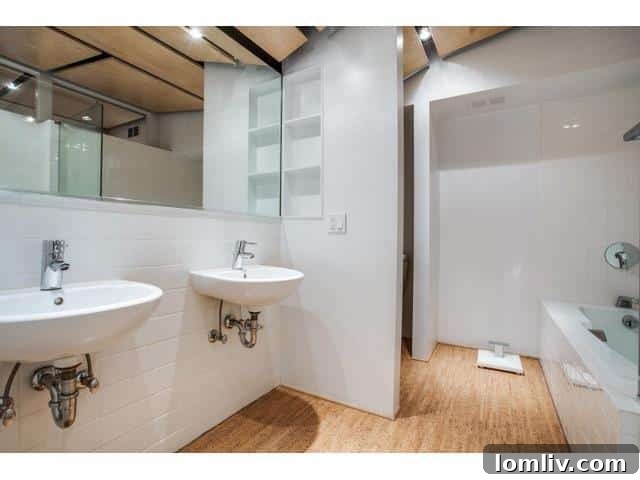
The upper floor is a triumph of design, featuring a spectacular 12 x 56 panoramic window that stretches across the entire length of the home. This expansive glass facade captures breathtaking, unobstructed views, offering nearly 20 miles of visibility on a clear day – a stunning feature, especially considering Fort Worth’s rolling hills on its western side. The window system itself is a marvel of energy efficiency, constructed with commercial-grade aluminum frames and highly insulated glass, ensuring maximum thermal performance while flooding the interiors with natural light. The lower level of the home showcases an exquisite selection of natural materials, including rich maple hardwood floors and comfortable cork flooring. Adding a touch of local history and unique character, accent walls are adorned with salvaged Austin shell stone, generously donated by the Carter family from the iconic Amon Carter Museum in downtown Fort Worth. Melchiors recounts meeting the Carter family, explaining his vision, and their immediate offer of the valuable stone, a testament to the collaborative spirit behind this exceptional renovation.
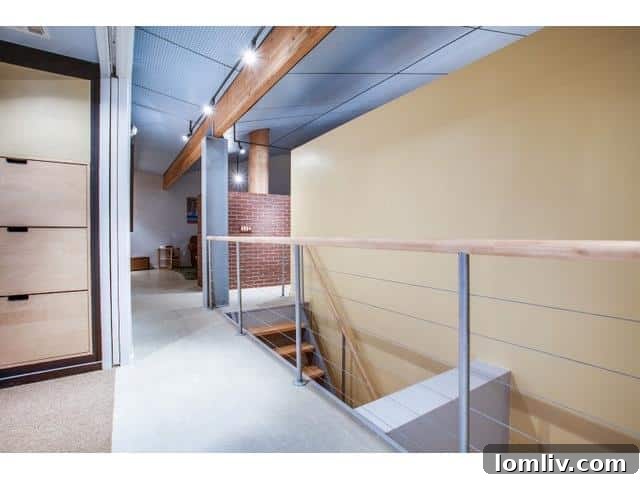
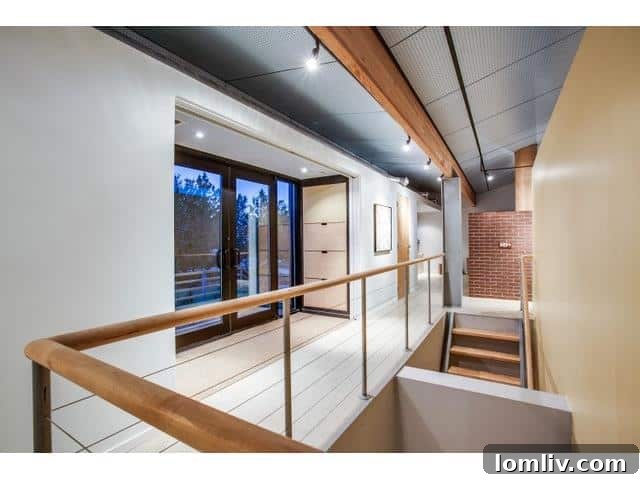
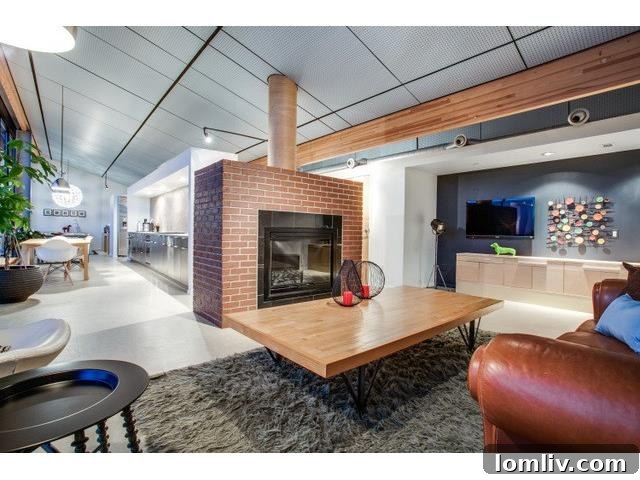
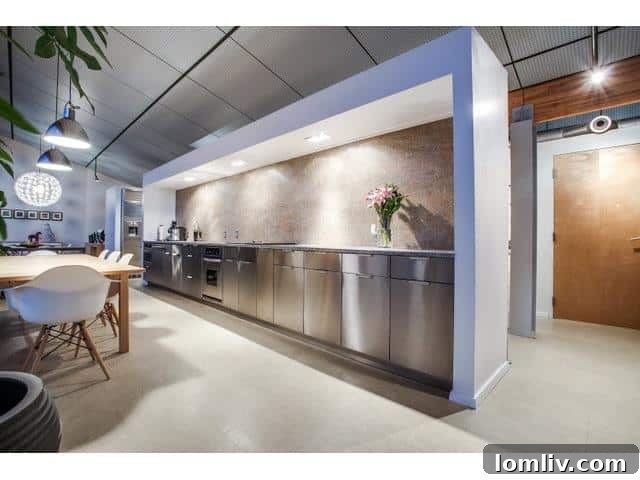
Attention to detail extends to every element of the home’s design. The ceiling lighting on the main level is elegantly integrated within suspended maple wood panels, providing a warm, diffused glow. The second-floor ceiling boasts a dramatic perforated panel system, which is not only visually striking but also engineered for superior acoustic absorption, creating serene and quiet living spaces. Capping off the architectural innovation is an inverted V-shaped metal roof. This distinctive design serves a dual purpose: it efficiently catches rainwater run-off, contributing to sustainable water management, and its durable construction ensures years of low maintenance, further enhancing the home’s eco-friendly credentials.
Matthijs Melchiors’ diverse background profoundly informs his innovative approach to architecture. Born in the Netherlands, he lived there until the age of 16, a period that instilled in him a deep appreciation for thoughtful design and sustainable practices. His academic journey led him to the University of Houston, followed by a significant period working as an architect in China. Eventually, family ties brought him to Fort Worth, where he has since become a leading figure in green design. He attributes his eclectic experiences to fueling his passion for home engineering and conservation experimentation. This blend of international exposure and a natural curiosity for sustainable solutions has made him a pioneering architect in the North Texas region, constantly pushing the boundaries of what is possible in energy-efficient home design.
Melchiors’ commitment to thermal engineering is the secret behind the remarkably low utility costs. Beyond the inverted V-shaped roof’s rainwater collection, he devised an ingenious, automated system to lightly spray water on the roof during the day. This highly efficient misting system uses minimal water but effectively extracts heat from the roof structure, significantly contributing to the home’s internal cooling without a hefty energy footprint. Another core component of his thermal strategy is the innovative double-skin facade. This architectural feature is designed to store and transfer heat passively: sunlight warms the external wall, and this heat is then naturally transferred upwards, circulating within the wall cavity. As the outer skin warms, the natural convection process drives heated air to rise, creating a continuous air exchange. “Think of the external skin as a substitute air pocket,” Melchiors explains. “Between that and the cork insulation, warm air naturally rises and draws in cooler air from the bottom – it’s a fundamental principle of thermodynamics. This is another highly effective way to cool the skin of the house, reducing the need for active cooling systems.”
Further enhancing the home’s passive cooling capabilities, the crisp white metal roof is chosen not only for its modern aesthetic but also for its exceptional ability to reflect sunlight, minimizing heat absorption. Combined with the natural misting system, these features create a dynamic and self-regulating thermal environment. Melchiors, who operates his own acclaimed architectural firm, has undoubtedly crafted a masterpiece that transcends traditional home design. With the property listed at an asking price of $755,000, managed by Brandon Stewart of David Griffin & Company, this is an investment in cutting-edge sustainable living—and certainly not a misprint! Given the home’s unique attributes, energy savings, and striking design, it is highly anticipated that Melchiors will be deluged with requests to replicate this groundbreaking model. It is easy to envision entire communities flourishing with similar eco-conscious residences, inspired by this Fort Worth gem, setting a new standard for sustainable luxury and innovative architecture across the nation.