Fort Worth’s Historic Transformation: Adaptive Reuse Breathing New Life into Iconic Buildings
In an era where sustainability and character are highly valued, the concept of transforming the old into the new has gained immense popularity across urban landscapes. Fort Worth, Texas, a city known for its rich history and vibrant culture, has wholeheartedly embraced this innovative trend, commonly referred to as “adaptive reuse.” This forward-thinking approach sees developers meticulously breathing new life into former industrial and commercial buildings from bygone eras, reimagining them as exquisite apartments and unique multi-family residences. This not only preserves architectural heritage but also creates distinctive living spaces that blend historical charm with modern convenience.
Fort Worth’s commitment to adaptive reuse is evident in its revitalized downtown and surrounding neighborhoods. Numerous unoccupied historic structures, once dormant and awaiting an uncertain future, have been meticulously transformed. Buildings such as the former Miller Manufacturing Building, the Fort Worth Warehouse and Transfer, the Sawyer Grocery Building, the Markeen Apartments, the majestic Texas and Pacific Station, and the iconic Electric Building have all undergone remarkable metamorphoses. While these structures now serve a contemporary purpose as bustling residential communities, their inherent character, architectural grandeur, and the stories embedded within their walls remain beautifully intact, offering residents a truly unparalleled living experience steeped in history.
Adaptive reuse is more than just renovation; it’s a philosophy of urban development that values the past while building for the future. It champions sustainability by reducing waste and conserving energy associated with new construction, all while retaining the irreplaceable aesthetic and structural integrity of historic landmarks. For residents of Fort Worth, these transformed buildings offer a unique opportunity to live in homes filled with character, boasting original details that modern constructions simply cannot replicate. From soaring ceilings and exposed brick to original flooring and distinctive window designs, each adaptive reuse project tells its own compelling story, creating a living environment that is both aesthetically pleasing and deeply connected to the city’s heritage.
Miller Lofts: Industrial Heritage Meets Modern Living
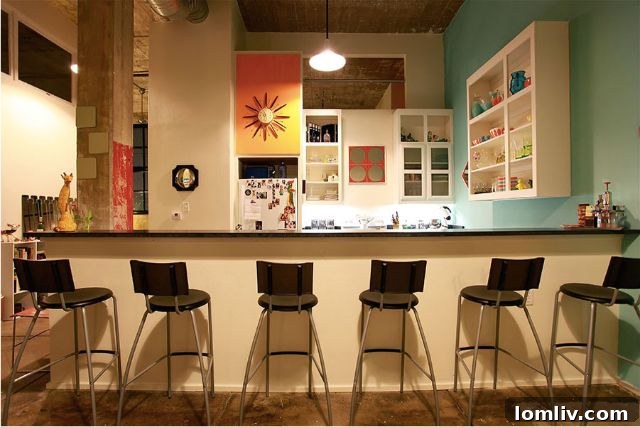
Originally established in 1910 as the Miller Manufacturing Building, this significant structure has been gloriously reborn as the Miller Lofts. Situated gracefully at 311 Bryan Street, these sought-after residences offer a range of one-bedroom and two-bedroom apartments that seamlessly blend industrial aesthetics with contemporary comfort. The developers behind the Miller Lofts project meticulously preserved many of the building’s original elements, ensuring that its century-old legacy resonates through every corner.
Stepping into the Miller Lofts is like stepping back in time, yet with all the conveniences of modern life. Residents are immediately captivated by the authentic details that define these homes: the robust high concrete ceilings and polished concrete floors evoke the building’s industrial past, while exposed pipes add an edgy, urban-chic appeal. The charm is further enhanced by classic claw-foot bathtubs, a nod to vintage luxury, perfectly juxtaposed against the raw, industrial backdrop. Perhaps most striking are the tall, paneled windows that flood each apartment with an abundance of natural light, offering expansive views and connecting residents to the vibrant Bryan Street neighborhood. Living at the Miller Lofts isn’t just about an apartment; it’s about experiencing Fort Worth’s history in a uniquely stylish and comfortable setting.
Supreme Golf Warehouse: From Commerce to Community Hub
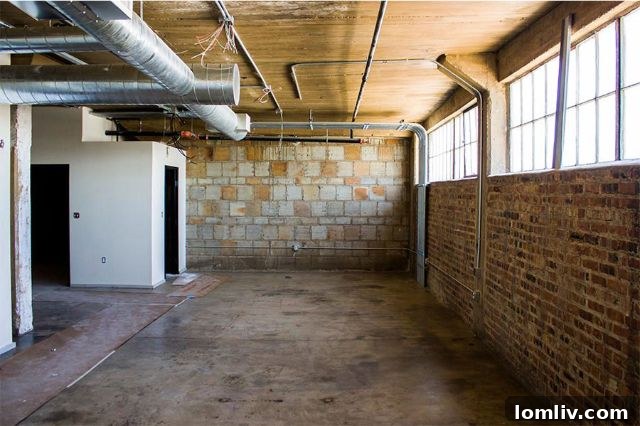
The building now known for its distinctive loft-style apartments and the popular Shipping and Receiving Bar has a rich history dating back to 1913, when it was founded as the Fort Worth Warehouse and Transfer. Later, it transitioned into the Supreme Golf Warehouse Outlet, a commercial hub. Today, this robust structure at 201 South Calhoun Street stands as a shining example of Fort Worth’s adaptive reuse prowess, offering dynamic living spaces that truly celebrate its industrial roots.
The loft-styled apartments within the former Supreme Golf Warehouse are characterized by their expansive open floor plans, which provide a feeling of spaciousness and versatility. These residences proudly feature polished concrete floors, reflecting the building’s sturdy foundation, and strikingly beautiful exposed-brick walls that tell a story of craftsmanship and durability. Echoing a timeless elegance, many units boast classic claw-foot bathtubs, providing a luxurious contrast to the industrial aesthetic. Vintage lighting fixtures further enhance the ambiance, casting a warm glow on the unique textures and finishes. Large, square-shaped gridded windows are a hallmark feature, inviting ample natural light and offering picturesque views of the surrounding urban landscape. Beyond the residential appeal, the inclusion of the Shipping and Receiving Bar within the building has transformed it into a lively community anchor, fostering a vibrant atmosphere for residents and locals alike, making it a true destination in Fort Worth.
Sawyer Grocery Building: Timeless Charm on South Main
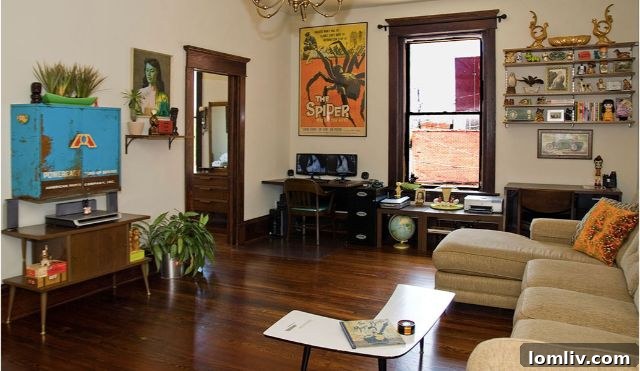
Among the oldest and most historically significant buildings featured in Fort Worth’s adaptive reuse narrative is the Sawyer Grocery Building, which first opened its doors in 1888. Located prominently at 201 South Main Street, this architectural gem underwent a thoughtful and extensive renovation in the early 2000s, transforming it into charming apartments while meticulously preserving its cherished original character. The developers understood the importance of maintaining the building’s historical integrity, ensuring that residents could experience a piece of Fort Worth’s past every day.
The apartments within the Sawyer Grocery Building are a testament to enduring craftsmanship and timeless design. Many units proudly retain their original hardwood floors, which have silently witnessed over a century of Fort Worth’s growth and now add unparalleled warmth and character to each home. Classic wooden cabinets further enhance the historic kitchen aesthetics, providing both functionality and a sense of period authenticity. Consistent with the era’s elegance, the apartments also feature the beloved claw-footed bathtubs, offering a luxurious and nostalgic bathing experience. These preserved details create a living environment that is rich in history and distinct from conventional modern builds. The availability of a 552-square-foot apartment, potentially becoming available for $950 per month, underscores the accessibility of experiencing this unique blend of history and comfortable urban living in the heart of Fort Worth’s revitalized South Main Village.
Markeen Apartments: A Century of Residential Elegance
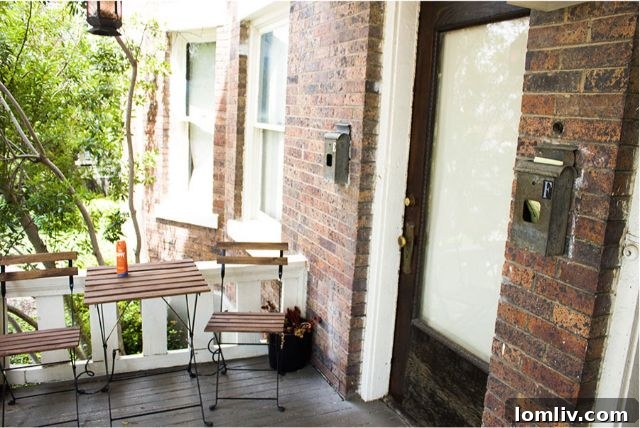
Built in 1909, the Markeen Apartments represent a profound commitment to preserving Fort Worth’s residential history. Located at 405 West Daggett Street (also referenced as 406 W. Daggett Ave in the image caption), these one-bedroom apartments offer a glimpse into early 20th-century urban living, gracefully updated for contemporary comfort. The Markeen stands as an enduring symbol of a bygone era, where architectural details and solid construction were paramount.
The charm of the Markeen Apartments lies in their meticulously preserved original features, which impart an unmatched sense of history and warmth. Residents are treated to the enduring elegance of all-original hardwood floors, doors, and trim, each telling a silent story of over a hundred years of Fort Worth life. These authentic elements create a rich, inviting atmosphere that modern constructions struggle to replicate. Adding to the vintage allure are classic claw-footed bathtubs, offering a touch of nostalgic luxury and a unique aesthetic. Furthermore, the apartments often feature large covered patios and porches, providing private outdoor spaces perfect for relaxation, enjoying the Fort Worth weather, and fostering a sense of community among residents. The Markeen Apartments truly offer a distinctive living experience, allowing occupants to connect with the architectural heritage of the city while enjoying the comforts of a thoughtfully maintained historic residence.
Texas and Pacific Lofts: A Grand Railway Legacy Reimagined
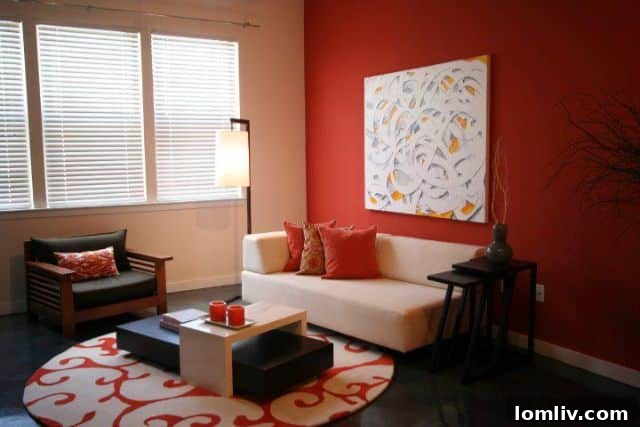
Constructed in 1931, the Texas and Pacific Station building was once a grand railway hub, an architectural masterpiece that served as a vital transportation artery for the region. Today, this iconic structure has undergone a magnificent transformation, reborn as the Texas and Pacific Lofts. Situated proudly at 201 W. Lancaster Avenue (also referenced as 221 W. Lancaster Ave in the image caption), this 12-story high-rise now offers fully restored luxury apartments, representing one of Fort Worth’s most ambitious and successful adaptive reuse projects. The meticulous restoration has breathed new life into the building, preserving its historical essence while integrating state-of-the-art residential amenities.
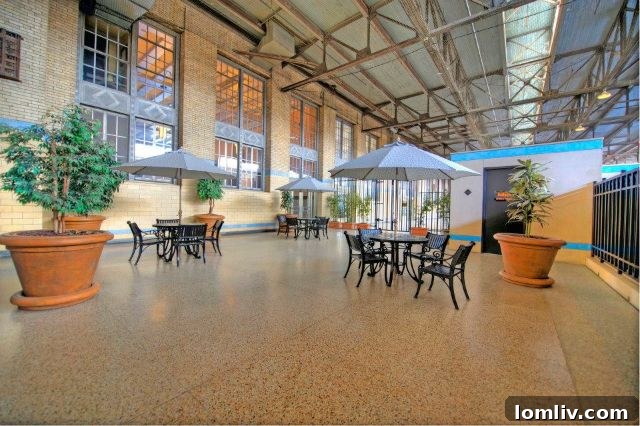
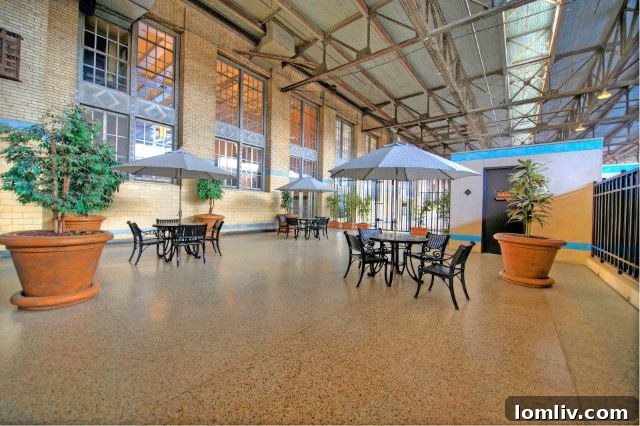
The apartments within the Texas and Pacific Lofts are a celebration of sophisticated design, blending the building’s original grandeur with contemporary loft aesthetics. Residents are greeted by the exquisite original terrazzo flooring, which speaks to the building’s opulent past and adds a touch of timeless elegance. Soaring high ceilings create an expansive and airy feel, enhancing the sense of space and light. The large windows, characteristic of the building’s 1930s design, offer breathtaking views of the Fort Worth skyline and flood the interiors with natural light, creating a bright and inviting atmosphere. Exposed ductwork further contributes to the modern industrial-chic aesthetic, a subtle nod to the building’s functional heritage. With 13 lofts currently available for sale, starting at an accessible $175,000, these residences offer a unique opportunity to own a piece of Fort Worth history, providing a luxurious urban living experience within a truly iconic landmark. The Texas and Pacific Lofts stand as a testament to the power of preservation, offering a vibrant community in a historic setting.
Historic Electric Building Apartments: Powering Modern Urban Living
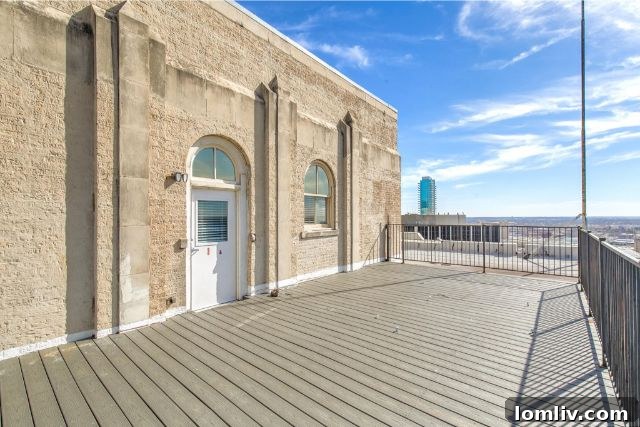
The Historic Electric Building, a prominent fixture in Fort Worth’s urban landscape, was originally constructed in 1927. This impressive 18-story structure, located at 410 West 7th Street, once played a crucial role in the city’s infrastructure and development. Through a visionary transformation led by Robert Bass, the building has been magnificently repurposed into the Historic Electric Building Apartments, creating an iconic residential address that beautifully marries historical gravitas with modern urban living. This project exemplifies how significant industrial structures can be revitalized to serve contemporary community needs.
The apartments within the Historic Electric Building offer an extraordinary living experience, characterized by their unique blend of historic charm and contemporary design. Select units boast expansive open floor plans, providing a sense of spaciousness and flexibility that is highly sought after in urban environments. Echoing the building’s functional past, exposed pipes are thoughtfully integrated into the design, adding an authentic industrial-chic element. A defining feature of these residences are the impressive six-foot historic windows, which not only flood the interiors with an abundance of natural light but also offer panoramic views of Fort Worth’s bustling downtown. Polished concrete flooring further enhances the modern industrial aesthetic, providing a durable and stylish foundation. With five apartments currently available for rent, starting at $1,300, the Historic Electric Building Apartments provide an exceptional opportunity to reside in a landmark building, offering a blend of history, architectural grandeur, and sophisticated urban comfort in a prime Fort Worth location.
Fort Worth’s embrace of adaptive reuse goes beyond mere renovation; it’s a testament to the city’s forward-thinking approach to urban development, sustainability, and cultural preservation. By transforming these magnificent historic structures into dynamic residential spaces, Fort Worth not only honors its rich past but also sculpts a vibrant, character-filled future for its residents. These unique apartments offer more than just a place to live; they offer a lifestyle steeped in history, surrounded by architectural beauty, and connected to the evolving narrative of a thriving city.