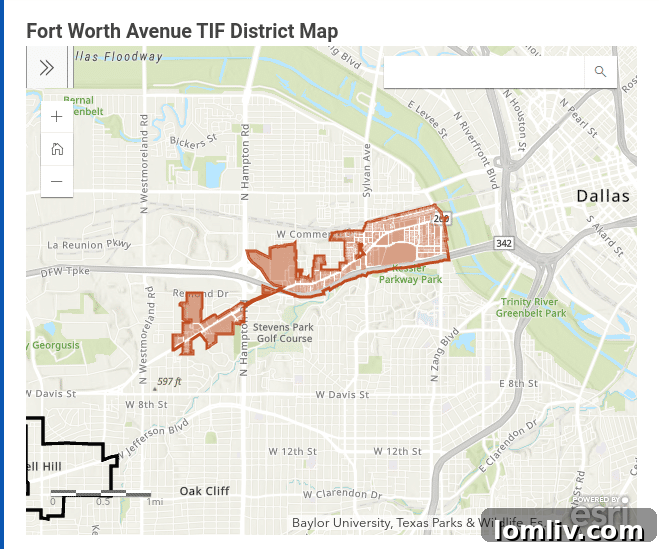
Dallas, a rapidly evolving metropolis, is constantly striving to balance economic growth with community preservation. A key initiative in this endeavor is the proposed expansion of the Fort Worth Avenue Tax Increment Financing (TIF) District. This strategic move aims to add a substantial 372 acres to the existing district, primarily to bolster critical programs focused on homeowner stabilization, essential home repairs, and comprehensive displacement mitigation strategies within this vibrant zone. The expansion is a direct response to the ongoing urban transformation, ensuring that long-term residents and the character of established neighborhoods are safeguarded amidst new development.
The Fort Worth Avenue TIF District, currently spanning approximately 448 acres, is one of 19 such districts instrumental in Dallas’s urban development framework. These districts play a crucial role in fostering economic growth and addressing specific community needs across the city. The proposed expansion is not merely an increase in land area; it represents a deepened commitment to equitable development. City officials have outlined a detailed briefing on the expansion scheduled for Monday, November 6th, before the Dallas Economic Development Committee, where the technical and financial aspects will be thoroughly reviewed. This will be followed by a significant public hearing during the Dallas City Council meeting on Wednesday, November 8th, providing an essential platform for community input and discussion.
Understanding Tax Increment Financing (TIF) Districts
To fully grasp the significance of the Fort Worth Avenue TIF expansion, it’s vital to understand how Tax Increment Financing districts operate. At its core, Dallas’s TIF program is a powerful economic development tool designed to stimulate redevelopment in areas identified as underperforming or needing revitalization. The process begins by pinpointing real estate assets that are not reaching their full economic potential, often characterized by aging infrastructure, vacant lots, or declining property values. Once identified, a comprehensive redevelopment plan is crafted for the district, outlining specific goals, project priorities, and a vision for future growth.
The ingenuity of a TIF district lies in its funding mechanism. When a TIF district is established, a “base value” of property taxes is set for all properties within its boundaries. As new development and redevelopment occur, the property values within the district typically increase. The “tax increment” refers to the additional property tax revenue generated from this increase in value above the initial base. Instead of these additional revenues going into the general city fund, a portion is specifically reinvested back into the TIF district itself. This self-sustaining cycle provides a dedicated funding source for infrastructure improvements, public amenities, and other projects outlined in the redevelopment plan, thereby incentivizing private developers to invest in these areas and fostering continued growth.
The benefits of a well-managed TIF district are multifaceted. They can spur economic revitalization, attract new businesses, create job opportunities, and enhance the overall quality of life for residents through improved public services and infrastructure. By leveraging private investment with targeted public funds, TIFs aim to transform neglected or underdeveloped areas into vibrant, productive communities. However, the program also requires careful planning and oversight to ensure that development benefits all segments of the community and aligns with broader city-wide goals for sustainable and equitable growth.
Geographic Scope and Strategic Objectives of the Expansion
The proposed expansion of the Fort Worth Avenue TIF District is meticulously planned to encompass key areas ripe for revitalization and in need of focused community support. According to an October 20th memorandum from Assistant City Manager Majed Al-Ghafry, the expansion will significantly increase the district’s geographical footprint. The new boundaries will extend westward along prominent thoroughfares such as West Commerce Street and Singleton Boulevard, reaching west of North Hampton Road, primarily extending towards Manila Road. Furthermore, the expansion strategically incorporates properties situated north of Fort Worth Avenue and south of Remond Drive, located east of North Hampton Road. This carefully delineated expansion aims to capture areas with high potential for redevelopment while simultaneously addressing pressing social and economic needs.
In addition to the expanded boundaries, several crucial amendments to the Fort Worth Avenue TIF district’s operational framework are proposed to enhance its effectiveness and responsiveness to community demands. These include:
- Maintaining 70 percent city participation: This commitment ensures a robust financial contribution from the city through the remaining term of the TIF district, signaling strong municipal backing for its objectives and providing stability for long-term projects. This level of participation is critical for ensuring that public priorities are adequately funded and that the city maintains significant influence over the direction of development within the district.
- Redefining and reallocating budget categories: This amendment is designed to optimize how TIF funds are spent, allowing for greater flexibility and targeting of resources towards the most pressing needs, particularly those related to housing and community well-being. It enables the district to adapt to evolving urban challenges and opportunities.
- Making corresponding modifications to the TIF district’s boundary and plan: These modifications are essential to formally integrate the expanded areas and align the district’s strategic plan with the new geographical scope. This ensures that the redevelopment goals and financial allocations are cohesive across the entire expanded area, creating a unified vision for growth and community support.
These amendments collectively aim to create a more agile and impactful TIF district, capable of addressing the complex interplay between urban development and community welfare in a rapidly changing Dallas landscape.
Addressing Community Needs and Redevelopment Potential
Perhaps the most significant aspect of the proposed amendments, as highlighted by Al-Ghafry, is the expansion of the affordable housing budget category. This crucial change will allow TIF district funds to be utilized for vital homeowner stabilization programs, necessary home repair initiatives, and robust displacement mitigation efforts. Critically, these efforts will not be confined solely to within the TIF district boundaries but can also extend to surrounding areas directly impacted by its development. This broader reach acknowledges the ripple effect of urban revitalization and seeks to protect vulnerable communities from the unintended consequences of rapid growth.
This focus on community preservation is particularly vital for the Fort Worth Avenue area. As Al-Ghafry emphasized, rapid redevelopment is already a palpable reality in and around older, established neighborhoods situated along Singleton Boulevard. While economic growth is desirable, it often brings the risk of gentrification, leading to increased property values and taxes that can price out long-standing residents. By earmarking TIF funds for homeowner support, Dallas aims to create a more inclusive growth model, allowing existing residents to benefit from the area’s revitalization without being forced out of their homes.
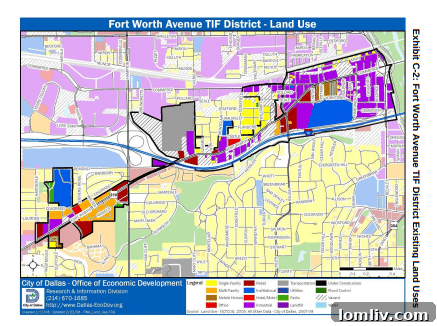
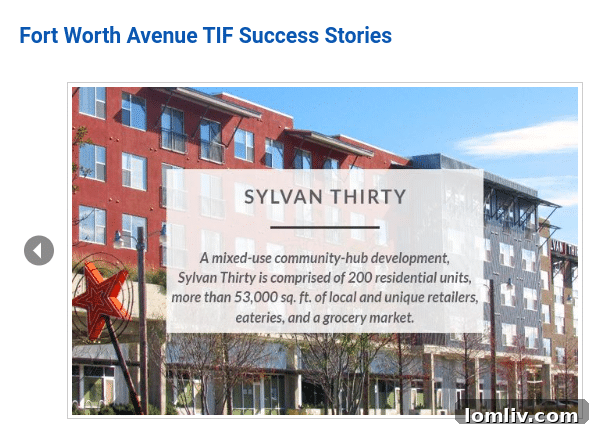
Beyond residential preservation, the expansion also strategically targets areas ripe for transformative redevelopment. Al-Ghafry’s memo points to “obsolete industrial and warehouse sites along West Commerce and throughout the proposed expansion area” that are becoming increasingly attractive for conversion into residential uses. These sites, while offering immense potential, typically require significant infrastructure upgrades and site work—challenges that often deter private developers without public assistance. With the proposed amendments, the TIF district would be empowered to provide crucial assistance for these redevelopment projects. This includes supporting initiatives on currently vacant or underutilized properties, some of which are already seeking TIF funding. Specifically, parcels along West Commerce Street are identified as prime candidates for conversion from their current industrial use to vibrant mixed-income housing developments and boutique office spaces, fostering a more dynamic and diverse urban environment.
The amendments are also designed to provide increased funding capacity for broader district-wide initiatives. This encompasses substantial public infrastructure improvements, such as upgrades to roads, utilities, and public transport networks, as well as enhancements to public facilities like parks, community centers, and green spaces. These improvements are not just about facilitating new development; they are about enhancing the overall quality of life for all residents, making the district more livable, accessible, and attractive. By investing in these foundational elements, the TIF district aims to create sustainable value and foster long-term prosperity, ensuring that growth is equitable and benefits the entire community.
The Path Forward: Public Hearing and Implementation
The initial steps towards realizing this ambitious expansion have already been taken. During an October 25th meeting, members of the Dallas City Council unanimously approved the date for the public hearing. This swift and unanimous decision, reached without extensive discussion, indicates a strong consensus among council members regarding the importance and necessity of the proposed TIF district expansion and its underlying objectives. It suggests a shared vision for the revitalization of the Fort Worth Avenue corridor and a recognition of the urgent need for measures to support existing communities.
The upcoming public hearing on November 8th will serve as a critical juncture, offering Dallas residents, businesses, and stakeholders a vital opportunity to voice their perspectives, concerns, and suggestions regarding the expansion. Community engagement is paramount in such large-scale urban planning initiatives, ensuring that the final plan reflects the needs and aspirations of those most directly affected. Following the public hearing and any subsequent deliberations, the Dallas City Council will cast a final vote on the proposed expansion and amendments. Should it pass, the implementation phase will begin, marking a significant step towards creating a more resilient, equitable, and economically vibrant Fort Worth Avenue TIF District for Dallas.