For decades, Fort Worth has often found itself in the shadow of its larger, more prominent sibling, Dallas. The sprawling Dallas-Fort Worth metroplex is frequently referred to as “D-FW,” yet the “FW” part often gets overlooked. Common misconceptions abound, from the location of major sports venues like the Texas Motor Speedway (often mistakenly placed in Dallas) to the upbringing of Fort Worth-born celebrities like Larry Hagman, who despite his iconic role in the TV show Dallas, had stronger roots in Cowtown.
However, this narrative is shifting dramatically. In a surprising turn of events, Fort Worth is finally stepping into the limelight, earning well-deserved recognition that highlights its unique charm and vibrant growth. This year, the city once known primarily as Cowtown is having the last laugh, securing a prestigious top spot that redefines its image and appeal.
Fort Worth Emerges as Texas’s Top Livable City
In a comprehensive study conducted by Better Homes and Gardens Real Estate HomeCity, Fort Worth proudly claimed the No. 1 position on a list of 10 North Texas cities, all of which ranked among the top 25 best places to live in the entire state. This remarkable achievement is particularly significant given Fort Worth’s historical second-fiddle status, marking a pivotal moment in its journey toward greater prominence.
The study employed a rigorous, objective methodology, incorporating a diverse range of criteria to assess overall livability. Data from authoritative sources such as the U.S. Census Bureau provided insights into population dynamics and demographic trends, while statistics from the FBI shed light on public safety and crime rates. Furthermore, information from the Trust for Public Land contributed to an understanding of green spaces, parks, and recreational opportunities, all crucial factors in evaluating a city’s quality of life. Using this robust framework, Fort Worth distinguished itself, surpassing even perennial frontrunners like Plano, which typically dominates such rankings. Dallas, by contrast, landed further down the list at eighth place, further underscoring Fort Worth’s impressive rise.
The remaining cities in the top North Texas rankings featured a familiar lineup, reflecting the region’s overall appeal: Frisco secured fourth place, followed by Irving at sixth, McKinney at 11th, Arlington at 16th, Garland at 17th, Denton at 23rd, and Mesquite at 24th. While these cities consistently offer attractive living conditions, Fort Worth’s ascendancy to the pinnacle was a genuine surprise to many.
A Shift in Perspective: Why Fort Worth Now?
Alexander Pfirrmann, the author of the insightful study, openly admitted his astonishment at Fort Worth’s top ranking. “Yes, Fort Worth taking the top spot was definitely a surprise,” he stated. Pfirrmann explained that in his extensive research, reviewing numerous other city rankings, Plano and Frisco consistently held the highest positions, primarily due to their exceptionally high median household incomes. Fort Worth, in his experience, had never before achieved the coveted No. 1 spot.
Pfirrmann, a Texas native, offered compelling theories behind Fort Worth’s historical exclusion from the top tiers of such lists. He posited that many previous rankings are often compiled by individuals who do not reside in Texas, leading to a potentially skewed perspective that overlooks the nuanced realities and authentic experiences of Texans. “In my study,” Pfirrmann elaborated, “I tried to take a holistic approach to the methodology and let the numbers guide me. I created an objective formula that removed as much opinion as possible and then rolled with the results the formula generated.” This commitment to objective data and a comprehensive evaluation process allowed Fort Worth’s true strengths to emerge, unclouded by external biases or superficial impressions.
For prospective home shoppers, Pfirrmann emphasized that Fort Worth now demands a distinctly different consideration than Dallas. He characterized Dallas as “the more established, mature city whose growth is beginning to stagnate and whose density is beginning to influence its big city feel.” In contrast, he described Fort Worth as “the higher growth, younger city whose rise is still in the works and whose best days are still ahead.” This distinction highlights Fort Worth’s dynamic potential, offering a fresh, evolving urban experience compared to its more established counterpart.
Deep Dive into Fort Worth’s Appeal: Growth, Affordability, and Lifestyle
HomeCity, an Austin-based real estate firm known for its extensive network of agents and online listings, meticulously analyzed various factors contributing to quality of life. Their deep dive into the numbers included metrics such as affordability, growth rates, the culinary scene, and the abundance of parks. Among these, two statistics particularly caught Pfirrmann’s attention: Fort Worth’s impressive population growth and its notably lower crime rates.
Pfirrmann revealed that Fort Worth’s population is expanding at nearly double the rate of Dallas, boasting an annual growth rate of 22.1 percent compared to Dallas’s 12.2 percent. This robust growth signifies a vibrant, attracting economy and a desirable living environment. Equally compelling are the public safety statistics. According to the FBI Crime Database, in 2018, Fort Worth reported 520 violent crimes per 100,000 residents, a stark contrast to Dallas’s significantly higher rate of 803 per 100,000 residents. These figures underscore Fort Worth’s commitment to creating a safe and thriving community, a critical factor for any potential resident.
It’s worth noting that even in broader regional discussions, Fort Worth sometimes struggles for distinct recognition. For instance, in its synopsis of the ranking, HomeCity mentioned Dallas as home to one of the world’s busiest airports. While technically true for the Dallas/Fort Worth International Airport (DFW), it’s crucial to clarify that DFW spans portions of both Tarrant and Dallas counties. Downtown Fort Worth is actually closer to the airport, approximately 20 miles away, compared to Downtown Dallas at 23 miles. This geographical nuance often gets overlooked, once again demonstrating how Fort Worth’s identity can be subtly overshadowed.
The Real Estate Perspective: Unbeatable Value and Rich Experiences
Rusty Hall, a seasoned real estate agent with Century 21 Judge Fite, has witnessed Fort Worth’s evolution firsthand, having resided there for the majority of his 60 years. He readily confirms that the city’s appealing cost of living is a major draw for home shoppers, particularly those relocating from other states. “Compared to the East and West coasts, they’re saving a lot of money — the housing prices are incredible bargains for people,” Hall explains. This affordability, coupled with a high quality of life, positions Fort Worth as an exceptionally attractive option for those seeking greater value without compromising on amenities or lifestyle.
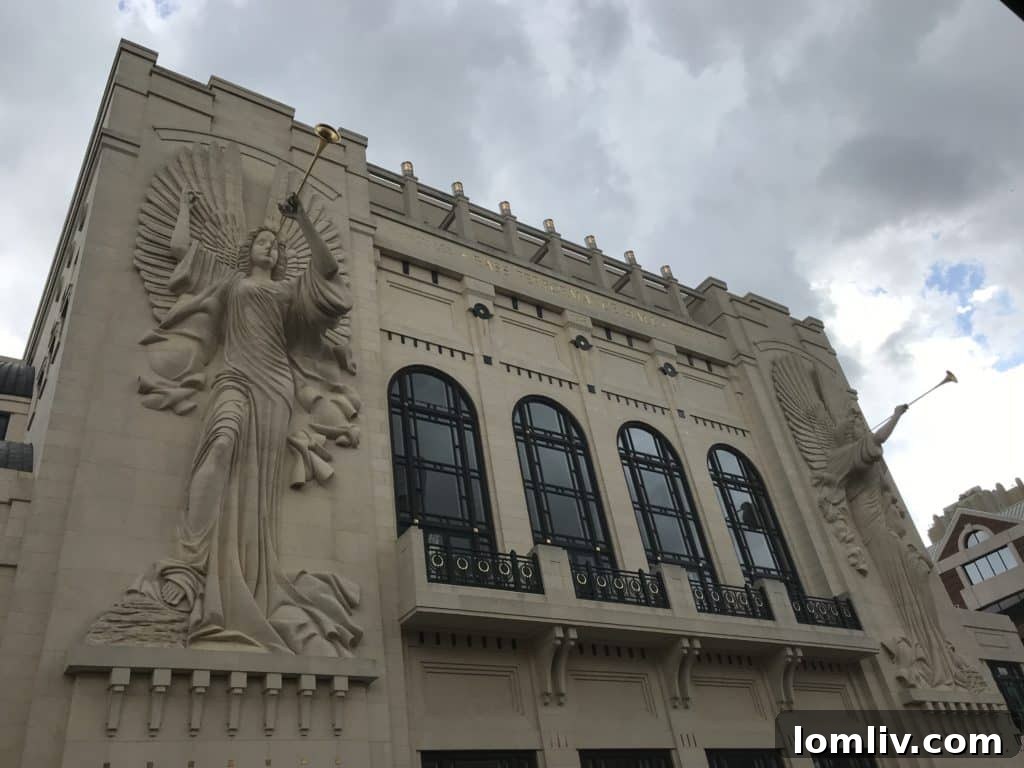
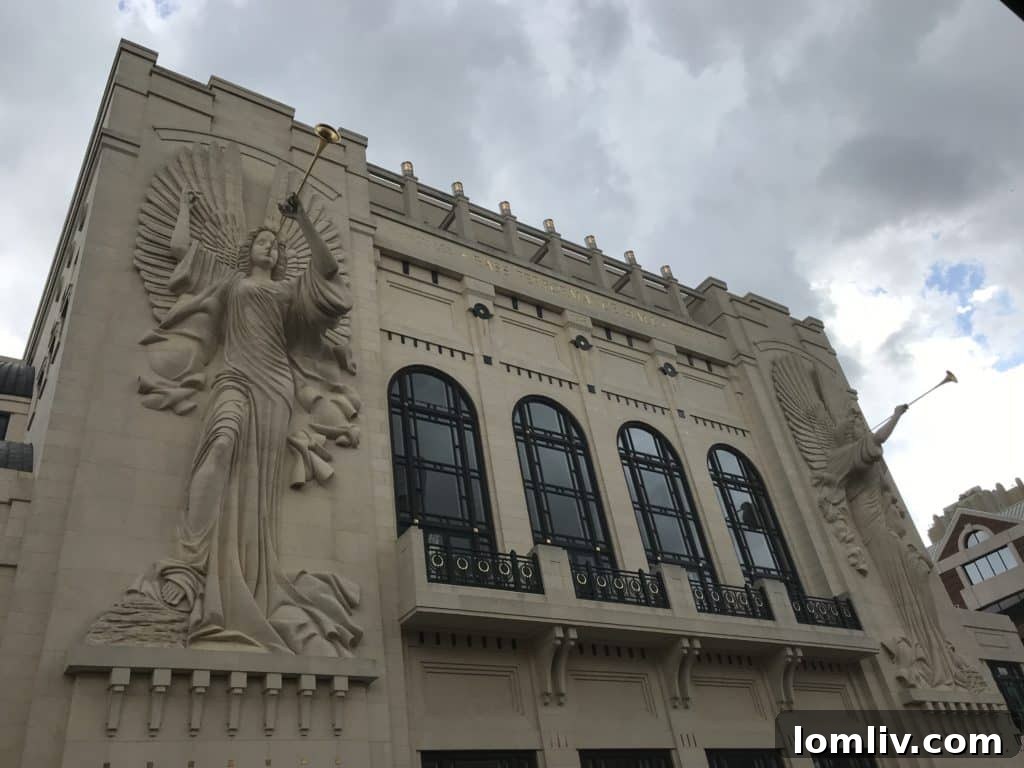
Beyond the financial advantages, Hall enthusiastically points to the sheer abundance of activities and attractions that enrich life in Fort Worth. Within a mere 30-minute drive, residents have access to both professional and collegiate sports teams, offering thrilling entertainment year-round. Lake recreation opportunities are plentiful, providing avenues for boating, fishing, and water sports. The city also boasts a thriving arts and culture scene, anchored by institutions like the magnificent Bass Performance Hall, world-class museums in the Cultural District, and numerous galleries and theaters. Furthermore, DFW International Airport’s strategic location ensures that residents can fly to virtually any destination in the U.S. in 3.5 hours or less, making both domestic and international travel remarkably convenient.
A true gem of Fort Worth is the historic Stockyards National Historic District, an attraction that Hall describes as making visitors “feel like you’ve gone back in time.” Here, the city’s rich Western heritage comes alive with daily cattle drives, rodeos, authentic saloons, and unique shopping experiences. This blend of historic preservation and modern entertainment contributes to Fort Worth’s unique character. Hall perfectly encapsulates the city’s appeal: “It’s a big city, but it still has a small-town feel.” This distinctive balance of urban amenities with a friendly, community-oriented atmosphere is a key component of Fort Worth’s allure.
For those interested in delving deeper into the methodology and full rankings of the study, additional information is available here.
Debunking Retirement Myths: Dallas and the Cowboys Controversy
While Fort Worth celebrates its newfound recognition, other Texas cities also make national headlines, albeit sometimes with inaccuracies. For instance, Forbes recently included Dallas on its list of the 25 best cities to retire in the U.S. Forbes cited several compelling reasons for Dallas’s inclusion, many of which are common selling points for North Texas cities in such rankings: a relatively low median home price, the absence of state income tax, and no estate taxes. Additionally, Forbes highlighted Dallas’s vibrant cultural activities and venues, favorable climate, and acceptable air quality as positive factors for retirees. San Antonio was the only other Texas city to make this prestigious list.
Forbes’s comprehensive analysis compared over 750 U.S. locales, evaluating a broad spectrum of factors vital to retirees, ranging from housing costs and tax burdens to healthcare access and environmental quality. While the general criteria were sound, a significant factual error marred the otherwise credible ranking: Forbes incorrectly stated that Dallas is the home of the Dallas Cowboys. This is a common misconception, but for a publication of Forbes’s stature, it’s a notable oversight. In reality, the Dallas Cowboys franchise officially lists its physical address as Frisco, Texas, where its state-of-the-art practice facility, The Star, is located. Furthermore, the team plays all its home games at AT&T Stadium, which is situated in Arlington, not Dallas. Such inaccuracies, while seemingly minor, can misinform prospective retirees who rely on detailed, precise information when making life-altering decisions about where to settle.
Navigating the DFW Housing Market: August Sales Data Insights
The Dallas-Fort Worth-Arlington area’s housing market presented a mixed bag of news in August, according to recent median home sales data. Analyzing these trends offers crucial insights for both buyers and sellers in the region.
Good News and Areas for Consideration
First, the positive development: Realtor.com reported that the area’s median home listing price climbed to an impressive $360,000. This figure not only represents a robust market but also surpasses the nationwide median listing price of $350,000, indicating strong demand and value in the DFW region.
However, the good news comes with a caveat. While the market’s median home sales listing price saw a respectable increase of 3.5 percent compared to the previous year, this growth lagged behind the national average, which surged by a substantial 10 percent. The national increase itself was particularly noteworthy, marking the largest year-over-year jump in 15 years, according to Realtor.com. This disparity suggests that while DFW’s market is healthy, it might not be experiencing the same rapid acceleration seen in other parts of the country.
Comparing DFW to other major Texas metropolitan areas further highlights these regional differences. The Austin-Round Rock area, for instance, experienced an even more dramatic increase in listing prices, rising by 10.7 percent over the last year. San Antonio also saw a healthier boost of 5.9 percent, and Houston’s market grew by 5.3 percent. These variations underscore the diverse dynamics at play across different Texas cities, influenced by local job markets, population influx, and inventory levels.
A significant challenge facing the DFW market is the drastic reduction in housing inventory. Realtor.com reports indicate that August home sales inventories in the DFW area plummeted by more than 40 percent compared to a year ago. This sharp decline in available homes creates a highly competitive environment for buyers, often leading to bidding wars and homes selling quickly above asking prices. For sellers, however, it means a potentially lucrative market with strong demand for their properties.
Further Real Estate & Livability Insights Across Texas
Beyond the primary discussions, several other noteworthy trends and reports offer a broader picture of Texas’s real estate and livability landscape:
- Zillow Weekly Market Report (DFW): According to Zillow’s latest report, newly pending sales in DFW are up an impressive 26.2 percent compared to last year, signaling robust buyer activity. However, new listings are down 13.1 percent, and total inventory has decreased by 28.1 percent from a year ago. This continued imbalance between supply and demand is accelerating market velocity: homes that sold went under contract after an average of just 23 days, an astonishing 11 days faster than the previous year. The median list price has also increased by 4.2 percent year-over-year, reaching $359,400.
- Most Livable State Capitals (SmartAsset): While Texas boasts thriving metropolises, its capital city, Austin, experienced a slip in SmartAsset’s 2020 list of “Best State Capitals to Live In.” Austin fell from eighth to 13th place. This ranking considered crucial factors such as median income after housing costs, the May 2020 unemployment rate, the concentration of dining and entertainment establishments, and both violent and property crime rates. Austin ranked just below Santa Fe, N.M. Notably, the capitals of states bordering Texas fared even worse: Oklahoma City ranked 47th, Little Rock, Ark., 49th, and Baton Rouge, La., 50th, highlighting the comparative strength of Texas’s urban centers.
- Hottest ZIP Codes (Realtor.com): Ever wonder which ZIP codes are the most competitive in the nation? Realtor.com determines “hottest” based on the speed at which properties sell and how frequently homes are viewed online. Only two Texas cities made the top 50 nationally: Grand Prairie (75050) secured a strong position at No. 27, demonstrating its rapidly growing appeal. Austin (78749) also made the list at No. 38, further solidifying its reputation as a highly desirable, albeit competitive, market.
- National Realtor Safety Month: September is designated as National Realtor Safety Month, an initiative promoted by the National Association of Realtors (NAR). NAR is actively championing safety awareness protocols for real estate agents across the country. They provide valuable resources, including webinars and other safety materials, on their website to ensure the safety and professionalism of real estate transactions for agents and clients alike.