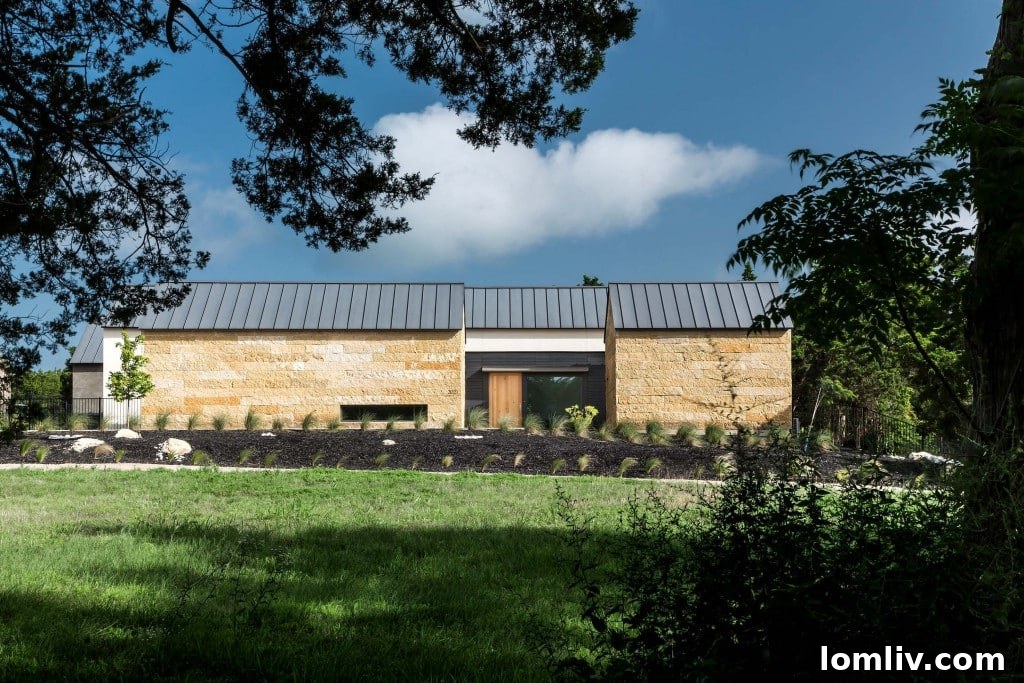
Fort Worth AIA Design Awards: Celebrating Architectural Excellence in North Texas
North Texas’ vibrant architectural landscape recently converged at the iconic Modern Art Museum of Fort Worth, where the local chapter of the American Institute of Architects (AIA Fort Worth) hosted its annual design awards ceremony. This esteemed event honored the region’s most innovative and impactful architectural projects, recognizing nine outstanding designs that spanned a diverse range of categories, from transformative educational institutions and dynamic non-profit theaters to exquisitely crafted private residences. The awards not only highlight the exceptional talent within the Fort Worth architectural community but also underscore the profound influence of thoughtful design on our built environment and urban development.
The ceremony brought together leading architects, design enthusiasts, and community leaders to celebrate creativity, sustainability, and functionality in architecture. Each awarded project demonstrates a commitment to pushing the boundaries of design while addressing critical needs and aspirations within the community. The careful consideration of site, materials, and purpose in these winning designs serves as an inspiration, showcasing how architecture can shape experiences, enhance communities, and leave a lasting legacy for future generations. These projects exemplify the highest standards of architectural practice, making a significant contribution to the built fabric of Fort Worth and beyond.
Honoring Design Excellence: The Prestigious Awards Categories
The Fort Worth AIA Design Awards are carefully segmented into distinct categories to recognize varying levels of achievement and project types, reflecting the multifaceted nature of architectural practice. This year, the highest accolades, the Top Honor Awards, were deservedly bestowed upon three distinguished architects: Greg Ibañez, Tommy Stewart, and Norman Ward. Their projects stood out for truly exemplifying architectural brilliance, innovation, and a profound impact on their respective contexts.
In addition to these apex recognitions, four highly competitive Merit Awards were presented. An impressive three of these noteworthy awards went to the prolific VLK Architects, acknowledging their consistent quality and significant contributions across multiple design fronts within the region. Greg Ibañez also secured a Merit Award, further cementing his reputation for outstanding design and versatility in his practice.
The awards program also included two coveted Studio Awards, specifically designed to celebrate emerging talent, innovative concepts, and forward-thinking architectural investigations. These were awarded to Bart Shaw Architect and Marta Rozanich of Konstrukcio Studio, highlighting their distinct creative perspectives and promising new directions in contemporary architecture. These awards recognize projects that may be conceptual or still in their early stages but demonstrate significant potential and originality.
The Esteemed Jury and Their Rigorous Selection Process
Overseeing the meticulous and comprehensive selection process was an exceptionally qualified jury, tasked with the challenging responsibility of evaluating a diverse pool of 31 entries. This year’s esteemed panel comprised eminent architectural figures from across the nation, ensuring a broad, impartial, and expert perspective on all submissions:
- Randy Brown of Randy Brown Architects in Omaha, Nebraska, served as the distinguished jury chair. He brought a wealth of experience, a critical eye, and a deep understanding of architectural innovation to the forefront of the evaluation.
- Emily Little of Clayton & Little in Austin, Texas, known for her contextually sensitive and sustainable designs, offered invaluable insights into regional appropriateness and environmental responsibility.
- Bill Aylor of Lake Flato Architects in San Antonio, Texas, contributed his extensive expertise in environmentally sensitive and regionally inspired architecture, particularly focusing on design that responds thoughtfully to its climate and site.
The jury operated with complete autonomy, granted the freedom to award as many projects as they deemed truly merited. This approach emphasized quality, innovation, and impactful design over a predetermined number of winners, ensuring that only the most exemplary designs received this prestigious recognition. Their discerning evaluation criteria focused on design excellence, functionality, sustainability, and the positive contribution each project made to its users and community.
Spotlight on the Top Honor Award Winners: Exemplary Architectural Achievements
The projects recognized with the Top Honor Awards represent the pinnacle of architectural achievement in North Texas and beyond. Each of these winning designs tells a compelling story of design ingenuity, resourceful problem-solving, and a deep understanding of human needs and aspirations, serving as benchmarks for excellence in the field.
Amphibian Stage Productions: A Transformative Urban Oasis by Greg Ibañez
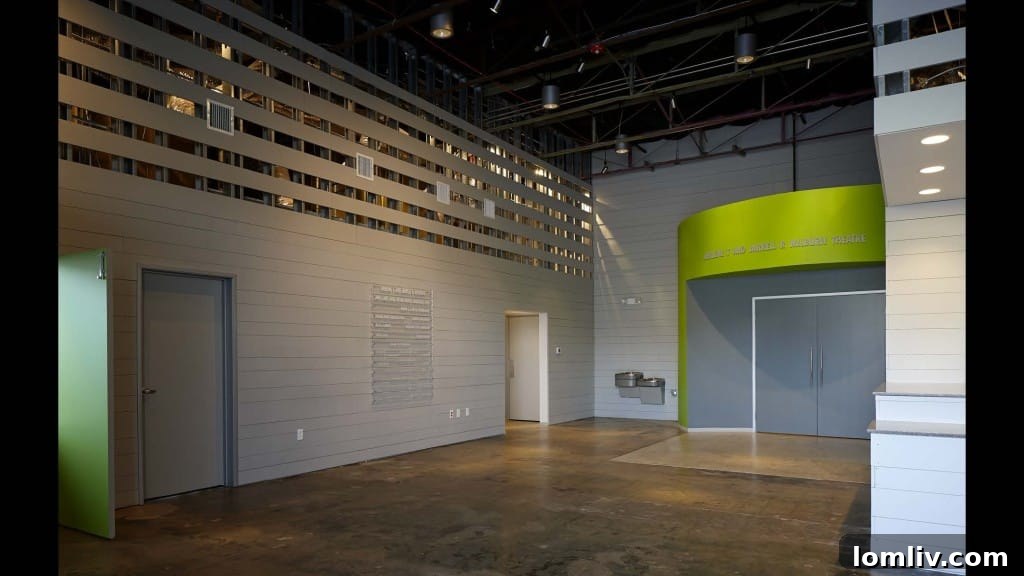
Greg Ibañez of Ibañez Architecture received a well-deserved Honor Award for his remarkable work on Amphibian Stage Productions. This project stands out not only for its innovative design but also for its profound civic and community spirit. Located in Fort Worth’s rapidly developing South Main Street area, the project involved the ingenious conversion of half of a former nightclub into a vibrant, modern performance space for a small theatre company renowned for its contemporary and often unconventional work. What makes this achievement even more extraordinary is that Ibañez generously provided his architectural services pro bono, demonstrating a deep commitment to fostering the arts and catalyzing urban revitalization.
The design tackled the significant challenge of creating a high-quality theatrical venue with an exceptionally constrained budget. By employing resourceful strategies and leveraging readily available, cost-effective materials, such as cement board siding, drywall, donated carpet, ceiling tiles, and generic light fixtures sourced even from local suppliers like Home Depot, the project was completed for an astonishingly low cost of just $50 per square foot. This exemplifies how architectural ingenuity, when coupled with a clear vision and a commitment to efficiency, can overcome severe financial limitations to deliver impactful and aesthetically pleasing results, setting a new standard for adaptive reuse projects.
Jury chair Randy Brown lauded Ibañez’s design, telling the Fort Worth Star-Telegram, “I admired the clarity and thought that went into every wall and every detail with very little money to spend.” This powerful comment underscores the project’s resounding success in achieving sophisticated design and functionality through intelligent, budget-conscious solutions, positioning it as a benchmark for adaptive reuse and community-driven architecture that truly makes a difference.
Cévérine School: A Beacon of Hope and Learning in Haiti by Tommy Stewart
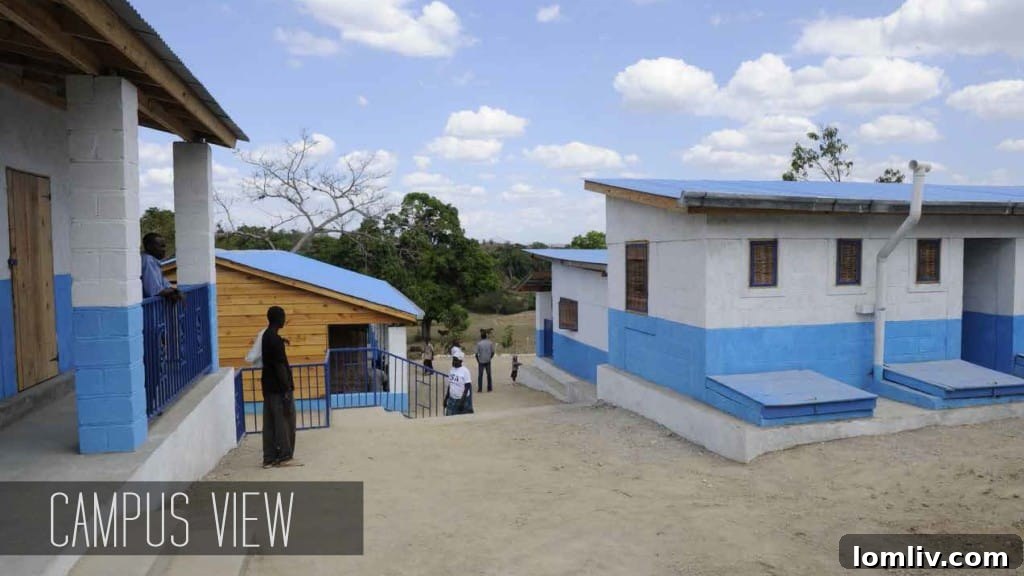
Tommy Stewart, representing Architecture West and Architecture for Humanity, was rightfully honored with a top award for his poignant and profoundly impactful design of the Cévérine School, located outside Maissade, Haiti. This project is a powerful testament to the transformative power of architecture as a tool for social good and robust community development, especially in resource-scarce and challenging environments. The collaborative effort involved key team members Eric Cesal, Regional Program Manager, and Darren Gill, RIBA Architect of Record, both based in Port au Prince, Haiti. The undertaking was further supported by esteemed clients Save the Children and Stiller Strong, whose unwavering commitment to education in Haiti made this vital project possible and sustainable.
The construction of the Cévérine School ingeniously leveraged readily available local materials and relied heavily on the invaluable contributions of community volunteers. This participatory approach not only made the project economically feasible but also fostered a deep sense of ownership, pride, and collective responsibility among the local population, ensuring its long-term success. The design principles were thoughtfully centered on sustainability, resilience against natural elements, and creating an optimal, inspiring learning environment despite significant resource constraints. It represents a model of responsible and empathetic architectural practice.
Emily Little, a distinguished jury member, expressed profound admiration for the project, sharing with the Star-Telegram, “This project was very touching on so many levels, to see what they started with, and what they ended with, it made your heart sing. There were submissions that talked about how architecture was going to help the community, but this project was so far above the others. This was the most amazing project we saw today.” Her emotional and heartfelt comments powerfully highlight the school’s transformative impact and its exemplary model for socially conscious and humanitarian architecture.
Huynh Residence: A Masterpiece of Residential Design by Norman D. Ward
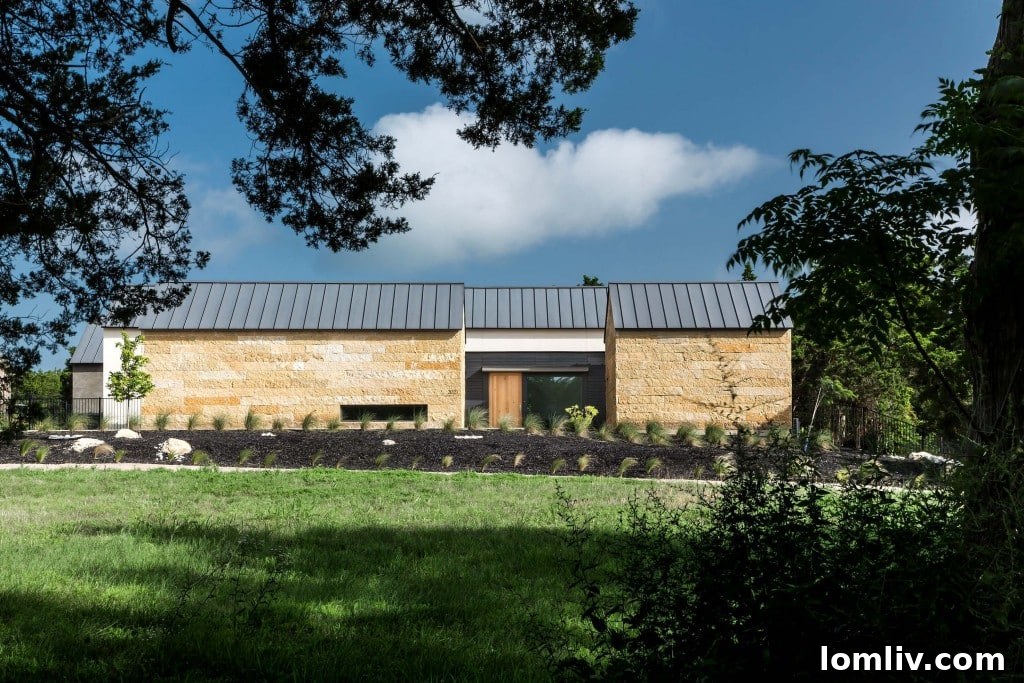
Norman D. Ward received a coveted Honor Award for the exquisite Huynh Residence, a collaborative project developed alongside Ernest Curry architects. This private home captivated the jury with its sophisticated design, masterful use of materials, and seamless integration with its natural surroundings. The Huynh Residence stands as a prime example of how residential architecture can transcend mere functionality to become a timeless work of art, enhancing the daily lives of its inhabitants through thoughtful spatial arrangements, aesthetic beauty, and a deep connection to its site.
The design of the Huynh Residence demonstrates a profound appreciation for meticulous detail and masterful composition. The southeast-facing entry courtyard, elegantly enclosed on three sides, creates a welcoming, intimate, and private arrival sequence. This enclosure is thoughtfully articulated by two stone veneer bedroom pavilions and an entry wall artfully sheathed in a cypress rain screen, showcasing a harmonious blend of natural textures and modern architectural elements. The careful selection and precise placement of these high-quality, durable materials contribute significantly to the home’s timeless elegance and regional character, offering both enduring beauty and practical resilience.
Jury member Emily Little was particularly struck by the residence’s exceptional design, stating, “There were a lot of really nice houses submitted this year, but this project rose up to the top right away. The simplicity of the detail, the absolute sublime use of materials and placement, it was a beautifully composed project.” Her insightful praise unequivocally underscores the Huynh Residence’s exceptional quality, highlighting how its understated elegance, precise execution, and thoughtful material palette collectively set it apart in a highly competitive field of residential submissions.
Merit and Studio Awards: Recognizing Diverse Architectural Contributions
Beyond the top honors, the Fort Worth AIA Design Awards also celebrated other significant contributions to architecture through its Merit and Studio Award categories, showcasing the impressive breadth of talent and innovation across North Texas and its architectural community.
VLK Architects: Multiple Merit Award Winners for Public and Adaptive Reuse Projects
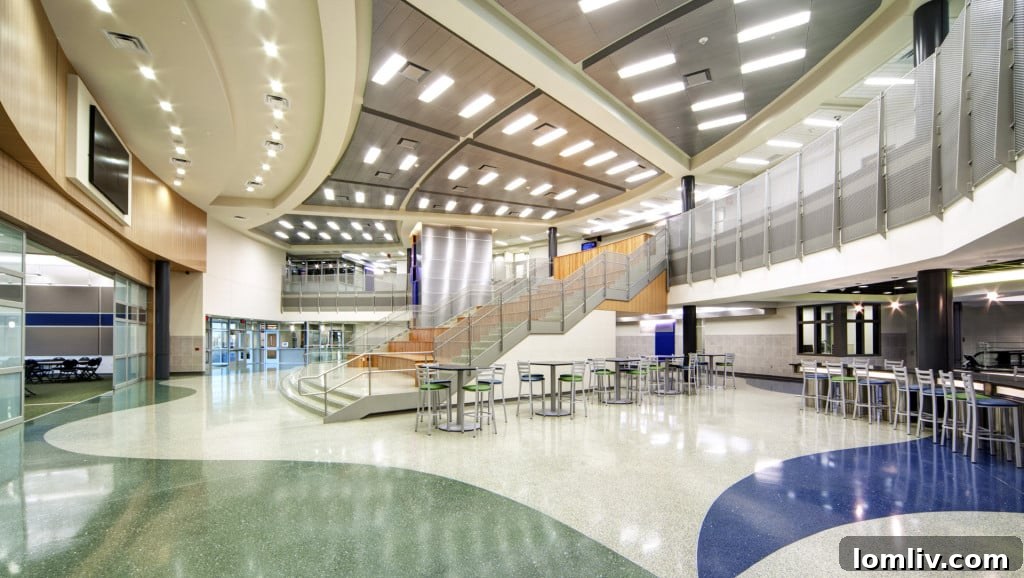
VLK Architects garnered an impressive three Merit Awards, underscoring their consistent excellence, innovative problem-solving, and remarkable versatility across various design typologies. Among their highly recognized projects was the Hollenstein Career and Technology Center, an cutting-edge educational facility meticulously designed to equip students with essential skills for future careers in a rapidly evolving job market. This project brilliantly exemplifies VLK’s expertise in creating functional, inspiring, and technologically advanced learning environments that seamlessly serve the evolving needs of modern educational institutions, fostering growth and innovation.

Another notable Merit Award went to VLK Architects for their innovative and highly successful transformation of Near South Studios. This ambitious adaptive reuse project saw a former cheese warehouse from the 1940s repurposed into a cutting-edge contemporary film and video production suite. This project not only meticulously preserved a valuable piece of Fort Worth’s industrial heritage but also breathed new, dynamic life into an old structure, creating a highly functional and aesthetically pleasing space that meets the demanding technical and creative requirements of modern media production. It stands as a powerful testament to sustainable design practices and the immense creative potential within existing urban fabric.
The third Merit Award for VLK Architects further highlights their broad impact across various sectors, though specific details of this particular project were not provided in the initial brief. Nevertheless, their multiple recognitions firmly establish VLK Architects as a powerhouse of innovative and impactful design within the dynamic North Texas architectural community, demonstrating their capacity for excellence across a diverse portfolio.
Studio Awards: Recognizing Emerging Visionaries and Pioneering Concepts
The Studio Awards acknowledged promising architectural concepts and celebrated the innovative spirit of rising talents who are poised to shape the future of design. Bart Shaw Architect was recognized for their visionary work, consistently demonstrating a forward-thinking and experimental approach to architectural challenges. Similarly, Marta Rozanich of Konstrukcio Studio received a prestigious Studio Award, celebrating her distinct creative perspective, original conceptual thinking, and significant potential to introduce groundbreaking ideas into the architectural discourse. These awards foster innovation and support the development of fresh perspectives within the profession.
The Enduring Impact of Architectural Excellence in North Texas
The annual Fort Worth AIA Design Awards serve as far more than just a ceremony for handing out trophies; they are a vital platform for showcasing the transformative power of architecture throughout North Texas and its influence on broader societal contexts. By highlighting projects ranging from essential community schools in Haiti to vibrant urban theaters and elegantly designed private residences, the awards demonstrate the diverse and profound ways architects contribute to society’s progress and well-being. These winning designs inspire future innovations, encourage sustainable and resilient practices, and foster a deeper, more informed appreciation for both the art and the science of building within the public consciousness.
The dedication and brilliance of architects like Greg Ibañez, Tommy Stewart, and Norman Ward, along with established firms such as VLK Architects, collectively exemplify the unwavering commitment to excellence that defines the Fort Worth architectural community. Their remarkable work not only enriches the lives of those who inhabit or interact with their meticulously crafted spaces but also significantly elevates the overall quality of the built environment, positioning Fort Worth as a vibrant leader in thoughtful, impactful, and responsible design. This commitment ensures that the region’s growth is guided by principles of beauty, functionality, and sustainability.
Conclusion: A Legacy of Inspired Design and Future Innovations
The Fort Worth AIA Design Awards continue to be a cornerstone event, passionately celebrating the ingenuity, creative passion, and exceptional skill of architects who are actively shaping North Texas and extending their influence far beyond. The projects recognized this year stand as powerful, tangible examples of how intelligent design can solve complex societal problems, uplift and empower communities, and ultimately create spaces that are both profoundly functional and aesthetically beautiful. From the cost-effective creativity and urban revitalization exemplified by Amphibian Stage Productions to the humanitarian heart and community empowerment demonstrated by the Cévérine School, and the refined elegance and thoughtful composition of the Huynh Residence, these awards serve as a potent reminder of architecture’s enduring capacity to inspire, adapt, and serve humanity’s evolving needs. As the region continues its dynamic growth and development, the indelible legacy of these award-winning designs will undoubtedly continue to influence future architectural endeavors, fostering a built environment that is both aesthetically rich, functionally robust, and deeply connected to the needs and aspirations of its people.