Mary Mapes’ Historic Dallas Home: A Sanctuary of Resilience on Swiss Avenue
The annals of American journalism are rich with narratives of dedication, scrutiny, and profound impact. Few figures embody this intricate dance with public truth quite like Mary Mapes. As a distinguished CBS News producer, Mapes forged a remarkable career, most notably serving as Dan Rather’s principal producer for the acclaimed news program, 60 Minutes. Her unwavering commitment to investigative reporting brought her significant recognition, including a prestigious George Foster Peabody Award in 1999 for an impactful exposé on the harrowing abuses within Iraq’s Abu Ghraib prison. Yet, alongside these professional triumphs, her name became inextricably linked with one of the most contentious controversies in modern media history: the “Rathergate” scandal.
The Epicenter of a Journalistic Firestorm: The “Rathergate” Controversy
The year 2004 marked a pivotal moment for both Mapes and Rather, as their collaborative work culminated in a report that sent seismic waves through the political landscape and the burgeoning digital sphere. This particular 60 Minutes segment delved into questions surrounding then-President George W. Bush’s service in the (largely non-combat) Texas Air National Guard during the Vietnam War era. The report raised critical questions about whether Bush received preferential treatment during his enlistment and whether he fulfilled all his mandatory obligations prior to his honorable discharge in 1973.
What unfolded next was a profound test for American journalism. In an era when the internet was rapidly transforming public discourse and fostering independent scrutiny, the report’s reliance on certain military documents came under intense fire. Bloggers, acting as early adopters of what would become widespread digital accountability, quickly questioned the authenticity of these documents. Their primary contention revolved around the typeface used, arguing that it strongly resembled fonts available in modern software like Microsoft Word, which did not exist at the time the documents were purportedly created. This critical observation ignited a furious debate, fueling suspicions that the documents might have been doctored or even outright forgeries.
The controversy escalated rapidly, becoming one of the most famous and agonizing events in American journalistic history. For many, Dan Rather was more than a news anchor; he was a titan, often likened to the revered Walter Cronkite – “the shoulders of truth” for an entire generation. The public spectacle and the ensuing professional ordeal were, for those involved, truly surreal and devastating, shaking the very foundations of their distinguished careers.
On September 20, 2004, CBS News president Andrew Heyward publicly apologized for the report, an apology echoed by Dan Rather himself on the air that very night.
The Aftermath: Personal and Professional Fallout
This public retraction initiated a harrowing period for Mary Mapes, leading to her eventual dismissal from CBS News, a network renowned for its sterling brand and journalistic integrity. Dan Rather, a year later, also resigned from CBS, effectively concluding one of the most distinguished careers in broadcast journalism under controversial circumstances. Mapes, in particular, was subjected to an intense and exhaustive inquiry, placing immense personal and professional strain upon her.
Mapes ultimately faced the scrutiny of a more than 200-page report compiled by an independent panel. Commissioned by CBS, this panel was co-chaired by former Republican Attorney General Dick Thornburgh and former Associated Press president Louis D. Boccardi.
Despite the exhaustive investigation, the panel concluded it “had not been able to conclude with absolute certainty” whether the documents at the heart of the report were “authentic or forgeries.” Furthermore, it found no evidence to support claims of “liberal bias” influencing the reportage.
Throughout this storm of controversy and public scrutiny, a constant in Mary Mapes’ personal life was her marriage to Mark Wrolstad, a respected reporter for the Dallas Morning News. Together, they made their home in the historic Munger Place neighborhood of Dallas, on the tree-lined elegance of Swiss Avenue, a property they had purchased in 1998. This house, a steadfast anchor amidst the tempest of public judgment, silently bore witness to the immense personal toll and profound resilience of its owner. It was a place of refuge, allowing a measure of privacy and normalcy during an extraordinary time.

From Controversy to Creative Reclamation: “Truth and Duty”
In the wake of the “Rathergate” scandal and its devastating professional consequences, Mary Mapes refused to be defined solely by the controversy. After the initial waves of public condemnation receded, she embarked on a powerful act of reclamation and storytelling. Her resilience manifested in the form of a compelling memoir, Truth and Duty: The Press, the President, and the Privilege of Power. Published in 2005, the book offered Mapes’ deeply personal account of the events, providing an insider’s perspective on the report, the subsequent backlash, and the complex interplay of media, politics, and power that defined that turbulent period. It was her opportunity to articulate her narrative and the principles she believed were at stake.
Mapes’ powerful narrative found an even wider audience a decade later when her book was adapted into a major feature film. Released in 2015, the movie, aptly titled Truth, garnered significant critical attention and brought the intricate details of the scandal back into the public consciousness. Starring cinematic luminaries, Robert Redford delivered a powerful portrayal of Dan Rather, while Cate Blanchett earned widespread acclaim for her nuanced and compelling depiction of Mary Mapes. The film served not only as a dramatic retelling of a pivotal journalistic moment but also as a testament to Mapes’ unwavering commitment to her version of events and her belief in the importance of holding power accountable, reinforcing her place in modern journalistic history.
A Glimpse into History: Mary Mapes’ Cherished Swiss Avenue Home
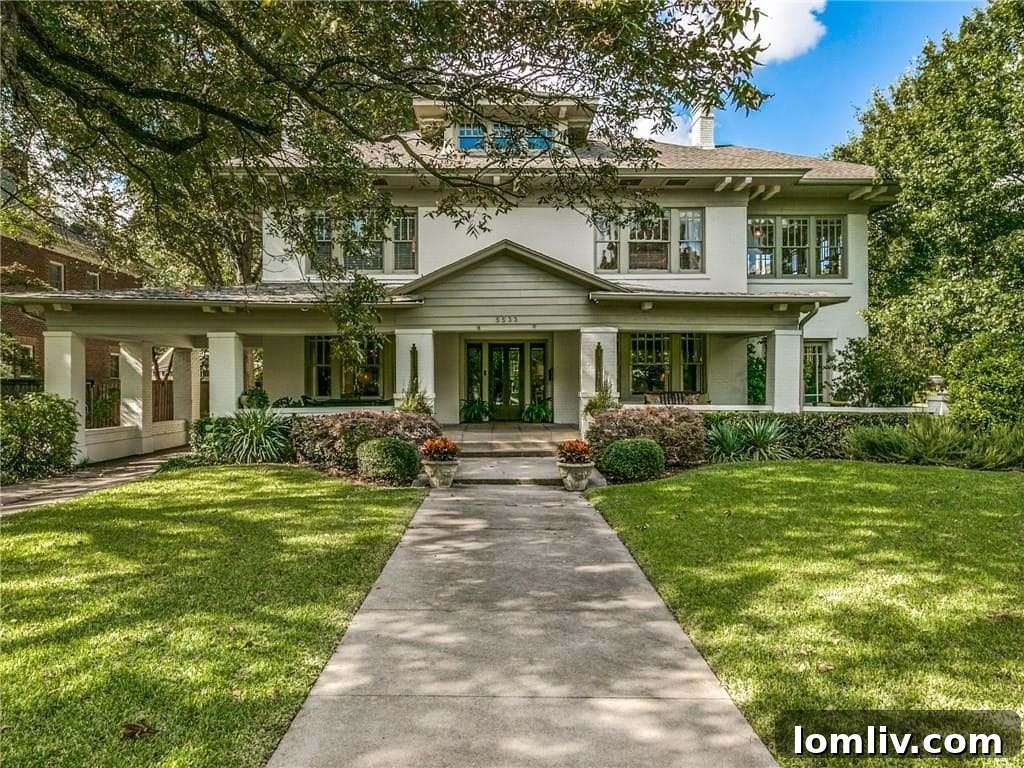
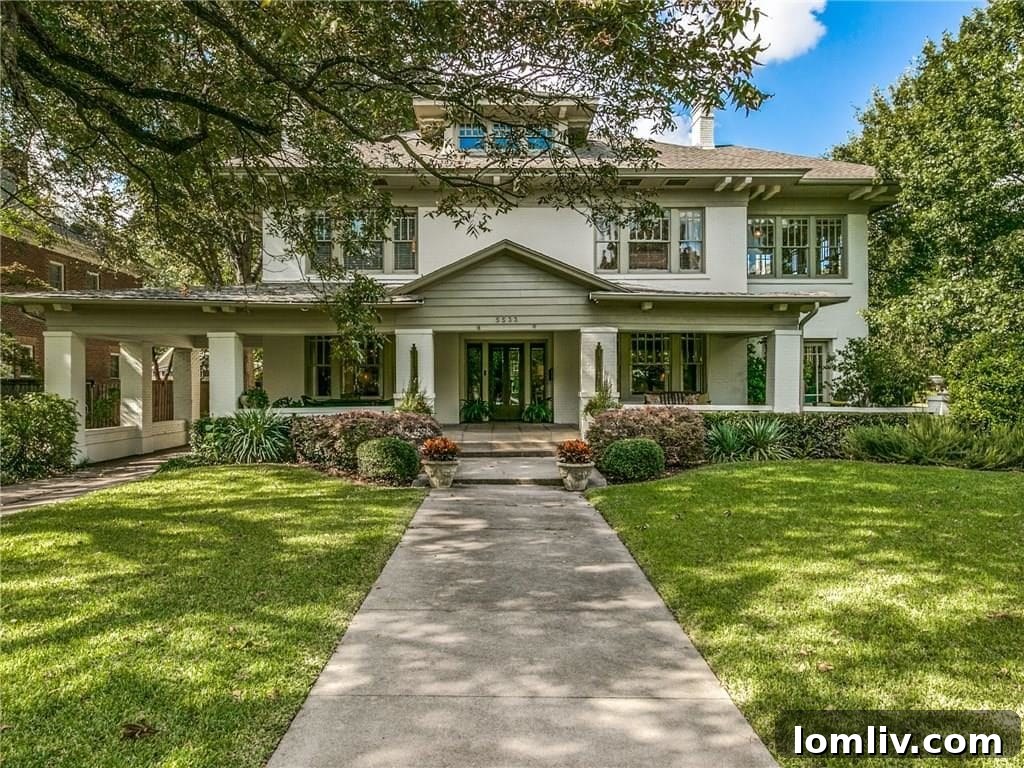
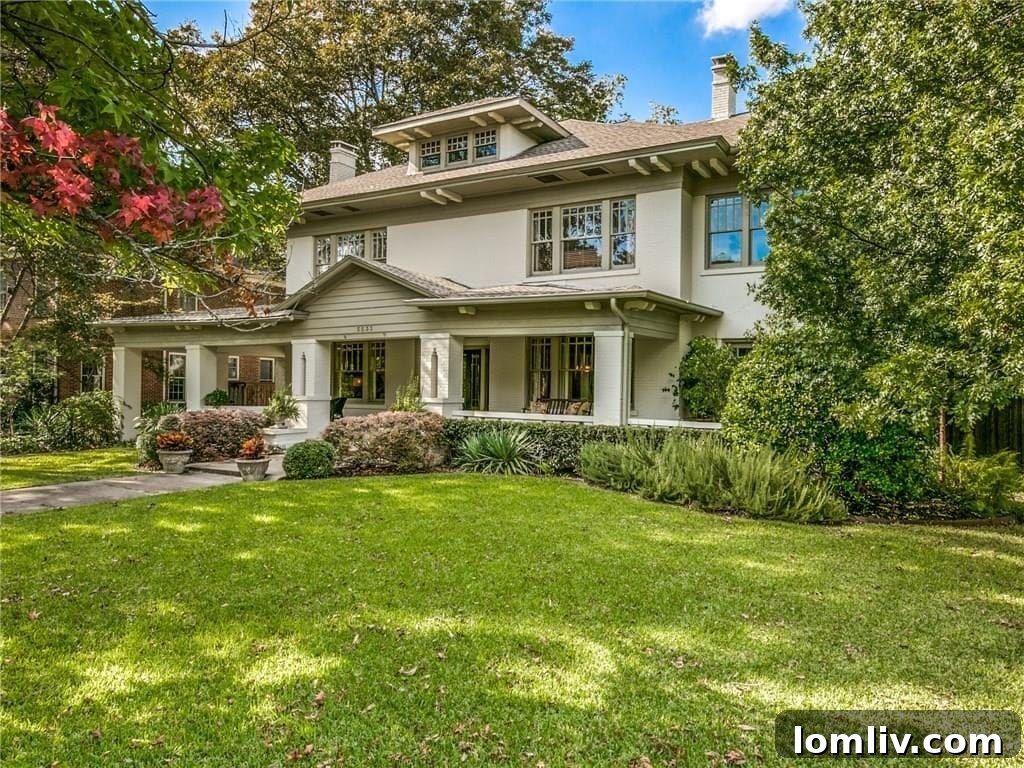
Today, this “power couple” – Mary Mapes and Mark Wrolstad – have made the decision to place their exquisite, pristine Foursquare prairie home on Dallas’s prestigious Swiss Avenue onto the market. Listed with the highly regarded Elizabeth Mast of Briggs Freeman Sotheby’s International Realty, this residence isn’t merely a house; it’s a meticulously preserved piece of architectural history, imbued with the personal narrative of one of journalism’s most resilient figures. This offering provides a rare opportunity to own a property that combines historical significance with timeless elegance and modern comfort.
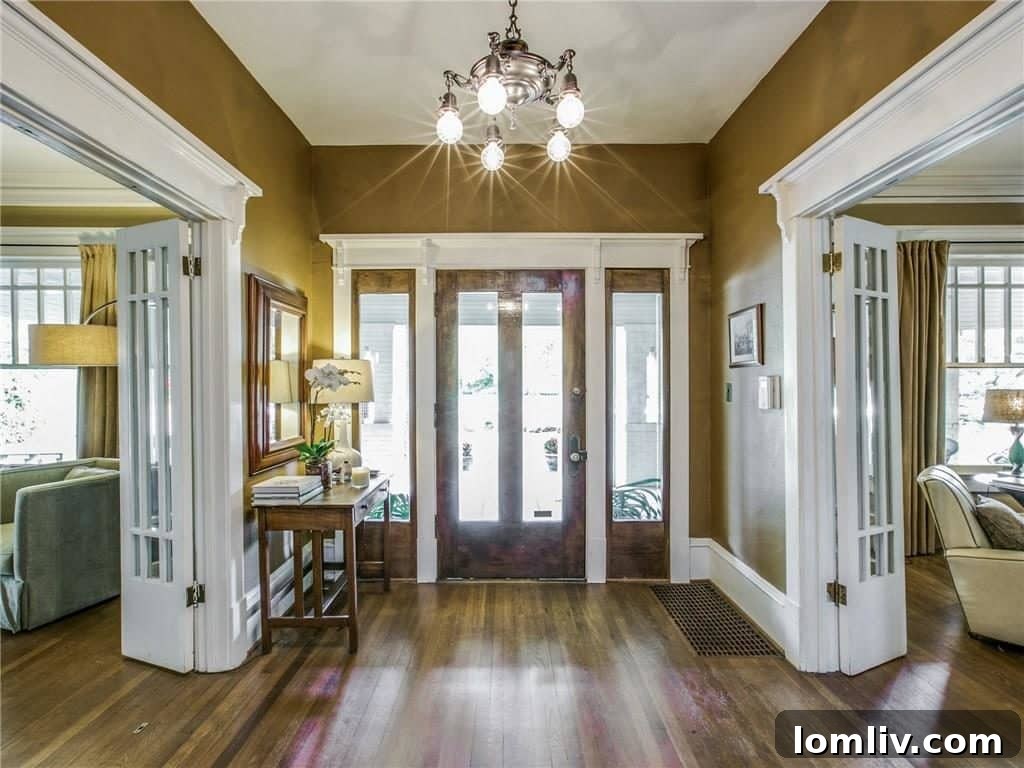
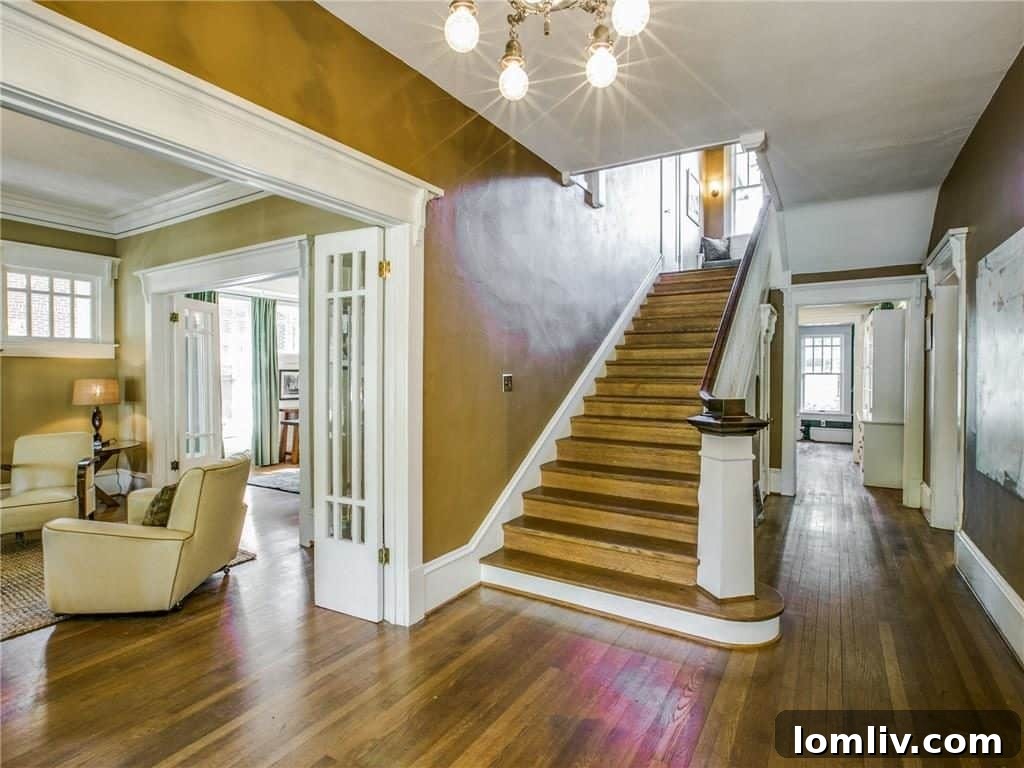
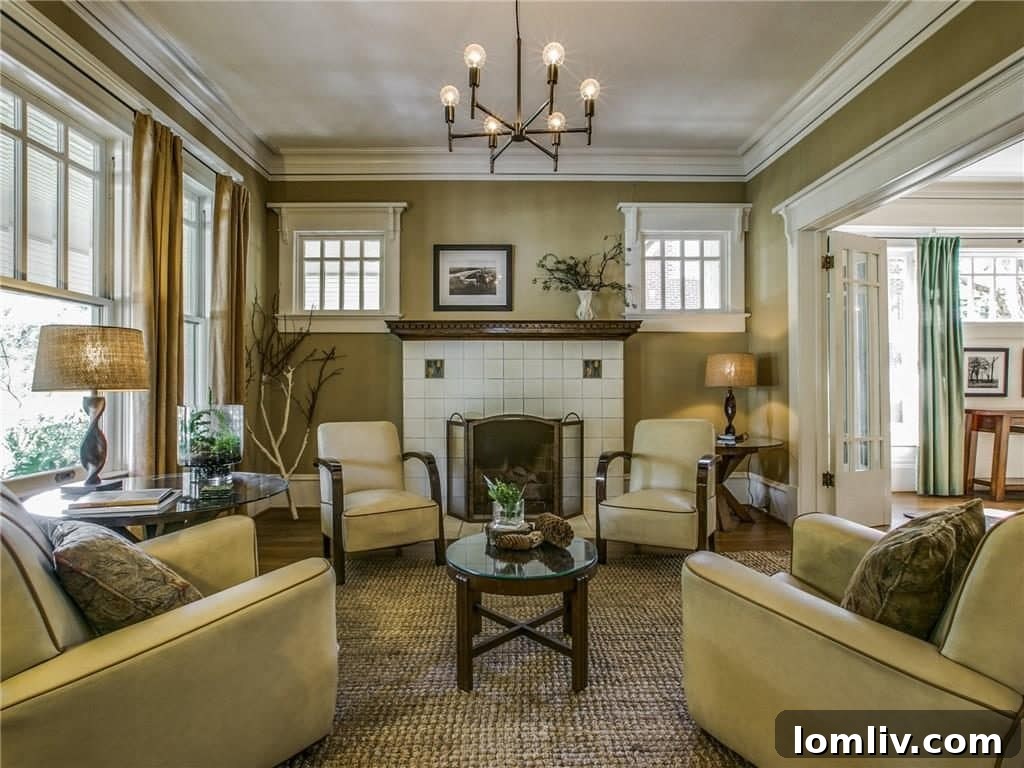
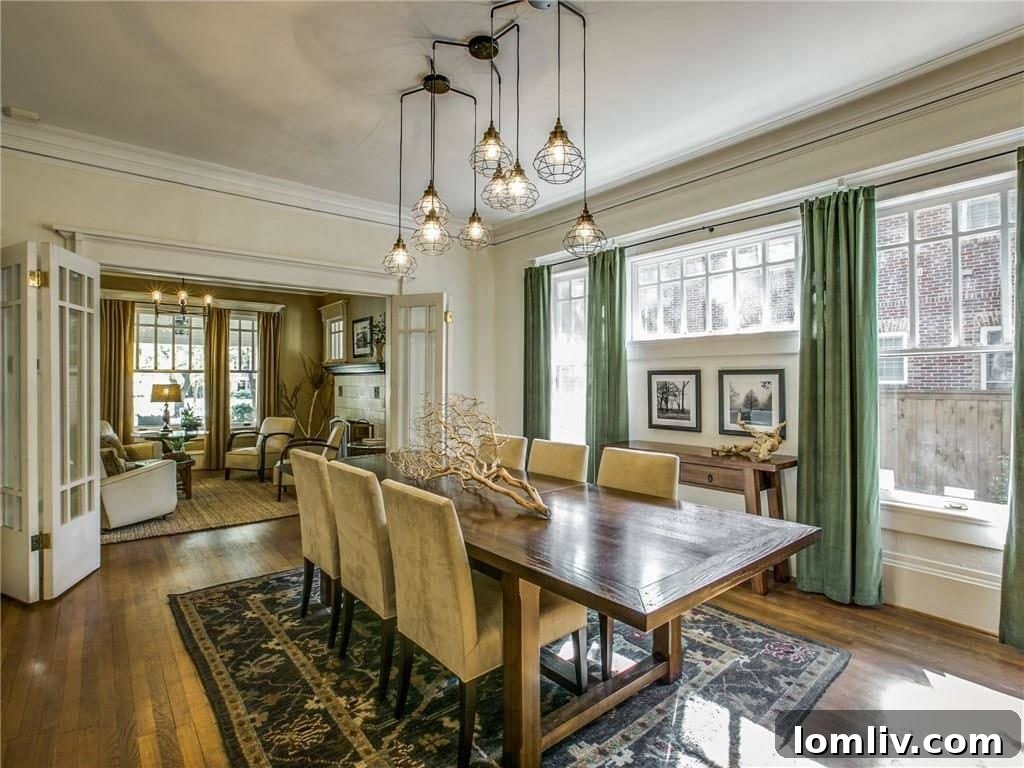
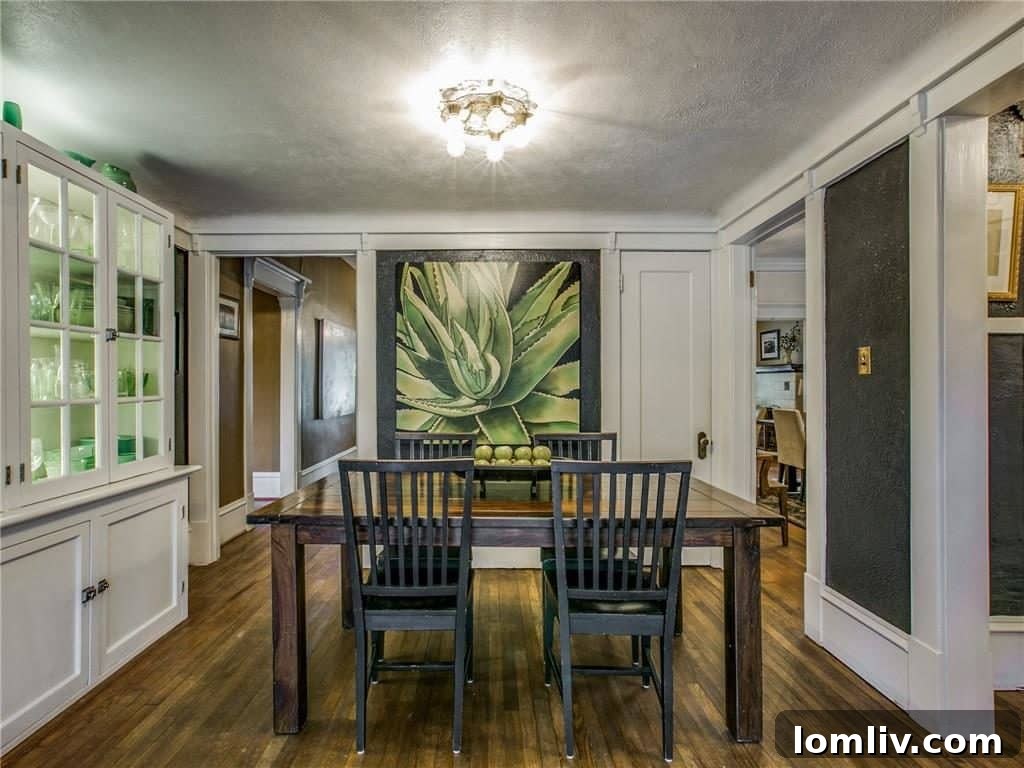
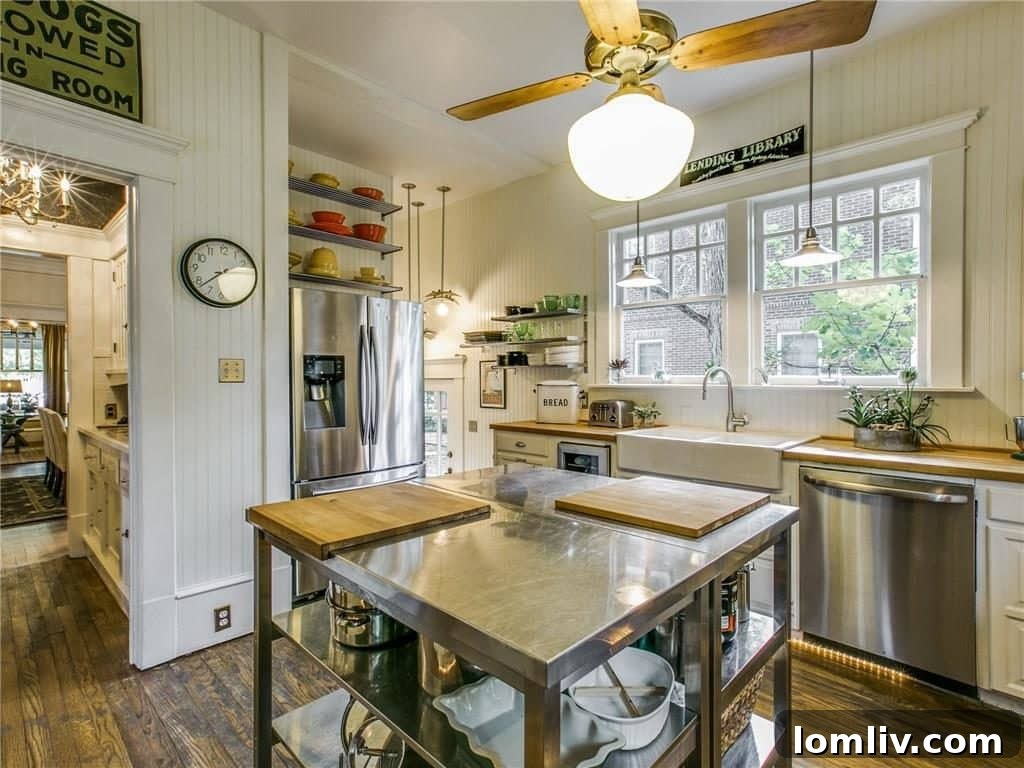
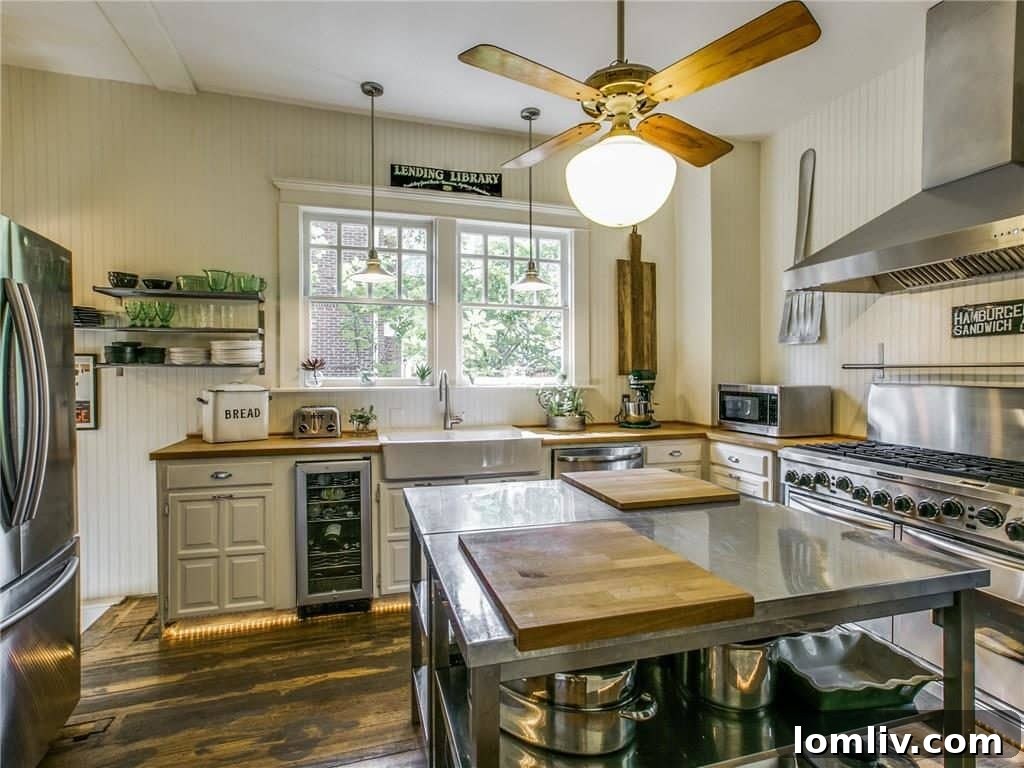
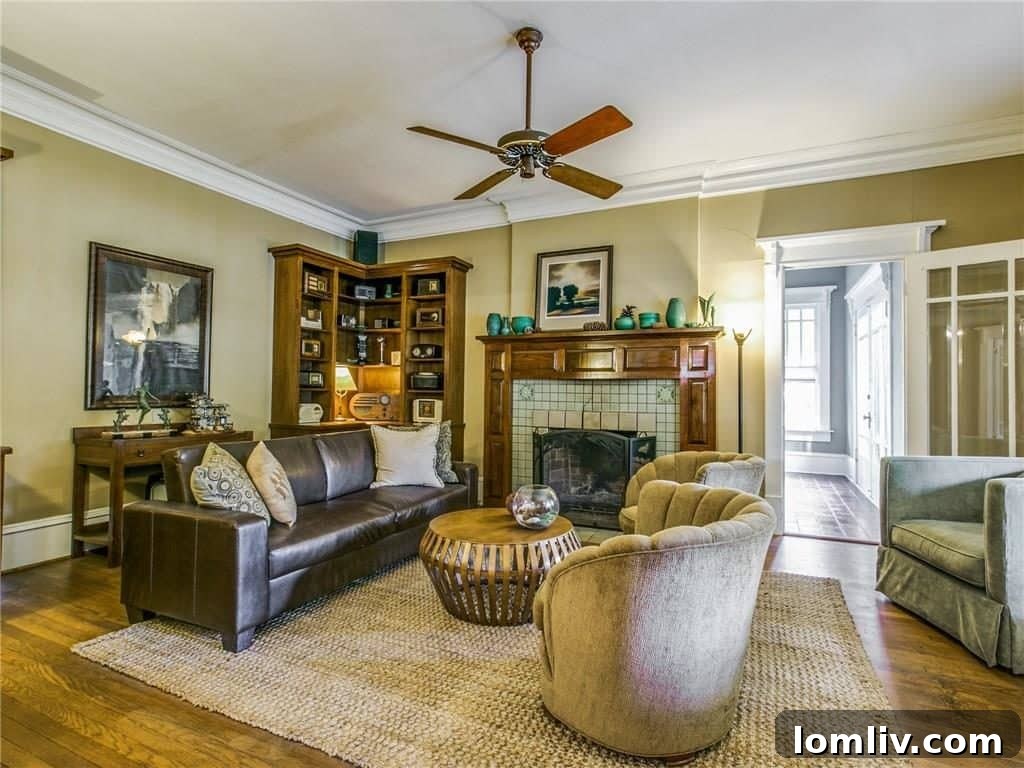
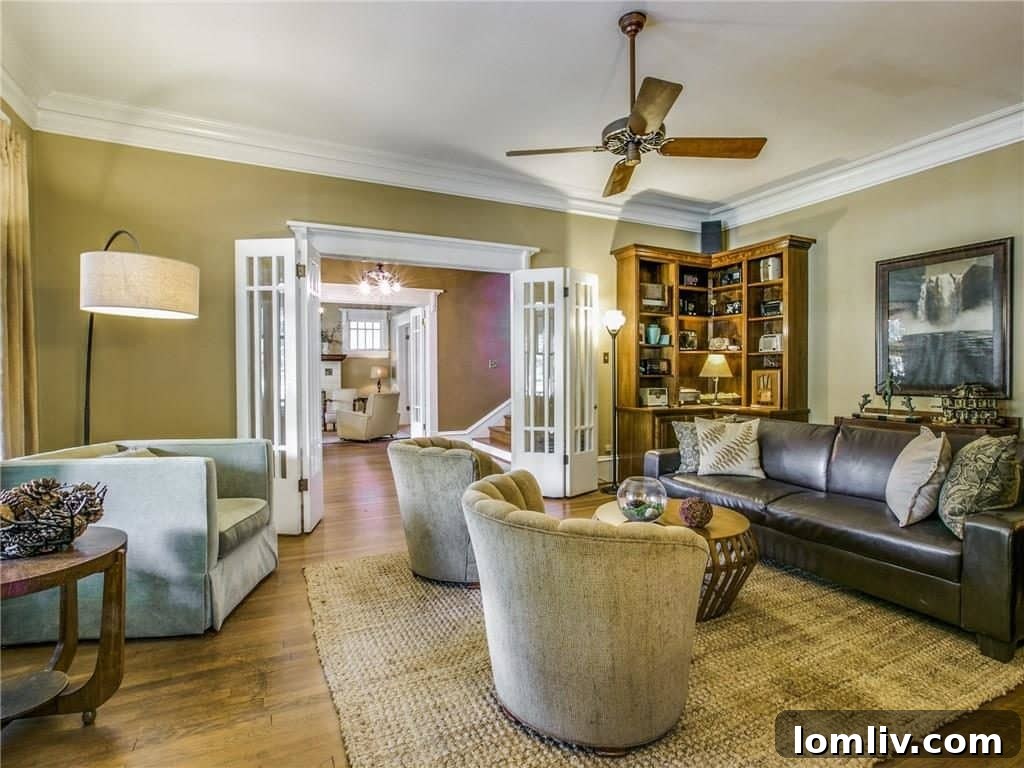
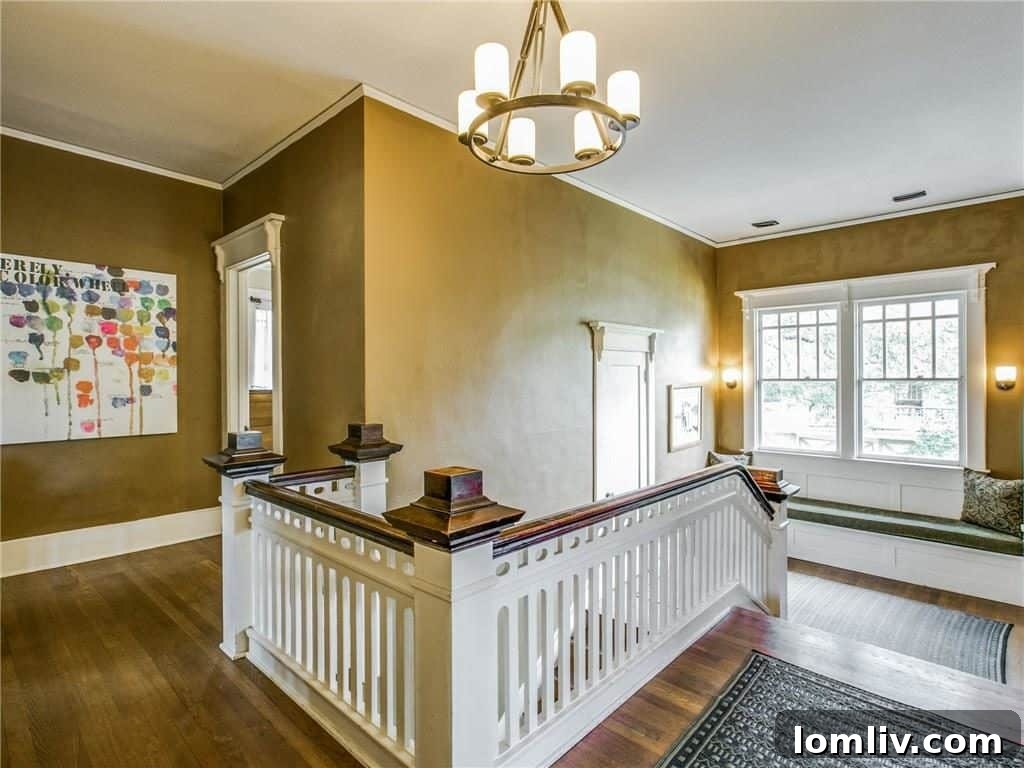
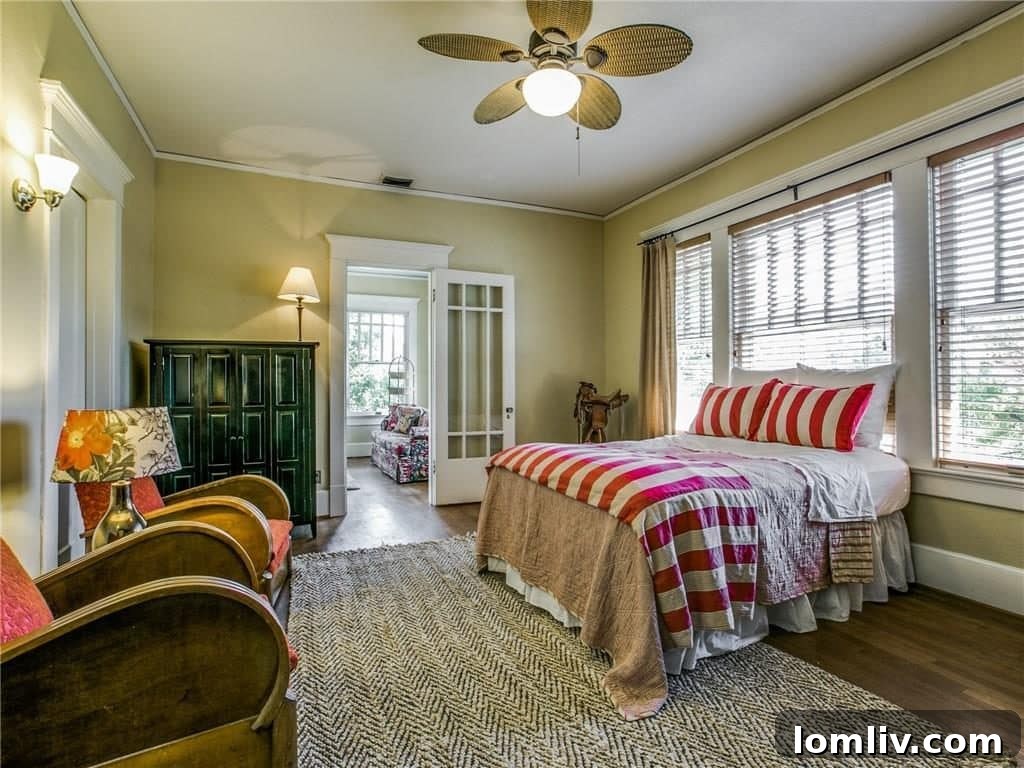
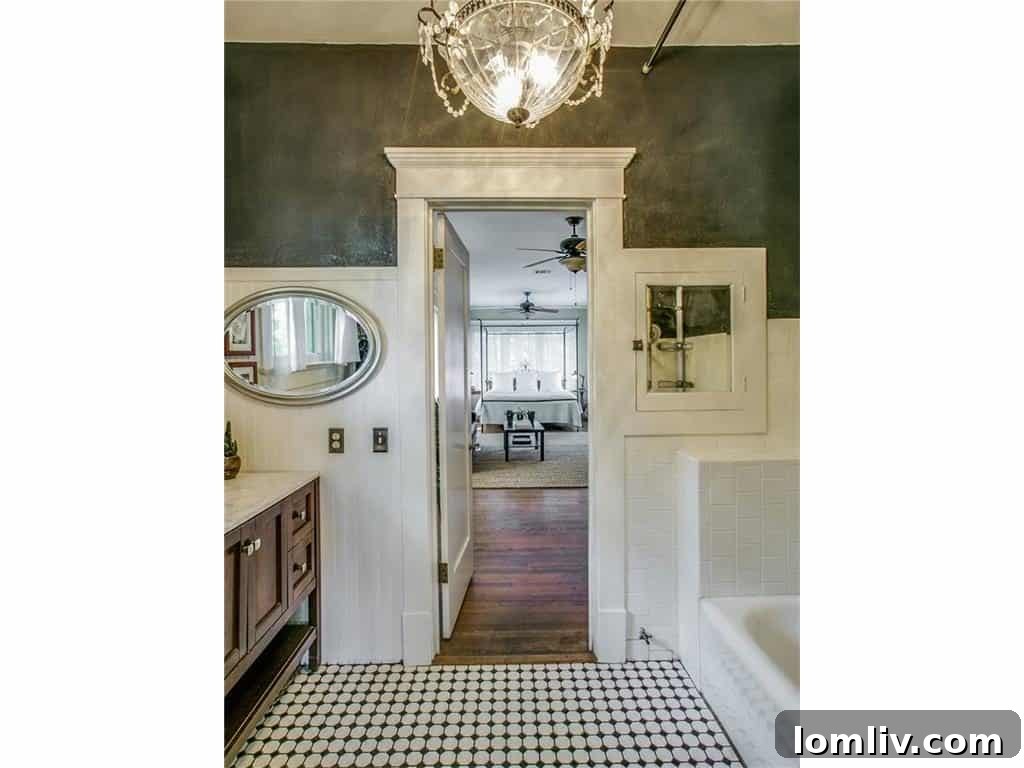
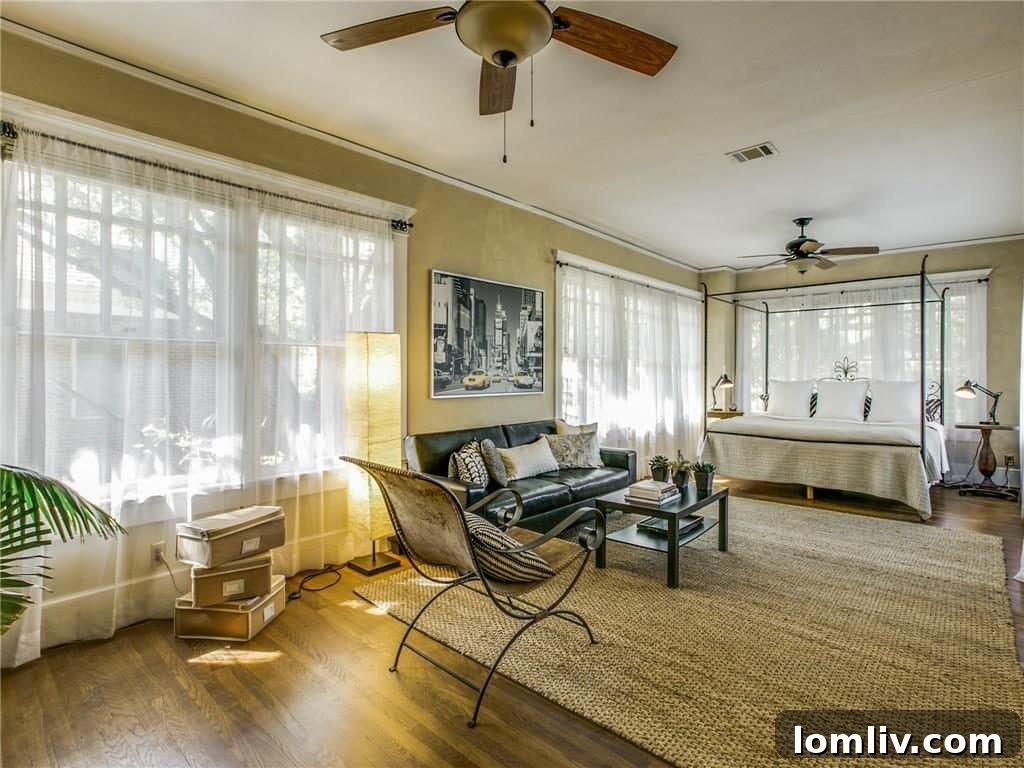
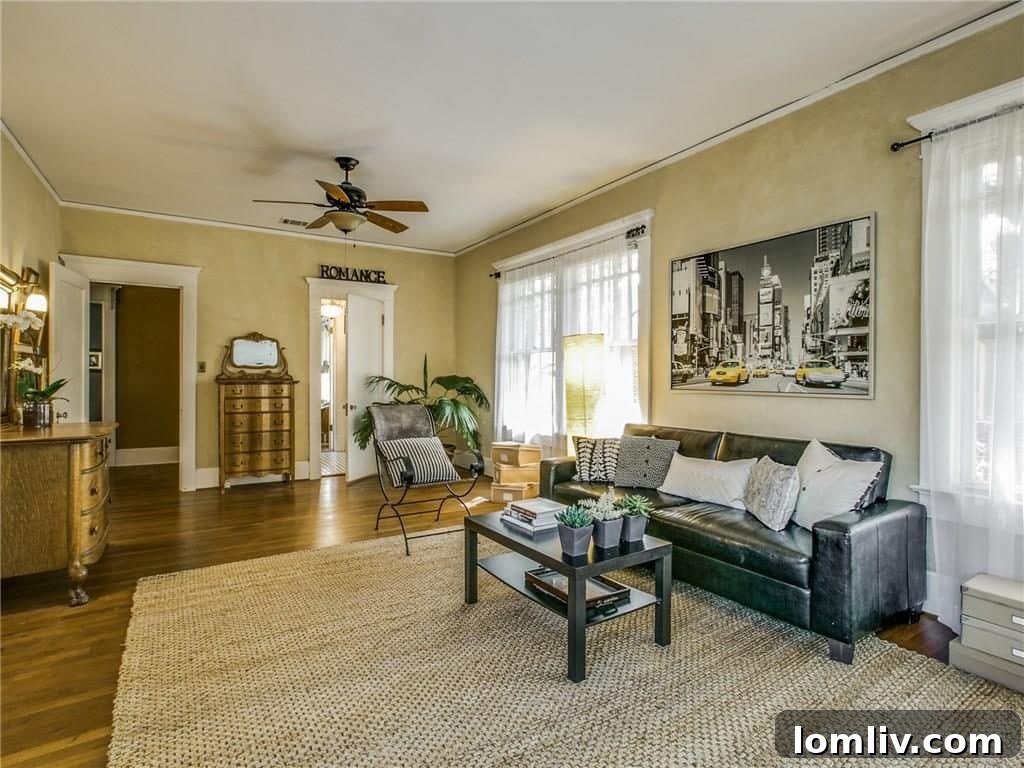
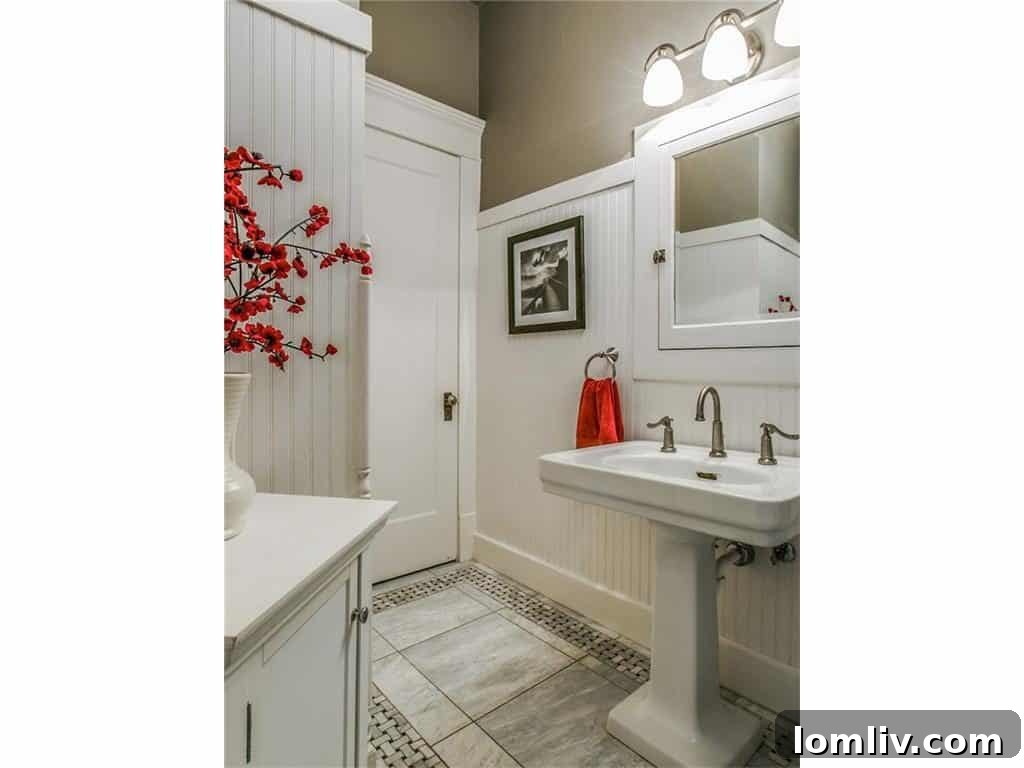
And indeed, it is a true beauty. Built in 1916, this Munger Place gem showcases a perfect blend of period-appropriate charm and thoughtful modern updates, a testament to careful stewardship over more than a century. Spanning an impressive 4,303 square feet, the home offers generously proportioned living spaces designed for comfort and elegance. It features four well-appointed bedrooms, three full baths, and an astonishing five distinct living areas, providing ample room for relaxation, entertainment, and personal pursuits. The presence of two historic Rookwood fireplaces adds a touch of classic sophistication and warmth, serving as inviting focal points in key communal spaces, embodying the craftsmanship of its era.
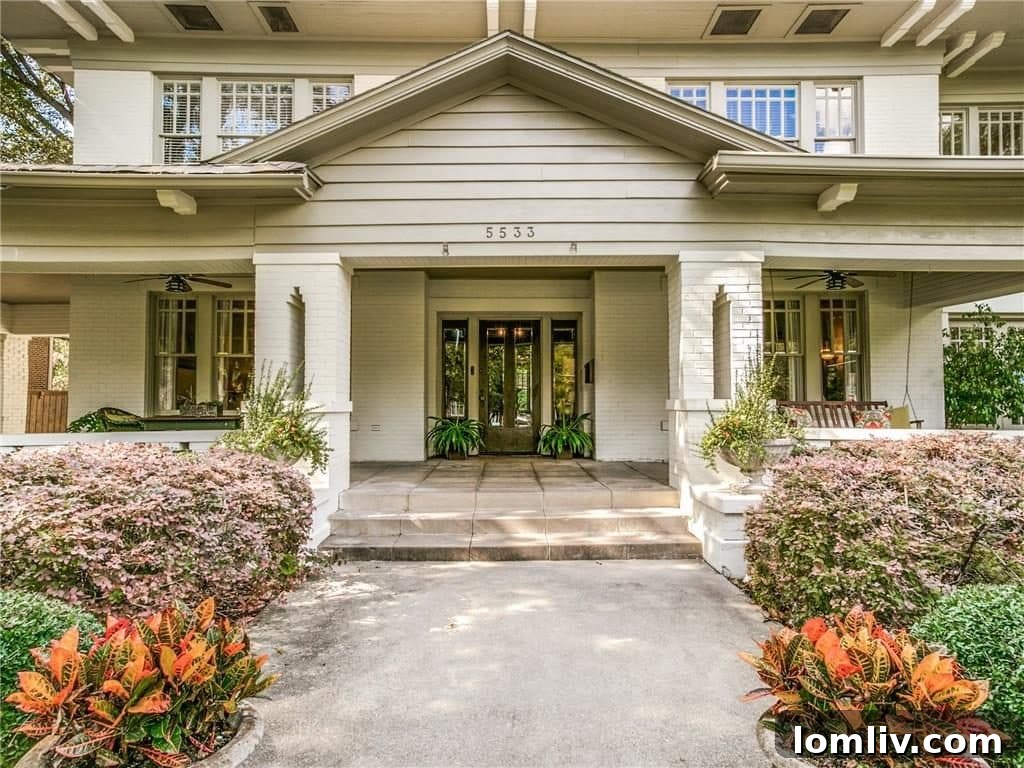
While the master bedroom is currently situated upstairs, a common configuration in many of Swiss Avenue’s grand historic residences, the versatile layout of the downstairs living areas presents an opportunity for customization. One of these spacious downstairs rooms could readily be reimagined and adapted to create a convenient first-floor master suite, offering flexibility for various lifestyles and future needs. This adaptability is a key feature in preserving the home’s long-term appeal.
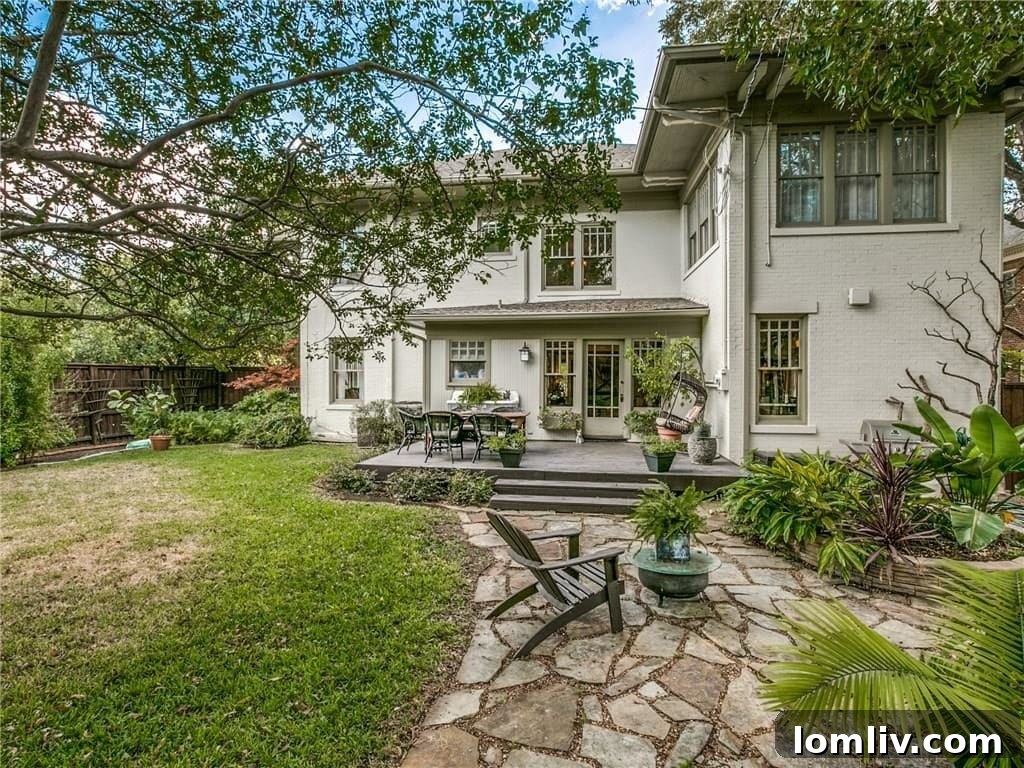
Beyond the main residence, the property boasts a valuable addition: a three-car garage, thoughtfully topped with a sizable 633-square-foot apartment. This private, self-contained living quarter is ideal for a multitude of uses, whether accommodating guests, housing a live-in nanny, or providing an independent space for a boomerang child seeking privacy. Situated on a generous half-acre lot, the property offers a significant amount of verdant green space, a rare luxury in urban settings, allowing for serene outdoor enjoyment, gardening, and expansive landscaping possibilities.
Priced at $960,000 and having just been listed on October 28th, this home represents not only a significant architectural find in one of Dallas’s most coveted historic districts but also an investment in a unique piece of Dallas’s social and journalistic tapestry. Its rich history and prime location make it an exceptionally appealing offering.
A Haven Amidst the Storm
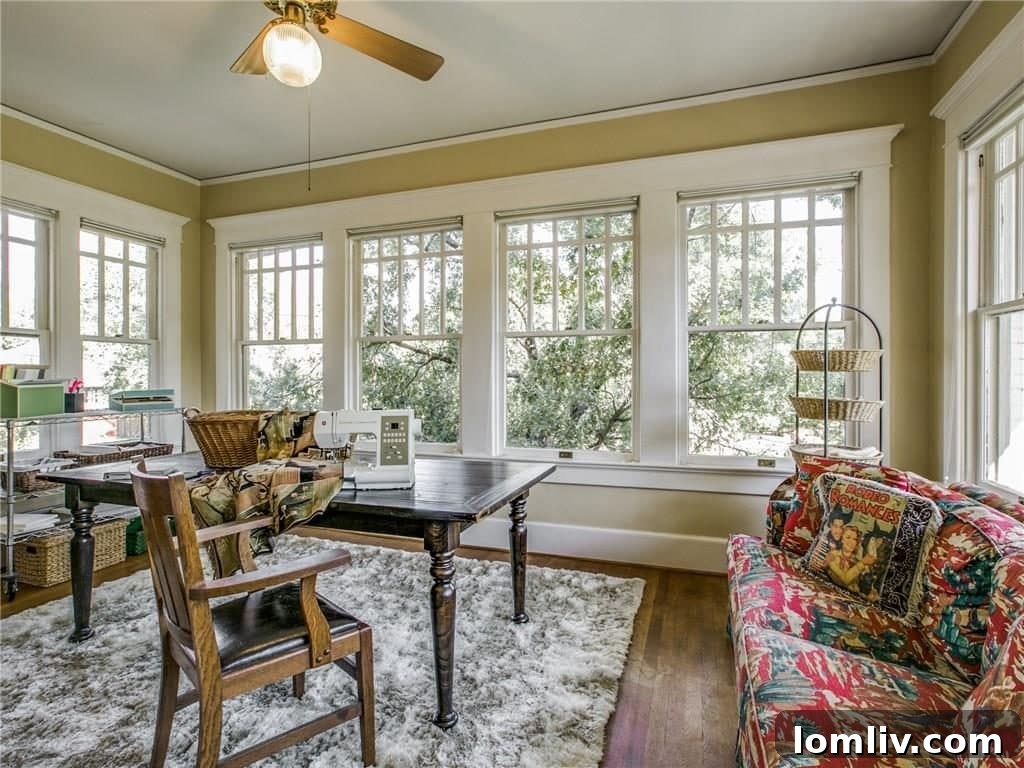
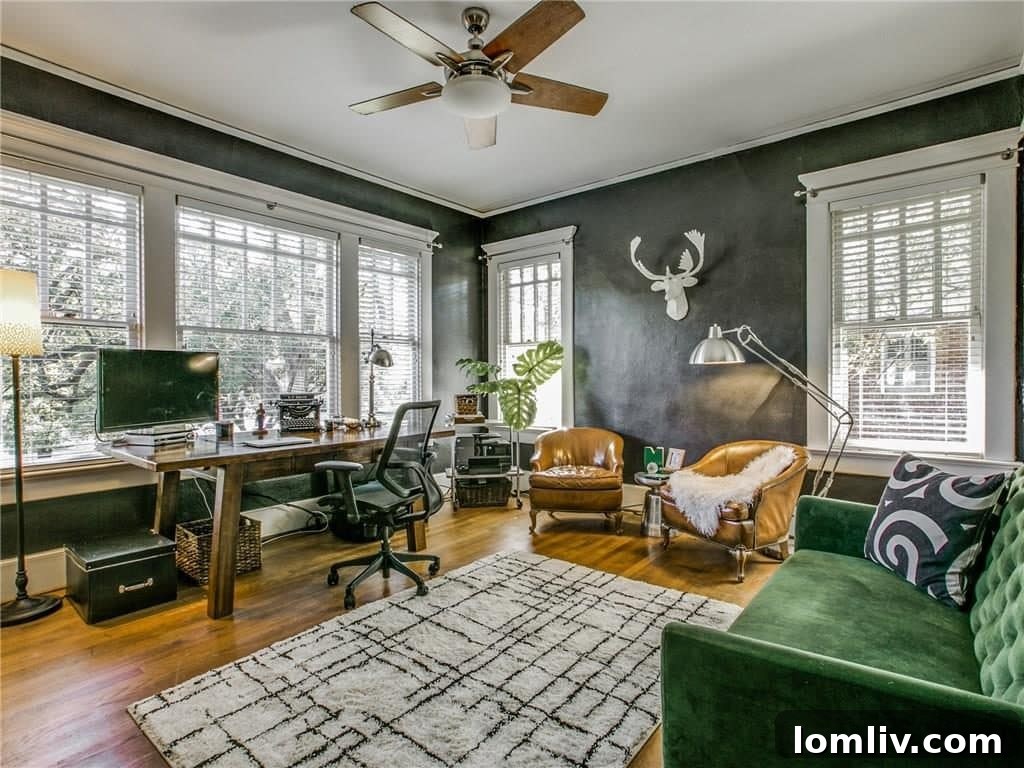
One can only imagine the profound comfort and solace this magnificent house must have provided Mary Mapes during those exceptionally challenging years following the “Rathergate” scandal. When she faced intense public scrutiny, rejection, and derision – an experience she herself described as “just overwhelming” – this house stood as a bastion of privacy and peace. It was likely within these sun-filled rooms, perhaps in that bright, dedicated office space, that she penned her powerful memoir, channeling her tumultuous experiences into a narrative that sought to set the record straight and provide her perspective.
“I know there are some people out there waiting in the dark beside their computers, people who are going to zing off things about how wrong and stupid and ugly I am, how I’m a fool and a liberal tool. I fully expect that.”
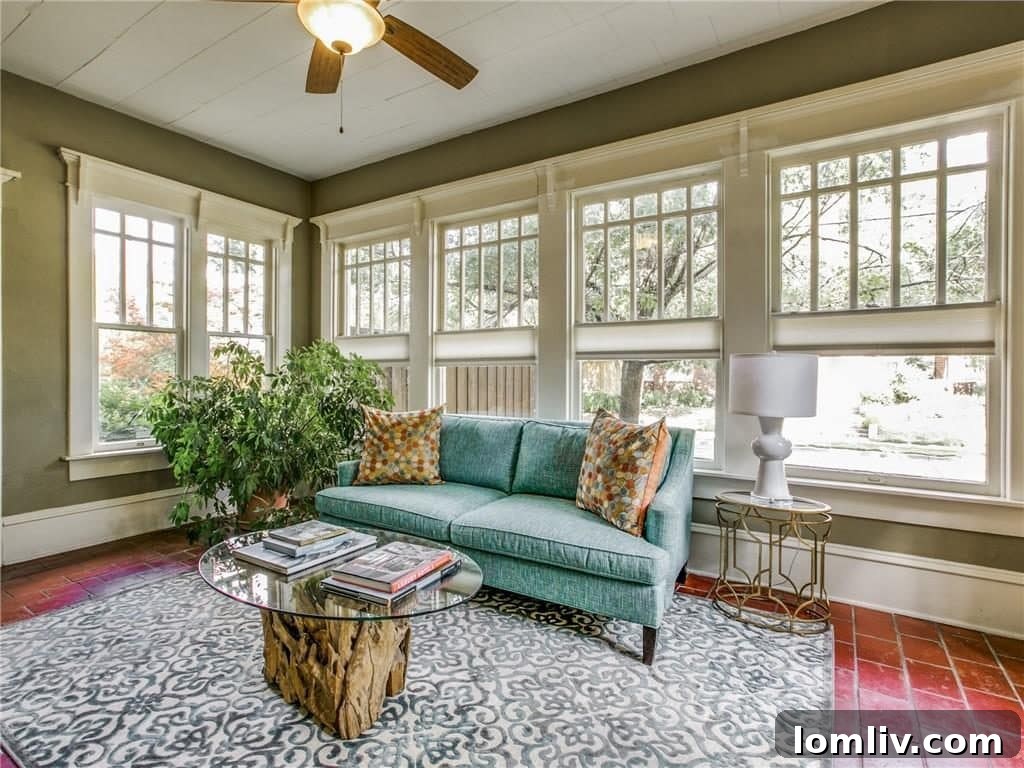
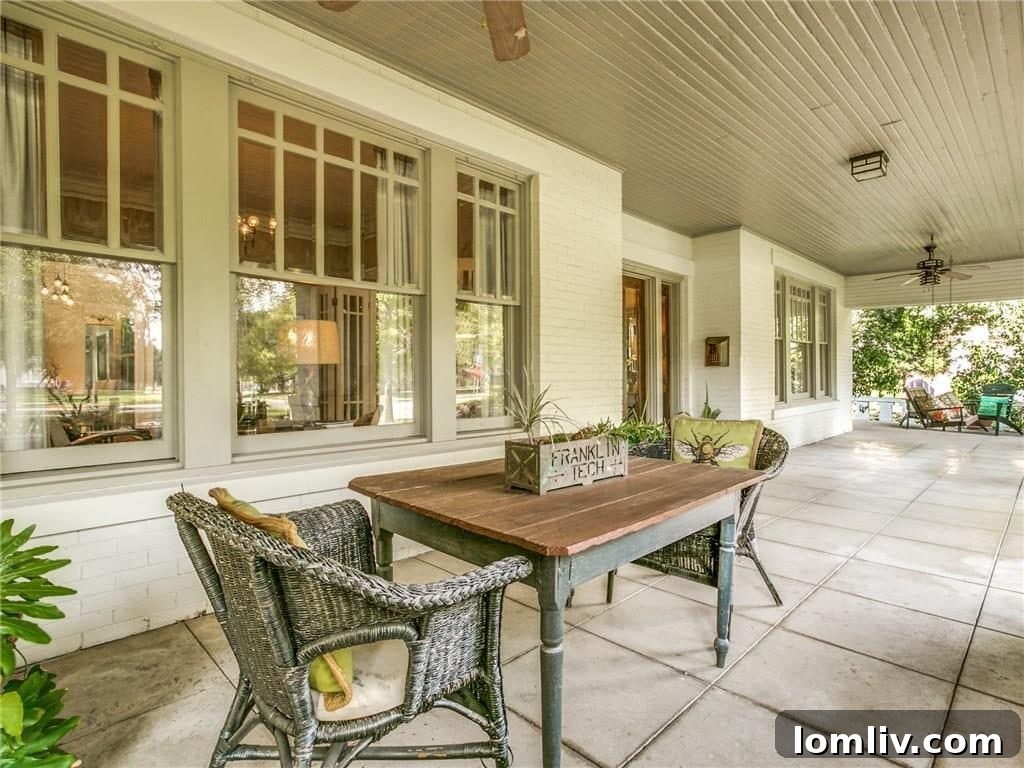
It’s easy to envision her seeking refuge on the home’s inviting, stone-floored porch, a glass of wine in hand, surveying the tranquil beauty of her historic neighborhood. One hopes that such moments of quiet contemplation and connection with her surroundings offered her a much-needed sense of peace and grounding amidst the external chaos that raged around her public persona. The solidity of the 1916 construction and the serene environment of Swiss Avenue surely offered a profound sense of security.
In essence, this house exudes a tangible warmth, like a home that generously offers comfort and solace whenever it’s needed. To acquire this property is to own more than just bricks and mortar; it is to secure a tangible sliver of American journalism history, and, perhaps, a whole lot of the embracing warmth that defines a true home. It’s an opportunity to live in a place that has witnessed and absorbed significant chapters of both personal and public life.
Photo Gallery: Inside Mary Mapes’ Historic Dallas Residence
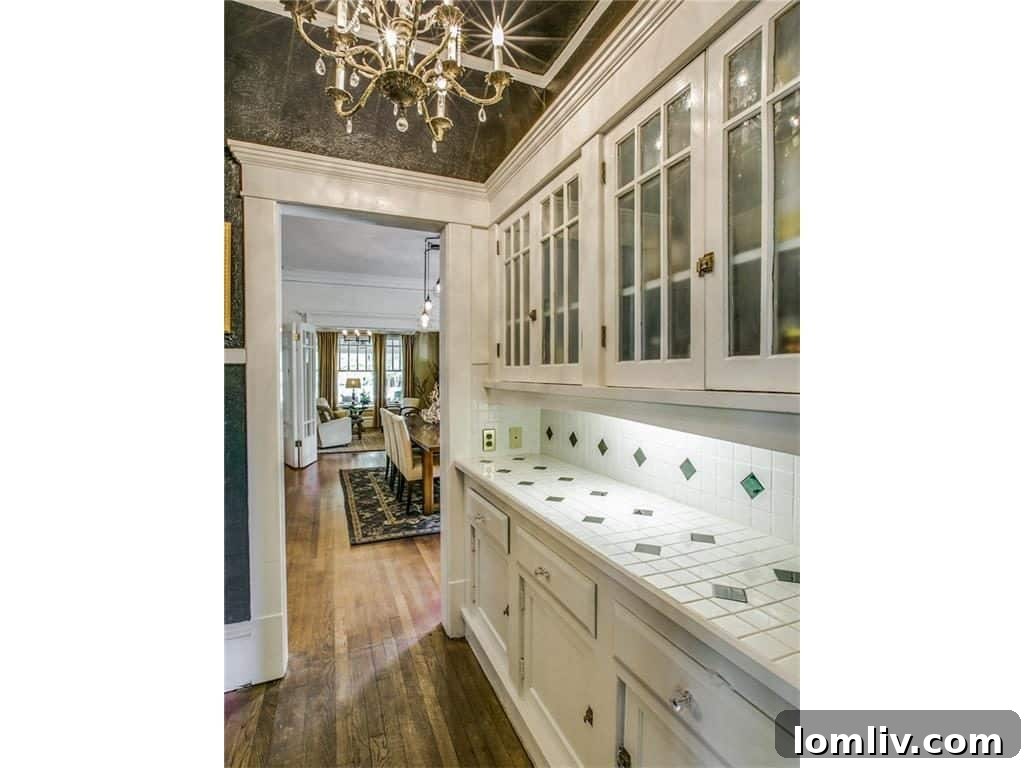
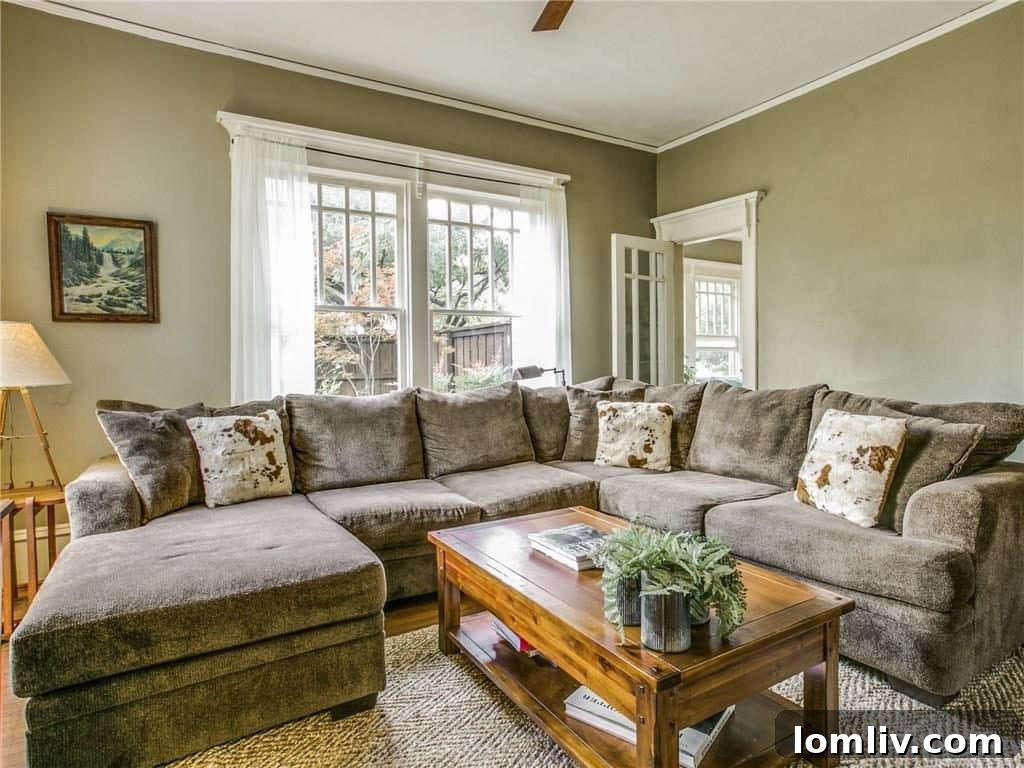
Step inside and experience the timeless elegance and inviting atmosphere of this remarkable Swiss Avenue home. From its grand entry to its intimate living spaces, each image reveals a story of historic charm and thoughtful preservation, offering a comprehensive tour of its unique character.