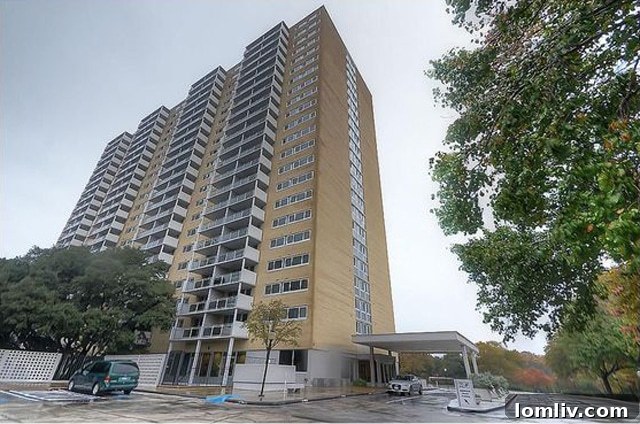
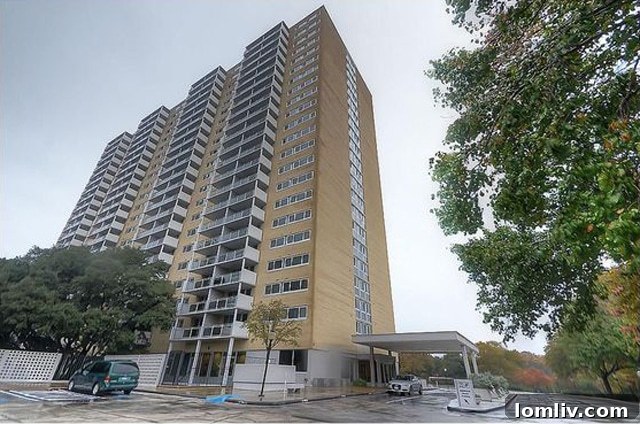
Modernizing a Dallas Icon: The Transformative Renovation of 3883 Turtle Creek
The journey to rejuvenate a landmark is often fraught with challenges, yet the rewards—from enhanced resident comfort to significant financial gains—can be truly remarkable. This article delves into the comprehensive transformation of the high-rise building at 3883 Turtle Creek, Dallas, a project that not only addressed pressing structural and efficiency concerns but also unearthed fascinating historical anecdotes. For an overview of the initial phase of this incredible renovation, including insights into its energy efficiency milestones, we invite you to explore the first installment of this story here.
Beyond the impressive hard-dollar savings on utility bills, this extensive overhaul delivered a wealth of other tangible and intangible benefits to its residents and the community, while also revealing some intriguing layers of the building’s past.
Unlocking Unprecedented Comfort: The Climate Control Revolution
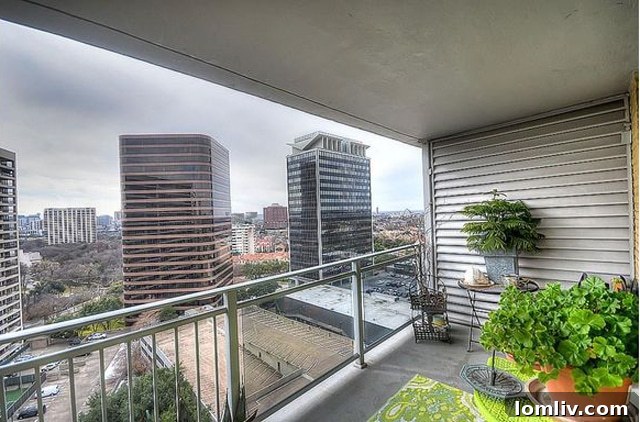
Prior to its extensive upgrade, residents at 3883 Turtle Creek faced significant challenges with indoor climate control. Units situated on one side of the building often experienced freezing temperatures during winter, while those on the opposite side would swelter under the scorching summer sun. This stark temperature disparity led some homeowners to take drastic measures, installing auxiliary HVAC units on their private patios in a desperate attempt to achieve thermal comfort. Post-renovation, these cumbersome and inefficient units became relics of the past, happily removed by satisfied owners who could finally enjoy consistent, comfortable indoor temperatures.
A surprising historical revelation shed light on the root cause of these long-standing issues. Residents learned that during the building’s original construction in the 1960s, prevailing HVAC building codes were far less stringent than today’s standards. These codes merely required air-conditioning systems to lower indoor temperatures by a modest 20 degrees. Consequently, on blistering 105-degree Dallas summer days, an indoor temperature of 85 degrees was deemed “acceptable” by code. Such standards are unthinkable in modern living, where expectations for comfort and efficiency have dramatically evolved. The idea of retreating to a refrigerator to escape the heat, as humorously suggested, truly highlights the unacceptable living conditions residents once endured.
A critical component of the climate control improvement involved the comprehensive sealing of the building envelope. Beyond the installation of new, highly efficient glass, virtually all air leaks were meticulously eliminated. The original window gaskets, spanning over five decades, had long surpassed their useful life, allowing constant hot or frigid drafts to penetrate residents’ homes, even with windows “battened down.” This pervasive issue not only compromised comfort but also led to substantial energy waste.
The culmination of these efforts has been a remarkable transformation: condominiums that now maintain perfectly comfortable temperatures, irrespective of their external exposure or the severity of the weather outside. When the thermostat is set to 75 degrees, residents can now trust that it truly is a consistent and pleasant 75 degrees throughout their living spaces. An added bonus of the improved sealing and ventilation is a noticeably cleaner indoor environment, as the ceaseless infiltration of dust-laden breezes has been brought to a halt. Furthermore, the installation of double-pane windows effectively eradicated the persistent condensation buildup that plagued the older single-pane windows, a common summer nuisance akin to “sweat on a glass of ice tea.”
These advanced glazing and sealing solutions have, in turn, allowed the building’s central HVAC system to operate with astonishing efficiency. What was once an energy-intensive operation, requiring a pair of chillers to run continuously 24/7 from March through November, has been drastically optimized. Today, the building primarily utilizes a single chiller, only activating the second unit during the three hottest months of the summer. This represents a staggering reduction of over 60 percent in double-chiller usage, leading to substantial energy cost savings and a significantly reduced environmental footprint.
A Serene Oasis: The Unexpected Benefit of Noise Reduction
One of the most remarkable and unexpected secondary benefits of the renovation was the dramatic reduction in ambient noise from outside the building. Situated within the busy Love Field flight corridor, residents had long contended with the pervasive sounds of approaching and departing aircraft. Post-upgrade, a profound sense of quiet settled over the building. This newfound tranquility was particularly timely, coinciding almost perfectly with the expiration of the historic Wright Amendment, which had previously restricted long-haul flights from Love Field. The enhanced sound insulation provided by the new, high-performance windows and improved building envelope effectively mitigated the external din, transforming homes into peaceful sanctuaries.
Exterior Rejuvenation: Addressing Structural Integrity and Historical Stains
The comprehensive exterior project at 3883 Turtle Creek extended beyond glass replacement to include crucial structural repairs and aesthetic enhancements. A significant part of this effort involved the meticulous painting and repair of concrete spalling. Spalling is a common but serious issue in older concrete structures, occurring when moisture infiltrates the concrete and causes the embedded steel rebar to rust. As steel rusts, it expands considerably, creating immense internal pressure that ultimately causes sections of the concrete to delaminate and “pop” off the surface, forming what can be likened to “vertical potholes” on the building’s facade.
The repair process for spalling is both intricate and disruptive. It necessitates carefully chiseling out the affected concrete areas until pristine, uncorroded steel is exposed. Any rusted steel rebar must then be removed, replaced with new, corrosion-resistant rebar, and subsequently recovered with fresh concrete. This work is notoriously noisy; the percussive sounds of air chisels reverberate intensely throughout the entire building, with work performed at ground level often audible even in the penthouse suites. Only after this painstaking and structurally vital work is completed can the multiple layers of specialized protective paint be expertly applied, safeguarding the concrete from future deterioration and restoring the building’s aesthetic appeal.
The Curious Case of the Kerosene Stains: A Glimpse into Aviation History
During the extensive exterior renovations, a peculiar mystery emerged: the top few floors of the building were inexplicably stained. Despite repeated power washing of the affected areas, the unsightly dark “tea-staining” quickly returned. Puzzled, the building’s contractor advised them to “smell the building.” The answer was unmistakable: kerosene. This baffling discovery led to a fascinating, albeit troubling, historical revelation. Decades ago, airplanes approaching Love Field were permitted to dump fuel to lighten their loads, a practice long since banned. Furthermore, the first generation of jet engines were considerably less efficient and environmentally friendly than modern engines, emitting incredibly dirty and heavy exhaust into the atmosphere. In essence, the building had, for years, been periodically “rained upon” by a concoction of jet fuel and exhaust particulate.
Understanding the cause, the building undertook a thorough and specialized cleaning, followed by the application of a sealing treatment to prevent further absorption of airborne pollutants. This effectively solved the problem for 3883 Turtle Creek. However, the legacy of this historical aviation practice can still be observed today on some older, lighter-colored high-rises along Turtle Creek, where the distinctive “tea-staining” persists as a visual reminder of an environmental practice we certainly hope is never repeated.
Peace, Prosperity, and a Harmonious Community
The overwhelming sentiment among residents following these extensive improvements has been one of immense satisfaction. The days when Homeowners Association (HOA) meetings were described as “pay-per-view worthy”—implying high drama and heated debates—have largely subsided. The equation is straightforward: owners who now enjoy quiet, temperature-controlled homes with reliable infrastructure have far less cause for complaint. This tangible improvement in daily living has translated directly into a calmer, more productive HOA environment, with fewer residents feeling the need to attend meetings because core grievances have been comprehensively addressed.
From a financial perspective, the owners have every reason to be delighted. The substantial investment in these upgrades has yielded impressive returns. Even unrenovated units within the building generally command prices topping $200 per square foot, while homes that have undergone internal renovations can sell for upwards of $230 per square foot. In 2016 alone, five units were sold at an average price of $213.66 per square foot. To put this into historical context, consider that in 2010, the average price per square foot was a mere $74.47. While the general real estate market has undoubtedly lifted all boats, the remarkable 286 percent increase in average property value at 3883 Turtle Creek is a clear testament to the very strong return on investment generated by the renovation work. This significant appreciation underscores how strategic upgrades can dramatically enhance property appeal and long-term financial viability.
Connectivity for the Modern Age: Internet and Cable TV
While not part of the primary renovation projects, discussions also touched upon the critical subject of internet access within the building. Reflecting its increasingly younger resident demographic, 3883 Turtle Creek boasts an impressive internet penetration rate of 93 percent among its homeowners. This statistic strongly supports observations about the evolving demands of different age demographics; by contrast, another building with a significantly older population reported less than 60 percent internet utilization.
Like many contemporary high-rises, 3883 Turtle Creek has been actively courted by major telecommunications providers. Notably, AT&T, as part of certain regulatory obligations stemming from their DirecTV merger, has been compelled to “do some penance” by investing in infrastructure improvements. The building is currently engaged in negotiations with AT&T to install ultra-fast fiber optic cabling, designed to run in parallel with the existing Time-Warner Cable infrastructure. This strategic move aims to provide residents with cutting-edge internet speeds and greater choice. Furthermore, the building is evaluating the feasibility and benefits of “bulk buying” internet services for all residents, mirroring their current successful approach to cable TV, which could lead to significant cost savings and standardized, high-quality service across the community.
The Perennial Question: In-Unit Washers and Dryers
As the conversations concluded and a comfortable rapport was established, the “elephant in the room” question was inevitably posed: “What about in-unit washers and dryers?” This has historically been a contentious issue, as these amenities are generally not permitted within the building, a point that has garnered public discussion in the past (as referenced here). It turns out the HOA and management have exhaustively explored this issue from every conceivable angle, concluding that the challenge may be more a “Dallas problem” than a “3883 Turtle Creek problem.” The building simply wasn’t originally constructed with the necessary plumbing drains and dedicated dryer ventilation systems required for in-unit laundry.
However, the conversation highlighted the dramatic advancements in appliance technology. There exists a vast difference between the hugely water-hungry, 50-gallon-per-load top-loading washing machines, which are still available today, and the ultra-efficient, smaller-capacity front-loading models. For instance, state-of-the-art Miele washing machines now consume as little as 0.8 gallons of water per pound of laundry, representing a remarkable 55 percent decrease in water consumption since 1990 alone. Similarly, Bosch washers, which significantly exceed Energy Star 2015 guidelines, utilize less than 13 gallons per load—a quantity less than the average shower. This comparison is particularly poignant given that showers are likely “clustered” during peak times (e.g., mornings) far more than individual clothes washing schedules, suggesting that modern efficient washers might have a minimal, if any, collective impact on building water systems.
Dryers present their own unique set of challenges in a high-rise retrofit. The absence of a central exhaust system means that any in-unit dryers would necessitate either ventless condensing/heat pump models or require costly and complex in-home ventilation solutions. An additional complication is the lack of readily available 220-volt power in individual units, meaning dryers would operate on standard 110-volt circuits, significantly extending drying times and increasing energy consumption per cycle. When the building presented its compelling case to the city’s building department, emphasizing the efficiency of modern appliances and innovative solutions, the proposal was unfortunately rejected. Some engineers involved hinted that the City of Dallas, rather than the sound technical calculations provided by 3883 Turtle Creek, was lagging behind in its understanding and adaptation to new appliance technologies and evolving building standards. And so, for now, residents continue to wait for the possibility of this much-desired amenity.
In Summary: A Blueprint for High-Rise Modernization
The comprehensive success story of 3883 Turtle Creek serves as a vital blueprint for similarly-aged sister-buildings and HOAs contemplating their own modernization efforts. There are profound lessons to be learned, extending far beyond mere financial savings. While cost efficiencies are certainly impressive, many of the most significant gains are qualitative, touching upon the very essence of resident satisfaction and community well-being. This building’s leadership has successfully made its homeowners happy—happy that they endured the initial costs and inconveniences of renovation because the ultimate outcome has been nothing short of glorious.
A testament to their foresight, the board members spoke with near reverence about the very long-range reserve plan they commissioned an expert to develop. This strategic document has set them on an unavoidable and proactive path of continuous renewal and rejuvenation of the building’s essential assets and infrastructure. As one board member sagely remarked, in two decades, owners will undoubtedly look back on this meticulous planning with profound admiration for its sustained impact on the building’s longevity and value.
Finally, when asked about the next phase for 3883 Turtle Creek, the HOA members confirmed that the “heavy lifting” of the major structural and efficiency upgrades is complete. Their current focus has shifted towards exterior beautification and comprehensive landscaping, ensuring that the building’s aesthetic appeal matches its newfound internal comfort and efficiency. This ongoing commitment highlights a holistic approach to property management and sustained resident satisfaction.
Share Your High-Rise Story
Do you have a compelling HOA story to tell? Perhaps a unique piece of high-rise history from your own community? Realtors, are you looking to feature a listing in need of renovation, or one that has been completed with flying colors, showcasing a remarkable transformation? We’re always eager to hear and share stories that inspire. You can reach out to Jon via email to share your insights, or even to propose a collaboration. Yes, marriage proposals are also accepted (and legal)!