Dallas Affordable Housing Project Faces Legal Battle Over Deed Restrictions
A planned affordable housing development in Lake Highlands, Dallas, known as Cypress Creek at Forest Lane, has become the subject of a significant legal dispute. Owners of an adjacent office building, who had previously indicated their intent to file a lawsuit, have now officially challenged the project in court. This legal action introduces a new layer of complexity to a development widely seen as crucial for addressing Dallas’s growing housing needs.
The Vision for Cypress Creek at Forest Lane
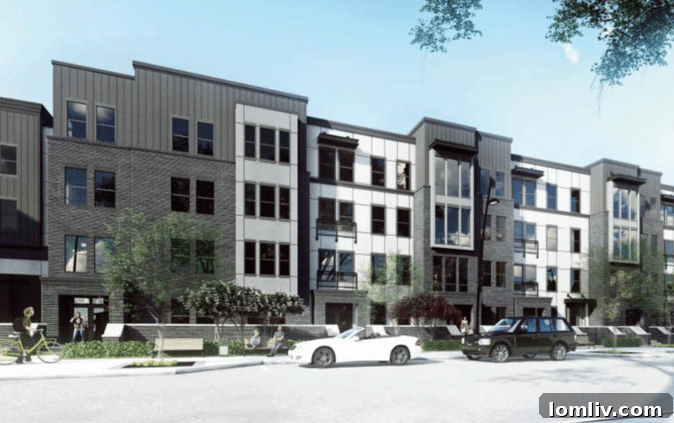
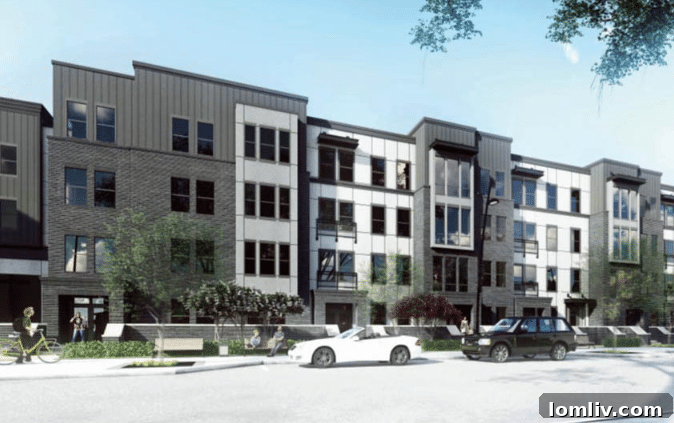
The Cypress Creek at Forest Lane project is envisioned as a Class A multifamily development offering 189 units. Advocates for the project highlight its strategic location in a high-opportunity area of North Dallas, emphasizing its potential to provide much-needed quality housing for a diverse range of residents. This initiative aligns with Dallas’s broader strategy to expand affordable housing options and foster mixed-income communities across the city, particularly in areas with good access to jobs, education, and services.
The proposal received crucial approval from the Dallas City Council in June, passing with a 12-3 vote. This decisive majority underscored the council’s commitment to advancing accessible housing solutions. However, the vote was not unanimous, with Council members Adam McGough, Cara Mendelsohn, and Casey Thomas casting dissenting votes, reflecting ongoing debates and concerns within the community and among elected officials regarding specific development sites.
At the time of the council vote, Adam McGough represented District 10, the district where Cypress Creek is located. Both McGough and Casey Thomas were term-limited and did not seek re-election, transitioning out of their roles on the City Council. The torch for District 10 has since been passed to Kathy Stewart, who has quickly become a central figure in the ongoing dialogue surrounding Cypress Creek at Forest Lane. Stewart’s involvement includes attending a contentious town hall meeting in March, indicating the project’s significant local impact and the community’s keen interest.
The Core of the Dispute: Deed Restrictions
The root of the legal challenge lies in alleged deed restrictions on the proposed development site. During the aforementioned town hall meeting, William Roth, who owns a 75,000-square-foot office building directly adjacent to the Cypress Creek site, vocally raised concerns about these restrictions. Deed restrictions are private agreements that govern the use of land, often put in place by original developers to maintain certain standards or types of development within a particular area. Roth’s position is that these existing deed restrictions explicitly prohibit the construction of multifamily dwellings, such as apartments, on the property.

“The deed restriction does not allow apartments on that property,” Roth asserted during the public discussion. He further elaborated on his concerns, stating, “If the city is considering action to disregard that deed restriction, we feel like that’s not proper. That’s what’s called a taking of our private property rights.” Roth emphasized that his opposition was not a referendum on affordable housing, Class A apartments, or workforce housing itself. Instead, his argument centers on the fundamental right of property owners to control the development activities in their immediate vicinity. “Our issue is we have the right to control what development is going on in this area. For the city to be able to take that right away from us for the enrichment of a private developer does not seem to be the right thing to do,” he concluded, highlighting the perceived overreach by the city in facilitating the project despite these private covenants.
The Lawsuit: A Legal Challenge to an Urban Development
The formal lawsuit, first reported by KERA’s Christopher Connelly on Friday, December 22nd, marks a critical turn in the Cypress Creek saga. The legal documents were filed by FC Investment, Ltd, the entity representing William Roth’s interests. This suit directly challenges the arrangement between the City of Dallas and the project developer, Sycamore Strategies. The core contention is that this arrangement effectively seeks to override or disregard the existing deed restrictions that, according to the plaintiffs, legally prohibit the construction of apartments on the land. The KERA report further detailed that five other companies involved in the development deal have also been named as defendants in the lawsuit, indicating a broad challenge to the project’s foundational agreements.
Developer’s Stance and Broader Implications
In response to inquiries, Zach Krochtengel, the developer from Sycamore Strategies, directed all questions to his legal counsel, Philip Kingston. While Kingston could not be immediately reached for a detailed comment on the ongoing litigation, he previously conveyed to KERA that he views the lawsuit as an “attack on affordable housing.” This statement underscores the developer’s perspective that the legal challenge goes beyond a simple property dispute and aims to impede efforts to provide essential housing solutions for the community.
The developer’s arguments likely center on the public benefit of the Cypress Creek project, emphasizing that the provision of affordable housing in a high-opportunity area serves a critical municipal interest. They may also contend that the alleged deed restrictions are outdated, unenforceable, or that the city’s approval process appropriately addressed any such concerns. The legal battle will undoubtedly delve into the specifics of these deed restrictions, their original intent, their enforceability, and the extent to which a municipality can or should intervene when private covenants conflict with public development goals.
Community Response and Political Landscape
The Cypress Creek development has generated considerable discussion within the Lake Highlands community. The contentious town hall meeting earlier in March, where William Roth first publicly aired his concerns, showcased the polarized views surrounding the project. While many residents and city officials support increasing affordable housing options, particularly in well-resourced areas, others express concerns about potential impacts on neighborhood character, property values, and the legal implications of overriding existing land use agreements.
The involvement of current District 10 representative Kathy Stewart signals that this issue remains a priority for local constituents and their elected officials. The outcome of this lawsuit could set a significant precedent for future urban development projects in Dallas, especially those that involve navigating potential conflicts between private land use restrictions and the city’s broader objectives for growth, equity, and housing accessibility. This legal challenge highlights the complex interplay between property rights, municipal planning, and the pressing need for affordable housing in rapidly growing metropolitan areas.
The Future of Affordable Housing in Dallas
Dallas, like many major U.S. cities, is grappling with a severe affordable housing crisis. The city has been actively pursuing various strategies, including incentivizing developers, streamlining approval processes, and utilizing public-private partnerships to increase the supply of diverse housing options. Projects like Cypress Creek at Forest Lane are integral to these efforts, aiming to create inclusive communities and prevent further displacement of residents.
This lawsuit, therefore, has implications far beyond a single development. Its resolution could either affirm the city’s ability to facilitate crucial affordable housing projects or empower property owners to more effectively challenge such developments based on historical land use covenants. The legal proceedings will undoubtedly be closely watched by developers, community advocates, and policymakers alike, as the ultimate decision will shape the landscape of urban planning and affordable housing initiatives in Dallas for years to come.
As the legal process unfolds, the tension between individual property rights and the collective societal need for accessible housing will be at the forefront. The courts will be tasked with balancing these competing interests, potentially influencing how Dallas and other cities approach similar development challenges in the future. The community and stakeholders will remain eager for updates as this significant case progresses, with the future of Cypress Creek at Forest Lane hanging in the balance.