Preserving Dallas’s Soul: The Ongoing Battle for Historic Downtown Buildings
The urban landscape of Dallas is a dynamic tapestry woven with threads of progress and echoes of the past. Yet, this intricate balance is often challenged, particularly when the relentless march of modernization clashes with the irreplaceable value of historic preservation. A vivid and still-reverberating example of this tension occurred when a block’s worth of historic downtown buildings met an unexpected fate: swift demolition while the city’s attention was diverted by a Cowboys game. This audacious act of erasure sent shockwaves through the community, igniting a fierce debate about Dallas’s commitment to its architectural heritage.
The Shocking Demolition of Main Street’s Gems
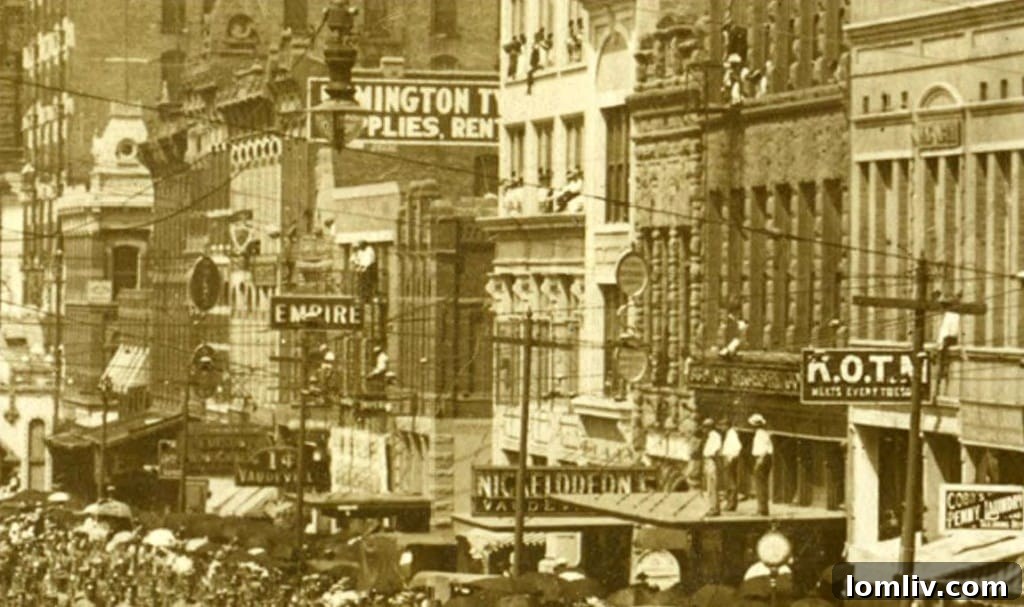
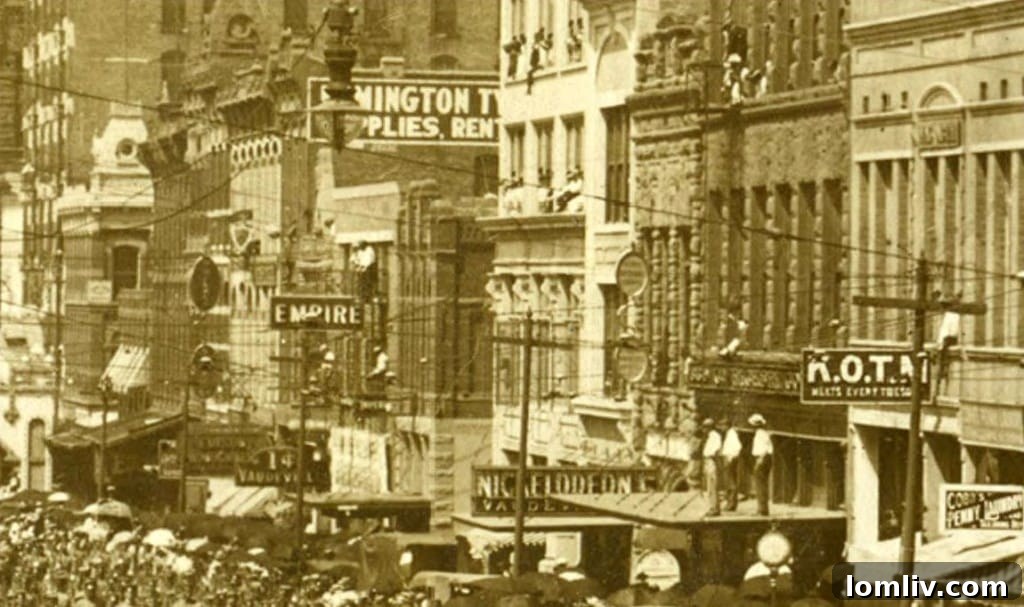
The event that galvanized preservationists and drew widespread criticism centered on the razing of 1611 Main Street and several other venerable structures on that pivotal downtown block. These weren’t just old buildings; they were cherished landmarks, embodying over a century of Dallas’s rich history and unique architectural identity. Their demolition was not merely an act of urban renewal but, for many, a deeply felt loss of character and continuity.
The primary driver behind this controversial demolition was Headington Companies, who sought to expand their upscale Joule Hotel. While economic development and revitalization are vital for any growing city, the manner and timing of this particular project—dubbed a “surprise demolition” by many—were particularly jarring. It felt like a deliberate circumventing of public discourse, a strategic move to complete the deed before significant opposition could coalesce. This approach left many preservationists, and indeed at least one prominent architecture critic, aghast and heartbroken. The sight of these beautiful old buildings turning to rubble fueled outrage and underscored a critical vulnerability in the city’s approach to protecting its past.
A City Vulnerable: The Lack of Robust Preservation Policies
Despite the considerable public outcry following the Main Street incident, Dallas still grappled with a significant challenge: the absence of a robust, comprehensive plan to safeguard its historic downtown core. The fear was, and to some extent remains, that without strong protective measures, other irreplaceable structures could face a similar fate. The issue was so pressing that City Hall itself recognized the urgency, scheduling discussions to address the ongoing threat of unchecked demolitions.
These discussions, designed to bring transparency and potential solutions to the forefront, began with a fundamental step: inventorying the city’s unprotected “historic” structures. This crucial list was compiled by dedicated city staff with invaluable assistance from Preservation Dallas, an organization at the forefront of advocating for the city’s architectural heritage. The inventory highlighted a stark reality: while certain areas of downtown Dallas boast designations from esteemed bodies like the National Historic Register and the Texas Historical Commission, these honors often amount to little more than symbolic recognition.
The harsh truth, repeatedly demonstrated by events like the Main Street demolition, is that these designations, while prestigious, frequently offer no enforceable legal protection against demolition. A plaque on the wall, a nod to historical significance, provides scant defense against the wrecking ball. This systemic gap in protection creates an environment where developers, driven by market demands, can often proceed with demolition without significant legal impediment, even when public sentiment and historical value argue strongly against it. It’s a recurring pattern; as FlashbackDallas meticulously documented, the city had previously compiled a similar list of historic structures back in 1981—when 1611 Main was already 96 years old. Yet, tragically, very little tangible protection or action resulted from that earlier effort, illustrating a long-standing challenge in Dallas’s urban planning.
Seeking Solutions: Council Debates and Divergent Paths
The aftermath of the Main Street demolitions catalyzed a renewed, albeit complex, debate within the Dallas City Council. There was a palpable sense that the city could no longer afford to merely acknowledge its history; it needed to actively protect it. The discussions explored various avenues to prevent further erosion of downtown’s historic building stock, aiming to move beyond symbolic gestures towards enforceable policies.
The city’s internal staff, while acknowledging the problem, leaned towards a cautious approach, generally advising against a sweeping, blanket moratorium on demolition. Their concerns likely revolved around potential economic repercussions, legal challenges, and the need for flexibility in urban development. However, a significant “plot twist” emerged in the form of Councilmember Vonciel Jones Hill, who adopted a far more resolute stance. As chronicled in a masterful report by Robert Wilonsky, Councilmember Hill advocated for a complete halt to all demolitions, at least temporarily.
“Stop tearing them down, period, and then designate which ones we really think never need to be torn down,” stated Jones, articulating a clear, uncompromising vision. She recognized the potential intersection with economic development, but believed, “those things can be worked out within a short time before somebody goes out there and wrecks, for example, the Statler, just pulling one of them out of the air.”
This stark contrast in approaches—a cautious, incremental strategy versus a decisive, immediate moratorium—highlighted the difficult choices facing the council. Implementing a blanket ban, even temporary, could certainly provide a much-needed breathing room for comprehensive assessment and planning. It would halt potential losses and force a re-evaluation of priorities. However, it also raised questions about property rights, the impact on developers, and the city’s broader economic growth strategy. Conversely, a piecemeal approach, while less disruptive to development, risked being too slow and reactive, potentially allowing more historic buildings to fall victim to the wrecking ball before adequate protections could be put in place. The stakes were incredibly high, with the very character of downtown Dallas hanging in the balance.
The Enduring Value of Historic Preservation in Dallas
The debates surrounding demolition and preservation in Dallas transcend mere brick and mortar; they delve into the heart of the city’s identity. Preserving historic buildings is not simply about nostalgia; it’s a strategic imperative for a vibrant, sustainable future. These structures are tangible links to Dallas’s past, telling stories of its pioneers, its economic booms, its cultural evolution, and the architectural trends that shaped its skyline over decades.
From an economic standpoint, historic preservation offers significant benefits. Heritage tourism thrives on unique, well-preserved urban environments, drawing visitors who seek authentic experiences rather than generic modernity. Historic districts often foster a rich ecosystem of unique businesses, cafes, and boutiques that contribute to local charm and economic diversity. Furthermore, the adaptive reuse of existing buildings is a cornerstone of sustainable development, reducing waste, conserving energy embodied in existing materials, and creating distinctive spaces that cannot be replicated by new construction. Rehabilitated historic properties frequently command higher property values and attract long-term investment, demonstrating that preservation can be a powerful engine for economic growth and stability.
Culturally, these buildings are irreplaceable. They contribute to the city’s unique aesthetic, create a sense of place, and foster community pride. The craftsmanship and architectural styles of yesteryear offer a level of detail and character that is often absent in contemporary construction. Losing these structures means severing ties with generations past, diminishing the city’s narrative, and creating a more homogeneous, less interesting urban fabric. The shock and sorrow expressed by citizens following the Main Street demolitions were a testament to this profound connection—a recognition that these buildings were more than just assets; they were part of Dallas’s collective memory and soul.
Charting a Future: Pathways for Stronger Protection
As Dallas moves forward, the imperative to balance growth with preservation becomes ever more critical. The discussions initiated by the city council were a step, but they must evolve into concrete, enforceable policies. This requires a multi-faceted approach:
- Stronger Local Landmark Designations: Moving beyond symbolic plaques, Dallas needs local landmark designations with real teeth, empowering the city to prevent unwarranted demolitions and ensure sensitive rehabilitation.
- Incentives for Preservation: Implementing robust tax credits, grants, and zoning incentives can make preservation a more attractive and financially viable option for property owners and developers.
- Proactive Planning: Developing a comprehensive, city-wide preservation plan that identifies vulnerable areas and outlines strategies for their protection, rather than reacting to imminent threats.
- Public-Private Partnerships: Fostering collaboration between city government, preservation organizations, and private developers to find creative solutions that honor history while meeting contemporary needs.
- Increased Public Awareness and Education: Engaging the community through educational programs and public campaigns to highlight the value of historic resources and cultivate a culture of preservation.
The choice before Dallas is clear: to be a city that learns from its past and actively safeguards its unique architectural heritage, or one that continually erases it in the pursuit of immediate development. The spirit of its downtown, its very identity, depends on the decisions made today to protect the irreplaceable legacies of yesterday.
Further Resources on Downtown Dallas Preservation
For those interested in delving deeper into the specifics of Dallas’s historic preservation efforts and the proposals discussed by the city council, the following briefing document provides invaluable context and detail:
Preservation Status Downtown Downtown Briefing