In a world where travel remains a luxury, the opportunity to experience the artistic grandeur of Italy often feels just out of reach. Yet, for many, the Kimbell Art Museum in Fort Worth has bridged this geographical gap, bringing a slice of unparalleled Italian heritage directly to its galleries. The exhibition, a magnificent showcase of masterpieces from the Capodimonte Museum, serves as a poignant reminder of the enduring power of art to transport and inspire. While the bittersweet feeling of longing for Italy is palpable, there’s immense gratitude for the privilege of witnessing such a sumptuous visual feast presented right here.
Having previously encountered these very works in their native home in Naples, Italy, the experience at the Kimbell was remarkably transformative. As promised by George Shackelford, the curator, seeing these iconic paintings intelligently hung and impeccably lit within the Renzo Piano Pavilion provided an entirely new perspective. It was, indeed, like encountering them for the very first time, allowing for a deeper appreciation of their intricate details, historical significance, and artistic brilliance.
This exhibition isn’t just a collection of beautiful paintings; it’s a journey through centuries of Italian art history, offering profound insights into the cultural, political, and social landscapes that shaped the Renaissance and Baroque eras. The meticulous curation and the Kimbell’s serene environment elevate the viewing experience, making each artwork resonate with fresh intensity and revealing previously unnoticed nuances.
The Illustrious Legacy of the Farnese Family and the Capodimonte Collection
At the heart of the Capodimonte collection lies the formidable legacy of the Farnese family, whose ascent to power dramatically reshaped the artistic landscape of Italy. Their influence burgeoned with the election of Alessandro Farnese as Pope Paul III, an event that marked a significant turning point in both the family’s fortunes and the artistic patronage of the era. The exhibition masterfully highlights this lineage, featuring two compelling portraits of Paul III by the revered Raphael – one depicting him in his middle age as a cardinal, and another, a splendid and astute portrayal by Titian, capturing him as a wily old fox in his pontifical robes. These portraits not only document a pivotal figure in history but also showcase the differing artistic interpretations of two Renaissance giants.
The collection further extends its historical narrative to Pope Paul III’s less fortunate predecessor, Clement VII. His portrait by Sebastian del Piombo reminds viewers of the turbulent political climate of the 16th century, specifically the harrowing Sack of Rome, during which Clement VII was forced to self-imprison himself for six months within the formidable Castel Sant’Angelo. These portraits serve as vital historical documents, humanizing the powerful figures who shaped European history and art.

It’s crucial to remember that the vast majority of this invaluable collection, including an astonishing array of antique statues for which Michelangelo himself designed niches in the magnificent Palazzo Farnese in Rome, originally resided in the Eternal City. This grand palazzo, a testament to Farnese power and artistic sensibility, housed treasures that defined taste and scholarship for generations. However, in a move that stirred tremendous opposition and controversy, Ferdinand IV of Naples, whose grandmother Elizabeth Farnese had inherited the entirety of the Farnese legacy, orchestrated the relocation of all these statues and paintings to Naples in 1787. This monumental transfer established the core of what would become the Capodimonte Museum, forever changing the cultural landscape of both Rome and Naples. The act underscored the complex interplay of familial inheritance, political power, and cultural patrimony in 18th-century Italy, solidifying Naples as a major artistic hub.
Unforgettable Masterpieces: A Closer Look at the Exhibition’s Highlights
The exhibition proudly presents forty exceptional works of art, each a testament to the unparalleled creativity of Italian masters. Among these, several pieces immediately command attention, leaving an indelible impression on the viewer.
Parmigianino’s Ravishing Lucrezia: A Study in Sensual Surrealism
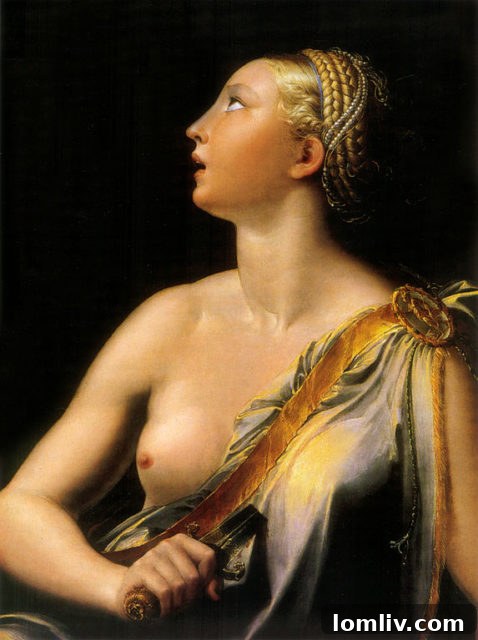
One of the most captivating works on display is Parmigianino’s “Lucrezia,” a ravishing representation believed to be the artist’s final work before his untimely death at the age of 37. This masterpiece exemplifies the Mannerist style, characterized by its elegance, elongated forms, and sophisticated complexity. Parmigianino’s genius is evident in the shimmering luminescence he achieves in rendering flesh, hair, and silk, which stand in stark contrast to the deep, dark background. The result is a nearly photorealist effect that simultaneously evokes a profound sense of sensuality and surrealism. The painting draws the viewer into a world of refined beauty and tragic narrative, a hallmark of Parmigianino’s unique artistic vision.
Baroque Grandeur: Mattia Preti and Ribera
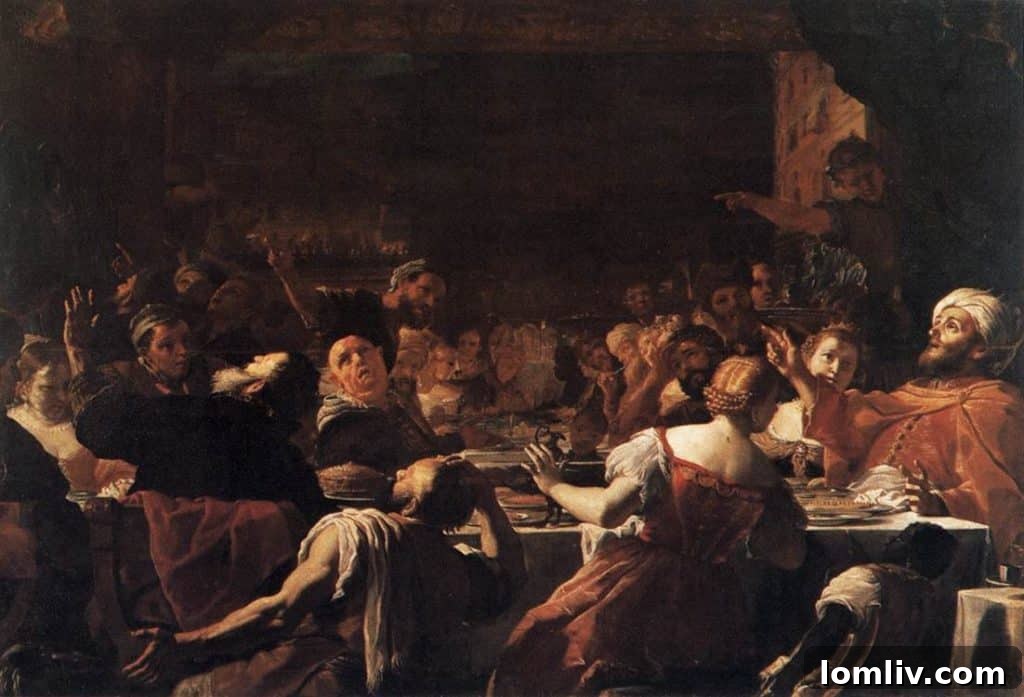
The opulent drama of the Baroque era is vividly brought to life through works like Mattia Preti’s “The Feast of Belshazzar.” This massive canvas, measuring an imposing six by eight-and-a-half feet, was painted in Naples around 1665 and is an unabashed display of profligacy and cupidity. Preti, a leading figure of the Neapolitan Baroque, uses grand scale and dramatic lighting to depict the biblical narrative, offering a fascinating, perhaps even critical, glimpse into the lavish, often excessive, court life of his time. The painting is a visual spectacle, teeming with figures and rich details that invite prolonged contemplation.
Even more excessive in its portrayal of human indulgence is Jusepe de Ribera’s “Drunken Silenus,” also painted in Naples. Ribera, a Spanish artist who profoundly influenced Neapolitan painting, masterfully renders Silenus, the mythological companion of Bacchus, wallowing and even reveling in his own corpulence. With a glass poised to receive more wine, Silenus embodies unrestrained pleasure, while a grotesque Pan looks on. Ribera’s characteristic use of chiaroscuro and raw naturalism imbues the scene with a gritty realism that is both captivating and unsettling, perfectly capturing the hedonistic spirit of the myth.
Artemisia Gentileschi: A Feminist Icon of the Baroque
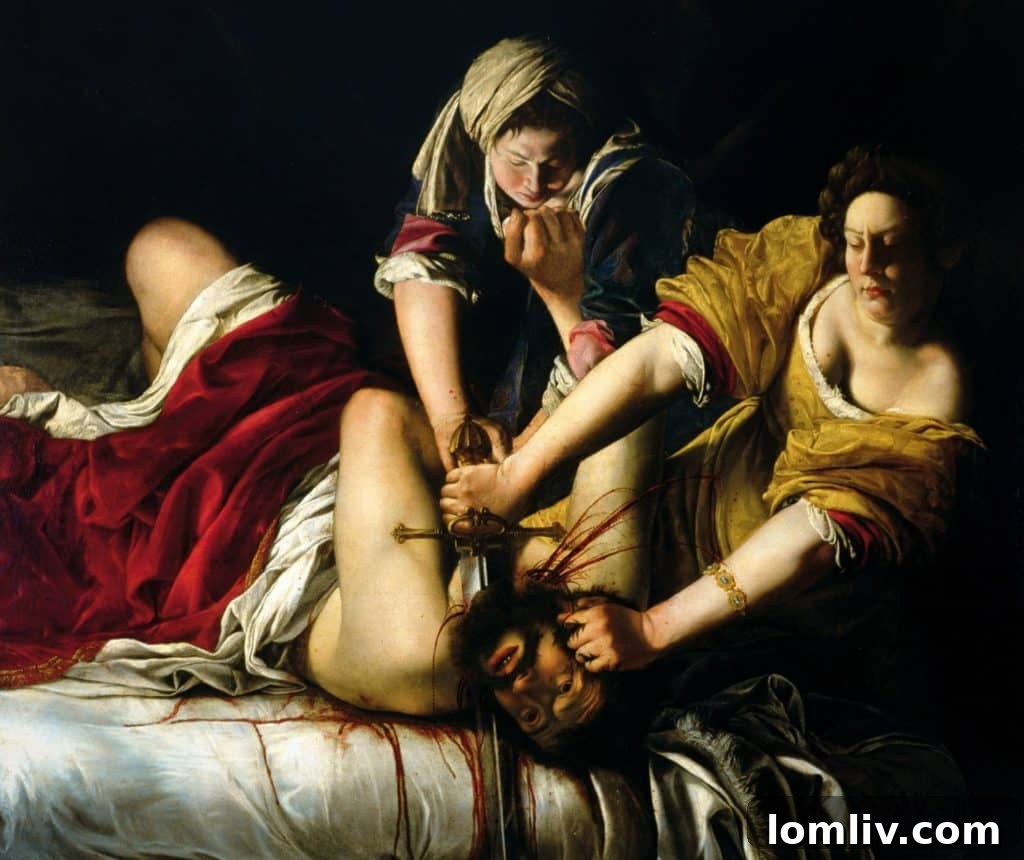
Artemisia Gentileschi’s prestige as a preeminent Baroque painter continues to grow, with her compelling narrative and powerful artistry captivating contemporary audiences. While an exhibit of her art at The National Gallery in London faced delays due to the COVID-19 pandemic, it was eventually set to open, underscoring her global significance. Her shocking and powerful “Judith and Holofernes” on display at the Kimbell is as gory and dramatic as anything conceived by her contemporary, Caravaggio, whose influence on her style is unmistakable. Gentileschi’s frequent depictions of strong female subjects, combined with the personal trauma of her own rape as a young woman, solidify her status as a compelling feminist subject – a Baroque Frida Kahlo, if you will. Her work is not merely art; it is a profound statement on resilience, justice, and the female experience, rendered with uncompromising artistic skill and emotional depth.
The Carracci and Their Enigmatic Curiosities
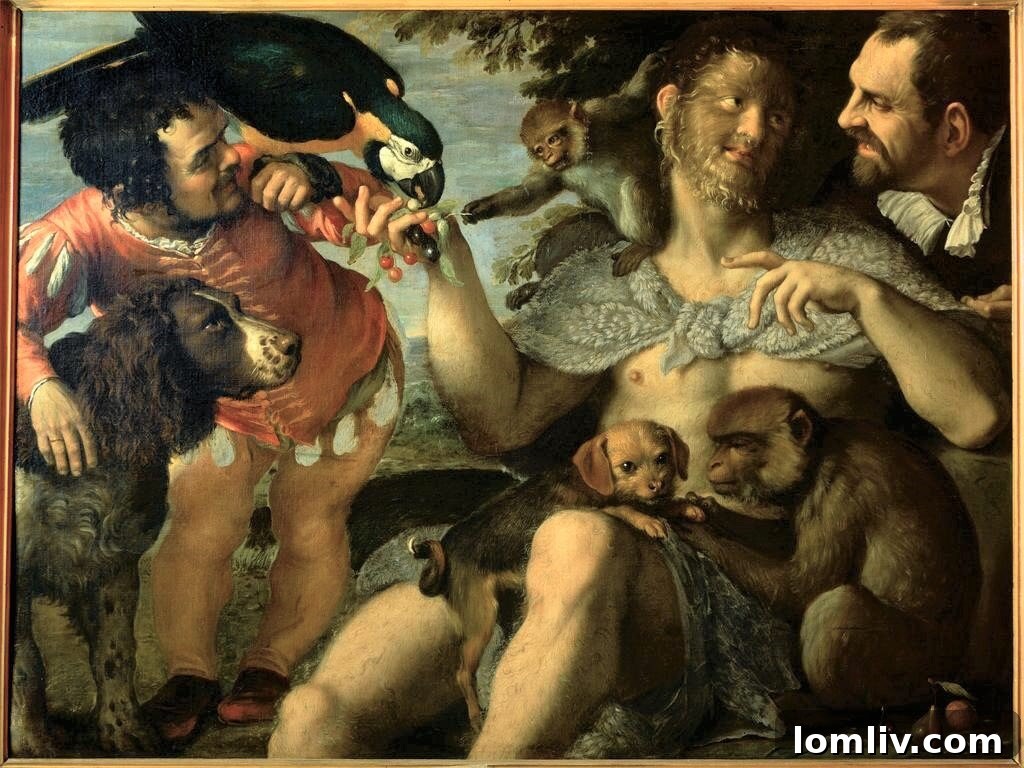
The exhibition also features a significant cluster of four pictures by the Carracci family – Annibale, Agostino, and Ludovico – and their artistic circle. The Carracci were pivotal figures in the late 16th and early 17th centuries, instrumental in shaping the course that Baroque art would take. Until the 19th century, they were revered as highly as Raphael, laying the groundwork for many subsequent artistic developments. A particular curiosity among their contributions is a canvas by Agostino Carracci titled “Hairy Harry, Mad Peter, and Tiny Amon (Arrigo Peloso, Pietro Matto e Amon Nano).”
This densely populated and rather eccentric picture defies conventional composition, yet it somehow works in spite of itself. The human subjects depicted were physical curiosities within the court of Odoardo Farnese, joining a menagerie of parrots, dogs, and a monkey. This artwork serves as a stark reminder that a certain medieval callousness and crudeness, much like the Gonzaga family’s fascination with dwarfs, persisted longer in European courts than one might typically imagine. It offers a fascinating, albeit somewhat unsettling, glimpse into the social dynamics and entertainment preferences of the elite during a period of profound artistic and intellectual advancement.
Fort Worth’s Enduring Commitment to World-Class Art
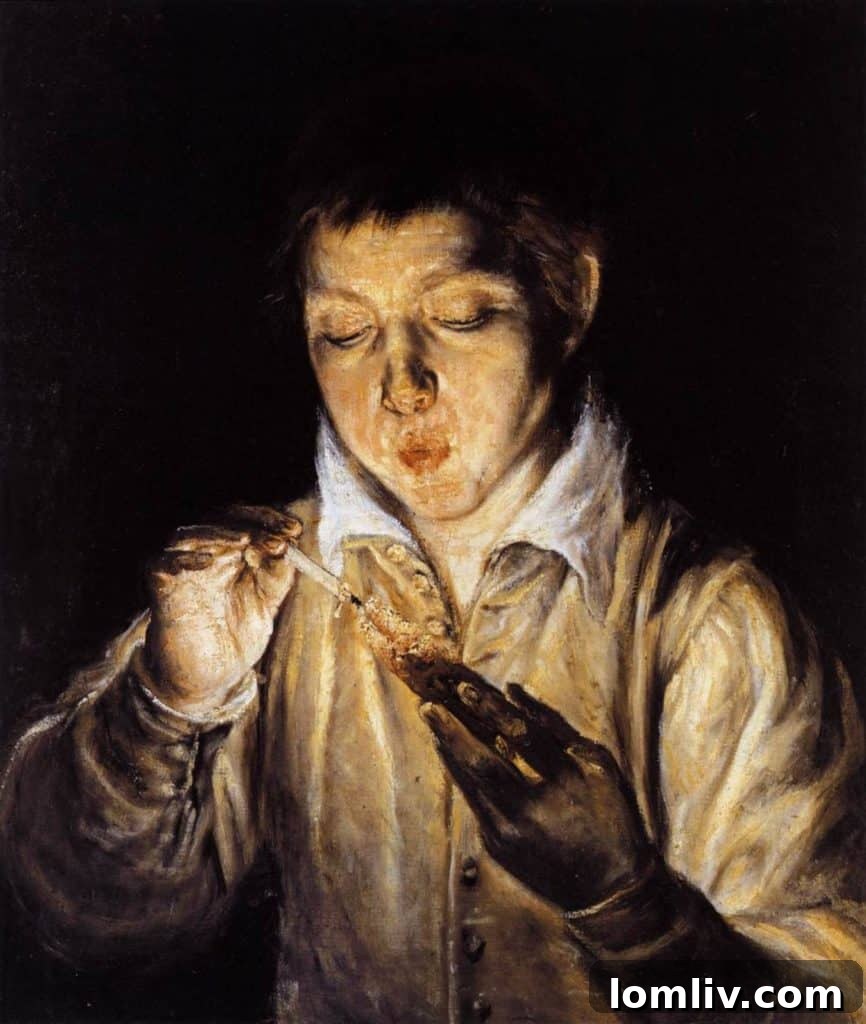
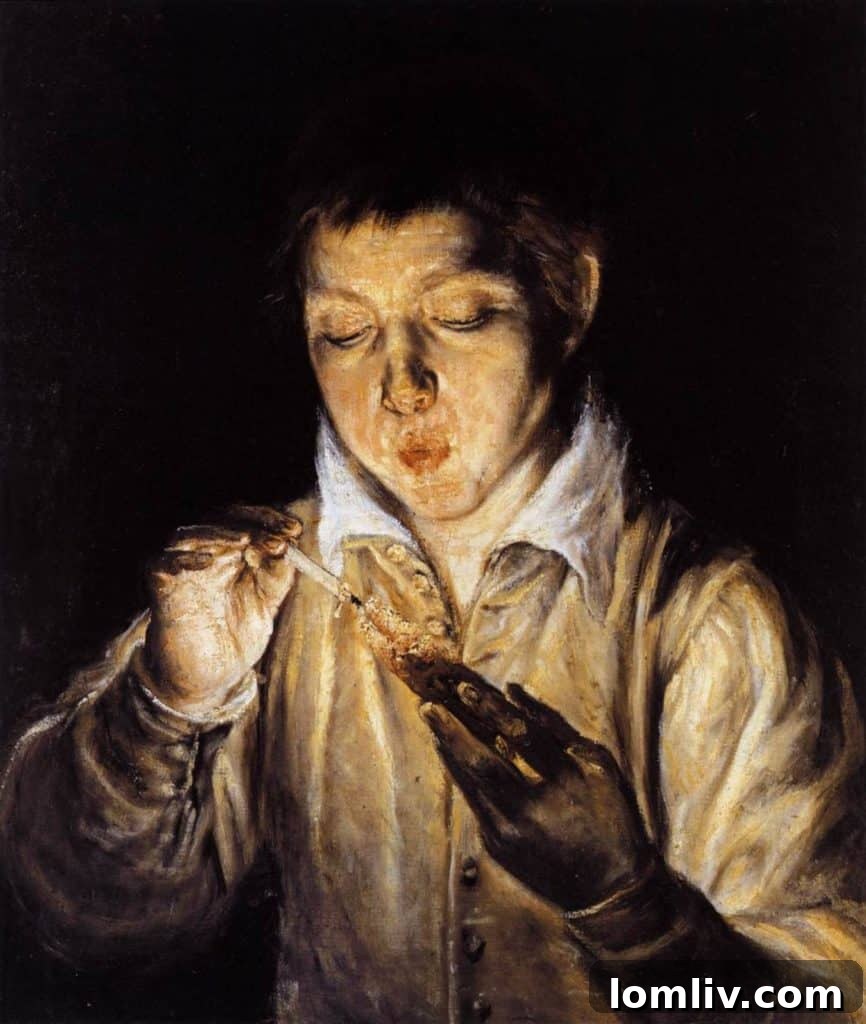
Fort Worth consistently demonstrates its capacity to “punch above its weight class,” continually mounting exhibitions of world-class caliber that enrich the cultural landscape. This Capodimonte exhibition is a prime example of the Kimbell Art Museum’s dedication to bringing globally significant art to its audience. Beyond temporary shows, the Kimbell’s permanent collection itself boasts an impressive array of masters, many of whom are also represented in the Capodimonte collection. Visitors can admire exquisite examples by El Greco, Annibale Carracci, Titian, Caravaggio, Ribera, Guido Reni, and Parmigianino, offering a consistent thread of artistic excellence and providing context for the visiting masterpieces.
For those who experienced this extraordinary exhibition or wish to preserve its memory, a comprehensive catalogue raisonné is available. This beautifully produced book, detailing the history and significance of these Italian masterpieces, can be purchased at the museum gift shop for $30. It serves as an invaluable resource for further exploration and appreciation of these treasures.
This exhibition, a true intellectual and visual feast, was originally extended, allowing more visitors to immerse themselves in the rich tapestry of Italian art and history. Such opportunities underscore the Kimbell’s vital role in fostering art appreciation and cultural understanding, making masterpieces accessible to all. The Capodimonte collection, with its deep historical roots and breathtaking artistry, continues to inspire and educate, solidifying its place as one of the world’s most significant cultural legacies.