Welcome to “Upon Closer Inspection,” a weekly series brought to you by the meticulous experts at Green Scene Home Inspections, dedicated to providing Daltxrealestate.com readers with essential insights into home maintenance and market readiness.
As the vibrant hues of autumn emerge and the housing market transitions, preparing your home for sale this season presents a unique opportunity to captivate buyers and secure a swift, profitable transaction. A proactive approach to home preparation, focusing on key aesthetic and maintenance issues, is paramount. This strategic foresight not only enhances your property’s allure but also minimizes potential negotiation hurdles and unexpected surprises that can derail a sale.
Selling a home is more than just listing it; it’s about presenting a meticulously cared-for asset that instills confidence and excitement in potential buyers. By addressing critical areas before your home hits the market, you empower yourself with control over the selling narrative, ensuring your property shines brightly amidst the competition.
1. Eliminate Common Deal-Breakers: Mold, Pests, and Rodents
Certain issues within a home are instant deal-breakers, leaving an indelible negative impression on prospective buyers. These aren’t just minor flaws; they are significant red flags that can cause a buyer to walk away without a second thought. Identifying and eradicating these issues before your first open house is crucial for a successful sale.
The Silent Threat: Mold Infestation
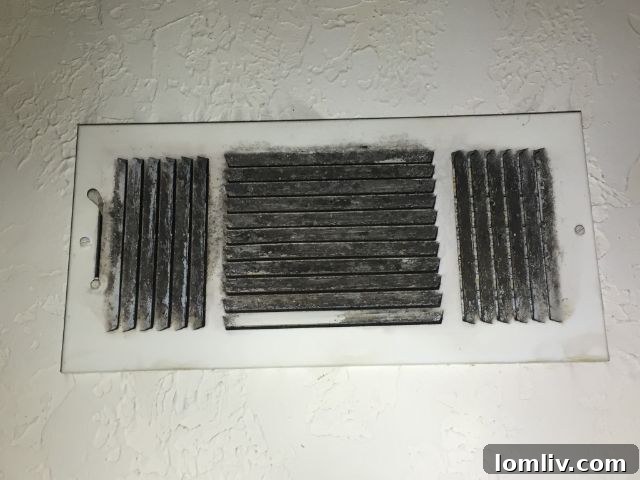
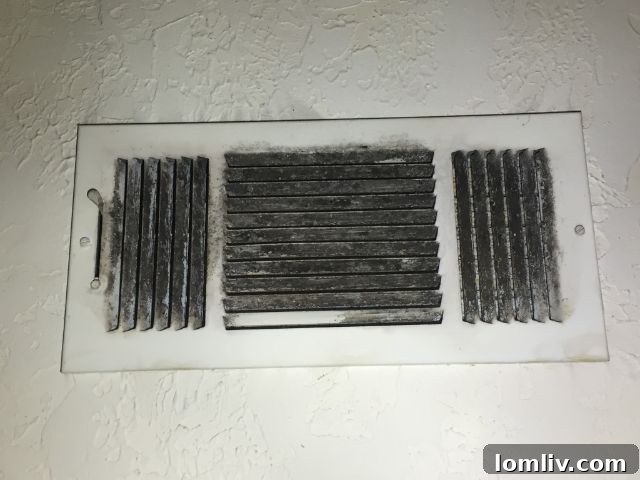
Mold is more than just an unsightly stain; it represents a significant health hazard and often indicates underlying moisture problems. When a potential buyer encounters a dirty or visibly moldy air conditioning grate, like the one pictured below, their imagination immediately jumps to worst-case scenarios:
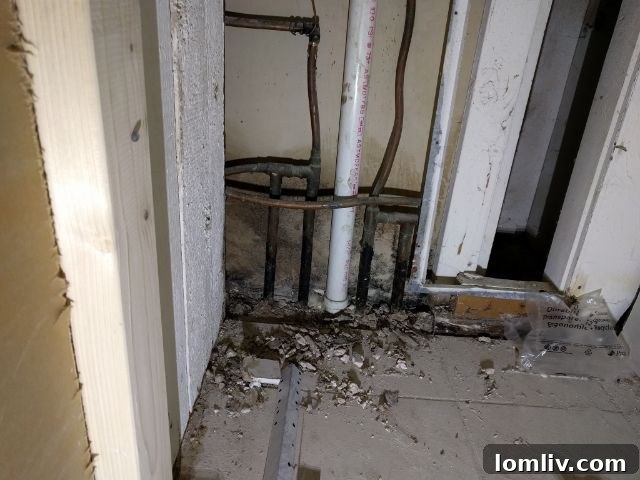
They envision extensive, costly remediation projects, compromised indoor air quality, and potential health risks for their family. Common areas for mold growth include bathrooms, kitchens, basements, attics, and around windows, especially in humid climates or areas with poor ventilation. Check under sinks, behind appliances, and in any areas susceptible to leaks or condensation. While small surface mold might be manageable with DIY cleaning, extensive mold growth or mold indicating a deeper water issue requires professional assessment and remediation. Failing to address mold not only deters buyers but can also complicate disclosure requirements, potentially leading to legal repercussions down the line. Investing in professional mold inspection and remediation ensures both peace of mind for you and confidence for your future buyer.
Unwanted Guests: Pests and Rodents
The presence of pests or rodents can trigger profound psychological deterrents for potential buyers. Visions of horror movies and lasting nightmares often replace the dream of a new home. Discovering evidence of an infestation, whether it’s a spider problem, ant trails, or worse, rodent droppings, can swiftly send buyers packing.
Consider the immediate revulsion and apprehension a buyer would feel upon encountering evidence like this:
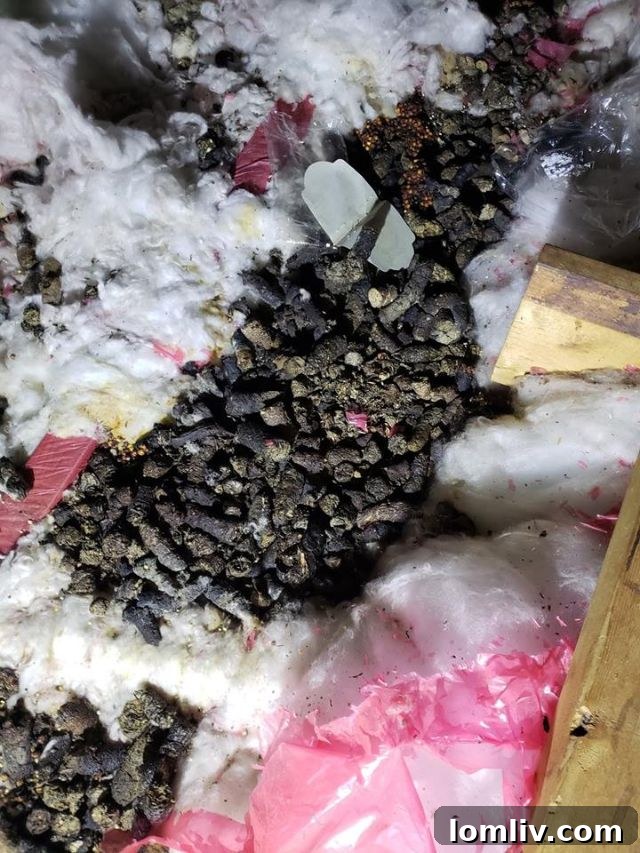
Signs of rodents, such as droppings, gnaw marks, or strange scratching noises, suggest a deeper problem that could impact health and structural integrity. Similarly, evidence of termites or other wood-destroying insects can signal catastrophic damage. Before listing your property, schedule a comprehensive inspection with a professional pest control company. Addressing any existing issues promptly and effectively demonstrates a well-maintained home, eliminating one of the most potent buyer turn-offs. Prevention is key: seal cracks and openings in your home’s foundation and exterior, ensure proper food storage, and keep your property free of debris that could attract pests. A pest-free home communicates cleanliness, safety, and diligent upkeep, factors that are invaluable in attracting serious offers.
2. Recover from the Seasonal Extremes: Preparing for Fall Sale
For many regions, particularly those prone to harsh weather conditions like the intense heat and severe storms of a Texas summer, preparing your home for a fall sale often means a thorough recovery from the preceding season. The summer months can be incredibly taxing on your property, leaving behind a trail of wear and tear that must be addressed.
Addressing Exterior Wear and Tear
Begin your recovery process by meticulously inspecting the exterior of your home. Examine the foundation perimeter for signs of soil erosion, which can undermine structural integrity over time. Heavy rains and prolonged heat can cause soil to shift, leading to cracks in the foundation or pathways. Consider simple landscaping adjustments or regrading to ensure proper water drainage away from the house. Next, dedicate time to your roof and gutter system. Clear accumulated leaves, twigs, and other debris from gutters and drain spouts to ensure they function efficiently, preventing water overflow that can damage siding, fascia, and even the foundation. Inspect roof surfaces for missing, cracked, or curled shingles—damage often exacerbated by high temperatures and strong winds. Additionally, trim back any tree branches that are overhanging the roof or encroaching on electrical wires, as these pose risks of damage during storms and can provide easy access for pests. Don’t forget to check the flashing around chimneys and other roof penetrations, along with attic seals, to prevent water intrusion.
The Importance of Outdoor Amenities
If your property includes a pool, its condition can significantly impact buyer perception. A neglected pool with murky water and debris can instantly detract from the appeal of an otherwise beautiful backyard. Imagine trying to envision a relaxing day by the pool when faced with a scene like this:

A professionally closed and well-maintained pool, even if not actively in use during the fall, signals a homeowner who cares for their property. Ensure the pool area is clean, the water is balanced, and all equipment is in good working order. A pristine outdoor space enhances curb appeal and demonstrates that the home has been lovingly maintained, reflecting positively on the entire property. Addressing these exterior elements not only prevents potential issues from being flagged during an inspection but also creates an inviting first impression, setting a positive tone for the rest of the viewing.
3. Ensure Peak Performance: A Thorough Check of Your Home’s Major Systems
Beyond cosmetic fixes, the functionality and condition of your home’s major systems are paramount. These are the backbone of comfort, safety, and efficiency, and any issues can lead to significant buyer apprehension and costly negotiations. Proactive maintenance and repair of these systems before listing are non-negotiable.
HVAC, Plumbing, and Electrical Systems
Start with your HVAC (Heating, Ventilation, and Air Conditioning) system. Is it running efficiently? When was its last professional tune-up? A well-maintained HVAC system provides consistent indoor comfort and indicates lower energy bills for the new owners. Replace air filters, ensure outdoor units are clear of debris, and consider a professional inspection to identify any underlying issues. Next, evaluate your plumbing: Are there any leaks, drips, or signs of water damage? How old is your water heater? An aging water heater could be a ticking time bomb for potential leaks or inefficiency, a major concern for buyers. Ensure all faucets, toilets, and drains are functioning correctly and free of blockages. For the electrical system, check that all outlets, switches, and fixtures are working properly. Ensure ground fault circuit interrupters (GFCIs) are installed in bathrooms and kitchens, and test them to ensure they provide essential safety.
Appliance Functionality and Sprinkler System Efficiency
All built-in appliances—oven, dishwasher, microwave, garbage disposal—should be in excellent working condition. A buyer expects a move-in ready home, and discovering a faulty appliance during the inspection phase can lead to frustrating delays and price reductions. Furthermore, don’t overlook your sprinkler system. It plays a crucial role in maintaining your landscaping and curb appeal, especially after a harsh summer. Walk through your yard and carefully inspect for damaged or missing sprinkler heads, malfunctioning rotors, or heads pointed in inefficient directions (e.g., watering the sidewalk instead of the lawn). This might seem like a minor detail, but inefficient watering wastes water, increases utility bills, and indicates poor home maintenance. A simple sprinkler head replacement or adjustment that you could easily do yourself now will cost significantly more if you’re under contract and suddenly need to hire a licensed professional for an emergency repair. These types of seemingly minor oversights, while easily fixed, often create an impression of neglect, influencing a buyer’s overall perception of the home’s condition:
The Strategic Advantage of a Pre-Listing Home Inspection
To gain a comprehensive understanding of your home’s condition before it even hits the market, consider investing in a pre-listing home inspection. This professional assessment provides you with an invaluable guide to everything that might be wrong with your house, seen through the eyes of an impartial expert. The benefits are numerous and compelling:
- Empowerment and Control: You gain full awareness of potential issues, allowing you to address them on your terms. You can choose your contractors, manage costs, and set timelines without the pressure of a looming closing date.
- No Surprises at the Negotiation Table: A pre-listing inspection minimizes the chances of unexpected findings from a buyer’s inspection, which can often lead to last-minute price reductions, repair demands, or even a collapsed deal.
- Build Buyer Trust: Presenting a pre-listing inspection report, along with receipts for any completed repairs, demonstrates transparency and honesty, building significant trust with potential buyers. This can differentiate your property in a competitive market.
- Stronger Negotiation Position: By addressing major concerns upfront, you can command a stronger asking price and negotiate from a position of strength, rather than reactively responding to buyer demands.
- Smoother Closing Process: Fewer surprises translate into a more streamlined and less stressful closing for all parties involved, reducing the likelihood of delays or complications.
However, it is crucial to be aware of your legal obligations: any repair issues you uncover through a pre-listing inspection, whether fixed or not, typically must be disclosed in the seller’s disclosure statement. While this means transparency, it ultimately protects you legally and fosters a more honest transaction. By meticulously preparing your home, inside and out, and leveraging the insights from a professional inspection, you set the stage for a successful, stress-free sale this fall.