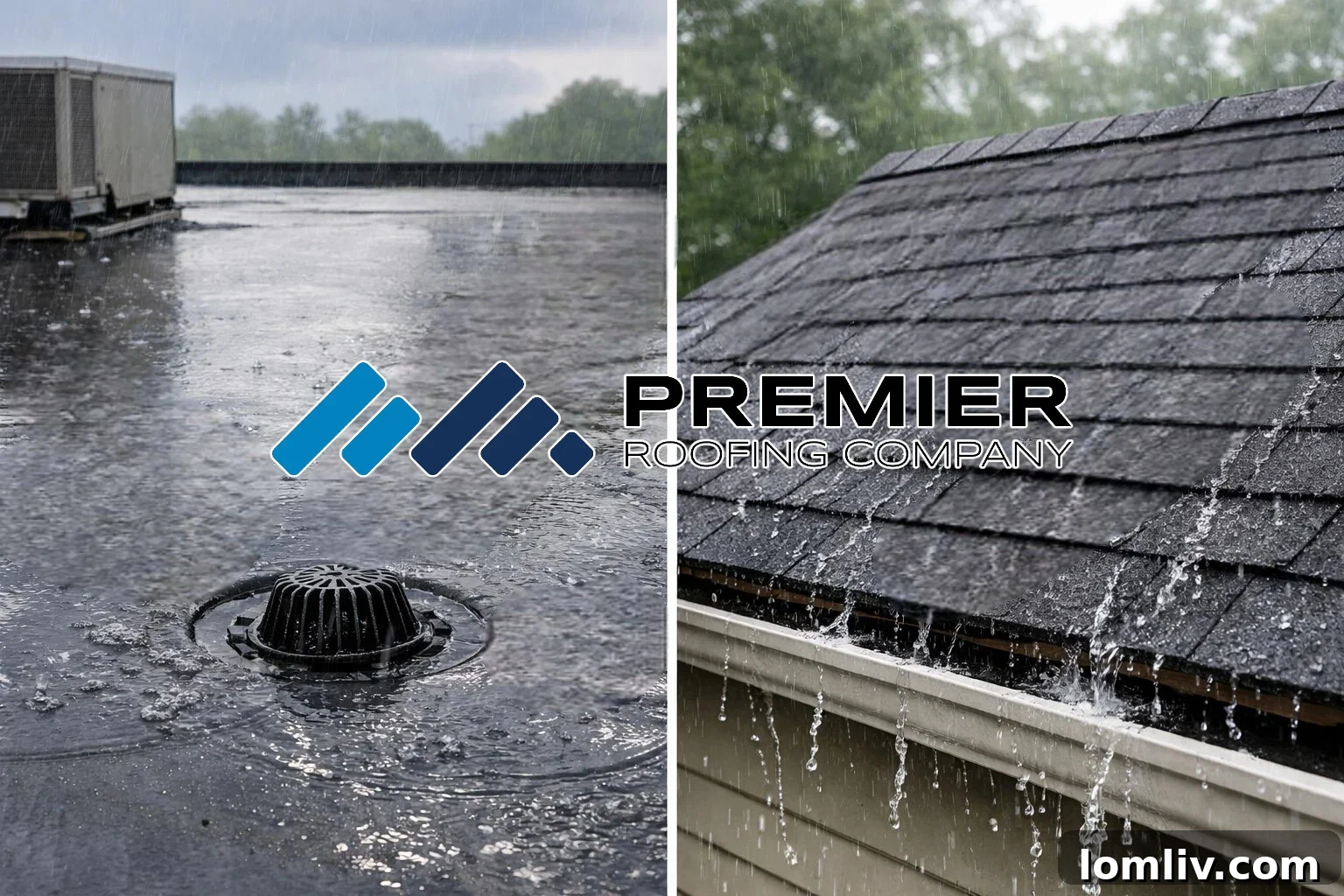
Embarking on a roofing project, whether for a new build or a much-needed replacement, involves a myriad of decisions. Among the most fundamental choices homeowners face is selecting the right roof type. Often, the initial search begins with finding affordable roof installation options, but truly, the price tag is merely one piece of a much larger puzzle. The type of roof you choose profoundly impacts your home’s aesthetic, longevity, structural integrity, and even its energy performance.
Your roof is the primary shield protecting your most valuable asset from the elements. Therefore, its construction, materials, and overall design must align seamlessly with your local climate, your budget, and your long-term lifestyle goals. This comprehensive guide will delve deep into two prevalent roofing options: flat roofs and shingle roofs. By exploring their unique characteristics, advantages, disadvantages, and ideal applications, we aim to equip you with the knowledge necessary to make an informed, confident decision for your home’s future.
Understanding Flat Roof Installation: Modern Versatility and Design
While the name suggests a completely level surface, a “flat roof” actually incorporates a very slight slope – typically between 1/4 inch and 1/2 inch per foot – meticulously designed to direct water toward drainage systems. From ground level, however, it presents a sleek, contemporary appearance that often complements modern and minimalist architectural styles. The installation of a flat roof relies on creating a continuous, waterproof membrane across the entire surface.
Common materials for flat roof systems include large sheets of rubber (EPDM), thermoplastic polyolefin (TPO), or polyvinyl chloride (PVC). These robust, synthetic membranes are carefully seamed together, either mechanically fastened, fully adhered, or ballasted, to form a monolithic barrier against water ingress. Beyond these single-ply membranes, other flat roofing options include modified bitumen, a type of asphalt-based membrane, and built-up roofing (BUR), which involves multiple layers of felt and asphalt. The clean lines and robust sealing capabilities make this style a popular choice not only for contemporary residential properties but also for a vast array of commercial and industrial buildings. Due to the minimal pitch, impeccable sealing and highly efficient drainage systems are not just beneficial but absolutely critical to prevent water pooling and potential leaks, which can compromise the roof’s integrity over time.
Advantages of Flat Roofs:
- Usable Space: Flat roofs offer unique opportunities for creating functional outdoor areas, such as rooftop decks, gardens (green roofs), or even installing solar panels with greater ease.
- Aesthetics: Their clean, geometric lines are a perfect fit for modern and contemporary architectural designs, offering a distinct visual appeal.
- Cost-Effectiveness (Initial): In some cases, the installation of certain flat roof systems can have a lower upfront material and labor cost compared to complex shingle roof designs.
- Easy Access: Maintenance and HVAC unit access are often simpler due to the flat surface.
Disadvantages of Flat Roofs:
- Drainage Criticality: Precise installation of drainage systems is paramount. Any failure can lead to standing water, which accelerates material degradation and increases the risk of leaks.
- Maintenance Intensity: Requires more frequent inspections to clear debris from drains and check for membrane damage.
- UV Exposure: More surface area is directly exposed to harsh UV rays, which can lead to faster material wear if not properly protected with reflective coatings.
Exploring Shingle Roof Installation: Timeless Protection and Versatility
A shingle roof represents one of the most widely recognized and installed roofing systems globally, particularly for residential properties. This classic design utilizes numerous individual pieces, commonly known as shingles, which are meticulously laid in overlapping rows across a sloped roof deck. Each shingle is securely fastened, typically with roofing nails, and arranged so that water effortlessly cascades down the roof’s incline, effectively shedding precipitation and directing it away from the home’s foundation.
The vast majority of shingle roofs in North America utilize asphalt shingles, renowned for their durability, cost-effectiveness, and wide array of colors and styles. However, the shingle family is diverse, encompassing architectural shingles (also known as laminate or dimensional shingles, offering a thicker, more textured appearance), three-tab shingles (the traditional flat design), and more premium options such as wood shingles or shakes, metal shingles, slate, and even composite materials. This tried-and-true design excels in protecting homes from common weather conditions, including rain, wind, and snow. A significant advantage of shingle roofs lies in their modular nature. Should a specific area or individual shingle sustain damage from high winds, hail, or falling debris, that particular section can often be repaired or replaced without necessitating a complete roof overhaul, thereby saving both time and money.
Advantages of Shingle Roofs:
- Widespread Availability: Shingles are readily available, and most roofing contractors are highly skilled in their installation and repair.
- Aesthetic Variety: Comes in an enormous range of colors, textures, and styles to complement any architectural design, enhancing curb appeal.
- Cost-Effective (Long-term): While some premium shingles can be costly, asphalt shingles offer excellent value and a long lifespan for their price point.
- Easy Repair: Individual damaged shingles can often be replaced without extensive roof work, making repairs simpler and less expensive.
- Natural Drainage: The inherent slope efficiently sheds water, reducing the risk of pooling.
Disadvantages of Shingle Roofs:
- Wind Vulnerability: In extreme high winds, individual shingles can be torn off, especially if not installed correctly.
- Weight: Some shingle types (e.g., slate) are very heavy and require reinforced roof structures.
- Limited Lifespan (for some types): Basic asphalt shingles typically last 20-30 years, less than some other premium roofing materials.
Key Differences Between Flat Roof and Shingle Roof: A Comparative Overview
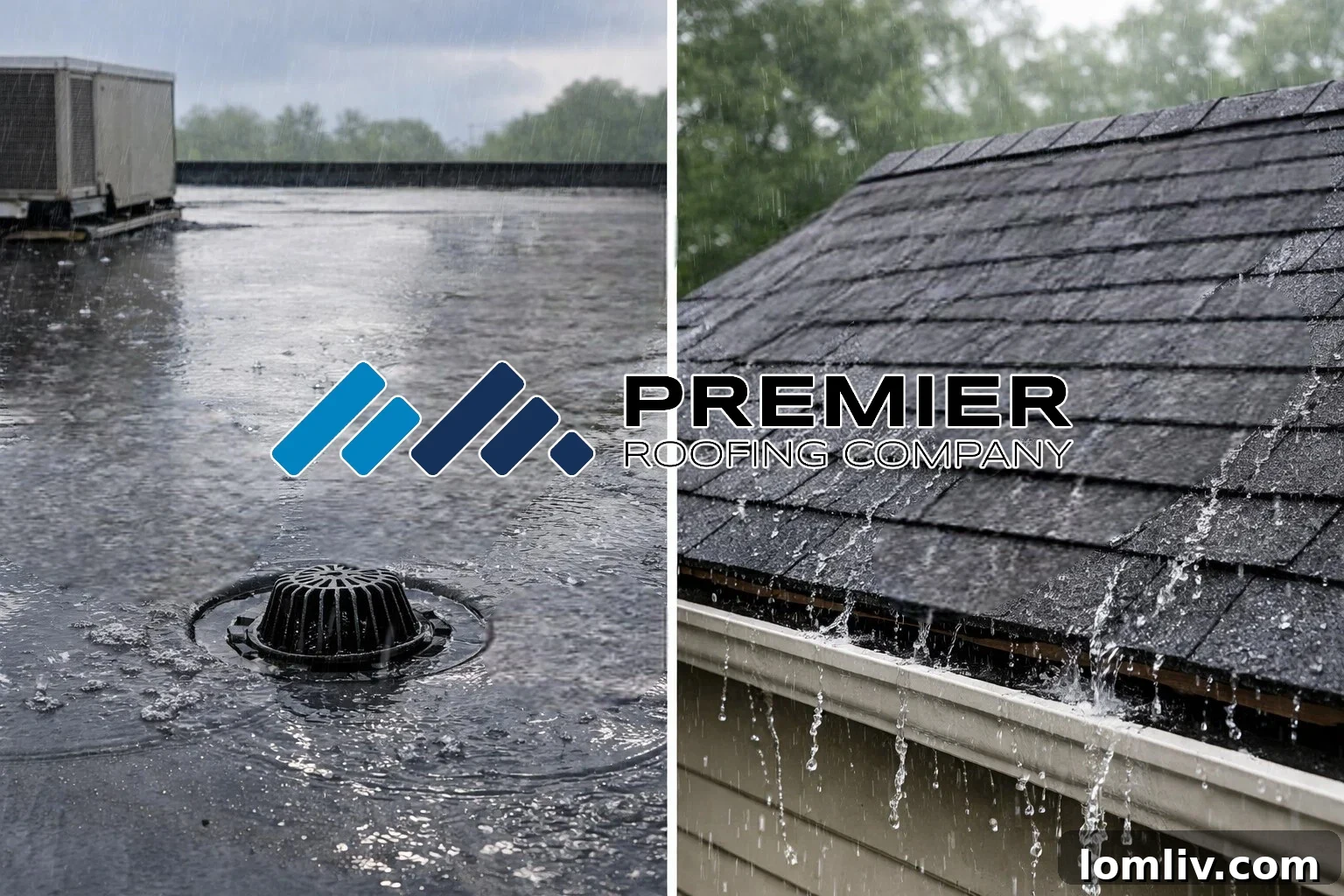
The fundamental distinctions between flat roofs and shingle roofs are rooted in their structural design and, consequently, their water management capabilities. A flat roof, despite its subtle incline, appears virtually level and relies on large, continuous waterproof membranes for protection. Conversely, a shingle roof is characterized by its distinct angle or pitch, utilizing numerous smaller, overlapping pieces to create its protective barrier.
The practical implications of these differences are significant. Water drainage on a flat roof is inherently slower, demanding meticulously engineered internal or external drainage systems to prevent accumulation. Any obstruction or failure in these systems can quickly lead to standing water, which accelerates material degradation and significantly increases the risk of leaks. In contrast, the sloped design of a shingle roof facilitates rapid water runoff, allowing gravity to efficiently carry rainwater and melted snow away from the structure. This natural drainage mechanism provides a more forgiving system, inherently reducing the potential for water pooling and related structural issues. Therefore, while a flat roof offers unique design opportunities, a shingle roof often provides a more straightforward and robust solution for water diversion, especially in regions prone to heavy precipitation.
Cost Comparison: Flat Roof vs. Shingle Roof Installation & Long-Term Value
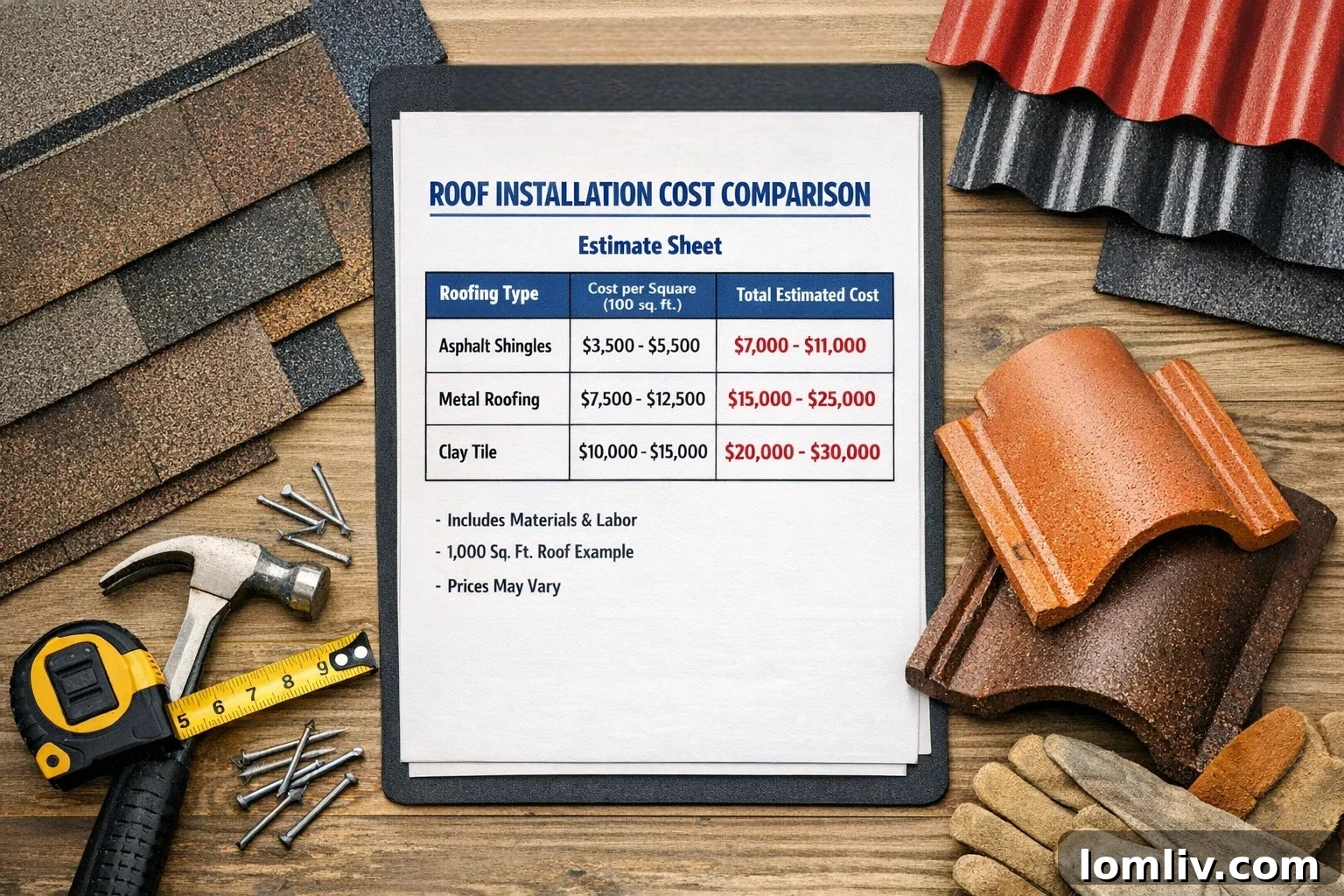
For most homeowners considering a roof replacement or new installation, cost is undeniably a primary concern. When evaluating flat versus shingle roofs, it’s crucial to look beyond just the initial sticker price and consider the long-term financial implications. A flat roof, particularly those using EPDM or TPO membranes, can sometimes boast a lower upfront cost per square foot for materials and labor. This is often because the installation process can be less labor-intensive for simpler flat designs, involving larger material sheets that cover significant areas quickly. However, this initial saving can be offset if extensive repairs become necessary, as damage to a flat roof membrane can sometimes necessitate replacing larger sections to ensure a seamless, waterproof seal.
On the other hand, a shingle roof, especially one utilizing architectural or premium asphalt shingles, might present a higher initial investment. The labor involved in laying individual shingles, ensuring proper overlap and flashing, can be more detailed and time-consuming. Nevertheless, the modular nature of shingles often translates to more affordable and localized repairs over the roof’s lifespan. If a few shingles are damaged by wind or hail, they can typically be replaced without affecting the entire roof system, significantly reducing repair costs. Therefore, while a lower upfront price point for a flat roof might seem attractive, it doesn’t always guarantee a lower long-term cost when factoring in potential repairs, maintenance, and the overall lifespan of the material. A comprehensive cost analysis should include material expense, labor, permit fees, potential energy savings, and projected maintenance and repair costs over the roof’s expected life.
Lifespan and Durability: A Long-Term Investment Perspective
When making a significant investment like a new roof, its expected lifespan and overall durability are critical considerations. These factors directly influence the long-term value and peace of mind your roofing system provides. A flat roof typically offers a lifespan ranging from 15 to 30 years, heavily dependent on the specific material chosen, the quality of installation, and the diligence of routine maintenance. Materials like EPDM and TPO often fall within this range, with PVC sometimes extending towards the higher end. Flat roofs are inherently more exposed to direct sunlight and the potential for standing water, which can accelerate wear and tear, leading to material degradation if not properly managed.
In contrast, an asphalt shingle roof, particularly those utilizing architectural or high-quality laminate shingles, can boast an impressive lifespan of 20 to 50 years with appropriate care and maintenance. Even traditional three-tab shingles typically last 15-25 years. The sloped design of shingle roofs is inherently advantageous in managing precipitation, allowing rain and snow to shed quickly and efficiently, thereby reducing prolonged exposure to moisture and its damaging effects. Furthermore, technological advancements in shingle manufacturing have led to options with enhanced resistance to impact, fire, and algae growth, significantly boosting their durability. Over time, the robust design and excellent weather-shedding capabilities can often position asphalt shingles as a more durable and reliable option for many homeowners, especially in climates experiencing varied weather patterns.
Maintenance Requirements: Proactive Care for Peak Performance
Regardless of its type, every roof requires a degree of maintenance to ensure its longevity and optimal performance. However, the level of effort and the specific tasks involved can differ substantially between flat and shingle roofs. A flat roof demands a more rigorous and proactive maintenance schedule. Regular inspections are crucial to check for pooling water, which is a primary concern. Even minor depressions can collect water, leading to accelerated membrane degradation, moss or algae growth, and eventually, leaks. Furthermore, debris buildup – leaves, branches, dirt – must be promptly cleared from drains and the roof surface to prevent blockages and maintain proper water flow. Cracks, punctures, or separation in the membrane or seams, even small ones, can quickly compromise the roof’s waterproofing if left unaddressed, turning minor issues into significant leaks.
Conversely, a shingle roof is generally considered easier to maintain, primarily because problems are often more visually apparent and localized. Missing, cracked, curled, or damaged shingles are typically easy to spot during a visual inspection from the ground or a ladder. These issues can usually be addressed quickly and efficiently by replacing individual shingles, preventing further damage to the underlayment or deck. While shingle roofs still require gutter cleaning and occasional debris removal, the risk of widespread water damage from a localized issue is considerably lower due to their sloped design. In essence, a flat roof demands more consistent vigilance and specialized care, whereas a shingle roof is generally more forgiving and simpler for homeowners to manage in terms of routine upkeep and minor repairs.
Energy Efficiency and Insulation: Optimizing Home Comfort and Costs
The energy performance of your roof is a significant factor, directly influencing your home’s comfort levels and monthly utility bills. Thoughtful planning of your roofing project should always consider how the chosen system contributes to overall energy efficiency. A flat roof offers unique advantages in this regard. Its expansive, flat surface is ideal for the application of highly reflective coatings, often white or light-colored, which effectively bounce sunlight away from the building. This can dramatically reduce heat absorption, leading to lower cooling costs, especially critical in warmer climates or during hot summer months. Furthermore, flat roofs provide an excellent platform for green roofing systems (vegetative roofs), which offer superior insulation, mitigate urban heat island effects, and improve air quality.
A sloped roof, while not typically employing large reflective coatings, can also achieve remarkable energy efficiency when designed and vented properly. Effective attic ventilation is paramount for shingle roofs. A well-designed ventilation system, comprising both intake (soffit) and exhaust (ridge or gable) vents, allows hot, moist air to escape the attic, preventing heat buildup that can radiate into living spaces below. This also helps extend the life of the roofing materials by preventing excessive heat accumulation. Both flat and shingle roofing options have the potential to be highly energy-efficient, but their mechanisms differ. The key lies in correct installation, appropriate material selection, and ensuring proper insulation and ventilation. Choosing the right roof can significantly enhance your home’s thermal comfort and contribute to substantial savings on energy expenditures over its lifetime, aligning with principles of sustainable and comfortable living.
Best Use Cases for Each Roof Type: Matching Function with Form
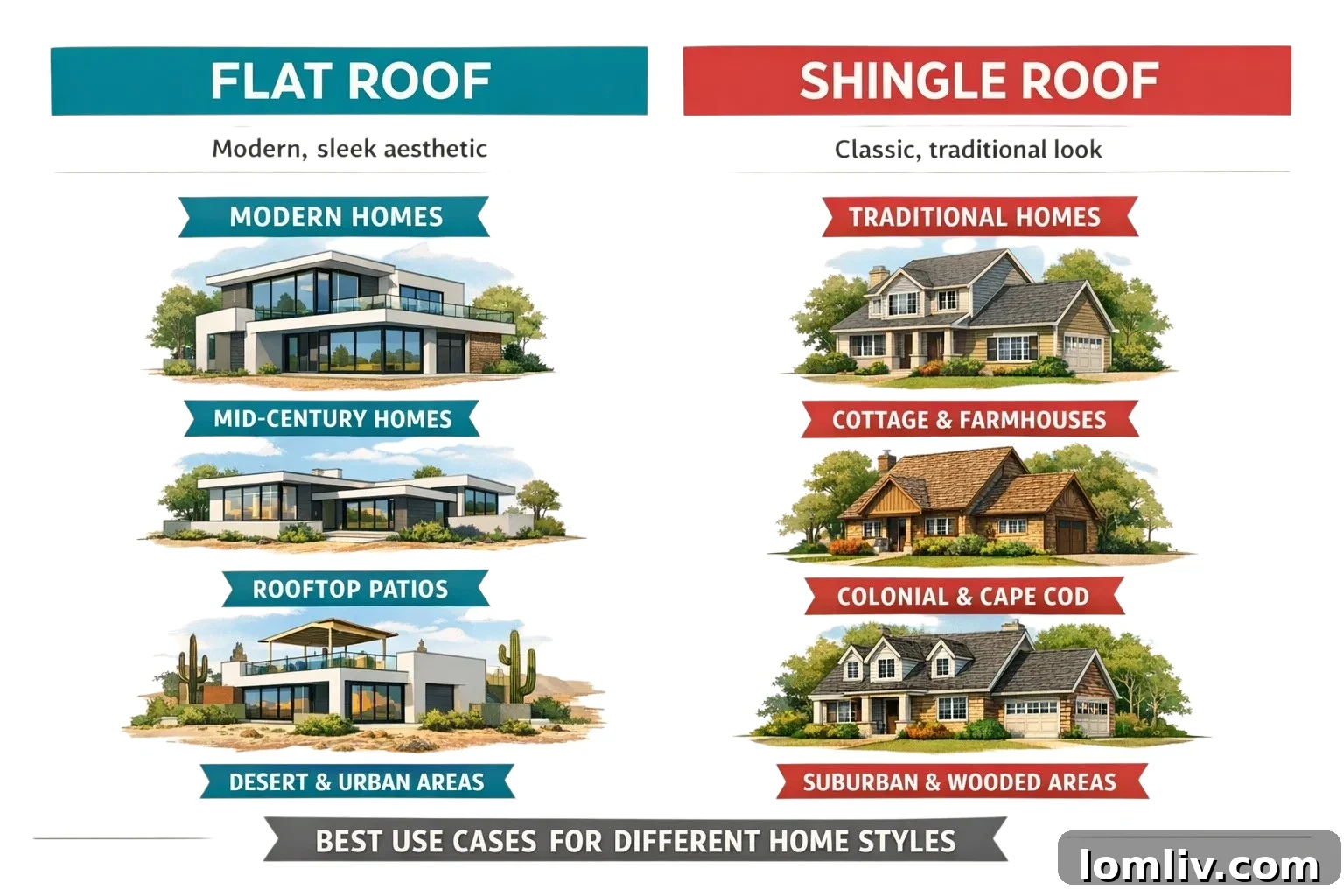
The optimal roof type for your property hinges not only on aesthetic preference and budget but also on how you intend to utilize your space and the architectural context of the building. A flat roof excels in scenarios where modern aesthetics and functional rooftop space are priorities. It is perfectly suited for contemporary architectural designs, lending a clean, minimalist silhouette that complements sleek lines and expansive glass. Beyond aesthetics, flat roofs are ideal for creating highly desired usable outdoor areas, such as rooftop patios, decks for entertaining, or vibrant green roofs that offer environmental benefits and additional insulation. They are also the standard for many commercial and industrial buildings due to their practical advantages for housing HVAC units and other mechanical equipment.
Conversely, a shingle roof is the go-to choice for traditional homes, fitting seamlessly with a wide range of architectural styles from colonial to craftsman. Its pitched design makes it inherently superior in areas that experience significant rainfall, heavy snowfall, or strong winds, as it efficiently sheds precipitation and withstands adverse weather conditions. If your primary goal is a roofing system that demands less intensive maintenance, offers robust protection against the elements, and provides a generally reliable, long-term solution without the need for specialized rooftop access or functionality, then shingles are frequently the safer and more practical bet for most homeowners. The decision ultimately boils down to aligning the roof’s characteristics with your specific needs, local climate, and architectural vision.
How the Installation Process Works: A Glimpse into Professional Roofing
Understanding the fundamental steps involved in roof installation provides valuable insight into the complexity and precision required for a durable, weather-tight system. Professional roofing contractors meticulously follow established procedures to ensure longevity and adherence to building codes. Installing a flat roof typically commences with thorough preparation of the roof deck, ensuring it is clean, dry, and structurally sound. A vapor barrier and insulation layers are then installed to enhance energy efficiency and prevent moisture issues. The crucial step involves carefully laying down large, waterproof membrane sheets (e.g., TPO, EPDM, PVC). Each seam must be expertly welded or sealed with specialized adhesives to create a continuous, impenetrable barrier against water. Proper flashing around penetrations like vents and skylights, along with the installation of effective drainage systems, completes the process, ensuring no weak points for water ingress.
For a shingle roof installation, the process also begins with deck preparation, often involving minor repairs or plywood replacement. An underlayment, such as felt paper or synthetic membrane, is rolled out and fastened over the entire roof deck to provide an extra layer of protection against moisture. Starter shingles are then installed along the eaves, followed by successive rows of main shingles, working from the bottom edge of the roof upwards towards the ridge. Each shingle is carefully aligned and fastened with roofing nails, ensuring proper overlap and exposure. Crucially, flashing – thin sheets of metal or other impervious material – is strategically installed around chimneys, skylights, valleys, and other roof penetrations to divert water away from vulnerable areas. The final steps include installing ridge caps and ensuring all ventilation components are correctly in place. In both installation types, meticulous attention to detail and professional workmanship are paramount, as even minor errors can compromise the entire roof system’s integrity and lead to costly issues over its lifespan.
Making the Right Roofing Choice: A Holistic Approach to Your Home Investment
Ultimately, the decision between a flat roof and a shingle roof transcends mere aesthetics or initial purchase price. It’s about making a strategic long-term investment that profoundly impacts your home’s performance, protection, and overall value. A flat roof can indeed bestow a striking modern appeal and unlock opportunities for valuable outdoor living space, but it comes with the imperative of diligent, regular maintenance to preserve its integrity and prevent costly water damage. Conversely, a shingle roof, while perhaps more traditional in appearance, offers a proven track record of robust durability, simpler repair processes, and superior protection against a broad spectrum of weather conditions, making it a reliable choice for the vast majority of residential applications.
When weighing your options, adopt a holistic perspective. Consider not just the immediate costs, but the cumulative expenses over the roof’s entire lifespan, including potential repairs, maintenance efforts, and energy performance. A seemingly cheaper option today might accrue higher costs down the line if it requires more frequent interventions or leads to elevated utility bills. Factor in your local climate – does your region experience heavy rainfall, intense sun, or severe winters? Assess how long you anticipate living in your home, as this influences whether short-term savings or long-term durability holds more weight. Finally, honestly evaluate your willingness and capacity to commit to ongoing maintenance. The right roof is a significant component of your home improvement strategy, serving as the ultimate guardian for your property. By making an informed decision that harmonizes with your specific needs and circumstances, you ensure your investment is protected, your home remains safe, and you gain invaluable peace of mind for many years to come.