A Real Estate Agent’s Guide to Foundation Problems: 5 Red Flags You Can’t Ignore
For home buyers, it’s the moment that can turn a dream house into a nightmare. For real estate agents, it’s the discovery that can derail a smooth closing. We’re talking about foundation problems. Few phrases in a home inspection report cause more alarm than “evidence of structural movement.” The mere mention can send buyers running and put sellers on the defensive.
However, it’s crucial to understand that not every crack signals a catastrophe, and not every foundation issue is a deal-breaker. The key to navigating this complex issue is knowledge. By learning to distinguish between minor cosmetic flaws and genuine structural red flags, real estate agents and buyers can keep transactions on track, save thousands of dollars, and avoid unnecessary stress. This comprehensive guide will walk you through the five most critical signs of foundation trouble and explain what they truly mean for a property.
1. Significant Wall and Floor Cracks: Reading the Lines
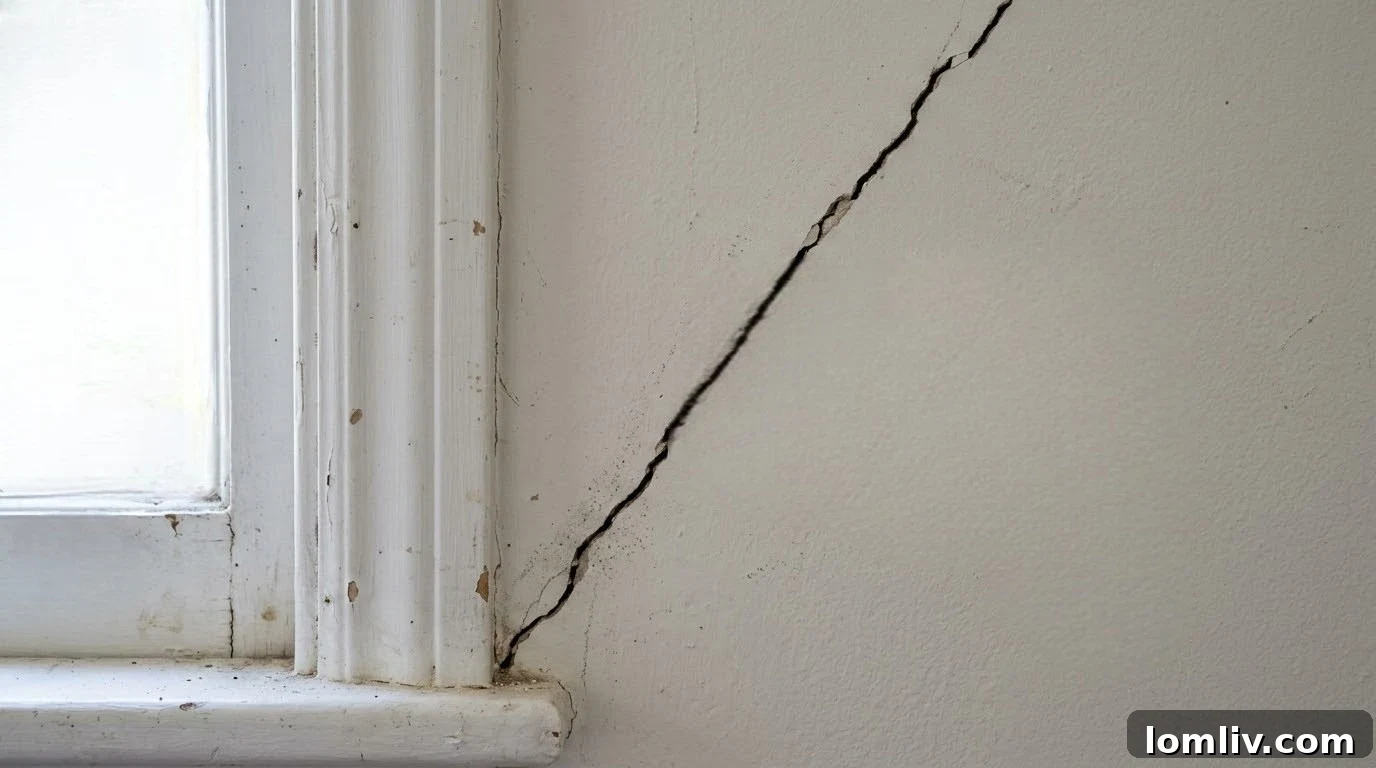
Virtually every home settles over time, leading to minor cosmetic cracks. A tiny, hairline crack above a doorway in a 15-year-old house is typically normal settling and not a cause for panic. However, the size, direction, and location of cracks can tell a detailed story about the health of the foundation.
Here’s how to interpret the different types of cracks:
- Hairline Cracks: Thin cracks in drywall, often less than 1/16th of an inch wide, are usually due to the natural expansion and contraction of building materials. If they follow the seams of drywall sheets, they are almost certainly cosmetic.
- Diagonal Cracks: Cracks that run diagonally from the corners of windows and doors are a more significant warning sign. This pattern often points to differential settlement, a condition where one part of the foundation is sinking or moving at a different rate than another. This uneven movement puts stress on the home’s frame, causing cracks to appear at weak points like window and door openings.
- Horizontal Cracks: These are among the most serious types of cracks, especially when found in basement walls or the below-grade portion of a foundation. Horizontal cracks suggest that immense lateral pressure from the surrounding soil is pushing against the wall, causing it to bow inward. This can be caused by hydrostatic pressure from water-saturated soil or the freeze-thaw cycle.
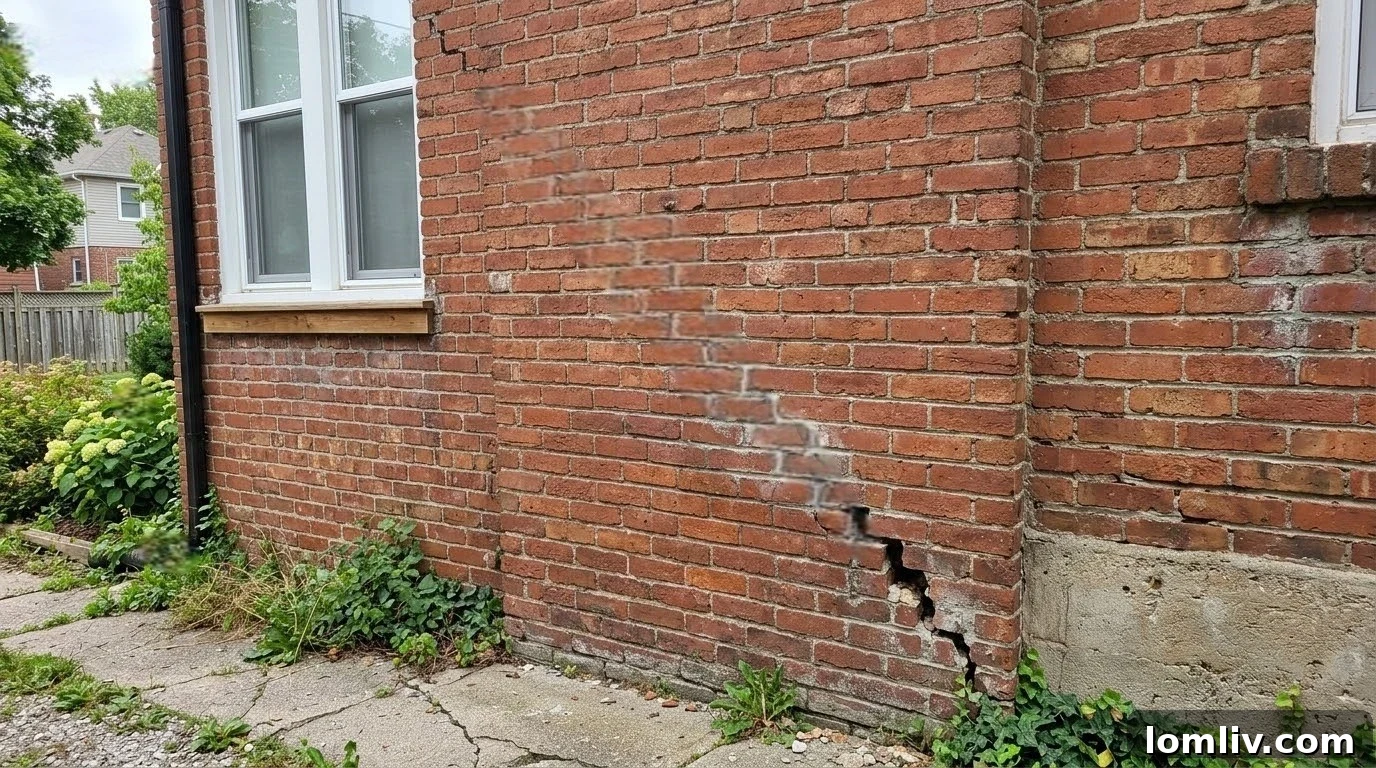
- Stair-Step Cracks: In brick or concrete block walls, cracks that follow the mortar joints in a zigzag or “stair-step” pattern are a classic sign of foundation settlement. As one section of the foundation drops, it pulls the wall apart along the mortar lines.
- Floor Cracks: While small cracks in a concrete slab can be from curing, cracks wider than a quarter-inch, or cracks where one side is higher than the other (a phenomenon known as heaving), require immediate professional evaluation.
A single, small crack may be insignificant, but a cluster of cracks in one room or a crack that is actively growing wider is a clear signal that the foundation is experiencing ongoing stress.
2. Sticking Doors and Windows: More Than an Annoyance

It’s easy to blame high humidity or old age for a door that won’t latch or a window that is difficult to open. While these can be contributing factors, when multiple doors and windows throughout the home begin to stick or fail to operate smoothly, the root cause is often a shifting foundation.
When a foundation settles, heaves, or shifts, it distorts the entire wooden frame of the house. This movement can be subtle, but it’s enough to warp the square frames of doors and windows. As the frames are pulled out of alignment, the doors and windows within them will begin to jam, stick, or show uneven gaps. You might also notice that locks and latches no longer line up correctly.
Pro Tip for Walkthroughs
During a property showing, make it a point to open and close every door and window. If you find several that are problematic, especially on the same side of the house, it is one of the earliest and most reliable indicators of potential foundation movement.
3. Uneven or Sloping Floors: The Marble Test
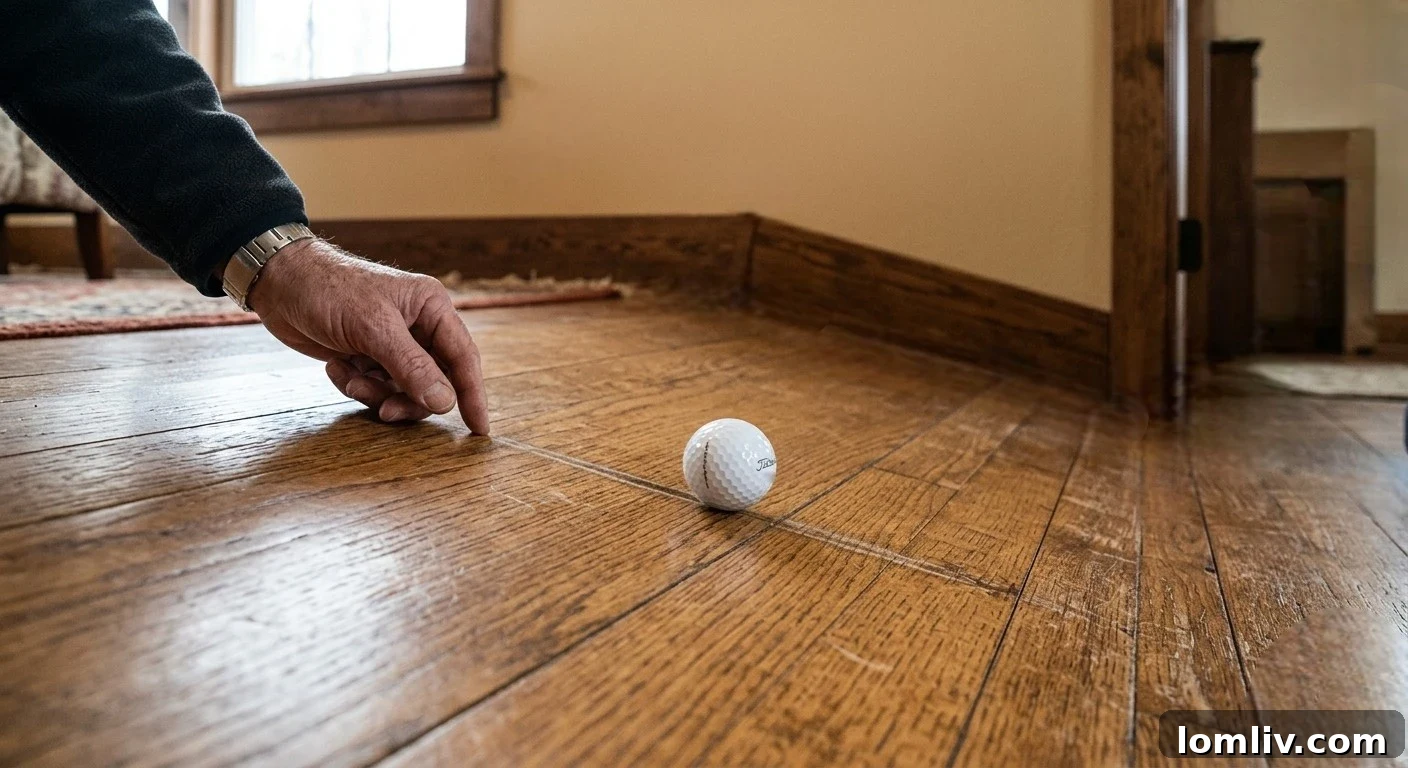
A visibly sloping floor is a major red flag. An easy way to check is the “marble test.” Simply place a marble or golf ball in the middle of a room; if it consistently rolls to one side, the floor is not level. For a more accurate assessment, use a four-foot level. A slope of more than a quarter-inch over a four-foot span is significant and warrants a professional inspection.
In regions like Oklahoma and North Texas, sloping floors are a common issue due to the prevalence of expansive clay soil. This type of soil acts like a sponge, swelling dramatically when it absorbs water and shrinking significantly during dry periods. This constant cycle of expansion and contraction exerts immense pressure on a home’s foundation, causing slab or pier-and-beam systems to shift, settle, or heave over time.
While a slight slope in a very old home might not be a crisis, it should never be dismissed. It indicates that some form of movement has occurred, and a foundation repair specialist should determine the cause and extent of the issue before a real estate transaction proceeds.
4. Gaps Between Walls and Ceilings or Floors
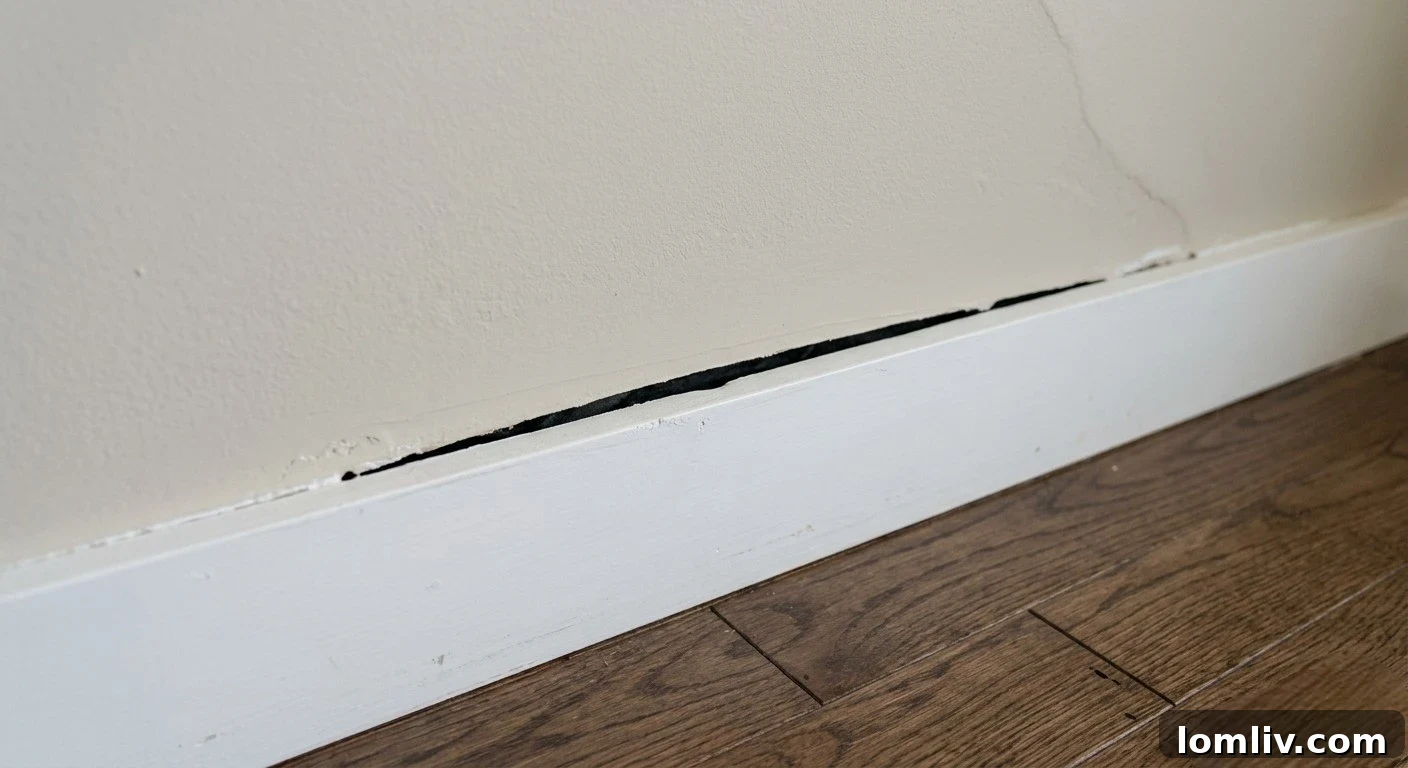
When you spot gaps where walls meet the ceiling or where baseboards are pulling away from the floor, you’re seeing more than a simple cosmetic flaw. These separations are strong evidence that the structure is being pulled in different directions. This occurs when the foundation settles, causing the floors to sink while the wall framing remains in place, or when walls begin to bow or lean away from the frame.
Pay close attention to these specific signs:
- Crown Molding and Trim Separation: Look for gaps appearing between the top of the wall and the crown molding, or where pieces of molding meet at the corners.
- Baseboard Gaps: Check for baseboards that are pulling away from the wall, sometimes leaving a visible gap large enough to see the floor underneath.
- Cabinet and Countertop Gaps: In kitchens and bathrooms, foundation movement can cause cabinets and countertops that were once flush with the wall to separate, creating a noticeable gap.
These signs often develop slowly, so homeowners may become accustomed to them. A fresh, trained eye during a showing can quickly spot these issues that current owners might overlook.
5. Exterior Brick Cracks and Chimney Separation
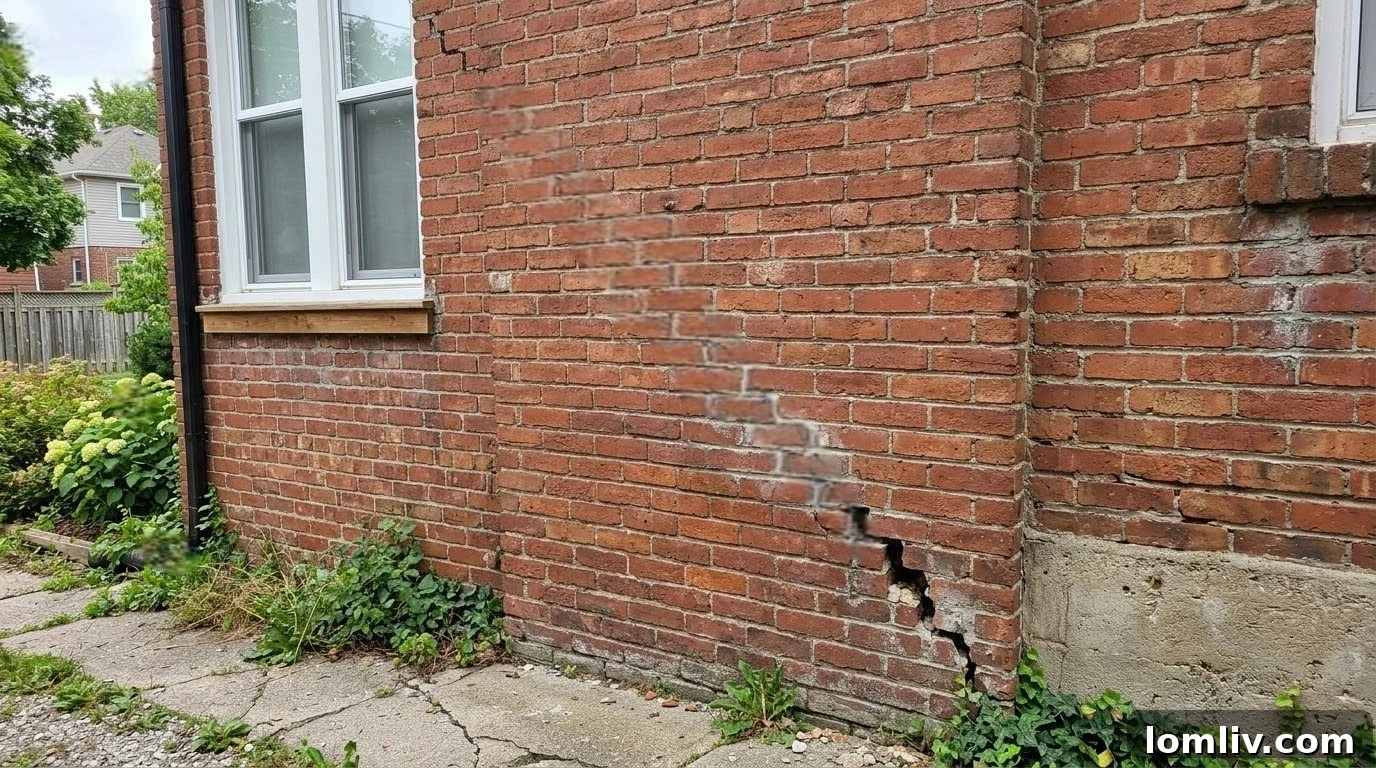
The exterior of the home provides some of the most definitive clues about foundation health. A zigzagging crack that ascends a brick wall along the mortar joints is a classic “stair-step” crack. This is one of the most reliable external indicators of foundation settlement, as the rigid brick veneer is forced to crack under the strain of a moving foundation.
Other critical exterior warning signs include:
- Leaning Chimney: A chimney that is tilting or separating from the rest of the house is a major red flag. Because many chimneys are built on their own separate footing, this separation indicates significant movement in the soil supporting the foundation.
- Gaps Around Windows and Doors: Look for visible gaps where the exterior brick or siding has pulled away from window and door frames. You may see failed or stretched caulk in these areas.
- Fascia Board Separation: Check the roofline for any gaps where the fascia boards (the boards just behind the gutters) have pulled away from the house.
Because the exterior masonry is directly supported by the foundation, it serves as a clear and honest gauge of any underlying movement.
Why This Matters for Sellers, Too
If you are a listing agent or a homeowner preparing to sell, addressing suspected foundation issues upfront is almost always the wisest strategy. Arranging for a pre-listing foundation inspection accomplishes several things. It eliminates uncertainty, provides a clear picture of the problem and the solution, and removes a powerful negotiation tool from the buyer’s arsenal. A buyer’s inspector might use the discovery of foundation issues to demand a significant price reduction or even cancel the contract.
Furthermore, many sellers are unaware that foundation repairs completed by a reputable company often include a transferable lifetime warranty. This warranty passes to the new owner upon closing, offering them peace of mind. For a nervous buyer, a fully repaired and warrantied foundation can be a significant selling point, transforming a potential deal-breaker into a testament to the home’s long-term stability.
Don’t Let Fear Kill the Deal: The Path Forward
Foundation problems are serious, but they don’t have to spell the end of a real estate transaction. The elements that truly kill deals are fear, uncertainty, and inflated cost estimates. By getting a professional evaluation from a qualified foundation expert early in the process—whether you’re buying or selling—you equip all parties with factual information and a clear path forward.
In markets with challenging soil conditions, like those across Oklahoma and North Texas, understanding these signs is an invaluable skill for any real estate professional or prospective homeowner. Learn to read the warning signs, consult with the right experts, and you can navigate foundation issues confidently, closing more deals with fewer last-minute surprises.
About the Author:
Adam Sedlak is the owner of Level Home Foundation Repair, a leading foundation repair, crawl space repair, and concrete leveling company based in Tulsa, Oklahoma. With extensive hands-on experience, Adam and his team have helped countless homeowners and real estate professionals address foundation concerns throughout Oklahoma. They are recognized for their honest assessments, reliable solutions, and commitment to customer education.
You can reach them at (918) 361-7787 or learn more at www.levelhomefoundationrepair.com.