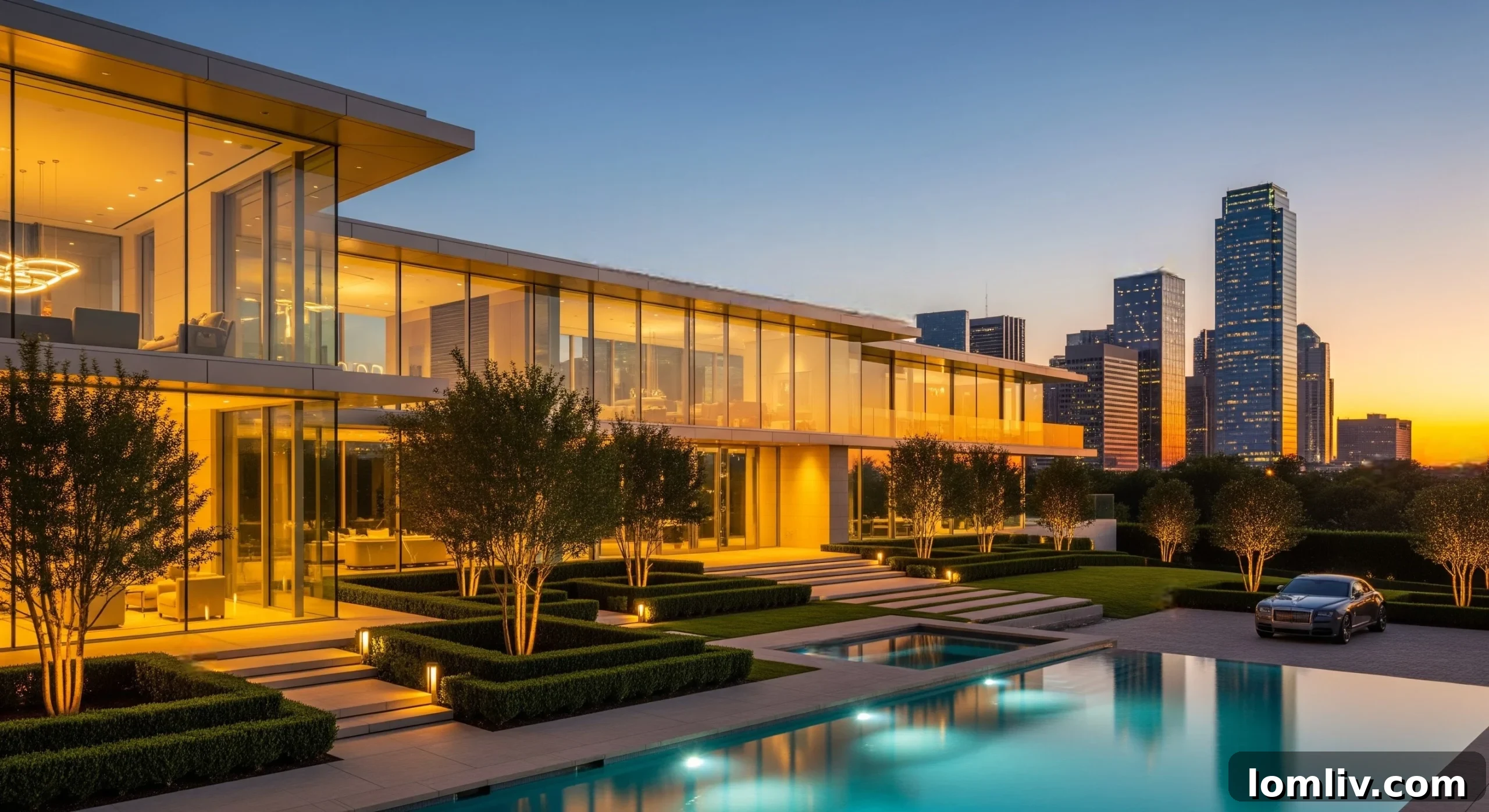
Embarking on the journey to acquire a luxury home represents far more than a mere financial transaction; it embodies the culmination of personal ambition and a dream realized. For many, it’s the ultimate upgrade in lifestyle, offering unparalleled comfort, exclusive amenities, and a statement of success. However, the path to owning a premium property can be fraught with unforeseen challenges, especially for first-time luxury buyers. Without meticulous planning and a deep understanding of the specialized high-end real estate market, common oversights can transform this exciting milestone into a source of stress and significant financial setbacks. Critical details, such as the true cost of ongoing maintenance, the property’s long-term compatibility with your lifestyle, and its future resale potential, are often underestimated. This comprehensive guide aims to illuminate these potential pitfalls, outlining five crucial mistakes to steer clear of when making your inaugural venture into the world of luxury property ownership, ensuring your investment is as sound as it is splendid.
1. Ignoring Comprehensive Market Research
A common misconception among first-time luxury home buyers is the belief that a high asking price inherently guarantees a sound, appreciating investment. While luxury properties often hold significant value, the high-end market is exceptionally nuanced, dynamic, and highly localized. What constitutes a wise investment in one geographical area or economic climate might not hold true in another. Therefore, skipping thorough market research is a perilous oversight.
Effective research extends beyond simply browsing listings. It necessitates a deep dive into comparable property values (comps) within the specific micro-market you’re considering, understanding recent sales trends, and analyzing neighborhood dynamics. Without this critical data, buyers risk overpaying for a property, only to discover later that its appreciation falls short of expectations, or worse, that its value stagnates or declines. Consider factors like the area’s economic stability, future development plans, school district ratings (even if you don’t have children, this impacts desirability), and historical property value changes.
Furthermore, your research should also encompass a lifestyle compatibility assessment. A luxury home is not just a structure; it’s an extension of your life. For instance, an avid golfer might find a community like La Quinta Country Club to be an ideal fit, offering not only exquisite homes but also direct access to world-class fairways and a vibrant social scene tailored to their interests. Similarly, a buyer passionate about equestrian sports would seek properties with suitable acreage and proximity to riding trails, while a boating enthusiast would prioritize waterfront access and marina facilities. A community that genuinely reflects your personality, hobbies, and long-term lifestyle aspirations is crucial for ensuring sustained satisfaction and a genuine sense of belonging, making your luxury home a true sanctuary rather than just a showpiece.
2. Overlooking the Full Spectrum of Hidden Costs
The sticker price of a luxury home is often just the tip of the financial iceberg. Beyond the initial purchase, a myriad of ongoing costs can catch unprepared buyers completely off guard, rapidly accumulating to tens of thousands, or even hundreds of thousands, of dollars annually. These “hidden” costs are frequently significantly higher for luxury properties due to their scale, specialized features, and prime locations.
Key among these are Homeowners Association (HOA) dues, which in exclusive luxury communities, often cover a wide array of premium services such as gated security, elaborate common area maintenance, concierge services, and exclusive club access. Property taxes represent another substantial and recurring expense, typically proportional to the property’s valuation and varying greatly by locality. Specialized insurance policies are also essential; standard homeowners’ insurance may not adequately cover high-value assets, requiring additional coverage for fine art, jewelry, extensive landscaping, or unique architectural features. Furthermore, properties with elaborate amenities like infinity pools, private tennis courts, or extensive gardens incur considerable maintenance expenses for cleaning, repairs, chemical treatments, and professional landscaping services. Advanced security systems, smart home technology upkeep, and even specialized pest control for larger estates all contribute to these substantial expenditures.
Moreover, many luxury buyers underestimate the costs associated with interior remodeling and high-end finishes, even if only minor updates are planned. Achieving a sophisticated, minimalist aesthetic, or incorporating bespoke elements such as custom cabinetry, designer lighting, or state-of-the-art smart home integration systems, can easily escalate into total costs reaching hundreds of thousands of dollars. The labor for skilled artisans and the price of premium materials are significantly higher in the luxury segment. To gain a truly realistic picture of the total cost of ownership, it is imperative to consult with a financial planner who specializes in high-net-worth individuals and local experts such as luxury real estate agents, property managers, and even specialized contractors. These professionals can provide invaluable insights into the full financial commitment, helping you budget accurately and avoid unwelcome surprises after closing.
3. Focusing Solely on Aesthetics and Neglecting Structural Integrity
The allure of a glamorous facade, breathtaking views, and meticulously staged interiors can be incredibly powerful, often leading first-time luxury buyers to prioritize aesthetics above all else. However, behind that stunning presentation, significant underlying issues could be lurking, transforming a dream home into a costly nightmare. Problems such as outdated or faulty electrical wiring, pervasive leaky plumbing systems, compromised HVAC units, or even serious foundation problems are not always apparent during a walkthrough but can represent monumental repair expenses.
It is paramount that buyers resist the urge to be swayed solely by visual appeal. Instead, a comprehensive and thorough investigation of the property’s structural integrity and mechanical systems is non-negotiable. Scheduling multiple professional inspections by certified and experienced inspectors specializing in high-end properties is an essential step before closing. This includes general home inspections, but also specialized assessments for roofing, electrical systems, plumbing, HVAC, and pest control. These experts can identify hidden defects, potential maintenance liabilities, and areas requiring immediate attention, providing you with leverage in negotiations or, if necessary, a reason to walk away from a problematic investment.
Beyond structural concerns, it’s also crucial to evaluate a property’s functional fit for long-term living, considering more than just what looks ideal in photographs. A grand, open-concept layout might appear magnificent, but does it truly fit your family’s daily dynamics? Is the kitchen practical for your culinary habits? Are the bedrooms sufficiently private, and are there enough functional spaces for work, relaxation, and entertaining? Evaluating a property for its ability to support your lifestyle needs, family dynamics, and community requirements ensures that it will be both comfortable and satisfactory far beyond its initial visual appeal. A luxury home should enhance your life, not complicate it with hidden problems or impractical layouts.
4. Ignoring Resale Value and Future Marketability
Even if your intention is to reside in your luxury home for many years, overlooking its potential resale value and future marketability is a significant strategic error. The luxury market can be fickle, and decisions made today can profoundly impact your eventual sale price down the line. While personalizing a home is part of the joy of ownership, highly idiosyncratic features or extremely unusual design choices, while appealing to a niche audience, can dramatically shrink the pool of future potential buyers. This reduced demand can translate directly into a longer time on the market and a lower eventual sale price.
Instead, astute luxury buyers look for properties with flexible layouts and timeless finishes that possess broad appeal. Neutral palettes, classic architectural styles, and adaptable floor plans tend to resonate with a wider range of tastes, making a property more attractive to future buyers. Consider features that add universal value, such as gourmet kitchens with professional-grade appliances, spa-like master bathrooms, ample natural light, and well-designed outdoor living spaces. These elements typically hold their appeal and value over time, ensuring a smoother and more profitable resale experience.
Location remains the single most critical factor influencing both desirability and resale value in real estate, and this holds particularly true for luxury properties. Proximity to established and acknowledged learning institutions, vibrant business centers, upscale retail districts, and world-class recreational amenities significantly increases a property’s inherent value. A home situated near top-rated schools, prestigious golf courses, cultural hubs, or major transportation arteries will consistently command higher prices and attract more discerning buyers. Researching future zoning changes, infrastructure projects, and economic development plans for the area is also vital. A location that promises continued growth and amenities will offer better long-term appreciation prospects, solidifying your luxury home as a robust investment that stands the test of time.
5. Skipping Expert Counsel and Professional Guidance
Navigating the complexities of the luxury real estate market is an intricate process that demands specialized knowledge and experience. Attempting to manage this significant investment without the guidance of seasoned professionals is a common mistake that can lead to costly errors, legal entanglements, and considerable stress. Experienced real estate agents, real estate attorneys, and financial advisors who specialize specifically in the high-end market are indispensable assets in your buying journey.
A luxury real estate agent brings unparalleled market insight, often with access to off-market listings and an understanding of nuanced neighborhood dynamics that are not publicly available. They are adept at complex negotiations, ensuring you secure the best possible terms and price, and can uncover potential risks or opportunities that a less specialized agent might overlook. Their network often includes other trusted professionals you may need.
Similarly, a dedicated real estate attorney is crucial for reviewing all legal documentation, from purchase agreements to title deeds, ensuring that all contractual obligations are met, zoning laws are adhered to, and your interests are fully protected. They can identify any potential liens, easements, or other legal encumbrances that could jeopardize your investment. On the financial front, a financial advisor specializing in wealth management for high-net-worth individuals can help structure the financing, optimize tax implications of the purchase, and integrate the luxury property into your overall investment portfolio, ensuring it aligns with your long-term financial goals.
The collective knowledge and specific expertise of these professionals concerning your target areas are invaluable. They can inform homebuyers on a multitude of significant aspects, ranging from accurate pricing strategies and potential property appreciation trajectories to critical lifestyle factors that common real estate agents frequently overlook. They can also provide insights into local market trends, development plans, and community dynamics, ensuring that every facet of your luxury home purchase is meticulously managed, saving you both money and considerable stress in the long run.

Endnote
The acquisition of your first luxury property is, without a doubt, an exciting and monumental milestone—a testament to your hard work and aspirations. However, transforming this dream into a truly smart, long-term investment hinges critically on avoiding common pitfalls. By dedicating ample time to thorough market research, diligently uncovering and understanding all potential hidden costs, and collaborating closely with a team of trusted specialists who possess deep expertise in the luxury real estate sector, you can navigate this complex landscape with confidence.
With sufficient preparation, strategic foresight, and the right professional guidance, you are empowered to make informed decisions that will lead you to a luxury home you not only adore aesthetically but one that also proves to be a robust and appreciating asset for many years to come. Your journey into luxury homeownership should be one of joy and financial wisdom, securing a sanctuary that truly enhances your life.