A pristine lawn is a source of pride for any homeowner. Achieving that perfectly manicured look, however, relies heavily on the efficiency and reliability of your lawn mower. At the heart of its cutting prowess lies a seemingly simple yet incredibly vital component: the drive belt. This unsung hero is responsible for transferring the engine’s power directly to the blades, enabling them to spin at optimal speeds for a clean, even cut. Neglecting your lawn mower’s belt is akin to ignoring the engine itself; over time, the relentless forces of heat, friction, constant tension, and the general wear and tear from yard work take their toll. A worn-out belt can lead to poor cutting performance, engine strain, and even costly damage to other components. Understanding when and how to maintain this crucial part is essential for ensuring your lawn mower performs at its peak, season after season. This comprehensive guide will walk you through the key indicators of a failing belt, where to find reliable replacements, and a step-by-step process for its installation, empowering you to keep your mower in top-notch condition.
Spotting the Signs: When to Replace Your Lawn Mower Belt
The longevity of a lawn mower belt varies depending on usage, environmental conditions, and the quality of the belt itself. However, belts are consumables, and they will eventually succumb to wear. Proactive inspection and timely replacement are critical to avoiding mid-mow breakdowns and maintaining cutting efficiency. Keep a vigilant eye and ear out for these tell-tale signs that your mower belt is approaching its end of life and calling for a replacement:
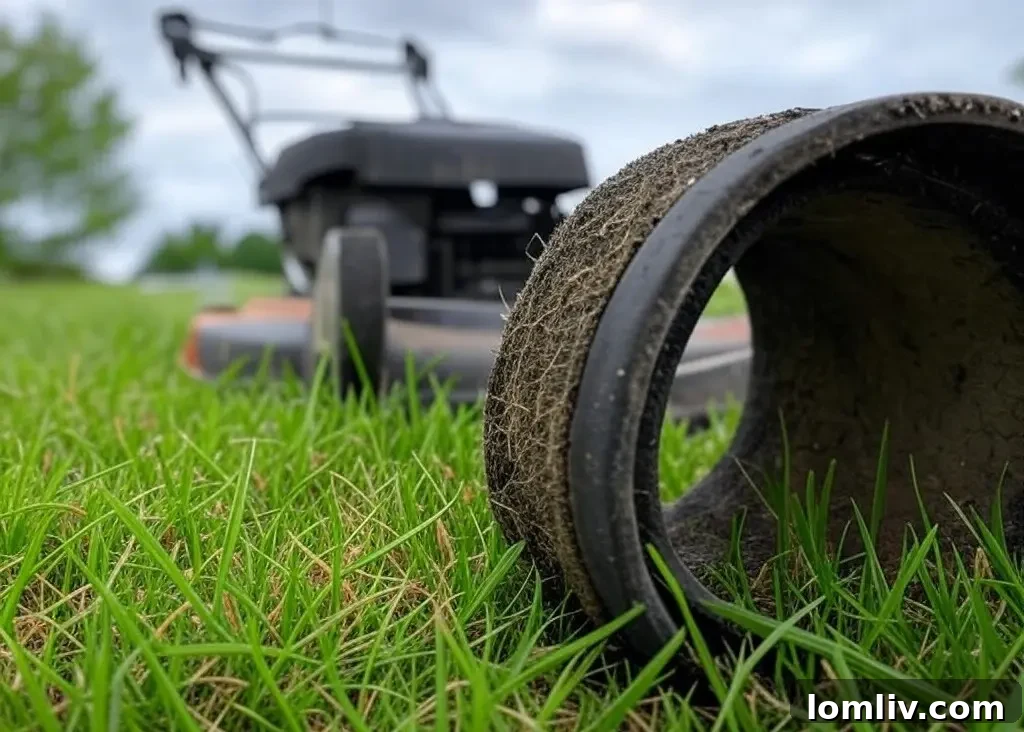
- Visible Cracks, Frays, or Damage: This is often the most obvious sign. Conduct a regular visual inspection of your belt. Look for surface cracks, especially on the inner (pulley contact) surface. Deep cracks or chunks missing indicate severe degradation. Fraying along the edges suggests the belt is coming apart. Any glazing (a shiny, hardened appearance) can also point to excessive heat and slipping, reducing the belt’s grip. These forms of damage compromise the belt’s structural integrity and its ability to transfer power effectively.
- Slipping or Significant Power Loss: If your mower struggles to cut grass, or if you notice the blades aren’t engaging with the usual force, a worn or stretched belt is a likely culprit. You might hear the engine revving normally, but the blades spin slowly, intermittently, or not at all. This “slipping” means the belt isn’t gripping the pulleys correctly, resulting in a loss of power transfer. This can lead to uneven cuts, leaving patches of taller grass and forcing you to make multiple passes.
- Unusual Noises During Operation: Your mower should typically run with a consistent hum. If you start hearing new, distinct noises, especially during blade engagement or while mowing, your belt might be distressed. Squealing sounds often indicate a belt that is slipping due to wear or improper tension. Grinding or flapping noises could signal a severely worn, broken, or misaligned belt, or even worn-out pulleys. Any new, persistent noise should prompt an immediate investigation.
- Excessive Vibrations: While some vibration is normal, an increase in excessive or unusual vibration during operation can indicate several issues, including a failing belt. A damaged or improperly seated belt can cause an imbalance, leading to noticeable vibrations that can be uncomfortable and potentially damaging to other mower components over time.
- Blades Fail to Engage or Disengage Properly: For mowers with a blade engagement lever, if the blades do not spin up quickly when engaged, or if they continue to spin for an extended period after disengaging (a safety hazard), the belt might be worn, stretched, or have lost its elasticity. This can impact both cutting performance and user safety.
If you observe any of these critical signs, it’s imperative not to delay the replacement. A failing belt not only hinders your mower’s performance but can also place undue stress on the engine, pulleys, and bearings, potentially leading to more extensive and costly repairs down the line. Moreover, a severely damaged belt could snap during operation, leaving you stranded in the middle of a job or, worse, creating a safety hazard.
The Importance of Timely Belt Replacement for Optimal Performance
Beyond simply getting your mower back in working order, replacing a worn belt promptly offers numerous benefits. A new, properly tensioned belt ensures maximum power transfer from the engine to the blades, resulting in a cleaner, more efficient cut. This reduces the time and effort required to mow your lawn, and contributes to the health and aesthetics of your grass. Furthermore, a healthy belt prevents strain on your mower’s engine and drive components, prolonging their lifespan and saving you from expensive repairs. It also enhances safety by ensuring consistent blade engagement and disengagement. Think of it as preventative maintenance that pays dividends in both performance and longevity.
Navigating the Market: Where to Find Quality Lawn Mower Belts for Sale
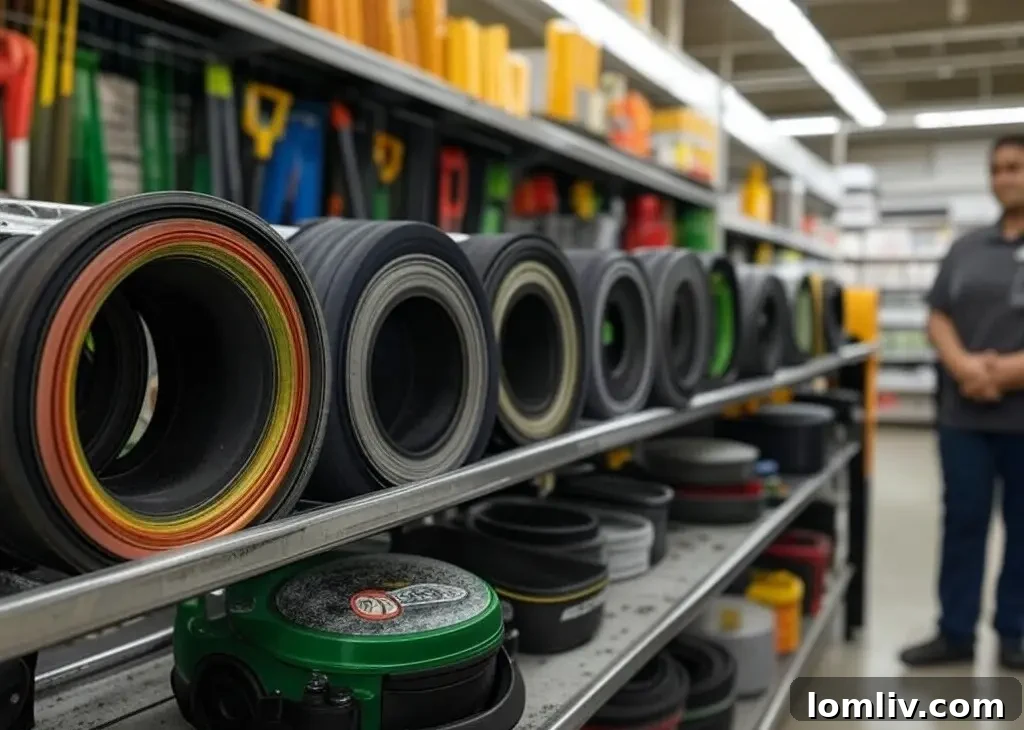
Once you’ve identified the need for a new belt, the next step is finding the right replacement. The market offers a wide array of options, and choosing the correct belt for your specific mower model is paramount. An ill-fitting or low-quality belt can fail prematurely, leading to the same issues you’re trying to resolve. Here’s a breakdown of where to score a good belt that guarantees compatibility and lasting performance:
- Local Hardware Stores: Stores such as Ace Hardware, Home Depot, and Lowe’s are often a convenient first stop. They typically stock a variety of common belt sizes and types. Their main advantages include immediate availability and the ability to speak with staff who can sometimes offer guidance. You can also physically inspect the belts. However, their selection for specific or older mower models might be limited, and prices can sometimes be higher compared to online retailers. Be prepared with your mower’s make, model, and the old belt (if possible) for accurate sizing.
- Online Retailers: Websites like Amazon, eBay, and dedicated small engine parts suppliers (e.g., Parts Warehouse, Jack’s Small Engines) offer an expansive selection of lawn mower belts for sale. The benefits here include competitive pricing, a vast inventory covering numerous brands and models, and the convenience of home delivery. However, it’s crucial to exercise caution. Always cross-reference part numbers with your owner’s manual. Read reviews diligently to distinguish between quality products and potential “duds” or counterfeits. Verify the seller’s reputation and return policy before making a purchase.
- Manufacturer Websites and Authorized Dealers: For brands like MTD, Gravely, or Simplicity, checking their official websites or contacting an authorized dealer is often the best route for securing OEM (Original Equipment Manufacturer) parts. OEM belts are specifically designed and tested for your mower, guaranteeing a perfect fit, optimal performance, and often, a warranty. While they might be slightly pricier, the assurance of quality and compatibility can be well worth the investment for critical components.
- Auto Parts Stores: Surprisingly, some automotive parts retailers, such as AutoZone, Advance Auto Parts, or O’Reilly Auto Parts, carry belts suitable for small engines, including certain lawn mowers. This is especially true if they cater to customers who perform their own small engine repairs. It’s always worth a call to inquire, but again, ensure you have your mower’s specific part number or dimensions handy.
- Specialized Outdoor Power Equipment Dealers: These dedicated stores are often the best resource for hard-to-find parts and expert advice. They specialize in lawn mowers and other outdoor power tools, stocking a comprehensive range of belts for various brands and models. Their staff are typically highly knowledgeable and can assist you in finding the exact belt you need, even if you only have the mower’s model number. They also often provide repair services, offering an additional layer of support.
When selecting a belt, beyond just the source, understand that belts come in different profiles (e.g., V-belts, cogged belts) and materials. Your mower’s manual will specify the exact part number and type. Always prioritize a belt that matches these specifications to ensure proper function and longevity. By sticking with trusted retailers and focusing on compatibility and quality, you’ll acquire a belt that lasts and ensures your mower performs exactly as it should.
DIY Guide: How to Replace Your Lawn Mower Belt Like a Pro

Once you’ve acquired the correct replacement belt, the actual installation process, while varying slightly by mower model, follows a general set of steps. Tackling this task yourself can save you money on labor costs and give you a deeper understanding of your machine. Always consult your mower’s owner’s manual for model-specific instructions and diagrams, as they are the ultimate authority. Here’s a comprehensive step-by-step guide to replacing your lawn mower belt:
- Prioritize Safety and Prepare Your Workspace:
- Disconnect the Spark Plug: This is the most crucial safety step. Removing the spark plug wire prevents the engine from accidentally starting while you’re working on the blades or moving parts.
- Ensure Stability: Park your mower on a flat, stable surface. If you need to tilt or lift the mower, use sturdy jack stands or ramps. Never rely solely on a floor jack.
- Wear Protective Gear: Put on work gloves to protect your hands from sharp edges and grease, and safety glasses to shield your eyes from debris.
- Gather Your Tools: You’ll likely need a socket wrench set, screwdrivers, a pry bar (sometimes), and possibly a camera or smartphone to take pictures.
- Access the Belt and Clear Debris:
- Consult Your Manual: Determine how to access the belt for your specific mower. For most riding mowers and many walk-behinds, this involves removing the cutting deck. For others, it might mean removing a protective cover or tilting the mower.
- Remove the Cutting Deck (if applicable): This usually involves disengaging springs, removing pins, and sliding the deck out from under the mower. Label or photograph components as you remove them to aid reassembly.
- Clean the Area: Before doing anything else, thoroughly clean the area around the pulleys, idlers, and existing belt. Grass clippings, dirt, and other debris can accumulate, hindering movement and wearing down components prematurely. A wire brush or compressed air works well.
- Document and Remove the Old Belt:
- Photograph the Belt Path: This is a critical step! Take multiple clear photos of the old belt’s routing around all the pulleys and tensioners from different angles. This visual reference will be invaluable when installing the new belt, especially for complex systems.
- Relieve Tension: Most mowers use spring-loaded idler pulleys to keep tension on the belt. You’ll need to use a pry bar or wrench to move these idlers, relieving tension so the old belt can be slipped off the pulleys. Note the direction of any springs.
- Remove the Old Belt: Once tension is relieved, carefully unthread the old belt from around all the pulleys and remove it from the mower.
- Inspect Pulleys and Components:
- Check for Wear: With the old belt removed, take this opportunity to inspect all pulleys (engine, blade, idler) for wear, damage, or excessive wobbling. Worn pulleys can damage a new belt quickly.
- Inspect Bearings: Check if pulleys spin freely without excessive play or grinding noises. Replace any faulty bearings or pulleys.
- Clean Thoroughly: Ensure all pulley grooves are clean and free of rust or debris that could hinder the new belt’s seating.
- Install the New Belt:
- Start with the Hardest Pulley: Often, it’s easiest to start threading the new belt around the engine pulley or the largest, most stationary pulley first.
- Follow Your Photos: Refer constantly to the photos you took earlier to ensure you are threading the new belt exactly as the old one was routed. Pay close attention to any guide arrows on the belt or specific twists around tensioners.
- Engage Tension: Once the belt is fully routed around all pulleys, use your pry bar or wrench to move the tensioner pulley back into position, allowing the spring to apply the correct tension to the new belt. Ensure the belt is seated correctly in all pulley grooves.
- Reassemble and Test for Proper Functionality:
- Reattach Components: Reinstall any covers or the cutting deck that you removed. Ensure all bolts, pins, and springs are securely fastened.
- Reconnect the Spark Plug: Reattach the spark plug wire firmly.
- Initial Test: Start the mower and let it run briefly at idle. Listen for any unusual noises (squealing, grinding). Observe the belt’s movement; it should spin smoothly and consistently without jumping or wobbling.
- Engage Blades: Carefully engage the blades (if applicable) and let them run for a moment. If everything sounds and feels right, disengage them.
- Trial Run: Perform a short test run on a section of your lawn. Pay attention to cutting quality, power, and any strange sounds or vibrations. If anything feels off, immediately turn off the mower and re-inspect your work.
By following these detailed steps, you can confidently replace your lawn mower belt, ensuring your machine is ready to tackle any cutting task with renewed vigor and efficiency.
Pro Tips for Enhanced Belt Longevity and Mower Health
Installing a new belt is an excellent step, but its longevity and your mower’s overall health also depend on ongoing care. Here are some professional tips to maximize the life of your new belt and ensure consistent performance:
- Regular Inspections: Don’t wait for symptoms to appear. Make it a habit to visually inspect your mower belt before or after every few uses. Look for the early signs of wear mentioned earlier (minor cracks, glazing, fraying). Early detection can prevent more severe issues.
- Keep it Clean: Accumulation of grass clippings, dirt, and debris around the pulleys and belt can cause premature wear. These materials create friction and can even cause the belt to slip or fray. Regularly clean the underside of your mower deck and around the belt system, especially after mowing in wet or very thick conditions.
- Proper Storage: Store your lawn mower in a dry, cool environment. Extreme temperatures and humidity can degrade belt material over time. If storing for the off-season, consider relieving tension on the belt if your mower allows for it, or at least ensuring the belt is clean and dry.
- Avoid Overloading: Mowing excessively tall or wet grass puts significant strain on the belt and the entire drive system. Try to mow regularly to keep grass at a manageable height. If the grass is very tall, raise your cutting deck and make multiple passes, lowering the deck gradually. This reduces the load on the belt and engine.
- Maintain Correct Tension: While installing the belt, ensure it has the correct tension as specified in your owner’s manual. A belt that is too loose will slip and wear quickly, while a belt that is too tight can strain bearings and pulleys, leading to premature failure of those components and the belt itself.
By diligently following these maintenance tips and investing in high-quality replacement belts and even finding cheap mower parts online when suitable, your lawn mower will have exactly what it needs to continue performing flawlessly. This proactive approach ensures a healthy machine, a beautifully maintained lawn throughout the entire growing season, and fewer frustrating breakdowns. A well-cared-for mower is a happy mower, and a happy mower means a happy lawn care enthusiast!