Unveiling Hidden Home Hazards: An Essential Guide to DIY Home Inspections
Every homeowner desires a safe, functional, and well-maintained property. Yet, many common issues often go unnoticed until they escalate into costly repairs or pose significant safety risks. The detailed-oriented professionals at Green Scene Home Inspections are committed to empowering homeowners with the knowledge to spot these hidden dangers before they become major problems. This essential guide, part of our “Upon Closer Inspection” series on Daltxrealestate.com, encourages you to sharpen your observation skills and become your home’s first line of defense.
Becoming attuned to the subtle cues your house provides can make all the difference. While many things might appear perfectly normal at a glance, a closer inspection frequently reveals underlying issues that demand attention. Let’s delve into some real-world examples that highlight critical maintenance oversights and how you can identify similar problems in your own home.
The Hidden Dangers: Gas Meter Misplacement and Access Issues
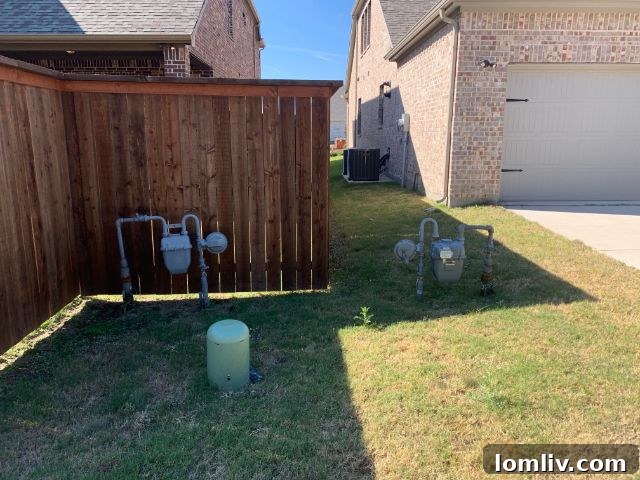
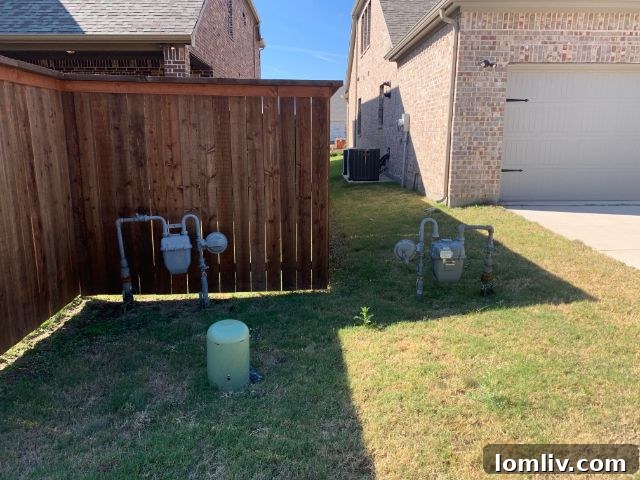
In the first image, we observe a gas meter positioned behind a house, surprisingly close to a neighbor’s meter. While proximity to other utilities isn’t inherently problematic, the key lies in the accessibility and orientation of the meter itself. A seemingly minor detail, like which way a meter faces, can have profound implications for safety and maintenance.
Upon closer inspection, the issue becomes glaringly apparent. Let’s take a more detailed look:
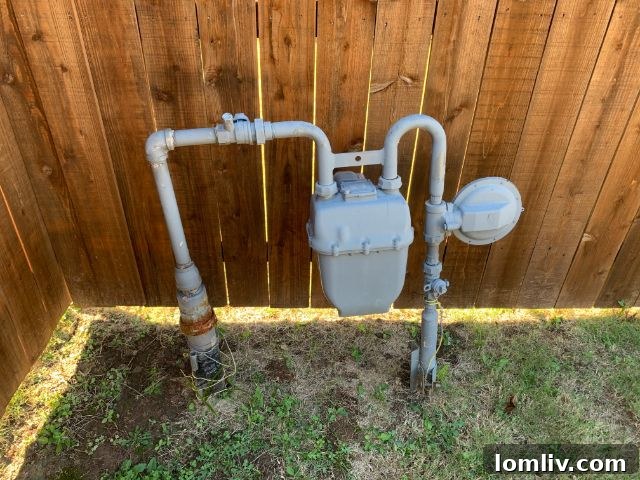
This gas meter is facing the wrong direction – specifically, directly towards the fence. Furthermore, it is installed so incredibly close to the fence that it renders the meter completely inaccessible. This is a significant safety and operational concern. Gas meters must be readily accessible for several crucial reasons: emergency shut-offs, routine maintenance, and accurate meter readings by utility personnel. An obstructed meter can delay emergency response in the event of a gas leak, making a dangerous situation even worse. It also complicates routine service and inspections, potentially leading to ignored issues or missed readings.
Consider the irony: the neighbor’s meter is right there, presumably installed correctly, serving as a direct reference for proper installation. Homeowners should regularly check that their gas meters have adequate clearance (typically 3 feet or more from structures and fences) and are oriented correctly for easy access. If you identify such an issue, it’s vital to contact your gas utility provider or a qualified contractor to rectify the installation promptly. Proper gas meter access is not just a convenience; it’s a critical component of home safety and compliance with local building codes.
The Overlooked Hazard: Missing Gas Stove Ventilation
Next, let’s turn our attention indoors. This image presents another common oversight that can have serious implications for indoor air quality and household hygiene.
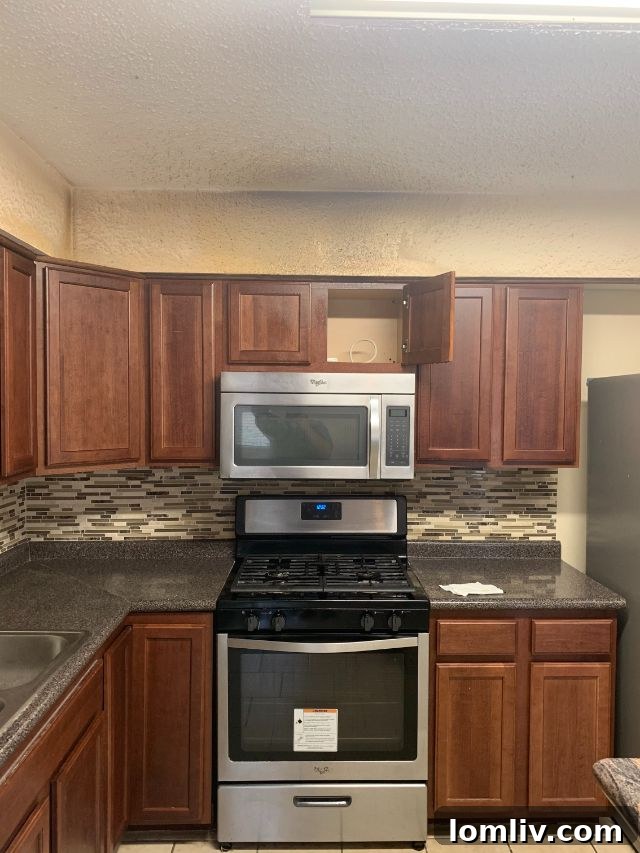
What’s wrong here? This is a gas stove, and a fundamental requirement for any gas cooking appliance is an adequate exhaust ventilation system that vents to the outside. Disturbingly, there is no vent visible above this stove. The consequence is evident in the unsightly, greasy buildup that has accumulated on the adjacent wall. This isn’t just an aesthetic problem; it’s a health and safety hazard.
Gas stoves produce combustion byproducts, including carbon monoxide, nitrogen dioxide, and other volatile organic compounds (VOCs), along with steam, smoke, and grease particles from cooking. Without proper external ventilation, these pollutants are released directly into your home’s air. Poor indoor air quality can exacerbate respiratory issues, trigger allergies, and even lead to carbon monoxide poisoning in extreme cases. The grease and moisture buildup also creates an ideal environment for bacteria, mold, and mildew growth, while increasing fire risk.
A properly installed range hood should capture these fumes and particulates, directing them safely outside your home. For gas stoves, a ducted exhaust system (one that vents directly outdoors) is highly recommended over recirculating hoods (which only filter and re-release air). Homeowners should inspect their kitchen ventilation systems regularly, ensure filters are clean, and verify that the exhaust effectively removes cooking byproducts from the living space. If your gas stove lacks external ventilation, consulting an HVAC professional for installation is a critical step towards a healthier and safer home environment.
Protecting Your Foundation: The Importance of Downspout Extension
Water management around your home’s foundation is paramount to preventing significant structural damage. Even seemingly minor issues with your gutter system can lead to severe long-term problems.
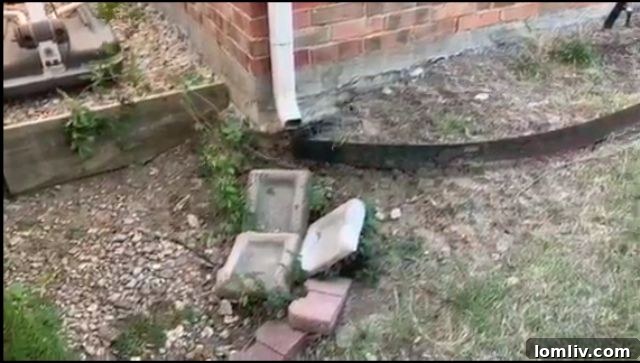
Would you know what to do here (hopefully before this has happened)? The image above illustrates a common oversight: a downspout that ends far too close to the home’s foundation. Our recommendation, echoed by industry experts, is that downspouts should be extended at least 36 inches (or 3 feet) away from the foundation. In many cases, even greater distances—up to 10 feet—are advisable, especially in areas with expansive soils or heavy rainfall.
The reasoning is simple yet critical: rainwater collected by your gutters must be channeled far enough away from your house to prevent it from pooling around the foundation. When water saturates the soil directly adjacent to your foundation, it can lead to several destructive outcomes:
- Foundation Damage: Saturated soil can exert hydrostatic pressure on foundation walls, leading to cracks, bowing, and structural instability.
- Basement/Crawl Space Flooding: Water finding its way through cracks or porous materials can inundate basements or crawl spaces, causing water damage, mold growth, and pest infestations.
- Erosion: Continuous water runoff near the foundation can erode the soil, undermining the foundation’s support and creating uneven settling.
- Slab Heave: For homes with slab foundations, excessive moisture beneath the slab can cause it to swell and lift, leading to interior cracks and uneven floors.
Inspector John from Green Scene Home Inspections provides further insights into this critical issue in the following video, explaining the mechanics of how short downspouts contribute to soil erosion and foundation compromise:
Regularly cleaning your gutters and ensuring your downspouts are properly extended and free of obstructions is a low-cost, high-impact maintenance task that significantly safeguards your home’s structural integrity and prevents expensive water damage repairs. Consider installing flexible downspout extensions or even underground drainage systems for long-term solutions.
Essential Electrical Safety: Understanding Grounding Devices
Electrical safety is non-negotiable in any home. A critical, yet often misunderstood, component of a safe electrical system is proper grounding. Let’s examine a common installation error related to this vital safety feature.
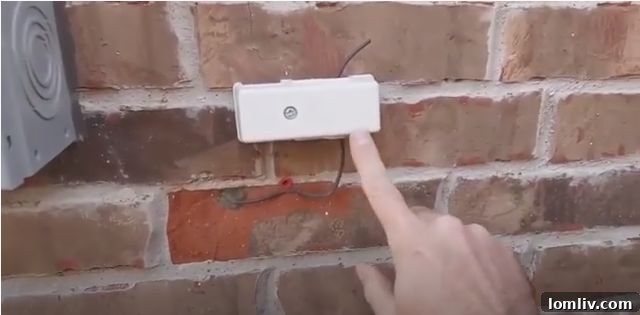
Do you know what this device is, and what’s wrong in this picture? This is an electrical grounding device, meticulously installed by the builder, showcasing attention to detail in parts of the electrical system. However, its effectiveness is completely nullified by one crucial oversight: it hasn’t been connected! An unconnected grounding device is merely a decorative piece; it serves no protective function.
So, what exactly is grounding, and why is it so important? Electrical grounding provides an alternative path for electricity to flow safely into the earth in the event of an electrical fault or lightning strike. This prevents dangerous electrical surges from traveling through your home’s wiring, protecting people from electric shock and safeguarding sensitive electronics and appliances from damage. A properly grounded system stabilizes voltage and ensures that circuit breakers trip correctly when a fault occurs, isolating the problem and preventing fires.
An improperly connected or absent grounding system leaves your home vulnerable. Without a direct path to the earth, fault currents can flow through household plumbing, metal structures, or even people, leading to severe injuries or fatalities. It also increases the risk of appliance damage and electrical fires. This oversight, though seemingly minor, compromises the entire electrical safety framework of the home.
For a deeper dive into the importance of a properly installed and connected grounding system in new construction homes, please watch the following video:
Homeowners should periodically inspect visible grounding rods and connections to ensure they are intact and properly connected to the electrical service panel. Any concerns about your home’s electrical grounding should always be addressed by a certified electrician to ensure compliance with local electrical codes and, most importantly, the safety of your household.
Empowering Homeowners: Cultivating Vigilance and Proactive Maintenance
The examples above illustrate just a handful of the many potential issues that can lurk within or around a home. With so many intricate systems and components, it’s incredibly easy for homeowners to develop “house blind” – becoming desensitized to things they see every day, missing critical warning signs. This phenomenon often leads to minor problems escalating into expensive, extensive repairs that could have been prevented with timely intervention.
The best defense against these hidden hazards is a proactive and structured approach to home maintenance. We highly recommend developing and adhering to a solid seasonal home maintenance plan. This plan should include regularly checking in on the different systems of your house – from exterior drainage and utility access to indoor ventilation and electrical components. By establishing a routine, you can systematically inspect key areas, identify potential issues early, and address them before they compromise your home’s safety, efficiency, or value.
Whether you’re a seasoned homeowner or a first-time buyer, cultivating a keen eye for detail and understanding the fundamentals of home maintenance is an invaluable skill. While professional home inspections are crucial at key points, such as before purchase or every few years, your ongoing vigilance is the best way to ensure your property remains a safe, comfortable, and valuable asset. Stay tuned for more insights from Green Scene Home Inspections, helping you keep your home in top condition, one closer inspection at a time.