

The urban landscape of Dallas is constantly evolving, and at the heart of this transformation lies the critical need for a robust and equitable housing framework. What was anticipated to be a pivotal discussion among the Dallas City Council today regarding the city’s Comprehensive Housing Policy (CHP) was unexpectedly deferred. Nature, in the form of the formidable Thundersleet Icepocalypse 2023, intervened, leading to the cancellation of the council meeting. This unforeseen delay means the crucial CHP briefing, along with another key agenda item concerning the 2024 bond program, is now likely to be addressed at the subsequent council briefing scheduled for February 15, according to sources within City Hall. While the in-person discussion was postponed, the detailed slides from the CHP presentation were made available, offering an early glimpse into the complex strategies Dallas leaders are crafting to address the city’s multifaceted housing challenges.
The Comprehensive Housing Policy is not merely a bureaucratic document; it represents Dallas’s commitment to ensuring stable, affordable, and equitable housing for all its residents. This policy aims to be the blueprint for sustainable urban development and community well-being for the next decade. Its journey to adoption, however, has been marked by continuous review and necessary adjustments, reflecting the dynamic nature of urban planning and the diverse needs of a rapidly growing metropolis. The ongoing refinement underscores the city’s dedication to developing a policy that is not only ambitious in its goals but also practical and impactful in its implementation, addressing the core issues that have historically hindered housing equity and accessibility in Dallas.
Refining Dallas’s Comprehensive Housing Policy: A Decade of Vision
The extensive 107-slide presentation provides a comprehensive overview of the Comprehensive Housing Policy (CHP) process, detailing the rationale behind its re-evaluation just months after its initial adoption. This return to the drawing board underscores the city’s commitment to creating a policy that is not only aspirational but also highly effective and adaptable to the evolving needs of Dallas communities. David Noguera, the Director of Housing and Neighborhood Revitalization, recently elaborated on the imperative to overhaul the policy originally agreed upon in May. His insights shed light on the critical challenges that necessitated a re-assessment, emphasizing the city’s determination to learn from past shortcomings and forge a more robust path forward.
Noguera articulated that the initial Comprehensive Housing Policy was conceived in direct response to several pressing issues: persistent compliance challenges, the concerning expansion of Racially/Ethnically Concentrated Areas of Poverty (RECAP), and the undeniable scarcity of affordable housing options across the city. He candidly acknowledged that, despite its well-intentioned objectives, the initial iteration of the policy ultimately “fell short in some areas.” This honest appraisal highlights the complexity of addressing systemic housing issues and the need for continuous refinement to achieve meaningful and sustainable outcomes. The shortcomings of the previous policy served as a crucial catalyst for a deeper dive into its mechanisms, prompting city leaders to seek more effective strategies to combat urban poverty and enhance housing accessibility for all Dallas residents.
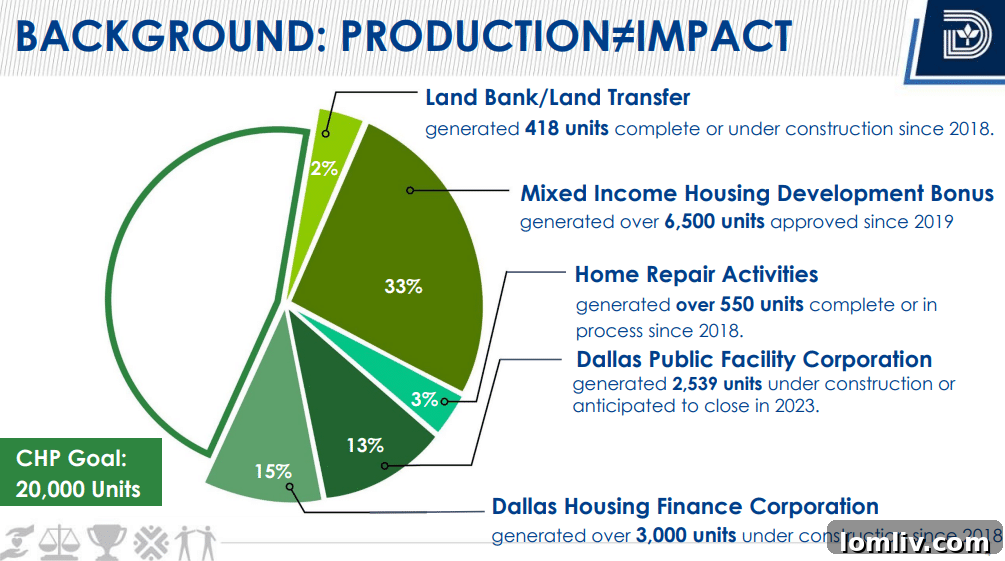
One of the most significant areas where the previous CHP fell short was its ambitious goal of generating 20,000 new housing units. Despite the urgent need for expanded housing options, particularly within the affordable sector, the policy struggled to galvanize the necessary development. This failure to meet unit targets signals deeper systemic issues, including potential barriers in funding allocation, zoning regulations, or developer incentives that prevented the desired growth. Understanding these underlying challenges is paramount to designing a revised policy that can effectively stimulate the required housing development.
The complexities of the housing landscape in Dallas were further highlighted by District 1 Councilman Chad West. He voiced a pertinent concern that attempting to address both “housing racial equity blind spots and overall housing policy in one process, and in one policy document,” might inadvertently compromise the effectiveness of efforts directed at either critical area. West’s perspective points to the intricate balance required when crafting comprehensive policies that aim to tackle multiple, deeply entrenched issues simultaneously. Ensuring that both the broad strokes of housing policy and the granular details of racial equity are given due diligence, without one overshadowing the other, is a delicate yet vital task for Dallas leadership.
City Manager T.C. Broadnax offered a strategic response to these concerns and several others in a comprehensive email to the entire council, dated January 23. Broadnax underscored the fundamental role of the City of Dallas in the housing sector, asserting, “The City of Dallas is in the business of housing to address a public purpose, which is to provide affordable housing.” This statement firmly establishes affordable housing as a core civic responsibility and a key driver for deploying public resources.
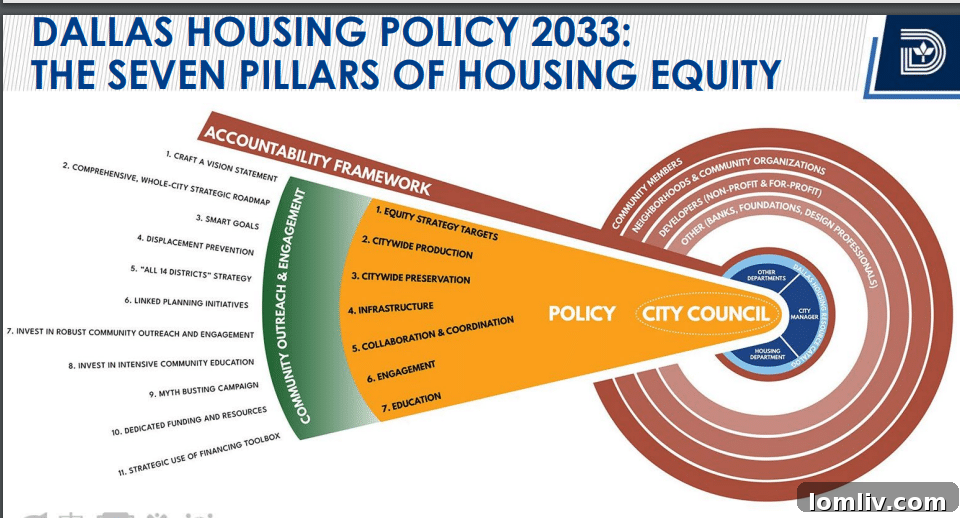
Broadnax further elaborated on the current shortcomings in resource allocation. He pointed out that federal grants, general funds, and bond funds—all vital tools intended to achieve the city’s affordable housing purpose—are currently “not deployed in any coordinated fashion.” This lack of strategic coordination has, in turn, exacerbated “housing racial equity blind spots,” leading to an reactive rather than proactive approach. Developers and residents, he noted, apply for City funding, which is often distributed in a piecemeal, reactionary manner. The proposed policy, however, seeks to fundamentally alter this paradigm. It advocates for the proactive deployment of funds, leveraging “Pillar No. 1, equity strategy target areas.” This innovative approach is designed to enable the City to be significantly “more deliberate and impactful in the areas staff serves,” ensuring that resources are channeled where they are most needed and can yield the greatest equitable impact. This shift from a reactive to a proactive funding model is poised to be a cornerstone of the revised housing policy, aiming to foster more strategic development and address systemic inequalities head-on.
Charting a New Course: Initiatives for “Dallas Housing Policy 2033”
Looking ahead, Dallas city leaders, in close collaboration with Community Equity Strategies consultants, have meticulously identified a series of ambitious initiatives designed to achieve their “big audacious goals” for the city’s housing future. These forward-thinking strategies are critical for transforming Dallas into a city where equitable housing is not just a vision, but a tangible reality. A cornerstone of this forward momentum is the ongoing review of the ForwardDallas comprehensive land use plan. This extensive planning process is anticipated to be a game-changer, as the zoning changes identified within ForwardDallas could strategically pave the way for increased affordable housing development across key areas of the city. By re-evaluating and potentially modifying zoning ordinances, Dallas can create opportunities for higher-density housing, mixed-use developments, and other innovative solutions that directly contribute to expanding the affordable housing stock and promoting more inclusive neighborhoods.
In a detailed memo, City Manager T.C. Broadnax further outlined that the presentation originally scheduled for February 1 would incorporate crucial information gleaned from a December Housing and Homelessness Solutions meeting. This demonstrates a responsive approach, integrating feedback and insights from various stakeholders directly into the policy framework. Moreover, the proposed policy enhancements since late last year are a direct result of continuous council feedback, signifying a collaborative and adaptive policy-making process. This iterative approach ensures that the “Dallas Housing Policy 2033” is not a static document but a living strategy that evolves with community needs and expert recommendations, fostering a stronger consensus and a more effective implementation path.
This includes a six-to-12-month implementation plan to build a sustainable community engagement structure that will include a housing task force, select equity strategy targets, complete agreements with internal and external partners who will work alongside Housing Department staff to achieve the Seven Pillars of Housing Equity, and establish SMARTIE (Specific, Measurable, Achievable, Relevant, Time-bound, Inclusive, and Equitable) goals that will help calibrate the Seven Pillars of Housing Equity, thereby aligning them with the Dallas Housing Policy objectives over the next decade. City Council Member engagement is critical as staff works to finalize the housing policy recommendation and move into the implementation phase.
Dallas City Manager T.C. Broadnax
The proposed “Dallas Housing Policy 2033” is underpinned by a meticulous implementation timeline, designed to ensure that its visionary objectives translate into tangible results. Following its adoption by the City Council, the comprehensive plan will be widely disseminated to the public through various social platforms and extensive community engagement opportunities. This proactive outreach strategy aims to foster transparency, build public trust, and gather continuous feedback from the residents it serves. A crucial component of this new framework, as emphasized by Director Noguera last month, is the establishment of a revamped Housing Policy Task Force. This new iteration is designed to be more dynamic and inclusive, moving beyond previous models that proved less effective in generating broad community participation and impactful outcomes.
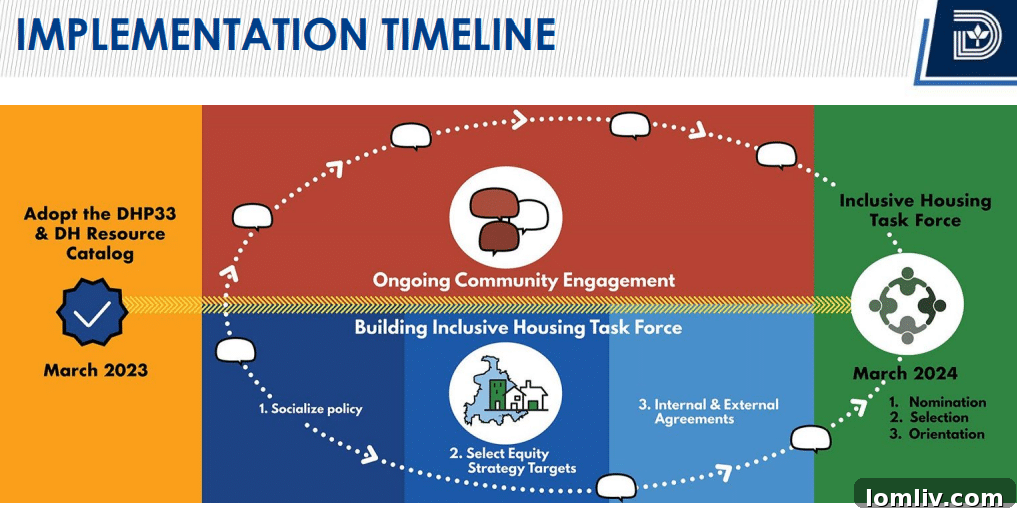
Noguera reflected on the evolution of the Housing Policy Task Force, noting its transformation since 2018. Initially, it began as a small group of individuals offering advice on policies and programs. Over time, it grew into a sprawling listserv comprising over 600 individuals who engaged on topics of interest through large meetings, emails, and follow-up conversations. However, Noguera candidly stated that “Neither structure was impactful in generating inclusive community engagement.” This acknowledgment of past limitations is crucial for understanding the renewed emphasis on a more effective model. The proposed policy now explicitly recommends developing a “sustainable community engagement structure” that will serve as the foundation for an truly inclusive housing task force. This new structure is envisioned to actively seek out and integrate diverse voices, ensuring that the policy development and implementation processes are genuinely representative of all Dallas communities, particularly those most affected by housing disparities. This strategic pivot towards a more sustainable and inclusive engagement model is expected to empower residents and stakeholders, making them active partners in shaping Dallas’s housing future.
Furthermore, the refreshed housing policy mandates the precise identification of “equity strategy target areas.” This involves a data-driven approach to pinpoint specific geographic areas or demographic groups that have historically experienced housing disparities, allowing for targeted interventions and resource allocation. This strategic focus ensures that equity is not just a concept but an actionable principle guiding development. Complementing this, the policy calls for the creation of a sophisticated “Housing Data Dashboard.” This innovative digital tool is designed to supplement, and eventually replace, the traditional monthly performance reports. The dashboard will provide real-time, transparent, and comprehensive metrics on housing progress, affordability, development, and equity indicators. By offering an accessible and dynamic overview of the housing landscape, the Housing Data Dashboard will empower city leaders, stakeholders, and the public with the crucial information needed to monitor progress, identify emerging challenges, and make data-driven decisions that propel Dallas towards its goal of equitable and sustainable housing for all.