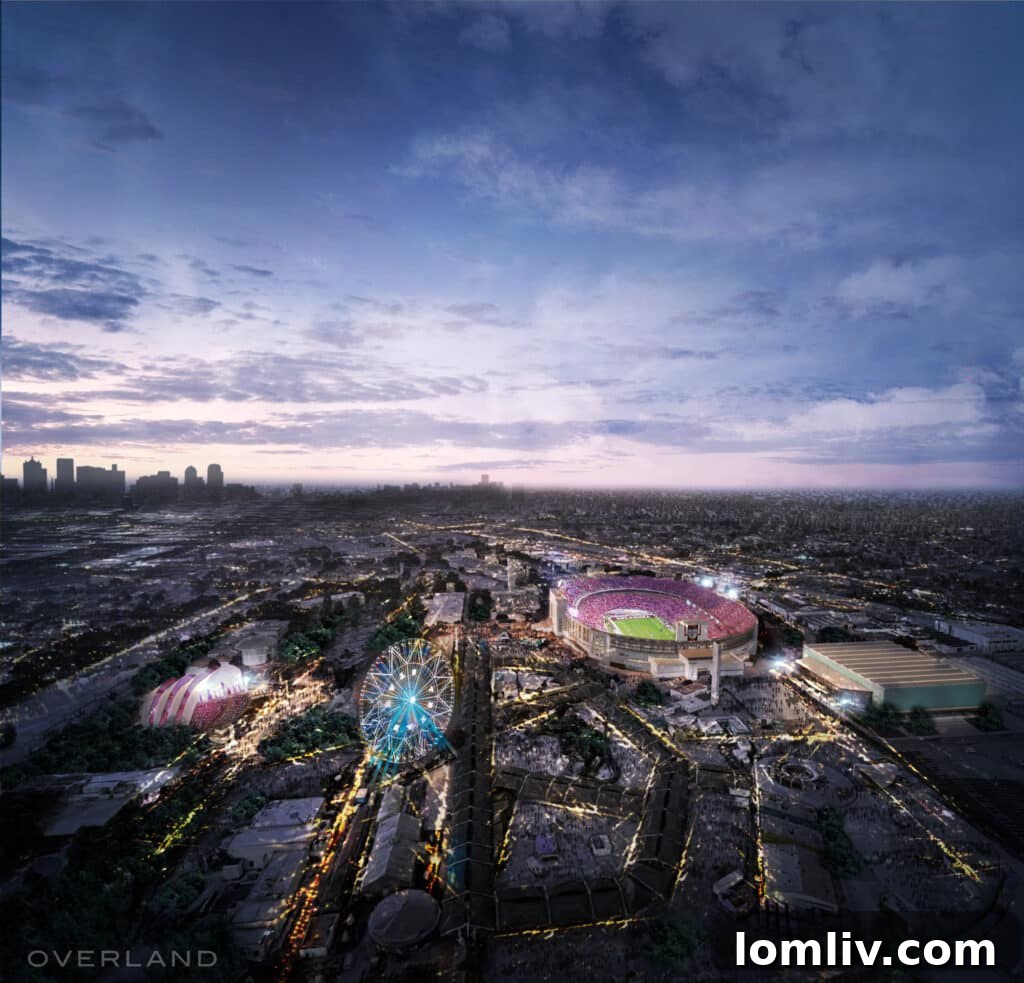
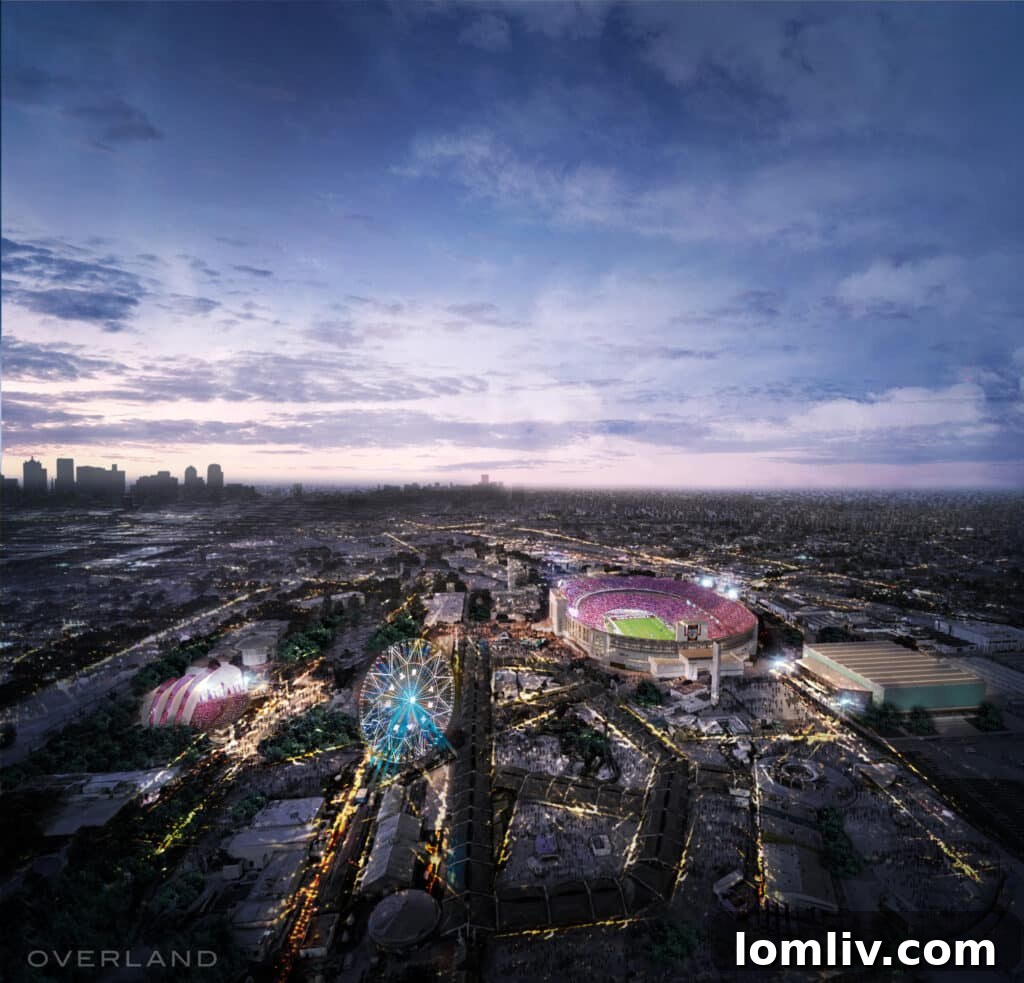
Dallas’s iconic Fair Park stands on the precipice of a monumental transformation, with officials having recently unveiled ambitious designs for over $300 million in upgrades aimed at revitalizing the historic Cotton Bowl Stadium and various State Fair of Texas facilities. This significant investment is poised to breathe new life into one of Dallas’s most cherished cultural and entertainment hubs. However, the realization of these grand plans hinges directly on the upcoming Nov. 8 ballot, where voters will decide the future of these crucial developments.
The proposed enhancements would be financed by a modest 2 percent increase in the hotel occupancy tax (HOT), elevating it from the current 13 percent to 15 percent. This proposition, commonly referred to as the Brimer Bill, is not just about Fair Park; it also secures a substantial $1.5 billion for the extensive expansion and modernization of the Kay Bailey Hutchison Convention Center Dallas. This dual-purpose bill underscores a comprehensive strategy to bolster Dallas’s standing as a premier destination for both tourism and major events.
Earlier this year, the Dallas City Council gave its approval to a measure that formally placed the HOT tax increase on the November ballot, allowing residents and stakeholders to directly weigh in on this critical infrastructure initiative. Supporters of the Brimer Bill emphasize its potential to unlock unprecedented opportunities for urban development, economic growth, and community engagement across Dallas.
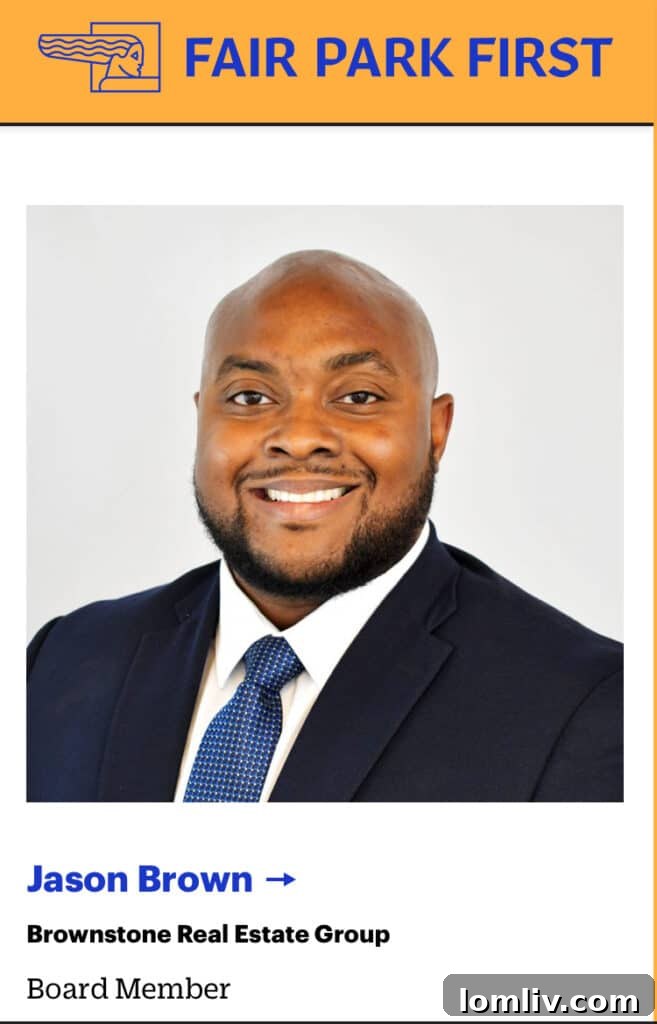
Jason Brown, a respected broker with Brownstone Real Estate Group, a dedicated board member of Fair Park First, and a resident deeply invested in the South Dallas area, articulates the profound community benefits of this endeavor. He highlights how activating the park with year-round programming would be a significant asset for the entire Dallas community. “We’re talking about capital improvements for a park that all of Dallas gets to enjoy,” Brown stated, emphasizing the widespread impact. “It’s going to give those buildings new life, not to mention the convention center. The first time I heard someone say they were going to travel to Dallas for a convention, I was like, ‘What?’ This is an opportunity to really look at what our community looks like from a tourist standpoint. We need to plan what the city is going to look like 20 or 40 years from now.” Brown’s perspective underscores the long-term vision behind the Brimer Bill, positioning it as a strategic investment in Dallas’s future global competitiveness and local quality of life.
A New Era for Fair Park: The Fair Park First Initiative
Darren James, President of Fair Park First, spearheading this transformative initiative, proudly notes that these proposed upgrades represent the single largest investment in Fair Park since its landmark Texas Centennial Exhibition in 1936. This statistic alone highlights the magnitude and historical significance of the current proposal, promising to redefine the park for generations to come.
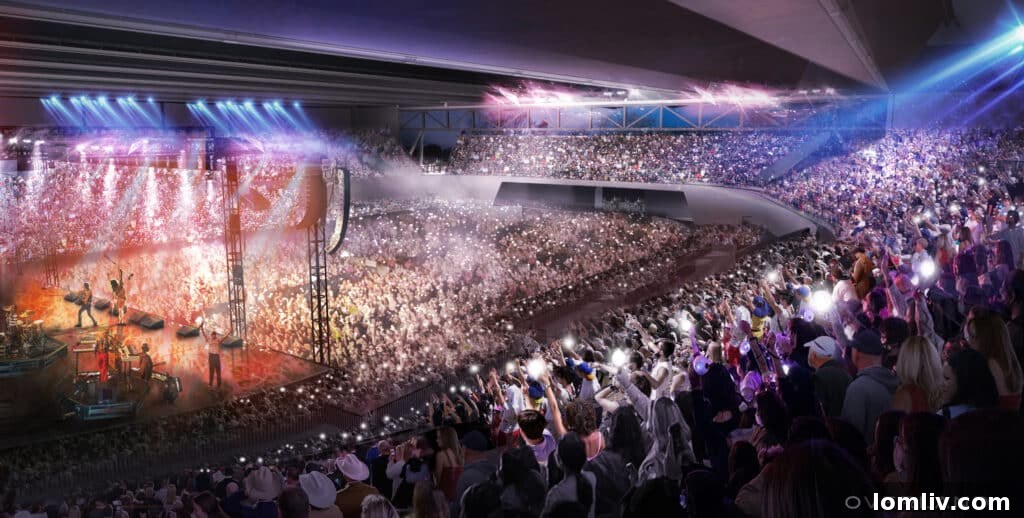
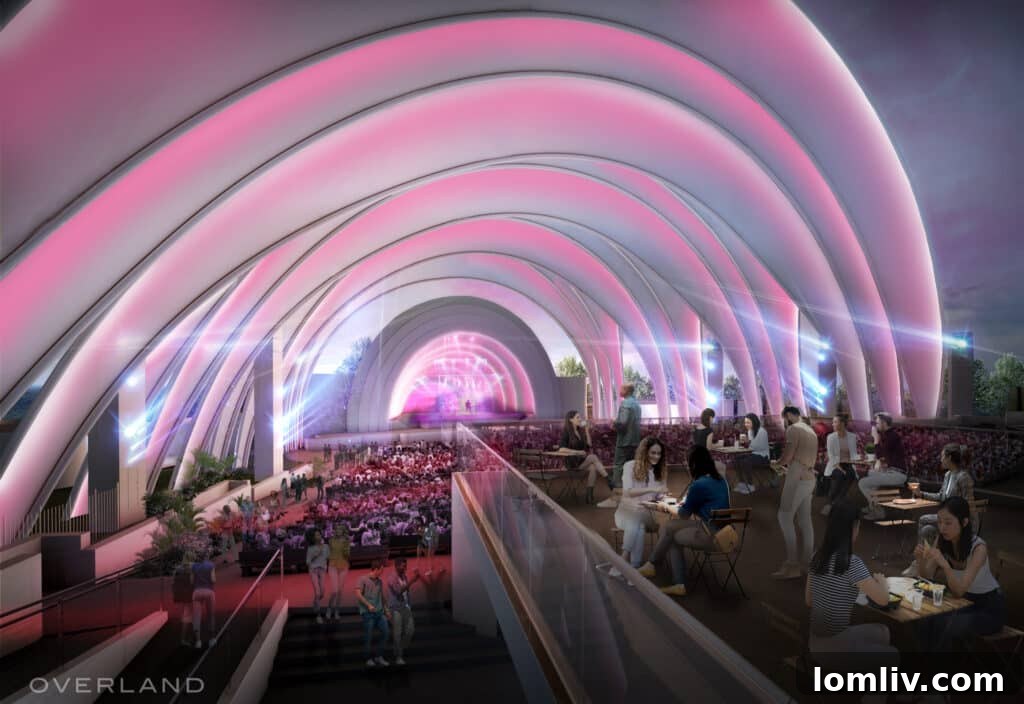
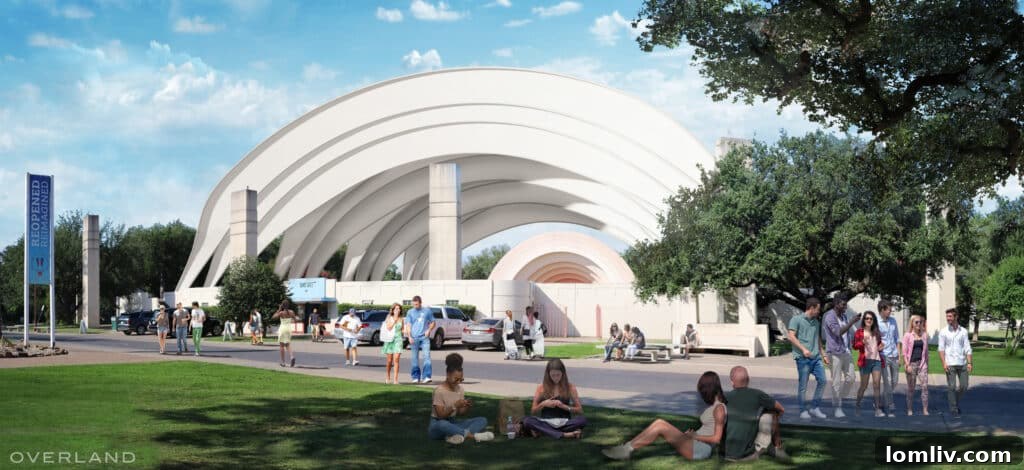
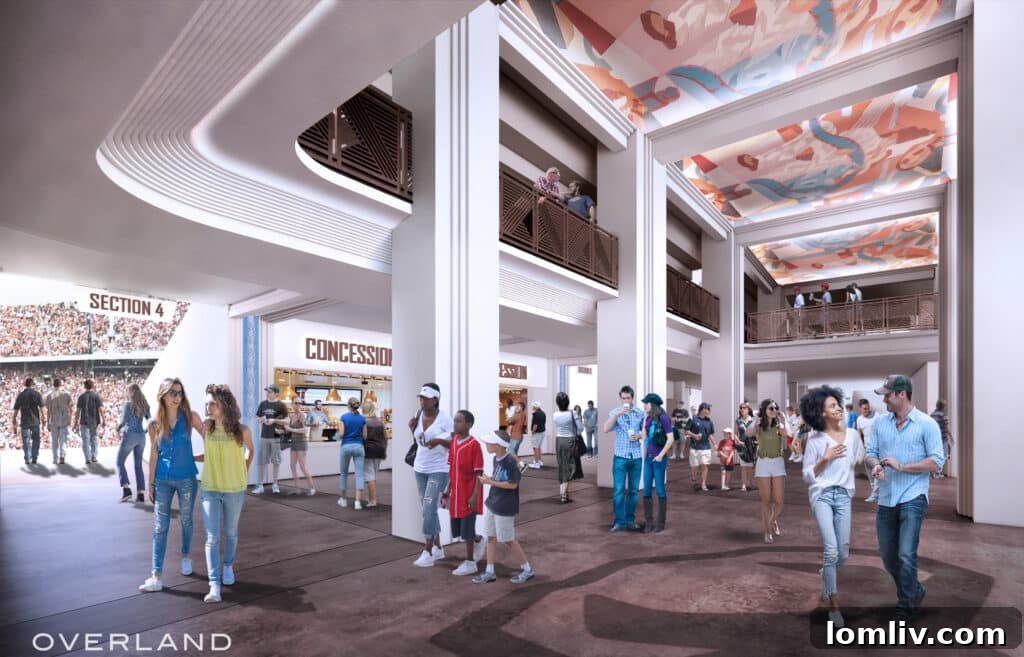
“The resulting improvements to facilities such as the band shell, coliseum, Cotton Bowl Stadium, and exhibition halls will bring those facilities into the 21st century and make them attractive for increased year-round use now and well into the future,” James affirmed in a press release. This vision extends beyond mere renovations; it encompasses a complete modernization to enhance functionality, accessibility, and visitor experience, ensuring these historic venues can host diverse events throughout the year. The upgrades will focus on state-of-the-art technology, improved infrastructure, and enhanced amenities that meet contemporary demands for comfort and efficiency.
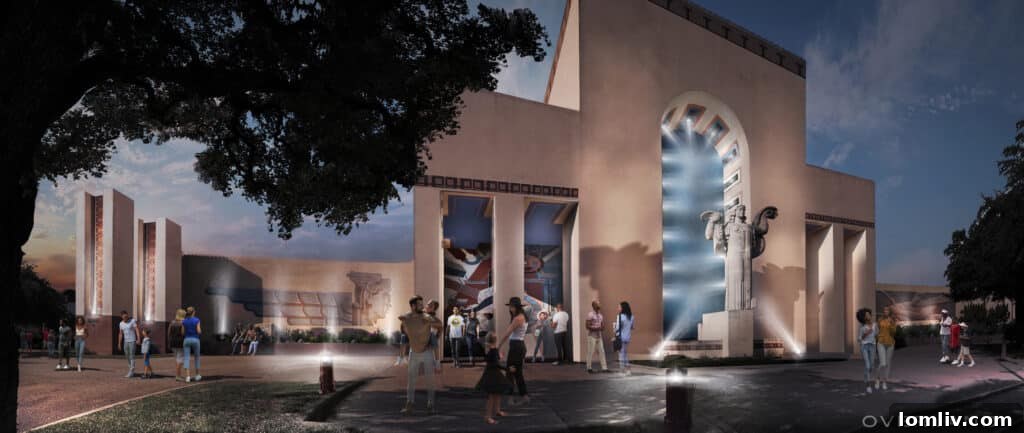
Beyond the headline-grabbing Cotton Bowl, other Fair Park facilities are equally vital to the ecosystem of the State Fair of Texas and the park at large. These include the iconic Automobile Building, the grand Centennial Hall, and the esteemed Music Hall at Fair Park. Each of these venues possesses a rich history and architectural significance, and the proposed upgrades aim to restore their former glory while equipping them for modern use. From structural repairs and aesthetic enhancements to updated HVAC systems and digital connectivity, the goal is to transform these cherished landmarks into versatile, multi-purpose spaces capable of hosting a wide array of events, from conventions and trade shows to concerts and theatrical productions.
Brian Luallen, CEO of Fair Park First, underscores the fiscal prudence of the plan: “The coming election is an opportunity to greatly restore and improve these historic facilities at no cost to local taxpayers.” This core tenet—that the project is entirely funded by tourism dollars rather than local property taxes—is a powerful argument for its proponents. Luallen describes the initiative as a “game changer for Fair Park” that will “create an incredible experience for millions of visitors a year,” emphasizing its broad appeal and potential for economic stimulation.
Despite the substantial $300 million allocation for Fair Park, Jason Brown, a three-year board member and chair of Fair Park First’s finance committee, acknowledges that this sum may not fully cover all the extensive upgrades required. He voiced a common concern: “I think one of the biggest concerns watching this bill is people want to make sure the Cotton Bowl doesn’t swallow up all the money, because that’s the Big Kahuna.” Brown recognizes the substantial deferred maintenance and the long-neglected state of many park buildings that haven’t seen significant investment in decades. To address this, Fair Park First has developed a strategic prioritization plan. “We’re going to rank the buildings based on our ability to book them. We’re going to improve the whole park,” Brown explained, ensuring a balanced approach that maximizes the park’s utility and economic potential across all its diverse facilities.
Catalyzing Growth in South Dallas Neighborhoods
While the Brimer Bill is primarily framed as an initiative to enhance Fair Park as a premier Dallas tourism asset, its positive ripple effects are expected to profoundly benefit the surrounding South Dallas neighborhoods. Jason Brown passionately articulated how this revitalization effort generates palpable excitement among local residents. “People get excited about what’s happening with Fair Park,” he stated, highlighting a renewed sense of optimism. “It gives people in the area a sense of hope. It reaffirms that Fair Park is a great area.”
The ongoing work by TxDOT and the visible cohesiveness of development efforts further bolster this positive sentiment. Residents and potential investors are already observing tangible progress, leading to a strong belief that this is a sound investment in the community’s future. The overall perspective of positive growth and revitalization radiating from Fair Park instills a deep sense of pride among locals, and crucially, it reassures buyers and stakeholders of the area’s increasing value and stability. This project is not just about structures; it’s about fostering community pride, economic confidence, and long-term sustainable growth for South Dallas.
To ensure a strategic and effective allocation of resources, a dedicated team is diligently working to distill a massive report detailing the condition of Fair Park’s myriad buildings into a concise executive summary. This critical document will pinpoint which facilities have the most immediate and pressing needs, guiding the initial phases of renovation. “This isn’t something that we’re making up,” Brown clarified, emphasizing the data-driven approach. “We’re getting feedback from our promoters about why it’s hard to put on an event here. They want to be in Fair Park and make it work. We want to activate it for the entire calendar year.” This commitment to addressing practical challenges faced by event organizers will ensure the park becomes a truly desirable and functional venue.
Innovative Designs and Sustainable Financing
To translate this ambitious vision into tangible designs, Fair Park First engaged the internationally acclaimed firm Overland Partners. This architectural team eloquently describes Fair Park as “a 277-acre work of experiential art unlike any other place in the world,” underscoring its unique blend of history, culture, and potential. Overland Partners is collaborating with an all-local team, bringing together a wealth of national experience across various specialized domains including sports, entertainment, performing arts, historic preservation, art, and engineering. This collaborative approach ensures that the designs are not only aesthetically groundbreaking but also deeply rooted in local expertise and practical needs, creating a cohesive and functional master plan.
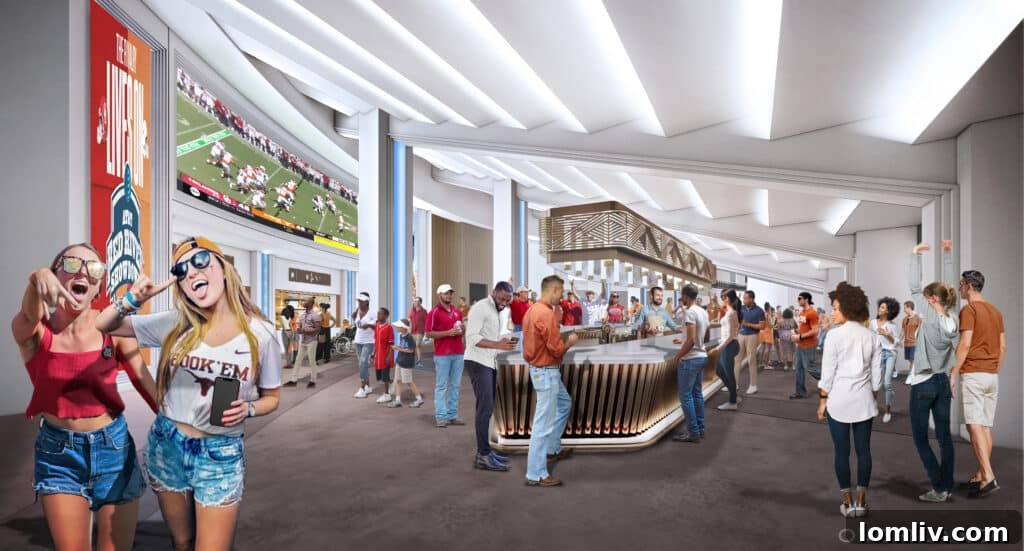
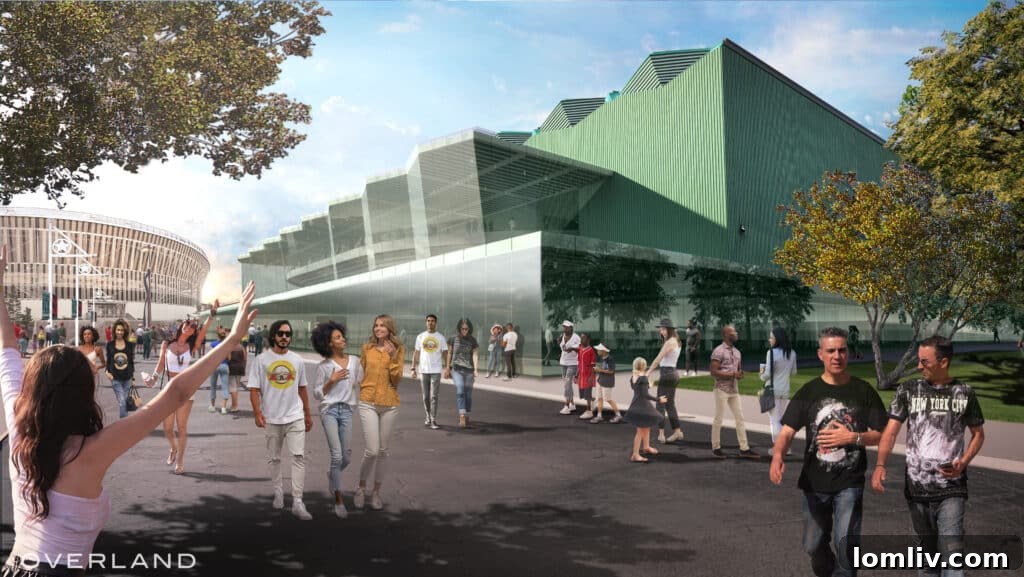
Bryan Trubey of Overland Partners articulated the immense potential: “Fair Park has the potential to be one of the most significant, iconic, monumental urban entertainment and sports destination environments anywhere in the world.” He further emphasized in a press release that, “ultimately, this once-in-a-lifetime project is much bigger than a quantified economic impact,” highlighting its profound cultural and civic importance to Dallas’s identity and global standing.
A crucial aspect of this proposition, frequently highlighted by its advocates, is the funding mechanism. The funds slated to pay for the extensive Fair Park improvements are derived exclusively from tourism, specifically the hotel occupancy tax. This means there will be no direct impact on the city’s general fund or an increase in local property taxes for Dallas residents. This financing model offers a sustainable way to invest in significant urban infrastructure without burdening local taxpayers, making it an attractive proposition for the community.
Jason Brown addressed a common voter concern directly: “With voters, it’s always like, ‘What’s it going to cost me?’” He then provided a clear reassurance: “In this case, we don’t really have to sell it. It’s not a direct tax on the people who live here.” Brown also pointed out that, compared to cities of a similar size and prominence, Dallas’s current hotel tax rate is actually lower. Therefore, raising it by 2 percent is not an outlier but rather a step to bring Dallas in line with other major urban centers, enhancing its capacity to invest in world-class attractions and facilities that benefit everyone.